
You should pick up Thompson’s Water Seal if you want solid water protection for your deck, fence, or outdoor wood without spending a fortune or dealing with complicated products.
It goes on easily, beads water right away, and keeps moisture from soaking into the wood so you avoid rot and warping. For most homeowners like us, it delivers the protection you need at a price that makes sense, and you can grab it at any hardware store.
I recommend it because the results show up fast and the wood stays looking good longer than if you leave it bare.
My Experience With Thompsons Water Seal
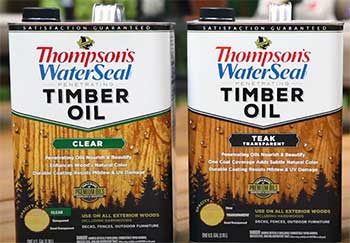
I first tried Thompson’s Water Seal on a pressure treated pine deck that had started showing water marks after two seasons of rain. The boards looked dull and a few spots had darkened where water sat.
I cleaned the surface thoroughly, let it dry for a couple of days, then applied the clear water based formula with a pump sprayer followed by back brushing. It went on smooth with no heavy odor and dried to the touch in about two hours.
The next morning after a light rain, water beaded up and rolled off instead of soaking in. That immediate difference sold me.
Over the following months I watched how it held up. In the first six months the beading stayed strong even after heavy storms. The wood kept its natural color longer than the unsealed boards next to the house.
Foot traffic in the main walking path wore the surface a bit, but the protected areas still repelled water when I did the splash test.
By the end of the first year I noticed the beading was slower in the full sun section, so I planned a touch up. Reapplying was straightforward once I cleaned off any dirt. The second coat went down just as easily and restored the protection.
I also used it on a cedar fence that faced south. That surface got more sun and less foot traffic. The seal lasted closer to two years before the splash test showed water starting to darken the boards.
No peeling showed up on either project when I prepped properly and applied to clean, dry wood. Cleanup was simple with soap and water, which made the whole job less of a hassle than oil based products I had used before.
Overall the experience was positive for the cost. It bought me time and kept the wood from looking weathered as quickly as it would have without any treatment. You get visible results the same day and decent protection that lasts through a season or two depending on exposure.
Also Read: Comparison of Waterlox And Polyurethane Butcher Blocks.
Pros of Thompson’s Water Seal
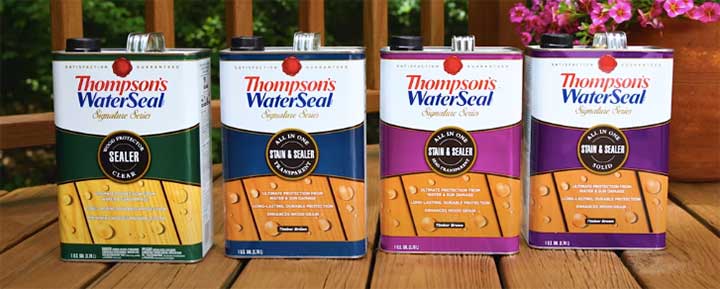
- Affordable Price Point That Fits Most Budgets You can usually find a gallon for less than many competing sealers, so covering a full deck or fence does not break the bank. When you factor in that you can handle the job yourself with basic tools, the total cost stays low compared to hiring a crew or buying premium formulas that cost twice as much per gallon. This makes it practical if you have a large area or want to refresh protection without a big project budget.
- Easy Application That Saves Time And Effort The water based versions clean up with soap and water and go on with a sprayer, roller, or brush. You do not need special solvents or heavy ventilation in most cases. I finished a medium sized deck in an afternoon including prep and cleanup. The formula is forgiving if you miss a spot or have a slight overlap, so first time users can get even coverage without lap marks showing later.
- Immediate Water Beading That Protects Right Away Right after it dries you see water bead and roll off instead of soaking into the grain. That protection starts working the next time it rains, which matters if you live in a wet climate or want to seal before a storm. The product meets standard waterproofing tests, so it does a solid job of keeping liquid water out of the wood fibers.
- Natural Look That Keeps Wood Grain Visible Clear and transparent options enhance the existing color without covering the grain completely. Your deck or fence still looks like wood rather than painted. Tinted versions add subtle color while still letting some texture show through, which many people prefer over solid stains that hide everything.
- Wide Availability So You Can Start Quickly Almost every home improvement store and hardware aisle stocks it. You do not have to order online and wait or drive to a specialty shop. That convenience means you can fix a problem the same weekend you notice water darkening the boards.
Cons of Thompson’s Water Seal
- Shorter Lifespan On Horizontal Surfaces In Full Sun Clear formulas often lose strong water beading after six to twelve months on decks that get direct sun and foot traffic. Vertical surfaces like fences hold up longer, but you should plan on checking and reapplying more often than the highest claims suggest. Real world conditions with heat, UV, and abrasion shorten the effective period.
- Limited UV Protection In Clear Versions Without pigment the clear sealer does little to stop the wood from graying under sunlight. Tinted and solid versions perform better here because the color helps block rays. If keeping the original color is your main goal on a sunny deck, you may see fading sooner than with products that include stronger UV blockers.
- Can Sit More On The Surface Than Deeply Penetrate Some users and tests note it forms more of a surface barrier than a deeply soaking oil. This can lead to wear or occasional flaking if applied over old finish or poorly prepped wood. On bare, clean wood it holds better, but you still need to monitor high traffic zones.
- Requires Regular Splash Tests And Maintenance The manufacturer advises checking yearly with a splash test. If water darkens the wood, it is time to reapply. This ongoing attention is part of using the product, and skipping it means protection drops off. In harsh climates the cycle shortens further.
- Performance Varies By Exact Formula And Prep Different versions (clear, transparent, solid) behave differently, and results depend heavily on how well you clean and dry the surface first. Poor prep is the biggest reason for complaints about uneven looks or early failure.
Maintenance Tips For Thompson’s Water Seal
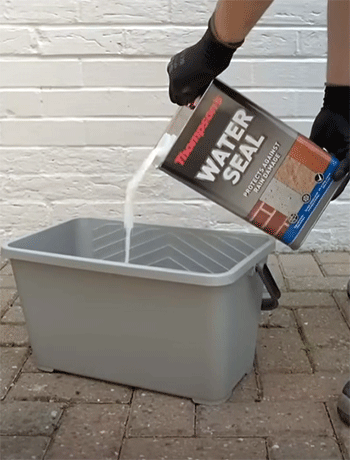
- Clean Thoroughly Before Every Application Pressure wash or scrub with a deck cleaner to remove dirt, mildew, and old residue. Rinse well and let the wood dry completely for at least 48 hours. Any moisture left behind can cause the finish to stay tacky or fail early. I always do a brightener step if the wood looks gray so the sealer bonds better.
- Perform The Splash Test Every Spring Pour a little water on different sections. If it beads and rolls off, the seal is still working. If it soaks in and darkens the wood within a few seconds, plan a reapplication. This simple check tells you exactly when protection has worn rather than guessing by the calendar.
- Reapply On A Dry Mild Day With Good Air Flow Avoid extreme heat, direct midday sun, or rain in the forecast for 24 to 48 hours. Work in sections so the wet edge stays manageable. One coat is usually enough for protection; add a second only if you want more color and do it within the recommended window.
- Address High Traffic And Sun Areas First Focus extra attention on walkways, stairs, and south facing boards. These wear faster, so spot treating them extends the life of the whole project. Keep furniture pads under planters and move grills occasionally so water does not sit in one place.
- Store Leftover Product Properly And Check Dates Keep unopened cans in a cool dry place away from freezing. Once opened, use within a year if possible and seal the lid tightly. Check the manufacturing date so you are not applying older product that has thickened.
Comparison of Thompson’s Water Seal With Other Brands
- Behr Premium Transparent Wood Finish
Behr often includes stronger UV absorbers and mildewcides in its acrylic oil emulsion formula. That can mean better resistance to graying and mold on fences and siding, with some users reporting longer intervals between recoats on vertical surfaces.
Thompson’s still wins on pure water beading speed and lower price for basic protection. If your main concern is sun fade on a high exposure deck, Behr edges ahead, but Thompson’s remains easier for quick water only jobs.
- Olympic Waterguard And Maximum Lines
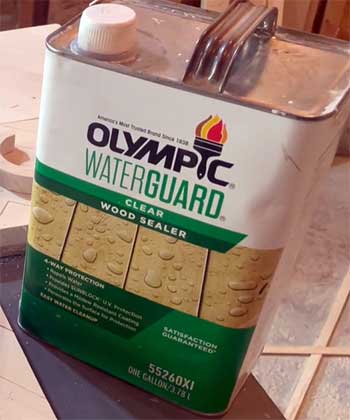
Olympic Waterguard is another water based option with similar ease of cleanup.
Some tests and user reports show Olympic lasting a bit longer on certain decks when UV defense is considered, though both brands require periodic reapplication.
Olympic Maximum oil based versions claim multi year protection on vertical wood.
Thompson’s stays more widely available and often costs less per gallon for the clear waterproofer.
Choose Olympic if you want built in sun blockers on a fence; stick with Thompson’s for straightforward moisture control at a lower upfront cost.
- Cabot Australian Timber Oil
Cabot is an oil based penetrating stain that soaks deeper into many woods and typically holds color and protection longer on decks and hardwoods.
Cleanup requires mineral spirits and dry time is longer. Thompson’s water based formulas are simpler for most DIY users and still give solid short term water resistance.
Cabot suits people willing to pay more and deal with oil cleanup for extra years of life; Thompson’s fits those who prefer soap and water and more frequent but easier refreshes.
Frequently Asked Questions (FAQ)
Products like Seal Once, Defy Extreme, or quality oil based options such as Cabot often last longer and include stronger UV protection for decks.
Clear versions often need attention every 6 to 18 months on decks; tinted versions can last 2 to 4 years or more on fences depending on exposure and prep.
Recent tests frequently rank Seal Once Marine or Defy Extreme high for overall balance of durability, UV resistance, and ease.
Thompson’s penetrates for outdoor water repellency on decks and fences; polyurethane forms a harder film better suited for indoor floors or high abrasion surfaces.
Final Recommendation
Thompson’s Water Seal is worth buying for most outdoor wood projects where you want affordable, easy protection that starts working immediately.
It keeps water out, looks natural, and is simple enough that you can maintain it yourself year after year. Grab a can, prep the surface right, and you will see the difference the next time it rains.