
I’ve compared traditional stucco and EIFS on dozens of homes and renovation projects, and the decision always comes down to the same factors: how the wall system handles moisture, how much insulation it delivers, how it ages, and what the long-term costs look like.
This article breaks down both systems side by side so you can match the right finish to your climate, budget, and maintenance tolerance.
| Aspect | Traditional Stucco | EIFS |
| Base Material | Cement, sand, lime, water | Expanded polystyrene foam + acrylic finish |
| Insulation Value | Low (R-1 to R-2) | High (R-4 to R-8+ depending on thickness) |
| Weight | Heavy | Lightweight |
| Flexibility | Rigid, prone to hairline cracks | Flexible, moves with the structure |
| Moisture Behavior | Breathable, dries outward | Can trap water if barrier-style system fails |
| Typical Thickness | ¾ inch to 1 inch | 1 inch to 4 inches |
| Fire Resistance | Excellent | Good when properly detailed |
| Repair Difficulty | Straightforward patching | More involved, often requires matching texture |
| Average Lifespan | 50–80+ years with care | 30–50 years if kept dry |
| Common Look | Classic, textured, matte | Can mimic stucco or other finishes |
Key Differences between Stucco And EIFS
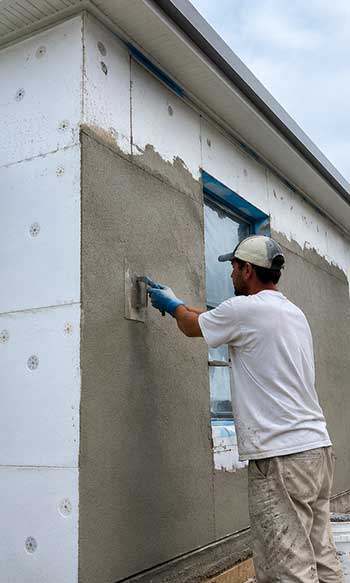
- Material Makeup And Layering Traditional stucco starts with a weather-resistant barrier, then metal or wood lath, followed by a scratch coat, brown coat, and finish coat of cementitious mix. The entire assembly is mineral-based and relies on thickness for strength. EIFS begins with adhesive or mechanical fasteners attaching rigid foam insulation board to the substrate, then a base coat with reinforcing mesh, and finally a thin acrylic or polymer finish. One system is essentially a hard shell; the other is a soft insulating sandwich with a decorative skin. This single difference drives almost every performance contrast that follows.
- How Each System Deals With Water Stucco is vapor-permeable. Water that gets behind it can eventually dry to the exterior. Older barrier EIFS systems were designed to keep every drop of water out. When that barrier failed—usually at windows, doors, or roof intersections—water stayed trapped against the sheathing and caused rot and mold. Modern water-managed EIFS include drainage channels and weeps, which narrows the gap with stucco, yet the fundamental philosophy remains different: stucco tolerates some wetting and drying, while EIFS prioritizes exclusion and rapid drainage when exclusion fails.
- Structural Movement And Cracking Cement stucco is stiff. Houses settle, temperature swings expand and contract framing, and the stucco cannot stretch much, so hairline cracks appear. EIFS foam and acrylic layers flex with the building. You still see cracks at joints or impact points, but widespread random cracking is far less common. That flexibility is a real advantage in earthquake zones or on wood-frame houses that move seasonally.
- Thermal Performance A standard three-coat stucco wall adds almost no R-value. Any insulation has to come from the cavity or continuous insulation added separately. EIFS places continuous foam on the exterior, cutting thermal bridging through studs and raising whole-wall R-value dramatically. In heating-dominated climates the energy savings can be measurable on the utility bill within a few seasons.
- Weight And Substrate Requirements Stucco weighs 8–12 pounds per square foot. That load influences foundation design and can limit retrofit options on older structures. EIFS weighs roughly 1–2 pounds per square foot. Lighter weight opens more possibilities for upper stories, cantilevered areas, and remodeling projects where the existing structure cannot carry extra dead load.
- Impact Resistance Hard stucco shrugs off baseballs, hail, and casual bumps better than the thin finish coat of EIFS. High-impact EIFS formulations exist with heavier mesh or cementitious base coats, yet the standard residential system remains more vulnerable to puncture than traditional stucco.
- Repair And Matching A stucco patch can be feathered and textured to blend reasonably well. EIFS repairs often require replacing a full board section and carefully matching both the foam thickness and the finish texture and color. Color matching acrylic finishes after years of UV exposure is frequently imperfect.
Key Features of Stucco
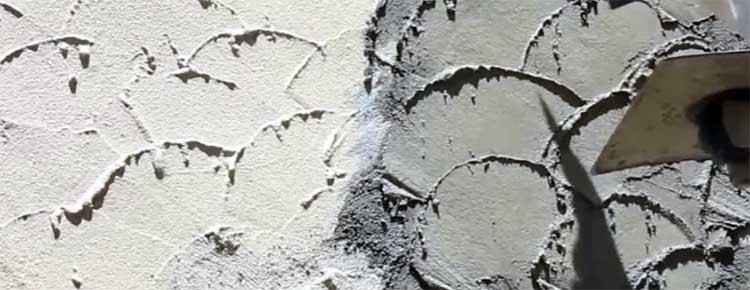
- Multi-coat cementitious build-up The classic three-coat system creates a dense, continuous mineral layer that feels solid under the hand. That mass contributes to fire resistance and sound attenuation. Many older homes still carry original stucco that has outlasted several generations of paint and roofing.
- Natural breathability Because the material is open to vapor, interior moisture that migrates outward can escape without creating pressure behind the cladding. This characteristic has kept countless stucco walls healthy in humid regions when flashings and overlaps were detailed correctly.
- Proven fire performance Cement does not burn. In wildfire-prone areas, stucco walls regularly receive favorable ratings from insurers and code officials compared with combustible claddings.
- Classic texture range From smooth sand finish to heavy Spanish lace, stucco offers a wide palette of hand-applied textures that many people still associate with Mediterranean, Southwestern, and California architecture.
- Compatibility with masonry substrates Stucco bonds well to concrete block, poured concrete, and brick, making it a natural choice for commercial and multi-family buildings that already use those materials.
Pros of Stucco
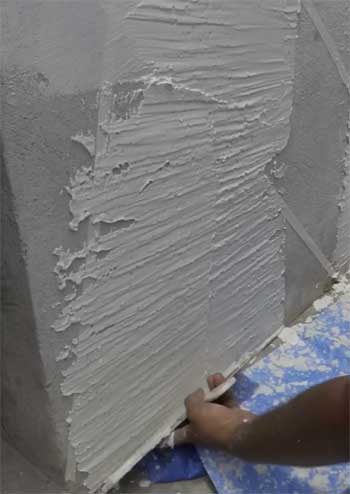
- Exceptional longevity when detailed correctly I have inspected stucco walls that are seventy and eighty years old and still serviceable. The mineral matrix does not degrade from UV the way polymers can. Properly maintained stucco simply weathers slowly rather than failing suddenly.
- Superior resistance to physical impact Kids throwing balls, landscapers bumping the wall with equipment, or occasional hail storms leave far fewer scars on hard stucco than on thin EIFS finishes. That toughness translates into fewer emergency repair calls.
- High fire resistance without special coatings In regions with strict wildfire codes, stucco often meets requirements with little or no additional treatment. That can lower insurance premiums and simplify permitting.
- Ability to dry after wetting If a window leaks or wind-driven rain forces water behind the cladding, the stucco layer itself does not trap the moisture against the sheathing the way a failed barrier system can. Drying potential remains a quiet but powerful advantage.
- Familiar installation skill set Most experienced plasterers understand three-coat stucco. Finding qualified labor is usually easier than locating crews certified for complex EIFS details, especially outside major metropolitan areas.
- Recyclability and lower embodied polymer content At end of life the cementitious material can often be crushed and reused as fill or aggregate. The absence of large volumes of plastic foam appeals to owners focused on material circularity.
- Proven performance in high-wind and coastal environments When reinforced and properly fastened, stucco has a long track record in hurricane and high-wind zones. The mass helps resist uplift and the hard surface stands up to wind-borne debris better than many lighter claddings.
Cons of Stucco
- Limited insulating value You pay for the finish and still need a separate insulation strategy. In cold climates that usually means thicker wall cavities or continuous insulation on the exterior, which adds cost and complexity.
- Tendency to develop cracks Thermal movement, framing shrinkage, and foundation settlement produce hairline cracks that require monitoring and occasional sealing. Left unattended, those cracks can become entry points for water.
- Heavy dead load The extra weight can rule out stucco on some light-frame or second-story additions unless the structure is reinforced. Retrofitting an existing wood-frame house with full three-coat stucco is often impractical.
- Labor-intensive application Multiple coats, curing time between coats, and skilled hand work drive labor costs higher than many thin-finish systems. Weather delays during the multi-day process are common.
- Potential for alkali-silica reaction or other cement-related degradation In certain climates and with certain aggregates, chemical reactions can cause expansion and surface deterioration decades later. Quality control of the mix is essential.
- Difficulty achieving consistent color and texture on large surfaces Color variation between batches and differences in workmanship can leave visible panels or patches that bother perfectionist owners.
- Less design flexibility for complex shapes Creating deep reveals, curved surfaces, or elaborate cornices requires additional framing or foam shapes that then have to be stuccoed over, adding steps that EIFS handles more easily.
Also Read: Comparison of Gable Roof And Hip Roof.
Key Features of EIFS
- Continuous exterior insulation The foam board sits outside the structural framing, wrapping the entire building in a thermal blanket. This arrangement reduces energy loss through steel or wood studs more effectively than cavity insulation alone.
- Lightweight assembly Installers can handle large foam boards with minimal scaffolding reinforcement. The reduced load also simplifies seismic calculations and foundation sizing.
- Design flexibility in thickness and shape Foam can be cut, shaped, or built up to create cornices, quoins, arches, and other architectural details without the weight or labor of traditional masonry.
- Polymer-modified finish coats Acrylic finishes resist fading better than many cementitious coatings and can be formulated in a broad range of colors. Some systems accept elastomeric topcoats that further improve crack bridging.
- Drainage plane options in current generations Modern water-managed EIFS incorporate vertical channels or drainage mats that give incidental water a path to exit at the bottom of the wall. This feature addresses the biggest criticism of the early barrier systems.
Pros of EIFS
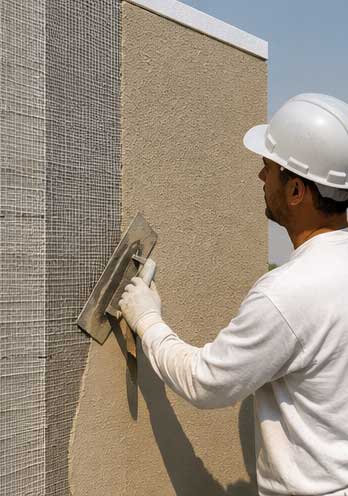
- Outstanding energy performance Continuous foam insulation cuts heating and cooling loads. In mixed and cold climates the reduction in thermal bridging alone can justify part of the system cost through lower utility bills and improved comfort.
- Lightweight construction advantages The low weight opens design options on upper floors, over garages, and on structures with limited load capacity. Transportation and handling costs drop as well.
- Reduced cracking from building movement The foam and flexible finish absorb minor structural shifts that would crack rigid stucco. Owners in areas with expansive soils or seismic activity often notice fewer surface cracks over time.
- Wide range of aesthetic options EIFS can replicate the look of stucco, limestone, brick, or even wood while delivering the insulation benefit. Architectural shapes that would be expensive in masonry become straightforward foam fabrications.
- Faster installation schedule Once the substrate is ready, large foam boards go up quickly and the finish coats are thin. Projects can close the building envelope faster than multi-coat stucco, reducing weather exposure of the interior.
- Improved indoor comfort By keeping the structural framing warmer in winter and cooler in summer, EIFS reduces the temperature gradient across the wall and limits condensation risk inside the cavity when detailed correctly.
- Compatibility with high-performance building standards Many energy codes and green certification programs reward continuous exterior insulation. EIFS makes those targets easier to hit without thickening the framed wall.
Cons of EIFS
- Historical moisture problems with barrier systems Early EIFS installations that lacked drainage suffered widespread water intrusion, wood rot, and mold. Even though current water-managed systems perform better, the reputation still affects insurance availability and resale perceptions in some markets.
- Vulnerability to impact damage The thin finish coat over soft foam can dent or puncture more easily than cement stucco. High-traffic areas, playgrounds near the house, or frequent hail may require impact-resistant upgrades that raise cost.
- Complex repair process A damaged section often means cutting out foam, installing new board, re-meshing, and matching the finish texture and color. Perfect matches after years of weathering are difficult, so repairs can remain visible.
- Dependence on perfect flashing and sealing details Because the system relies on keeping water out or draining it quickly, any gap at windows, decks, or roof intersections can lead to hidden damage. Quality control during installation is non-negotiable.
- Potential insurance and appraisal hurdles Some insurers still charge higher premiums or decline coverage for certain EIFS installations, especially older barrier types. Appraisers in some regions also assign lower values until the system is inspected and certified.
- Limited breathability in some configurations If the finish coats and base coats are highly impermeable, any water that does enter has fewer escape routes than with traditional stucco. Proper drainage detailing becomes critical.
- End-of-life disposal considerations Large volumes of plastic foam are harder to recycle than cementitious waste. Landfill concerns matter to owners who prioritize material sustainability.
Also Read: Is CoMo Premium Exteriors Worth It?
Frequently Asked Questions (FAQ)
Neither is universally better. Stucco wins on impact resistance, fire performance, and proven longevity. EIFS wins on insulation and weight. The better choice depends on climate, structure, and risk tolerance for moisture detailing.
Older barrier-style EIFS systems produced numerous moisture claims involving rot and mold. Some carriers still apply higher rates or restrictions based on that history, even though current drained systems perform differently.
Tap the wall. Stucco feels hard and solid. EIFS feels slightly soft or hollow. Look at thickness at openings; EIFS is usually thicker overall because of the foam. A small exploratory cut by a professional can confirm the presence of foam board.
Yes. Modern water-managed EIFS continues to be specified on residential and commercial projects where continuous insulation and design flexibility are priorities.
Closing Thoughts
I have watched both systems succeed and fail depending on design, climate, and workmanship. You now have the detailed comparison needed to ask the right questions of your architect, builder, and installer.
Choose the system that matches your priorities for energy, durability, and long-term care, then insist on proper detailing around every opening and transition.
That combination of informed selection and careful execution is what keeps exterior walls performing for decades.