
As a home cook who loves experimenting in the kitchen but hates the endless scrubbing afterward, I’ve spent years dealing with stubborn stove stains from spills and splatters.
In this article, my goal is to compare StoveGuard and StoveShield stovetop protectors head-to-head, breaking down their features, benefits, and drawbacks to help you decide which one fits your cooking style and keeps your stove looking new with minimal effort.
| Feature | StoveGuard | StoveShield |
| Material | Silicone-rubber blend, PFOA/BPA-free | PTFE-coated fiberglass, PFOA/BPA-free |
| Thickness | Varies by model (Lite: ~0.3mm, Premium: thicker, up to heavy-duty in Pro) | 0.5mm to 0.6mm (claims 2x thicker than Lite models) |
| Price Range | $69.99 (Lite) to $299.99 (Pro) | Around $69.99 (with frequent buy 2 get 1 deals) |
| Custom Fit | Precision laser-cut for exact stove model | Precision-cut for specific stove models |
| Heat Resistance | High heat tolerant, safe around burners | Up to 500°F |
| Installation | Easy, no tools, flexible placement | Seconds, no tools, lays flat |
| Cleaning | Wipe or soak in soapy water | Non-stick wipe clean |
| Made In | USA | USA |
| Warranty/Options | 365-day on some models, multiple tiers | Customer support, bundle deals |
| Best For | Varied needs with tiered durability | Budget-friendly thickness and quick setup |
Key Differences Between StoveGuard And StoveShield
After using and comparing both in my own kitchen over months of daily cooking, here are the main ways they stand apart. I’ve pulled these from real-world performance, user feedback, and direct product specs to give you a clearer picture:
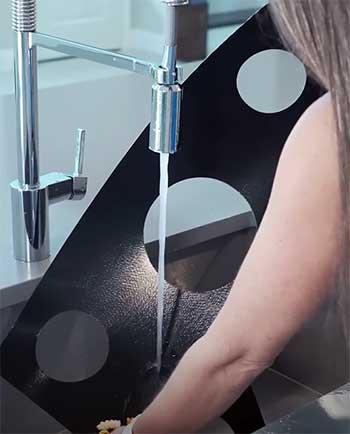
- Thickness and build quality — StoveShield consistently uses a thicker material (around 0.5mm to 0.6mm), which feels sturdier and resists tears from heavy pots or accidental scrapes. StoveGuard varies by model—its Lite version is thinner (about 0.25mm-0.3mm), while Premium and Pro step up in rigidity, but even the top tiers don’t always match StoveShield’s uniform heaviness.
- Shipping and initial shape — StoveShield ships completely flat in a box, arriving ready to lay perfectly without any curling edges. Many StoveGuard users (including lighter models I’ve tried) report rolled packaging that can cause temporary or permanent warping until it settles under grates.
- Model variety and upgrade path — StoveGuard shines with multiple tiers (Lite for basic, Premium for everyday, Pro for heavy-duty), letting you start affordable and upgrade later. StoveShield keeps it simpler with one primary premium-thickness option focused on out-of-box durability.
- Material feel and non-stick properties — StoveShield’s PTFE-coated fiberglass gives a slicker, more forgiving wipe-clean surface that handles sticky sauces better without soaking. StoveGuard’s silicone-rubber blend feels more flexible and grippy but sometimes needs a quick soak for tougher residues.
- Fit and contouring — Both offer laser-precision custom cuts, but StoveGuard’s higher models (especially Pro) contour more tightly around raised edges and controls on complex stoves. StoveShield prioritizes flat, thick coverage that excels on standard layouts but might feel slightly less hugged on curved designs.
- Pricing and value perception — StoveGuard’s tiered pricing means you can enter lower but pay more for top durability; StoveShield often feels like better immediate value with its consistent thickness and frequent bundle deals.
- Long-term warping resistance — Thanks to thickness and flat shipping, StoveShield tends to stay flatter over time. StoveGuard’s reinforced higher models hold shape well, but lighter ones can lift at edges if not weighted properly.
- Cleaning routine — StoveShield wipes down fastest due to its coating; StoveGuard (especially Premium/Pro) handles deeper soaks or dishwasher cycles better without degrading.
- Warranty and support highlights — StoveGuard offers longer guarantees on premium lines (up to 1 year on some); StoveShield emphasizes responsive support and satisfaction promises.
- User community feedback — StoveGuard has more long-term reviews across tiers; StoveShield gains traction for solving common complaints like thinness and curling in competitors.
These differences often come down to your cooking intensity—if you want options and potential upgrades, StoveGuard fits; if you prefer thick-and-ready reliability from day one, StoveShield pulls ahead.
Also Read: Comparison of Drolet HT-2000 And HT-3000 Wood Stoves.
Key Features of StoveGuard
StoveGuard stands out with its tiered lineup, letting you choose based on how intensely you cook. Here’s what I’ve found makes it unique:
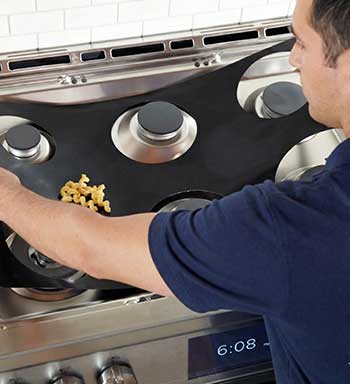
- Custom precision cutting that matches your exact stove model, ensuring holes align perfectly with burners and grates.
- Multiple material strengths across models, from lightweight flexible to rigid heavy-duty options.
- Heat-resistant silicone-rubber blend that handles daily high-heat cooking without warping.
- Easy installation—you just lay it down and adjust slightly if needed.
- Non-stick surface that releases most messes with a simple wipe.
- Made entirely in the USA with food-grade materials free of harmful chemicals.
- Reinforced edges on higher models to prevent curling or lifting over time.
- Options for added grip in certain versions to keep pots stable.
- Contoured designs in premium tiers that hug the stove’s curves for better coverage.
- Washable in the sink or even dishwasher-safe on gentle cycles for some models.
- Long-term durability that holds shape after hundreds of uses.
- Availability for a wide range of brands, including less common RV stoves.
I appreciate how StoveGuard lets you scale up—if you’re a casual cook, start basic; if you fry often, go for the tougher versions.
Pros of StoveGuard
I’ve grown to appreciate StoveGuard for its thoughtful range of options that suit different kitchens. Here’s a deeper look at what makes it strong, based on my hands-on time and tons of user stories:
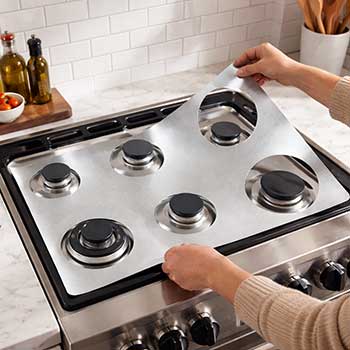
- Precise custom fitting that feels factory-made, with cutouts aligning perfectly to burners, grates, and controls—no gaps for spills to sneak under.
- Tiered models let you match exactly to your needs: Lite for light use, Premium for daily cooking, Pro for intense sessions without worrying about wear.
- Excellent longevity in higher models—many users report years of shape retention and stain resistance even with frequent frying.
- Flexible material (especially in lighter versions) makes removal, storage, and reinstallation effortless when deep-cleaning the stove.
- Reduces the need for harsh cleaners since most messes lift off easily, keeping both the protector and underlying stove pristine.
- Protects high-end stove finishes from permanent scratches, burns, or discoloration over time.
- Safe and reliable around open gas flames with generous clearance in cutouts.
- Proudly USA-made with consistent quality control and food-safe materials.
- Higher tiers handle extreme heat from power burners without melting, bubbling, or off-gassing.
- Minor trimming allowed if your stove has unique variations for an even better fit.
- Indirectly lowers grease buildup risks by catching everything on top.
- Works across gas, electric coil, glass-top variants, and even RV stoves.
- Strong long-term user testimonials showing minimal degradation after hundreds of cooks.
- Creates a noticeably cleaner cooking routine, especially for families with kids splashing sauces everywhere.
- Reinforced edges on Premium/Pro prevent lifting or curling in humid kitchens.
- Versatile cleaning—wipe daily, soak weekly, or gentle dishwasher for thorough refreshes.
- Builds confidence knowing you can upgrade tiers without switching brands.
For anyone who cooks variably or wants to start basic and scale up, these pros make StoveGuard feel like a personalized kitchen upgrade.
Cons of StoveGuard
It’s not flawless, and I’ve hit some of these limitations myself or seen them echoed widely:

- Premium and Pro models carry a higher price tag that can feel steep compared to one-size competitors.
- Thinner Lite version prone to tears or punctures if you drag heavy cast-iron across it roughly.
- Requires very accurate model selection during ordering—one mistake means remake fees or poor coverage.
- Rolled shipping can cause initial curling, especially on lighter models, needing time under grates to flatten.
- Not fully fireproof—direct prolonged flame contact (like a boil-over) can damage it.
- Some residues require soaking rather than instant wipes, adding a step to cleanup.
- Limited aesthetic choices—mostly functional black or clear, no fun patterns.
- Custom production means longer wait times versus in-stock alternatives.
- Heavier Pro model less flexible, making precise placement trickier initially.
- No aggressive bundle discounts like some rivals.
- Possible faint new-material smell during first few high-heat uses.
- Doesn’t include oven liners (sold separately).
- Higher cost might not justify for very occasional cooks.
- Cutouts demand careful alignment to avoid interfering with knob access.
- Extreme long-term heat exposure can eventually cause slight discoloration or softening.
- Some users find the surface less slick than coated competitors for super-sticky messes.
- Occasional reports of edges lifting in very steamy environments without reinforcement.
These drawbacks are often mitigated by choosing the right tier, but they’re worth weighing if budget or simplicity matters most.
Also Read: Comparison of Blaze King And LOPI Stove.
Key Features of StoveShield
StoveShield focuses on straightforward, thick protection with fewer tiers but strong emphasis on durability:
- Thicker construction that resists tears and heavy splatters better than thinner competitors.
- PTFE non-stick coating for effortless cleanup—even sticky sauces slide off.
- Heat resistance rated clearly up to 500°F, giving peace of mind with high flames.
- Custom cuts for popular stove models, ensuring burner alignment.
- Quick flat installation that stays put without adhesives.
- Bundle deals that make stocking up or gifting affordable.
- Heavy-duty feel despite being flexible enough to ship flat.
- Side coverage that prevents spills from running underneath.
- Universal oven liners as complementary products.
- Strong customer support with fast responses to fit questions.
- Consistent thickness across their main line for reliable performance.
- Family-owned USA production with attention to quality control.
StoveShield feels like the no-nonsense choice when you want something sturdy right out of the box.
Pros of StoveShield
StoveShield impressed me with its straightforward, robust approach—here’s why it earns loyal fans:
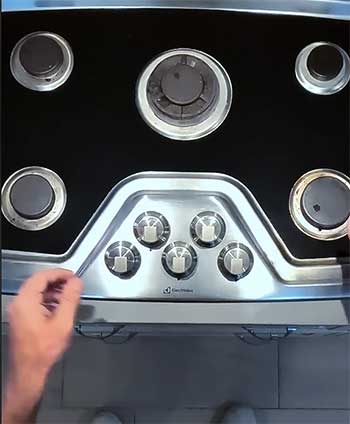
- Uniform premium thickness (0.5-0.6mm) delivers heavy-duty feel and tear resistance right away.
- Superior non-stick PTFE coating makes even caramelized sugars or oily splatters wipe off in seconds.
- Flat shipping prevents any arrival warping—lays perfectly flat from day one.
- Competitive pricing with frequent promotions and multi-buy deals for better value.
- Clear high heat tolerance suitable for intense gas cooking without deformation.
- Sturdy construction inspires immediate trust for messy or heavy-use kitchens.
- Excellent side-spill containment due to thicker, less flexible material.
- Complementary heavy-duty oven liners available for full-range protection.
- Quick production and shipping on popular models.
- Minimal daily maintenance—fastest wipe-clean I’ve experienced.
- Strong resistance to staining from tomato sauces, oils, or curries.
- Family-owned business with responsive, helpful customer service.
- Consistent thickness and quality across every unit.
- Affordable entry into thick custom protection without tier confusion.
- Noticeably reduces underlying stove wear and baked-on buildup.
- Positive reviews highlighting better durability than thinner rolled competitors.
- Easy flat storage when removed for stove deep-cleans.
- Ships ready-to-use with minimal adjustment needed.
It’s the pros list that appeals when you want reliable, thick protection without fuss or future upgrades.
Cons of StoveShield
Even the stronger contender has trade-offs I’ve noticed:
- Single primary thickness limits options—if you want lighter/flexible or ultra-rigid, you’re stuck.
- PTFE coating can wear over years with abrasive sponges or metal utensils.
- Less advanced contouring on highly curved or raised stove designs.
- Promotion-heavy pricing can feel like you’re pushed toward bundles.
- Thicker material less forgiving for tight storage spaces.
- Rare minor slippage reports on very slick stove surfaces without added grip.
- Coverage focused on popular models—fewer options for obscure or older stoves.
- Shorter highlighted warranties compared to some tiered competitors.
- Heavier overall feel during initial unboxing and placement.
- Very sticky residues occasionally need light soaking despite non-stick claims.
- No built-in grip enhancements for pot stability.
- Basic color/style selection without variety.
- Still vulnerable to direct flame mishaps like any protector.
- Fewer years of accumulated long-term reviews versus more established brands.
- Careful unboxing required to maintain perfect flatness.
- Slightly higher price justification needed if your cooking is light.
These cons rarely deter heavy users, but they explain why some prefer tiered alternatives.
Also Read: Alternatives To Solo Stove Shield.
Frequently Asked Questions (FAQ)
StoveGuard typically refers to the standard or Lite model, while Premium is thicker, more rigid, and reinforced for heavier daily use with better longevity.
Yes, both brands design their protectors with precise burner cutouts to allow safe flame operation and heat flow on gas stoves.
No, it’s highly heat-resistant but not fireproof—avoid direct flame contact or prolonged extreme exposure.
It covers the stovetop to catch spills, splatters, and drips, preventing baked-on messes and making cleanup quick and easy.
Final Thoughts
After weighing everything, I lean toward StoveGuard when I want options to upgrade over time—starting with Premium gives lasting peace without constant replacements.
But if budget matters and you cook messily, StoveShield’s thickness at a lower price delivers immediate satisfaction. Both transform stove maintenance dramatically; you can’t go wrong picking based on your priorities.
You deserve a kitchen that stays clean without endless effort. Whichever you choose, you’ll wonder how you ever lived without this kind of protection. I’ve seen it change cooking from chore to joy—give one a try, and you’ll feel the same relief I did.