
Spindrift and LaCroix both deliver fizzy refreshment without the sugar crash of soda, yet they approach flavor in completely different ways.
I have rotated through cases of each over the past couple of years while trying to upgrade my daily hydration. One leans on actual squeezed fruit for taste.
The other relies on light natural essences. This comparison lays out how the two stack up on ingredients, flavor impact, calories, value, and real-world use so you can pick the one that fits your routine and preferences.
| Aspect | Spindrift | LaCroix |
| Core Ingredients | Carbonated water + real squeezed fruit juice (plus citric acid or fruit extract in some flavors) | Carbonated water + natural flavors/essences |
| Calories per 12 oz can | 2–17 (from fruit) | 0 |
| Sugar | 0–4 g natural from juice | 0 g |
| Flavor Style | Bold, authentic fruit taste with body and slight cloudiness | Subtle aroma, light and clean, can taste thin |
| Mouthfeel | Juicier, slight pulp possible | Crisp, clear, very light |
| Typical Price per Can | $0.55–$0.85 (often on sale) | $0.50–$0.75 |
| Best For | People who want real fruit satisfaction | People who want zero calories and minimal taste |
Key Differences Between Spindrift And LaCroix
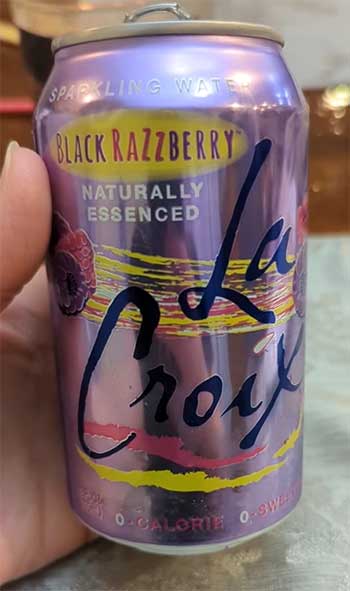
- Real Fruit Juice vs Natural Flavors Spindrift actually squeezes fruit and puts that juice straight into the can. A single can might contain the equivalent of a few berries or a wedge of citrus, enough to deliver genuine flavor compounds that your tongue recognizes immediately. The liquid often carries a faint natural color and, in some batches, tiny fruit particles. That small addition creates a rounder, juicier mouthfeel that feels closer to drinking something made from food rather than something flavored in a lab. LaCroix keeps everything crystal clear by using only essences extracted from fruit oils. Those essences create aroma more than full flavor, so the drink smells pleasant but can taste faint or even slightly perfumey once the bubbles hit your palate. Side-by-side tastings show the gap clearly: Spindrift grapefruit carries the bitter-sweet edge and pulp texture of real fruit, while LaCroix pamplemousse stays lighter and more one-note. For anyone tired of chasing flavor with multiple cans, the real-juice route in Spindrift usually wins because it satisfies with one serving.
- Calorie and Sugar Trade-Off Spindrift carries a small number of calories and natural sugars that come directly from the fruit itself. Most flavors land between 3 and 15 calories with under 4 grams of sugar. That amount is tiny—less than what you get from a single strawberry—but it is enough to register on strict tracking apps. LaCroix sits at absolute zero across the board. If you follow keto, intermittent fasting, or very precise macro counting, the zero profile removes any mental math. For general daily drinking and overall wellness, the trace sugars in Spindrift come packaged with the same plant compounds found in whole fruit. They do not spike blood sugar the way added sugars do, and many people find the slight sweetness helps them drink more water throughout the day instead of reaching for something else. The practical difference shows up more in how satisfied you feel than in any measurable health impact for most users.
- Ingredient Transparency and Scrutiny Spindrift built its reputation on listing specific fruits on every can and even noting how many berries or slices go into a multipack. That level of detail feels honest until you notice citric acid listed on some varieties for freshness. A 2023 class-action claim argued that the presence of manufactured citric acid contradicted earlier “just fruit and water” marketing language on certain cans. The case was voluntarily dropped a few months later, and Spindrift continues to emphasize real juice as the primary flavor driver. LaCroix has faced its own questions over the years about what exactly sits inside the broad “natural flavors” category. Lawsuits alleged possible synthetic compounds, though the company maintained everything came from natural plant sources and the cases ultimately ended without major rulings against them. Both brands operate in a space where vague flavor language gets challenged. Spindrift’s shift toward verifiable fruit content gives it a slight edge in perceived cleanliness for people who read every label.
- Flavor Strength and Aftertaste Spindrift delivers a fuller flavor that lingers without turning artificial. The real juice carries the complete set of taste notes—sweet, tart, bitter, and aromatic—that appear together in actual fruit. You taste the grapefruit pith or the pineapple core instead of just a suggestion of it. LaCroix aims for restraint. Some people love that subtlety because it refreshes without fatigue during long workdays or workouts. Others find the lighter profile leaves them wanting more or noticing a faint soapy or chemical edge once the initial aroma fades. Personal testing over months showed that Spindrift kept me reaching for another can because the taste stayed interesting. LaCroix worked best when I wanted something almost neutral that would not compete with food.
- Price, Packs, and Practical Value Both brands sit in the same general price range once you factor in sales and multipacks. Spindrift often appears in 8- or 12-packs at warehouse clubs and goes on deeper discount more frequently in my experience. LaCroix shows up everywhere in classic 12-packs and tends to maintain steadier everyday pricing. Availability favors LaCroix in smaller convenience stores, while Spindrift has expanded into most major grocers. Over a month of regular use the cost difference stays small unless you catch Spindrift on a strong sale. The value question then shifts to enjoyment per can: if you finish more of a flavorful drink and waste fewer half-drunk cans, the slightly higher ticket price on Spindrift can still feel like the smarter buy.
Also Read: Is Piurify Hydrogen Water Bottle Worth It?
Key Features of Spindrift
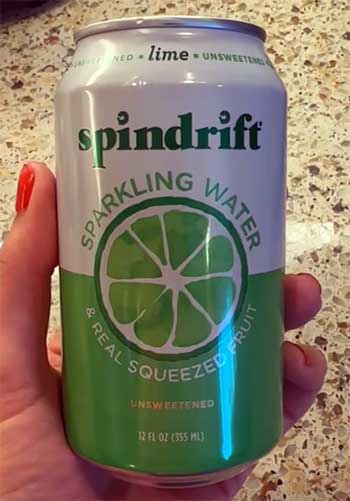
- Authentic Fruit Flavor from Real Squeezed Juice Every flavor starts with actual fruit that has been squeezed rather than recreated through compounded essences. This produces a taste that matches the fruit named on the label instead of approximating it. The result feels brighter and more complete, especially in citrus and berry varieties where the natural oils and sugars interact with the bubbles.
- Low but Meaningful Calorie Count with Natural Sweetness The 2–17 calories per can come entirely from fruit. That small amount adds just enough roundness to make the drink feel like a treat without pushing it into soda territory. Many flavors stay under 10 calories, so the impact on daily totals remains minimal while still delivering satisfaction.
- Clear Labeling and Fruit Transparency Cans list the specific juices used and often note the quantity of fruit involved. This approach removes guesswork and lets you know exactly what contributes to the flavor and color you see in the glass.
- Light Carbonation That Pairs Well with Meals The bubbles stay present without becoming aggressive. The lighter fizz combines nicely with food rather than clearing the palate too forcefully, making Spindrift easy to drink alongside lunch or dinner.
- Occasional Slight Cloudiness or Pulp Real juice introduces tiny particles and a soft haze in some flavors. This visual cue reinforces that the product contains actual fruit matter rather than just flavoring.
- Expanding but Still Focused Flavor Range Core options such as Lemon, Lime, Grapefruit, Raspberry Lime, and Orange Mango cover most preferences. Newer or seasonal releases appear without flooding the lineup, keeping quality control tighter.
Pros of Spindrift
- Superior Real-Fruit Taste That Satisfies The juice delivers layered flavor instead of a single-note aroma. After drinking both brands regularly, the difference in how complete each sip feels becomes obvious. Spindrift rarely leaves you wanting a second flavor to chase the first one.
- Aligns with Whole-Food Preferences Using actual squeezed fruit keeps the ingredient list closer to something you could make at home. That alignment matters if you already prioritize minimally processed foods in other parts of your diet.
- Trace Nutrients from Real Fruit Although the quantities are small, the juice carries natural plant compounds that flavor essences alone cannot provide. Over many cans those traces add up in a way zero-calorie alternatives do not.
- Better Mixer Potential The bolder profile stands up when you add a splash of something else or use the drink as a base for simple mocktails without overpowering everything.
- Often Better Value on Sale Multipack discounts at warehouse stores and frequent grocery promotions can bring the per-can cost below LaCroix during good weeks, improving the economics without sacrificing quality.
- Encourages Higher Water Intake Because the taste stays interesting, many people find themselves finishing more cans and staying better hydrated compared with blander options that get set aside.
Cons of Spindrift
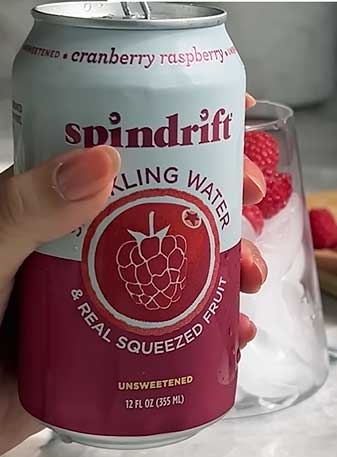
- Not Zero Calorie or Sugar The small natural sugar content disqualifies it for strict zero-carb or fasting windows where even a few grams matter. Some people simply prefer seeing 0 g on every label.
- Possible Sediment or Cloudiness Real juice particles can settle or create a light haze. While harmless, the look surprises anyone expecting perfectly clear liquid every time.
- Citric Acid in Select Flavors A few varieties include added citric acid for shelf stability. Purists who want zero additives beyond fruit and water may view this as a step away from the cleanest possible formula.
- Slightly Higher Regular Price Without sales, Spindrift can cost a few cents more per can than basic LaCroix multipacks, which adds up over large households or heavy daily use.
- Some Flavors Discontinued Real fruit does not always translate well at scale. Watermelon and a couple of other experiments were dropped because the natural flavor came across too subtle for most drinkers.
- Availability Can Vary by Region While expanding, Spindrift still appears less consistently in small stores or rural areas compared with the more ubiquitous LaCroix.
Key Features of LaCroix
- Absolute Zero Calorie and Sugar Profile Nothing registers on nutrition labels beyond carbonated water and flavor. This makes the drink suitable for any protocol that treats even small amounts of natural sugar as off-limits.
- Extremely Subtle and Varied Flavor Options The range includes both everyday choices and limited or fun editions. The light touch lets you rotate through many flavors without palate burnout.
- Crystal-Clear Appearance No sediment or color from fruit matter means every pour looks clean and consistent, which some people prefer for visual appeal or mixing with other beverages.
- Widely Available in Multiple Pack Sizes You can find LaCroix in single cans, 12-packs, and larger cases at nearly every grocery and convenience location, reducing the chance of running out.
- Crisp, Clean Finish The carbonation and light essence create a sharp, refreshing close that many describe as spa-like or palate-cleansing.
Pros of LaCroix

- Truly Zero Impact on Calories and Macros The complete absence of sugar and calories removes any tracking concerns and works for every dietary approach without adjustment.
- Light Flavor That Refreshes Without Fatigue The subtle essences allow all-day sipping without the flavor becoming cloying or repetitive. This quality suits people who want hydration more than a strong taste experience.
- Excellent Everyday Affordability and Access Steady pricing and near-universal availability mean you can restock easily without planning or hunting for deals.
- Clean Visual Presentation Crystal-clear liquid looks polished in a glass and mixes cleanly with anything else you might add.
- Wide Flavor Experimentation Limited editions and core options give variety without requiring you to commit to bold profiles you might not enjoy every day.
Cons of LaCroix
- Flavor Can Feel Thin or Artificial to Some Many drinkers notice that the aroma promises more than the actual taste delivers. The finish sometimes carries a faint chemical or soapy note that real fruit avoids.
- Past Questions About Natural Flavor Sources Although cases resolved, the broad “natural flavors” term still leaves room for doubt about exactly what creates each taste. That uncertainty bothers label readers.
- Less Satisfying for Fruit Cravings When you want something that tastes like actual grapefruit or berry, the light essence often falls short and leaves you reaching for a second can or something else entirely.
- Potential for Palate Boredom The very subtlety that makes it easy to drink can also make it easy to ignore. Some people cycle through LaCroix quickly and then want stronger options again.
- Brand Perception Shifted After Controversies Sales momentum slowed as consumers moved toward brands advertising more transparent or real-ingredient approaches. That history can affect how trustworthy the label feels today.
Also Read: Top SodaStream Alternatives.
Frequently Asked Questions (FAQ)
LaCroix has zero calories and sugar. Spindrift uses real fruit juice with only trace natural sugars, giving it an edge for natural ingredients.
A 2023 lawsuit claimed some flavors contained manufactured citric acid not fully disclosed in early marketing. The case was voluntarily dismissed months later.
Yes. It uses carbonated water and real squeezed fruit with very low calories and no added sugar. Citric acid in some varieties is a common safe preservative.
Real squeezed fruit delivers full, authentic flavor compounds. LaCroix’s lighter natural essences often taste subtler or thinner by comparison.
Final Thoughts
After testing both brands across seasons and routines, Spindrift has become my default choice on most days. The real fruit delivers noticeably better flavor and a small sense of eating something closer to whole food, all while keeping calories low enough that they rarely register.
LaCroix still earns a spot in the fridge when I want absolute zero impact or when I need something extremely light that will not compete with a meal.
You probably already know whether you lean toward bold taste or strict minimalism. If real fruit and a juicier sip matter more to you, start with Spindrift multipacks and rotate flavors until you find favorites.
If zero calories and easy availability sit at the top of your list, LaCroix will keep things simple and consistent. Either option improves on soda or juice boxes, so the real win is simply drinking more water in a form you actually enjoy finishing.