
If you own a yard that demands reliable performance without constant headaches, you need to buy a Snapper Lawn Mower.
I have spent seasons pushing, riding, and testing different machines, and Snapper stands out for its tough build, clean cuts, and ability to handle real-life grass conditions. You will finish mowing faster and enjoy the results longer when you choose this brand.
My Experience With Snapper Lawn Mowers
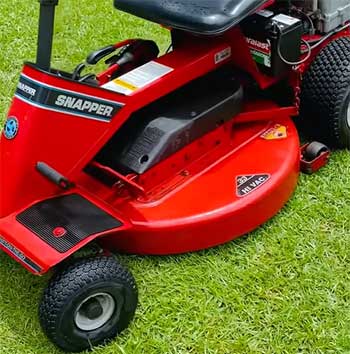
I remember the first time I fired up my Snapper riding mower on a humid Saturday morning.
The engine caught quickly, and I eased onto the seat feeling ready for my half-acre lot.
Within minutes I noticed how smoothly the transmission responded as I navigated around flower beds and under low tree branches.
The deck felt solid beneath me, and the cut came out even without patchy spots that I had battled with my previous machine.
Over the next few mowing seasons I put hundreds of hours on that model. One particularly thick spring growth tested it hard, yet the blades powered through without bogging down. I appreciated the comfortable ride that kept my back from aching after an hour.
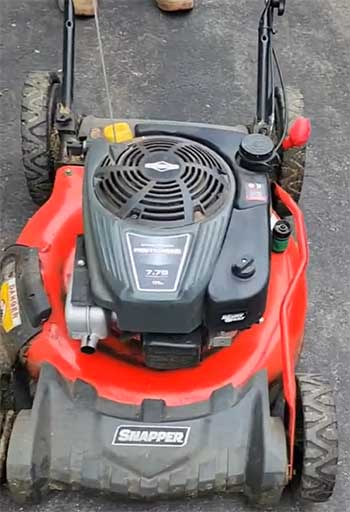
When I switched to a self-propelled walk-behind Snapper for tighter areas, the variable speed control let me adjust pace easily on slopes. The battery version surprised me with quiet operation and enough runtime to finish the front yard before needing a recharge.
You know that satisfying feeling when the lawn looks manicured and healthy? Snapper delivers that consistently. I have dealt with wet grass, dry patches, and occasional sticks or acorns, and the mower kept performing.
Minor adjustments like blade sharpening became routine rather than emergencies. The machine never left me stranded mid-job, which built real confidence. Friends who borrowed it commented on the sturdy feel and easy handling compared to what they used at home.
After several years the original Snapper still runs strong with basic care, proving its longevity in everyday use.
Pros of Snapper Lawn Mowers
- You gain durable construction that withstands years of regular use without falling apart because the heavy-duty steel decks and reinforced frames resist dents, rust, and everyday impacts that quickly wear down lighter machines.
- Clean and even cutting performance leaves your grass looking neat and promotes healthier growth since the precision-engineered blades and powerful deck airflow create a beautiful finish that reduces clumping and helps your lawn recover faster after each mowing session.
- Easy maneuverability helps you tackle obstacles and uneven terrain without frustration as the responsive steering and well-balanced weight distribution let you glide around flower beds, trees, and tight corners with confidence instead of fighting the machine.
- Reliable engines and transmissions deliver consistent power when you need it most, giving you the torque to power through thick, wet grass or tall weeds without bogging down or forcing you to make multiple passes over the same spot.
- Comfortable design reduces fatigue so you actually enjoy yard work instead of dreading it, thanks to ergonomic handles on walk-behind models and supportive seats with vibration dampening on riding versions that keep your body feeling good even after an hour or more.
- Good mulching and bagging options give you flexibility for different lawn conditions, allowing you to recycle nutrients back into the soil on dry days or collect clippings neatly when you want a pristine look without extra cleanup time.
- Straightforward operation makes it accessible whether you are a beginner or experienced user because intuitive controls, simple starting procedures, and clear instructions mean you spend less time figuring things out and more time getting the job done right.
These strengths make Snapper feel like a trusted partner in your weekend routine. I often tell neighbors that once you experience the solid feedback from the controls and the quality of the finished lawn, you understand why so many people stick with this brand.
Cons of Snapper Lawn Mowers
- Some models come with a higher upfront cost that might stretch your budget initially, especially when you compare them side by side with basic big-box options that look similar on paper but lack the same heavy-duty materials underneath.
- Availability of certain parts can vary depending on where you live and the specific model year, meaning you may need to order online or wait a few days instead of walking into the nearest store for an immediate fix during peak mowing season.
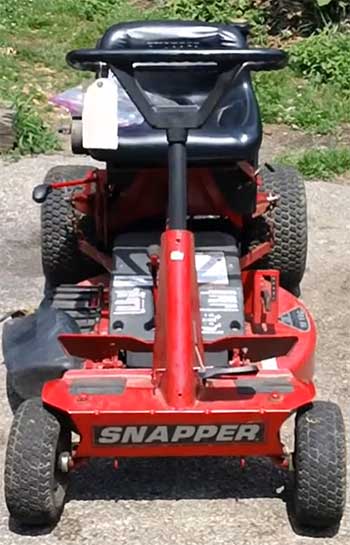
- Heavier weight on riding versions requires careful storage and transport planning so you avoid strain when moving the machine in and out of a shed or trailer, particularly if you work alone or have limited space.
- Battery runtimes on cordless models may limit coverage for very large properties without extra batteries, forcing you to pause and swap power sources midway through if your yard exceeds what a single charge can comfortably handle.
- Occasional need for belt adjustments if you push the machine hard on rough ground or slopes, which adds a small maintenance step that some users might find annoying compared to set-it-and-forget-it designs.
I have encountered these drawbacks myself, yet they rarely outweighed the overall satisfaction. You learn to plan around them, and the long-term savings from fewer repairs often balance the initial investment.
Maintenance Tips For Snapper Lawn Mowers
- Check and change the oil regularly to keep the engine running smoothly and prevent costly damage because fresh oil reduces friction, keeps internal parts cool, and extends the life of your motor far beyond what neglected oil can achieve.
- Clean the deck after every use to stop grass buildup that affects cutting quality and airflow since wet clippings left behind can harden into a thick layer that blocks proper discharge and leads to uneven cuts or overheating.
- Sharpen or replace blades at the start of each season for the best possible cut and reduced strain on the motor because dull blades tear grass instead of slicing it cleanly, which stresses the engine and leaves your lawn looking ragged and vulnerable to disease.
- Inspect belts and cables before heavy mowing periods to catch wear early and avoid breakdowns as frayed belts can snap at the worst moment, while loose cables reduce control and safety during operation.
- Keep air filters clean or replace them as needed so the engine breathes properly and maintains power because a clogged filter restricts airflow, causing the engine to work harder, lose efficiency, and potentially overheat on hot days.
- Wash the underside with a hose when possible to remove debris and reduce corrosion over time, making sure you tilt the mower safely and let everything dry completely before storage to prevent rust from forming on metal surfaces.
- Store the mower in a dry place during off-season months and add fuel stabilizer if leaving gas in the tank because moisture and old fuel are the biggest enemies of small engines, leading to gummed-up carburetors and starting problems in spring.
- Lubricate moving parts according to the manual to ensure everything operates quietly and efficiently since proper grease on wheels, pivots, and linkages prevents squeaks, reduces wear, and keeps the entire machine feeling smooth and responsive.
Following these steps has kept my Snapper performing like new. You will notice the difference in reliability when you stay on top of simple routines. I make it a habit to spend thirty minutes after mowing to clean and inspect, which saves hours of troubleshooting later.
Comparing Snapper Lawn Mower With Other Brands
- Snapper Lawn Mower Comparison With John Deere S240
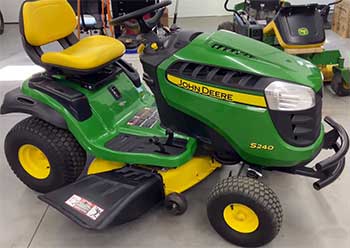
When I lined up my Snapper riding mower against the John Deere S240 on the same stretch of yard, the differences showed up right away.
You will feel the Snapper’s lighter steering and quicker response as you weave between trees and garden beds.
The S240 offers a smooth hydrostatic transmission and comfortable seat, yet I found the Snapper easier to maneuver in tight spots without feeling bulky.
Cutting performance stayed close between both machines, but Snapper delivered a slightly cleaner finish on uneven ground thanks to its deck design.
Price-wise, you often save a noticeable amount with Snapper while still getting solid reliability that matches everyday needs. The John Deere S240 shines with premium dealer support and that signature green styling, but if you want straightforward power without extra cost, Snapper feels like the smarter everyday choice for most homeowners.
- Snapper Lawn Mower Comparison With Husqvarna MZ54 Zero-Turn Mower
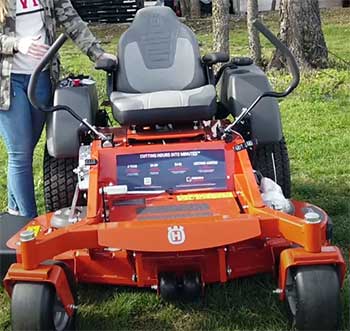
I spent a full afternoon testing the Snapper side-by-side with the Husqvarna MZ54 zero-turn on a larger property.
You immediately notice the MZ54’s blazing speed and tight turning radius that lets you finish wide open areas faster.
However, the Snapper gave me better control and stability on slopes and around obstacles where the zero-turn sometimes felt twitchy at higher speeds.
The cut quality from both was excellent, yet Snapper’s deck held up better when I hit hidden roots or thick patches without scalping.
Comfort differed too – the Husqvarna’s suspension seat is plush, but Snapper’s simpler design kept me fresh without extra vibration. You pay more for the Husqvarna’s commercial-grade features, while Snapper delivers dependable residential performance at a friendlier price.
If your yard has many obstacles and slopes, you might prefer Snapper’s balanced handling over the pure speed of the MZ54.
- Snapper Lawn Mower Comparison With John Deere Z530R
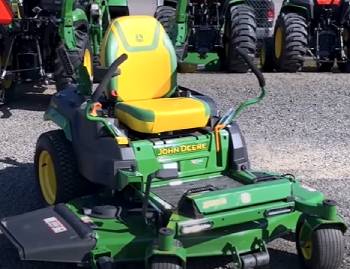
Putting the Snapper against the John Deere Z530R zero-turn revealed clear personality differences.
You get impressive cutting width and power from the Z530R that makes quick work of big lawns, but I found the Snapper more forgiving on bumpy terrain and easier to store in a standard garage.
The Z530R’s high-back seat and armrests feel luxurious during long sessions, yet Snapper’s responsive controls let me navigate tighter spaces without constant adjustments. Both machines mulched and bagged well, but Snapper required fewer belt tweaks over the season.
Price stands out here – you can often bring home a capable Snapper for hundreds less than the Z530R while still enjoying reliable performance. If you value premium comfort and brand prestige, the John Deere Z530R wins, but for practical, no-nonsense mowing that gets the job done efficiently, Snapper holds its own remarkably well.
- Snapper Lawn Mower Comparison With John Deere 1025R
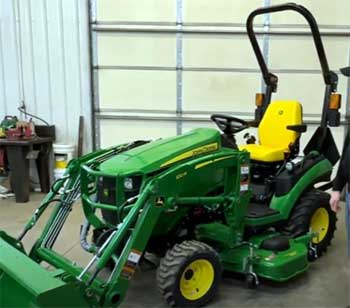
Comparing my Snapper to the compact John Deere 1025R tractor-style mower highlighted different strengths for different users.
You will appreciate the 1025R’s versatility with loader and backhoe attachments if you have extra property tasks beyond mowing.
However, for pure lawn care, the Snapper felt lighter, more agile, and less intimidating to operate on a weekly basis.
The 1025R’s diesel-like power and three-point hitch give it serious capability, yet Snapper’s dedicated mower deck produced a cleaner, more consistent cut on grass without the extra weight affecting traction on wet days.
Maintenance access proved simpler on the Snapper, with fewer grease points to remember. Budget plays a big role too – the John Deere 1025R commands a premium price for its multi-use design, while Snapper gives you focused mowing excellence at a more accessible cost.
If your needs stay mostly with lawn maintenance, you will likely feel happier and save money choosing Snapper over the more complex 1025R.
These direct head-to-head experiences helped me see that Snapper often punches above its weight. You get durable performance that competes with bigger names without the higher price tag or added complexity that some models bring. I keep returning to Snapper because it matches my real-world yard needs perfectly while leaving room in the budget for other projects.
Frequently Asked Questions (FAQ)
Yes, they offer solid construction and reliable performance with proper care.
Snapper did not fully go out of business; production shifted and the brand returned under new licensing in 2025.
Popular options include Ego Power+ models, Toro Recycler, Ryobi 40V, Greenworks cordless, and select John Deere tractors.
Daye North America currently licenses and produces Snapper products following agreements with Briggs & Stratton.
Final Thoughts
You have read my honest take after years of actual use. Snapper lawn mowers earn their reputation through tough performance and satisfying results that make yard work less of a chore. I keep coming back to them because they deliver consistently without drama.
If you want a mower that feels like a smart, long-term investment for your lawn, give Snapper serious consideration. You will thank yourself every time you see that clean, healthy grass and know your machine is ready for the next job.