
I’ve worked with wastewater setups on residential properties for over a decade, and the choice between a sewage pump and a grinder pump keeps coming up as one of the most practical decisions homeowners face.
This piece walks you through exactly how these two systems differ in real daily use so you can match the right pump to your layout, distance needs, and solid-waste load without second-guessing later.
| Feature | Sewage Pump | Grinder Pump |
| Solids Handling | Passes solids up to 2 inches | Grinds solids into fine slurry |
| Typical Head/Pressure | Moderate (10-25 feet) | High (up to 100+ feet) |
| Pipe Size Requirement | 2-inch or larger | 1.25-inch or 1.5-inch common |
| Noise Level | Moderate during operation | Higher during grinding cycle |
| Power Draw | Lower average | Higher during grind |
| Best For | Short runs, gravity-assist systems | Long horizontal runs or uphill lift |
| Maintenance Focus | Impeller checks, clog prevention | Cutter assembly sharpening/replacement |
| Upfront Cost Range | Lower | Higher |
| Failure Mode Risk | Clogs from oversized solids | Cutter wear or jamming on hard objects |
Key Differences Between Sewage Pumps and Grinder Pumps
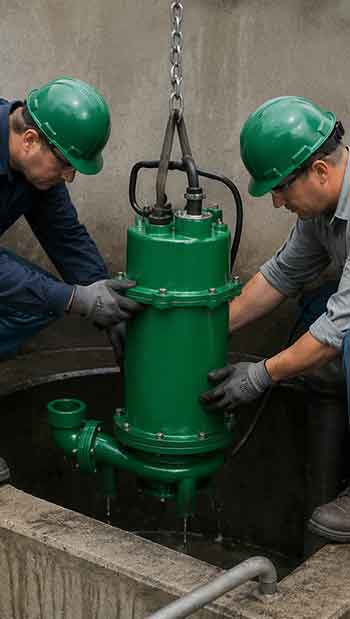
- Solids management approach A sewage pump simply passes solids of limited size. The impeller openings are cut large enough for two-inch diameter objects in many residential models. A grinder pump actively destroys those solids. The difference shows up the moment something larger than expected enters the system. With a sewage pump the oversized item may lodge against the impeller and stop flow. With a grinder the same item is reduced until it can travel through a narrow discharge line.
- Required discharge pipe diameter Sewage pumps almost always need two-inch or larger pipe so the intact solids have room to move. Grinder pumps routinely work with 1.25-inch or 1.5-inch lines because the slurry flows more easily. That smaller pipe lowers material cost and makes routing through tight crawl spaces or under driveways simpler.
- Vertical lift and horizontal distance capability Sewage pumps deliver moderate head, typically enough for a one-story rise and a short horizontal run. Grinder pumps generate higher pressure and can move the slurry hundreds of feet horizontally or up significant grades. On a sloped lot I have measured head requirements that exceeded forty feet; only the grinder models handled that without staging multiple pumps.
- Energy consumption pattern Sewage pumps draw less current during each cycle because they do not perform the extra mechanical work of grinding. Grinder pumps spike higher while the cutters spin, then settle to a lower running load once the solids are reduced. Over a year the total kilowatt-hours can favor the sewage pump if the site allows it.
- Noise and vibration signature The grinding process produces a distinct grinding sound and more vibration transmitted through the basin. Sewage pumps produce a smoother humming noise. In a finished basement the difference is noticeable enough that some owners prefer the quieter sewage option when both systems are otherwise viable.
- Sensitivity to non-flushable items Both pumps dislike hard plastics, feminine products, and flushable wipes marketed as safe. A sewage pump may clog outright. A grinder may chew the item for a while and then jam when the cutters wrap. In either case the clean-out process is messy, but the grinder’s jammed cutter usually requires more specialized tools to free.
- Basin and float switch configuration Sewage systems often use larger-diameter basins so the pump has room to pass solids. Grinder systems can sit in narrower basins because the grinding happens early. Float switch placement still matters for both; short cycling destroys either motor over time.
- Long-term wear points Sewage pump wear concentrates on the impeller vanes and shaft seal. Grinder pump wear concentrates on the cutter teeth and the bearings that support the high-torque grind cycle. Replacement parts for cutters arrive more frequently in service records I keep.
Key Features of Sewage Pumps
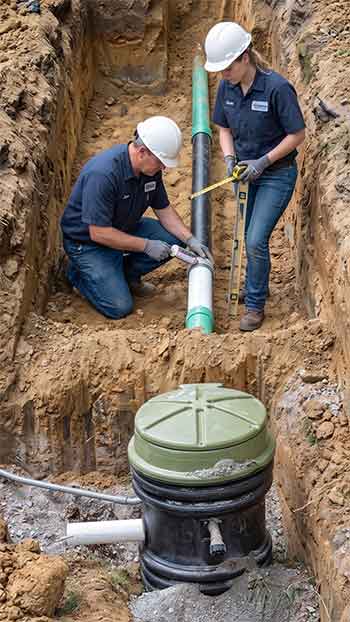
- Large free-passage impeller The open vane design lets soft solids travel without reduction. This feature matches households that already follow careful flushing habits and keep the system free of hard debris.
- Simple mechanical layout Fewer moving parts inside the pump mean fewer points of failure during normal operation. The motor, impeller, and seal form the core assembly, which keeps field service straightforward.
- Compatibility with existing two-inch or larger drain lines Many older homes already have two-inch forced mains. A sewage pump drops in without requiring pipe replacement.
- Lower starting torque demand The motor does not need the high initial torque required to spin a loaded cutter plate. Soft-start options further reduce electrical stress on older panels.
- Ability to handle intermittent high-volume events When several fixtures discharge at once, the larger impeller passages clear the sudden influx without first waiting for a grind cycle.
- Straightforward impeller inspection Most models allow the impeller to be checked after removing a few bolts. Visual confirmation of wear or obstruction takes minutes.
- Proven performance in short-lift applications Basement bathrooms and laundry rooms located only eight to fifteen feet below the main sewer line remain ideal matches for these pumps.
Pros of Sewage Pumps
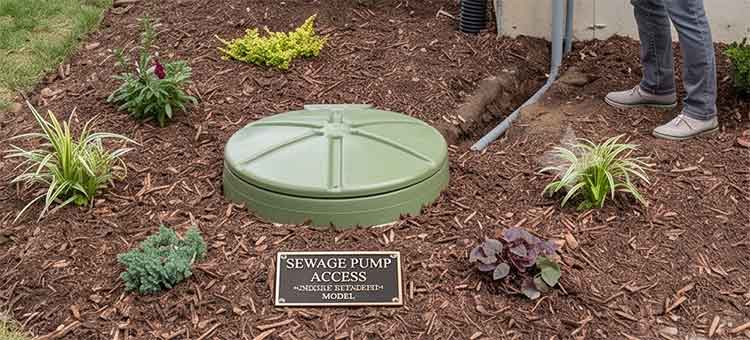
- Lower purchase price for comparable horsepower The absence of a cutter assembly keeps the manufacturing cost down. On a tight budget this difference can decide which system gets installed.
- Reduced energy use over the life of the unit Without the continuous mechanical work of grinding, the motor draws less power per cycle. In a home that already watches utility bills the savings accumulate.
- Quieter operation in finished living spaces The smoother hydraulic action produces less noise and vibration. Homeowners with bedrooms near the pump room notice the difference immediately.
- Simpler routine maintenance Checking the impeller and cleaning the basin follows familiar procedures. Most plumbers already carry the common tools and replacement seals.
- Better tolerance for soft solids when pipe size is adequate Toilet paper and organic waste pass without problem provided the discharge line stays at two inches or larger.
- Easier retrofit into existing larger piping Homes built with conventional sewer laterals often accept a sewage pump without excavation of the entire discharge run.
- Lower risk of cutter-related service calls There is no sharp assembly to dull or wrap with fibrous material, removing one common failure mode from the maintenance log.
Cons of Sewage Pumps
- Limited vertical and horizontal reach Once the required head exceeds the pump curve, the unit simply cannot deliver. Properties with long uphill runs force either a larger sewage pump that may still fall short or a switch to grinding technology.
- Higher chance of clogging with unexpected solids Anything larger than the free passage size stops the impeller. Clearing the obstruction usually means pulling the pump and manually removing the blockage.
- Larger pipe material and labor cost on new installs Two-inch or three-inch forced main costs more per foot and requires more careful bedding than the smaller lines a grinder can use.
- Greater sensitivity to low-flow conditions after the pump Once the pressurized section ends, the solids must still travel by gravity or residual momentum. Flat or reverse-grade sections after the pump invite settling and eventual backups.
- Bulkier basin requirements in some designs To keep solids moving freely the basin diameter often increases, consuming more floor space in a mechanical room or crawl space.
- Potential for higher repair frequency in poorly maintained systems When owners flush non-approved items repeatedly, the sewage pump clogs more often than a grinder would under the same abuse, leading to repeated service visits.
Key Features of Grinder Pumps

- Integrated cutter assembly Hardened steel or carbide teeth reduce solids before the fluid reaches the impeller. The slurry that results travels reliably through narrow pipes.
- High-pressure generation The combination of grinding and a closed impeller produces the head needed for long runs and steep grades. Some models exceed one hundred feet of total dynamic head.
- Compact discharge piping options The ability to use 1.25-inch pipe opens installation paths that would be impossible with larger solid-handling lines.
- Automatic reverse or anti-jam functions on higher-end models Certain designs reverse the cutter briefly when load spikes, reducing the chance of a full jam.
- Ability to serve multiple distant fixtures A single grinder station can collect waste from a guest house, pool house, or remote bathroom and push everything to a central septic or sewer connection.
- Progressive cavity or centrifugal designs available Some grinders use a progressive cavity rotor for steady pressure; others use centrifugal impellers after the grind stage. Both achieve the same end result of long-distance transport.
- Basin designs optimized for grinding Narrower, deeper basins keep the cutter submerged and ready while minimizing the footprint in tight mechanical rooms.
Pros of Grinder Pumps
- Ability to move waste extreme distances and elevations I have watched these units push slurry more than three hundred feet horizontally and fifty feet vertically in a single stage. That capability opens building sites that gravity sewer simply cannot serve.
- Smaller, less expensive discharge piping Material savings and easier routing through finished areas or under landscaping reduce both hard cost and disruption during installation.
- Reliable handling of mixed solid loads when maintained The cutter reduces most household waste to a transportable form, lowering the chance of mid-line blockages once the fluid leaves the basin.
- Compact footprint for the pumping station Narrower basins fit into tight utility closets or exterior enclosures without major construction changes.
- Suitable for pressure sewer networks serving multiple homes Municipal or community systems often specify grinders so every residence can connect to a small-diameter pressurized collection main.
- Consistent performance on steep lots Where a sewage pump would require intermediate lift stations, a single grinder often finishes the job.
Cons of Grinder Pumps
- Higher initial equipment cost The cutter assembly, hardened materials, and higher-torque motor raise the purchase price. On a simple short-run application the extra expense is hard to justify.
- Increased noise and vibration during the grind cycle The sound of solids being reduced carries through walls more readily than the smoother operation of a sewage pump. Sound-attenuating lids and isolation pads become almost mandatory in finished spaces.
- More frequent attention to the cutting mechanism Teeth dull, bearings wear, and fibrous material can still wrap despite the design intent. Scheduled inspection of the cutter becomes part of the ownership routine.
- Higher peak power demand Electrical panels must handle the inrush and running load of the grind motor. Older homes sometimes need circuit upgrades before the pump can be commissioned.
- Greater complexity when service is required Pulling a grinder for cutter replacement involves more steps and specialized tools than a simple impeller check on a sewage pump.
- Potential for complete jam if non-grindable objects enter Hard plastics, metal fragments, or dense rubber can stop the cutter cold. Recovery then requires complete disassembly rather than a simple clog removal.
Matching the Pump to Your Specific Situation
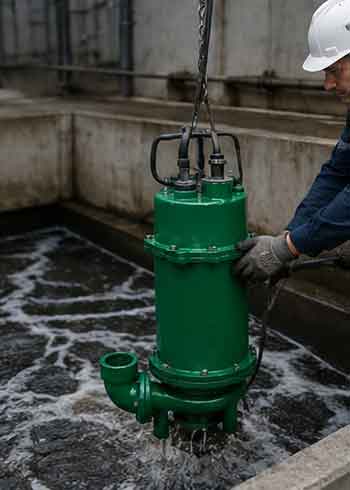
I start every evaluation by measuring the vertical rise from the lowest fixture to the discharge point and the horizontal distance the waste must travel.
If both numbers stay modest and the existing pipe is already two inches or larger, a sewage pump usually delivers reliable service at lower cost.
When the numbers climb or the only practical route uses small-diameter pipe, the grinder becomes the logical selection.
Soil conditions, local code requirements, and the presence of a septic tank versus a municipal connection also influence the final call.
Septic systems often accept either pump provided the effluent quality and flow rate stay within the tank’s design limits.
Municipal connections may dictate the exact pump type if the street main operates under pressure.
- Installation Realities I Have Encountered
Basin placement needs solid footing and easy access for future service. Float switches must be set so the pump runs long enough to clear the line yet does not short-cycle.
Electrical connections require a dedicated circuit and a properly sized disconnect within sight of the unit. Discharge check valves prevent backflow, and a true union fitting allows the pump to be lifted without cutting pipe.
I always pressure-test the completed discharge run before burying it. A small leak under the driveway becomes an expensive excavation later. Ventilation of the basin prevents vacuum lock and keeps odors under control.
- Ongoing Care That Extends Service Life
Both pumps benefit from annual inspection of the basin, floats, and electrical connections. For sewage pumps I focus on impeller wear and seal condition.
For grinders I add a close look at cutter sharpness and any stringy material wrapped around the shaft. Keeping non-flushable items out of the system remains the single most effective step any owner can take.
Alarm systems that warn of high water levels give early notice before a backup reaches finished floors. I recommend them on every install regardless of pump type.
- Cost Patterns Observed Over Multiple Projects
Sewage pump packages for residential use commonly land in a lower range once the basin, floats, and controls are included. Grinder packages sit higher because of the cutter technology.
Installation labor can swing either way depending on pipe size and trenching difficulty.
Over a ten-year ownership period the sewage pump often shows lower total cost of ownership when the site allows it, while the grinder justifies its premium on sites that simply cannot function without the extra capability.
Replacement parts follow the same pattern: sewage impellers and seals cost less and appear more widely stocked. Grinder cutters are specialized and priced accordingly.
Also Read: Comparison of Utility Pump And Sump Pump.
Frequently Asked Questions (FAQ)
Measure the lift and distance first. Short and low favors sewage; long or high favors grinder.
Yes, normal toilet paper breaks down easily in the cutter and travels without issue.
Many residential units handle two hundred to four hundred feet horizontally when the vertical rise stays within the pump curve.
Complete residential packages including basin and controls typically range higher than comparable sewage units, with final price set by horsepower and features.
Closing Thoughts
I have walked through the mechanical differences, the real-world strengths, and the practical limits of both sewage pumps and grinder pumps so you can weigh the trade-offs against your own property.
When the numbers line up with a sewage pump you gain simplicity and lower operating cost.
When the layout demands more reach you gain the grinding capability that keeps waste moving. Either choice works when matched correctly and maintained with ordinary care.
Use the comparison points here to decide, then install with attention to the details that keep the system reliable for years.