
When I compare Senville and MRCOOL, I’m really asking one practical question: which mini split gives you the better balance of comfort, cost, efficiency, installation ease, reliability, and long-term value?
I’ll look at both brands the way I would as a homeowner trying to heat and cool real rooms without wasting money.
You’ll see where Senville wins, where MRCOOL makes more sense, and which one I’d choose depending on your setup, budget, and comfort goals.
| Category | Senville | MRCOOL |
| Best For | Budget-conscious buyers who want strong efficiency and good value | DIY-focused homeowners who want easier installation |
| Installation Style | Usually professional installation | DIY-friendly models available with pre-charged line sets |
| Price Range | Often more affordable upfront | Usually more expensive upfront |
| Efficiency | Strong SEER2 ratings across many models | Good to very good efficiency, depending on model |
| Heating Performance | Good, especially AURA and cold-climate models | Good, especially newer DIY and Hyper Heat models |
| Smart Features | App control and Alexa compatibility on many units | SmartHVAC app, remote control, Alexa/Google compatibility on many models |
| Warranty | Competitive warranty, often strong on compressor coverage | Strong warranty, but details depend on product and registration |
| Ease of Ownership | Great value, but installer quality matters | Easier for DIY users, but still requires careful setup |
| Best Overall Value | Excellent | Good, especially when saving on installation |
| Main Drawback | Not truly DIY for most users | Higher equipment cost |
Key Differences Between Senville And MRCOOL
- Installation approach
This is the biggest difference between the two brands.
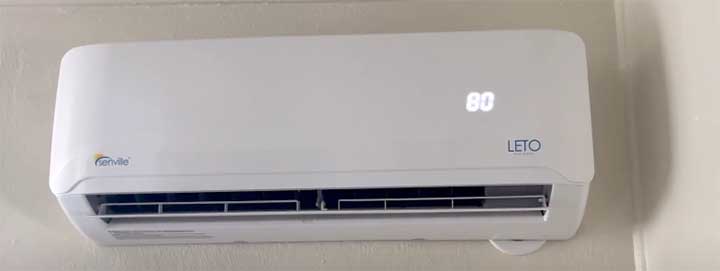
Senville mini splits are generally designed for professional installation. That means an HVAC technician will usually need to mount the indoor and outdoor units, run refrigerant lines, pull a vacuum, check for leaks, and make sure the system is charged and operating correctly.
For me, that adds cost, but it also adds peace of mind when the installer knows what they’re doing.
MRCOOL built much of its reputation around DIY mini splits. The brand’s DIY systems use pre-charged line sets and quick-connect fittings, which reduce the need for specialized HVAC tools. That does not mean installation is effortless.
You still need to mount equipment, route lines, handle electrical requirements, seal wall penetrations, and follow local codes. But compared with a traditional mini split, MRCOOL is much more approachable for capable homeowners.
If I were hiring an HVAC contractor anyway, I’d lean Senville. If I wanted to reduce installation labor and felt confident doing careful work, I’d look hard at MRCOOL.
- Upfront cost
Senville usually has the advantage when I compare equipment pricing. It often delivers strong performance for less money, especially in single-zone systems like 9,000 BTU, 12,000 BTU, 18,000 BTU, and 24,000 BTU setups.
MRCOOL systems tend to cost more upfront, partly because the DIY convenience is baked into the product. The pre-charged line set and simplified installation hardware are part of what you’re paying for.
But there’s a twist. If you can install MRCOOL yourself safely and correctly, the total project cost may be lower than buying a cheaper Senville unit and paying a contractor. That’s why I don’t compare only sticker prices. I compare the full installed cost.
- Efficiency and performance
Both brands offer efficient inverter-driven systems. In plain English, that means the compressor can ramp up and down instead of blasting at full power all the time. This helps reduce energy waste, improve comfort, and keep indoor temperatures more stable.
Senville has some impressive high-efficiency models, especially in its AURA and ELITE lines. These are the models I’d look at if I cared about long-term utility savings, cold-weather heating, and better seasonal performance.
MRCOOL also has efficient systems, especially in newer generations. The DIY lineup has improved a lot over time, and many models are good enough for everyday heating and cooling in bedrooms, garages, offices, additions, cabins, and main living areas.
If I were chasing the best efficiency for the money, Senville would usually catch my eye first. If I wanted solid efficiency plus DIY convenience, MRCOOL would stay on the shortlist.
- Cold-weather heating
This matters a lot if you live somewhere with real winter.
Senville’s AURA series is known for stronger low-temperature heating than its more basic LETO models. If I were using a mini split as a serious heat source during cold months, I would not automatically grab the cheapest Senville. I’d check the heating performance range, BTU output at low temperatures, and whether the model is built for colder climates.
MRCOOL also offers models designed for better heating performance, but again, the exact model matters. I would not assume every MRCOOL unit handles freezing weather equally well.
My rule is simple: if winter heating is important, don’t shop by brand alone. Shop by low-temperature performance.
- Warranty and support experience
Both brands offer warranties, but the real-world experience depends on registration, installation quality, product line, and documentation.
With Senville, I’d pay close attention to installation requirements. If professional installation is required to keep warranty coverage valid, I would not cut corners. Saving money upfront can become painful if a claim gets denied later.
With MRCOOL, I’d read the warranty terms carefully because DIY installation is part of the appeal. I’d want to know what is covered, what registration is required, and whether any installation mistakes could affect coverage.
For both brands, I would keep purchase receipts, serial numbers, installation photos, and maintenance records. Boring? Yes. Useful? Absolutely.
Key Features of Senville Mini Splits
- Strong value for the money
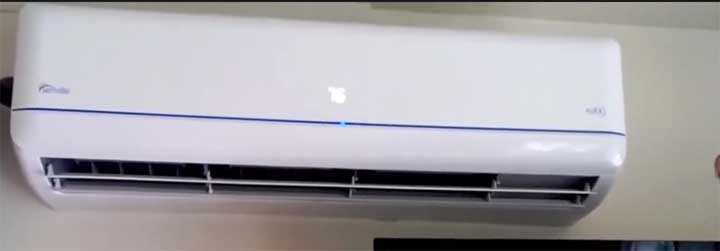
Senville’s biggest strength is value. I like that the brand gives homeowners access to ductless heating and cooling without the premium price tag attached to brands like Mitsubishi, Daikin, or Fujitsu.
That does not make Senville “cheap” in the bad sense. It means the brand competes aggressively on price while still offering inverter technology, heat pump operation, and smart controls on many units.
For someone replacing window AC units, heating a bonus room, conditioning a garage, or improving comfort in a hard-to-duct area, Senville can make a lot of sense.
- Multiple product lines for different needs
Senville is not just one mini split. The brand has different lines, and I would choose carefully.
The LETO series is usually the budget-friendly option. It is good for basic heating and cooling needs, especially where extreme winter performance is not the top priority.
The AURA series is more attractive if you want better efficiency and stronger heating capability. This is the line I’d consider for colder climates or more serious year-round use.
The ELITE series is aimed at buyers who want higher efficiency and more advanced performance. If utility savings and comfort precision matter to you, this is where Senville becomes more interesting.
- Heating, cooling, fan, and dehumidification
Most Senville mini splits are not just air conditioners. They typically provide cooling, heating, fan operation, and dehumidification.
That matters because mini splits are not only about temperature. In humid weather, the dehumidification mode can make a room feel more comfortable even when the thermostat setting is not extremely low.
I like this for bedrooms and home offices. A mini split that quietly controls both temperature and humidity can make a room feel calmer and more livable.
- Smart control options
Many Senville systems include app control or compatibility with voice assistants such as Alexa. I don’t treat smart features as the main reason to buy a mini split, but they are useful.
Being able to turn on cooling before I get home, adjust a bedroom unit from bed, or schedule temperature changes can improve daily comfort. It also helps avoid running the system harder than necessary.
- Quiet operation
Ductless mini splits are generally quieter than window units and many portable air conditioners. Senville models are often praised for quiet indoor operation, especially when sized and installed correctly.
For me, this matters most in bedrooms, nurseries, studios, and offices. A loud system gets old fast. Quiet comfort is one of the biggest reasons mini splits feel like an upgrade.
Pros of Senville
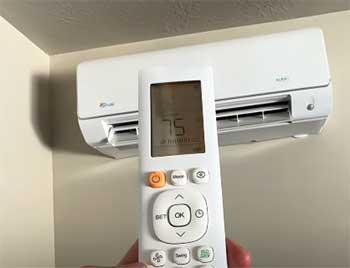
- Lower equipment cost: Senville often gives you more system for the money. If you’re trying to condition multiple rooms or stay within a tight budget, that price advantage can be hard to ignore.
- Good efficiency options: Senville offers models with strong SEER2 ratings, especially in its better product lines. Higher efficiency can reduce operating costs over time, especially if you use the unit frequently.
- Solid heating and cooling performance: For everyday comfort, Senville performs well when properly sized and installed. It can cool quickly, heat effectively, and maintain steady room temperatures.
- Good choice for contractor-installed projects: If I already planned to hire an HVAC professional, Senville makes sense. I’m not paying extra for DIY features I won’t use.
- Attractive for multi-zone setups: Senville can be appealing for multi-zone systems because the equipment cost may be lower than some competitors. That can matter when you’re adding indoor heads to bedrooms, living areas, or separate floors.
Cons of Senville
- Professional installation usually required: This is the biggest drawback. The unit may be affordable, but installation can add a lot to the final cost.
- Warranty may depend on proper installation: If the system is not installed according to requirements, warranty coverage may become complicated. I would not gamble with this.
- Support can vary by situation: Like many direct-to-consumer HVAC brands, the experience can depend on your installer, documentation, product registration, and how clearly the issue is diagnosed.
- Not all models are equal in cold weather: I would not buy the cheapest Senville and expect elite winter heating. The model line matters.
Key Features of MRCOOL Mini Splits
- DIY-friendly installation
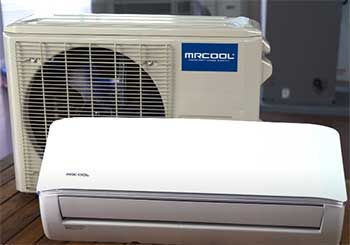
This is MRCOOL’s signature feature.
The DIY series is designed to reduce the need for traditional refrigerant handling during installation.
The pre-charged line sets are the star of the show.
They help homeowners avoid some of the complicated steps usually handled by HVAC technicians.
That’s a big deal if you’re handy and want to save on labor.
- Quick-connect line sets
MRCOOL’s quick-connect system is designed to simplify the connection between the indoor air handler and outdoor condenser. This feature is one of the main reasons people choose MRCOOL over other mini split brands.
I still wouldn’t call it casual weekend tinkering. You need patience, accuracy, and respect for electrical and structural work. But compared with a conventional mini split install, it’s much more homeowner-friendly.
- Smart control features
MRCOOL systems often include app-based controls and compatibility with smart home platforms. That lets you manage comfort from your phone, adjust schedules, and use voice commands with supported systems.
For daily life, this makes the unit feel modern. I like being able to manage temperature without walking to the remote every time.
- Good option for garages and additions
MRCOOL is especially popular for spaces that are separate from central HVAC: garages, workshops, sunrooms, bonus rooms, cabins, and home offices.
In those cases, hiring a contractor can sometimes cost more than expected. A DIY-friendly system becomes much more tempting.
- Complete system packages
MRCOOL often sells complete kits that include the main components needed for installation. I like that because it reduces the chance of buying mismatched parts.
For a homeowner, fewer compatibility headaches is a real advantage.
Pros of MRCOOL
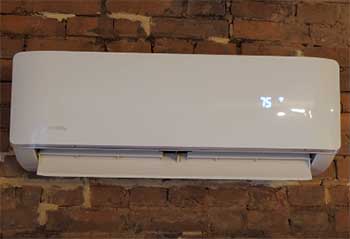
- Easier installation path: MRCOOL is the better choice if you want a mini split that is designed with DIY installation in mind. That is the brand’s clearest advantage.
- Potential labor savings: Even if the equipment costs more, you may save money if you avoid or reduce contractor labor. This is where MRCOOL can beat Senville on total project cost.
- Good smart features: MRCOOL offers convenient controls through apps, remotes, and smart home compatibility on many systems. That makes daily use simple.
- Strong fit for practical home projects: If I wanted to heat and cool a garage, workshop, home office, or finished attic, MRCOOL would be one of the first brands I’d consider.
- Less intimidating for homeowners: The brand does a good job making mini split ownership feel less mysterious. That matters because HVAC can feel like a closed world where every answer costs a service call.
Cons of MRCOOL
- Higher upfront equipment price: MRCOOL often costs more than Senville for similar capacity. The DIY convenience is valuable, but you pay for it.
- DIY still means responsibility: A DIY-friendly system is not mistake-proof. Poor mounting, bad drainage, sloppy line routing, or electrical shortcuts can cause problems.
- Appearance of line sets: Because the pre-charged line sets come in fixed lengths, you may have extra line to manage. That can affect appearance if the installation is not planned well.
- Not always the cheapest installed option: If you hire a contractor to install MRCOOL, the value equation changes. At that point, you may be paying more for DIY features you are not using.
Which One Would I Choose?
If I were paying an HVAC contractor, I’d probably choose Senville. I’d get strong value, good efficiency, and solid comfort without paying extra for DIY-specific features.
If I were installing it myself in a garage, workshop, cabin, or bonus room, I’d choose MRCOOL. The easier installation design would matter more than saving a few dollars on equipment.
For a main living space where comfort and reliability are critical, I’d compare exact models carefully. I’d also think about whether I want the lowest total cost, the easiest project, or the strongest long-term performance.
Also Read: Differences Between Senville Aura And Leto Air Conditioners.
Frequently Asked Questions (FAQ)
Senville is sold under the Senville brand, a Canadian HVAC brand. Like many mini split brands, its units are manufactured through overseas production partners.
Mitsubishi, Daikin, and Fujitsu are often considered among the most reliable mini-split brands, especially for long-term performance.
Yes, Senville heat pumps can be good, especially for the price. I’d choose the right series based on climate, room size, and heating needs.
Mitsubishi and Daikin are commonly viewed as top-tier heat pump brands. For traditional ducted systems, Trane and Carrier are also strong contenders.
Final Verdict
Senville is the better pick if you want maximum value, strong efficiency, and you are comfortable using a professional installer. MRCOOL is the better pick if you want a homeowner-friendly mini split with DIY installation features and you’re willing to pay more upfront for that convenience.
I would not say one brand destroys the other. That would be lazy. Senville is the sharper value play. MRCOOL is the easier project for a capable DIY homeowner.
So if you want lower equipment cost and strong performance, I’d point you toward Senville. If you want to take control of the install and avoid traditional HVAC complexity, I’d point you toward MRCOOL.
The best choice is the one that fits how you actually plan to buy, install, use, and maintain the system.