
When I compare Trane and Bryant, I’m really asking one practical question: which brand gives you better comfort, reliability, efficiency, and long-term value for the money?
If you’re replacing an air conditioner, furnace, heat pump, or full HVAC system, the choice can feel expensive and annoyingly technical. I’ll break it down the way I’d want someone to explain it to me: clearly, honestly, and with the everyday homeowner in mind.
| Category | Trane | Bryant |
| Overall reputation | Premium, durable, strong brand recognition | Reliable, practical, often better value |
| Best for | Homeowners who want rugged equipment and advanced comfort | Homeowners who want dependable performance without overpaying |
| Pricing | Usually higher | Usually more budget-friendly |
| Efficiency options | Strong high-efficiency AC, furnace, and heat pump options | Strong efficiency range, especially in Preferred and Evolution lines |
| Comfort technology | Excellent variable-speed and communicating systems | Excellent modulating and variable-speed options |
| Noise level | Very quiet in premium models | Very quiet in higher-end models |
| Warranty | Competitive, often 10-year limited parts when registered | Competitive, often 10-year limited parts when registered |
| Dealer network | Large, well-established | Large, often tied to Carrier-style dealer support |
| Main drawback | Higher upfront cost | Premium models can still get pricey |
| My quick take | Better if durability and brand prestige matter most | Better if value and reliable comfort matter most |
Key Differences Between Trane and Bryant
- Brand Positioning
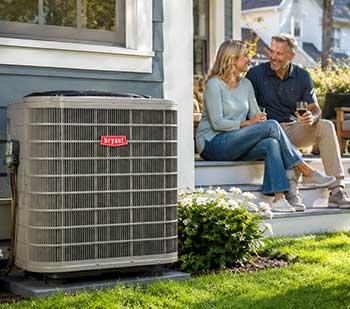
Trane usually positions itself as a premium HVAC brand.
Its systems are commonly sold as durable, hard-working, and built to handle demanding conditions.
If you like buying “buy once, cry once” equipment, Trane will probably catch your attention.
Bryant feels more value-focused while still offering premium choices.
It has entry-level, mid-range, and high-end systems, so you can choose how much comfort technology you really need.
I like Bryant for homeowners who want dependable heating and cooling but do not want the quote to feel inflated.
- Pricing And Overall Value
Trane systems often cost more upfront. That does not automatically mean they are overpriced, but it does mean you need to look closely at what you are getting. A high-efficiency Trane system with variable-speed technology can be excellent, but the installation quote may be higher than a comparable Bryant system.
Bryant is often easier to justify from a value standpoint. You can still get strong efficiency, quiet operation, and good comfort control, but the total installed price may be lower depending on your local contractor. For many homeowners, that price difference matters more than brand prestige.
- Product Range
Both brands offer central air conditioners, gas furnaces, heat pumps, ductless systems, packaged units, thermostats, and indoor air quality products.
Trane’s lineup is especially strong if you want high-end comfort and durability. Its premium air conditioners and heat pumps can include variable-speed compressors, advanced humidity control, and smart thermostat compatibility.
Bryant also has a broad lineup. Its Evolution series is the premium tier, Preferred sits in the middle, and Legacy covers more basic needs. That structure makes it fairly easy to match a Bryant system to your budget.
- Comfort Control
Trane’s higher-end systems are excellent for steady temperatures. Variable-speed operation lets the system run longer at lower speeds, which can reduce temperature swings, improve humidity control, and make the home feel more balanced.
Bryant’s premium systems offer similar benefits. Its Evolution line, especially with matching controls, can deliver impressive comfort with modulating or variable-speed performance. In real life, that means fewer blasts of hot or cold air and more even comfort throughout the day.
- Installation Sensitivity
This is where I get blunt: the installer matters as much as the logo.
A poorly installed Trane system can disappoint you. A perfectly installed Bryant system can run beautifully for years. HVAC is not like buying a toaster. Sizing, ductwork, refrigerant charge, airflow, drain setup, thermostat configuration, and commissioning all affect performance.
If you have an excellent Bryant dealer and an average Trane dealer, I would lean Bryant. If the Trane contractor is clearly better, Trane may be the safer pick.
Key Features of Trane
- Durable System Design
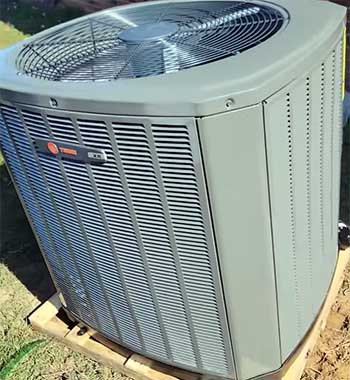
Trane has built much of its reputation around durability.
Many homeowners choose Trane because they want equipment that feels tough and dependable.
Its outdoor units often have sturdy cabinet construction, protective coil designs, and components built to handle heavy seasonal use.
That matters if you live somewhere with brutal summers, cold winters, salty air, dust, or constant system demand.
A durable unit does not remove the need for maintenance, but it can give you more confidence when your HVAC system works hard for months at a time.
- High-Efficiency Air Conditioners
Trane offers efficient cooling systems for homeowners who want lower energy use. Its better models may include two-stage or variable-speed compressors, which adjust output instead of simply switching on and off at full power.
I like this because comfort is not only about the thermostat number. A variable-speed AC can run gently for longer periods, helping remove humidity and reduce that sticky indoor feeling. In humid climates, that can be a major advantage.
- Strong Heat Pump Options
Trane heat pumps are a good fit if you want both heating and cooling from one system. Higher-end models can deliver efficient operation and smoother comfort, especially when paired with the right indoor unit and thermostat.
A heat pump can be especially attractive if you live in a moderate climate or want to reduce reliance on a gas furnace. Trane gives you several choices, from basic models to advanced variable-speed systems.
- Smart Thermostat Compatibility
Trane systems can pair with smart controls that help manage temperature, scheduling, humidity, and system performance. For homeowners who like simple control from a phone or want better energy management, this is a useful feature.
The most benefit usually comes when the thermostat and HVAC equipment are designed to communicate with each other. That lets the system make more precise adjustments instead of acting like a basic on-off machine.
- Quiet Operation In Premium Models
Trane’s higher-end units can be impressively quiet. This matters if your outdoor unit sits near a bedroom, patio, office, or neighbor’s window. Noise is easy to ignore during shopping, then suddenly very annoying after installation.
If quiet comfort matters to you, compare decibel ratings on the exact models being quoted, not just the brand name.
Pros of Trane
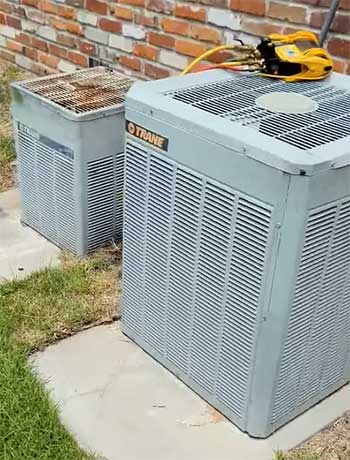
- Excellent Durability Reputation: Trane’s biggest advantage is its reputation for toughness. When homeowners talk about Trane, durability usually comes up fast. If I were choosing equipment for a home where the system runs heavily every season, this would matter to me. A durable system can feel like cheap insurance against stress. You still need annual maintenance, filter changes, and proper installation, but Trane gives many buyers confidence.
- Strong Premium Comfort Options: Trane’s upper-tier systems can deliver excellent comfort. Variable-speed compressors, variable-speed blowers, communicating controls, and advanced humidity management can make a noticeable difference. This is especially useful if your current system leaves hot spots, cold spots, or humidity issues. A properly designed Trane system can make the home feel calmer and more consistent.
- Good Energy Efficiency Potential: If you choose a high-efficiency Trane system, you may reduce monthly energy use compared with an older unit. The actual savings depend on your climate, ductwork, utility rates, insulation, and how you use the system. I would not buy the highest-efficiency model blindly, though. Sometimes the middle option gives the best return.
- Strong Brand Recognition: Trane has one of the strongest names in residential HVAC. That can help with buyer confidence and possibly resale perception if you are selling your home and can show that a respected system was installed recently. Brand name is not everything, but it does influence trust.
Cons of Trane
- Higher Upfront Cost: The biggest downside is price. Trane quotes can be noticeably higher than Bryant quotes, especially for premium equipment. If the cost difference is small, Trane may be easy to justify. If the gap is large, you need to ask whether the extra money is buying real value or just comfort with the name.
- Repairs May Cost More: Premium systems can involve more advanced parts. Variable-speed boards, communicating controls, and specialized components can be expensive if they fail outside warranty. This is not unique to Trane, but it is worth considering if you plan to keep the system for 15 to 20 years.
- Dealer Quality Varies: Trane’s brand reputation does not guarantee great installation. A rushed or poorly sized system can create comfort problems, high bills, and early repairs. Before choosing Trane, I would vet the contractor hard: load calculation, duct inspection, warranty details, labor coverage, and post-install testing.
Also Read: Differences Between Payne And Bryant Air Conditioners.
Key Features of Bryant
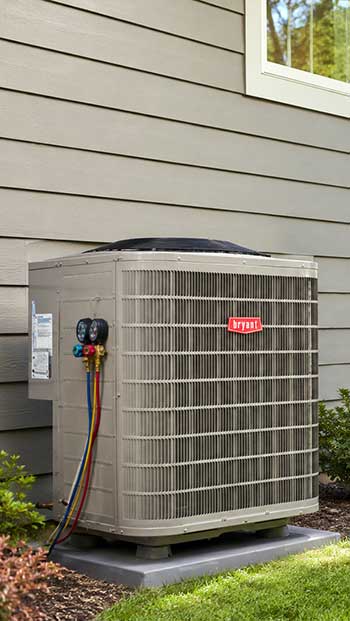
- Strong Value Across Multiple Tiers: Bryant gives you a nice range of choices. You can go basic with the Legacy line, step up to Preferred, or choose Evolution for premium performance. I like that because not every house needs the most expensive system.If you are replacing equipment in a starter home, rental property, or house you may sell within a few years, a practical Bryant system may make more financial sense than a top-tier premium unit.
- Evolution System Performance: Bryant’s Evolution series is where the brand gets most impressive. These systems can offer advanced comfort control, quieter operation, variable-speed technology, and better humidity management. If someone says Bryant is only a budget brand, I disagree. Bryant can absolutely compete in the premium comfort category when you choose the right equipment combination.
- Efficient Furnaces: Bryant furnaces are a strong part of the lineup. You can find models with high AFUE ratings, two-stage heating, variable-speed blowers, and modulating gas valves in upper-tier units. A better furnace can make winter comfort feel smoother. Instead of getting loud bursts of heat followed by cooler periods, a more advanced furnace can run at lower stages and maintain a steadier indoor temperature.
- Carrier-Related Engineering Background: Bryant is closely associated with Carrier, and that connection gives many homeowners extra confidence. While Bryant and Carrier are not always identical in every model and feature, they share manufacturing heritage and a similar product philosophy. For you, that usually means Bryant is not some unknown bargain brand. It is a serious HVAC name with wide dealer support and proven equipment categories.
- Good Indoor Air Quality Options: Bryant offers add-ons like air purifiers, humidifiers, dehumidifiers, ventilators, and upgraded filtration. These can matter if you deal with allergies, dry winter air, pet dander, dust, or stale indoor air. I would not buy every add-on automatically, but I would consider indoor air quality upgrades if your home has comfort problems beyond temperature alone.
Pros of Bryant
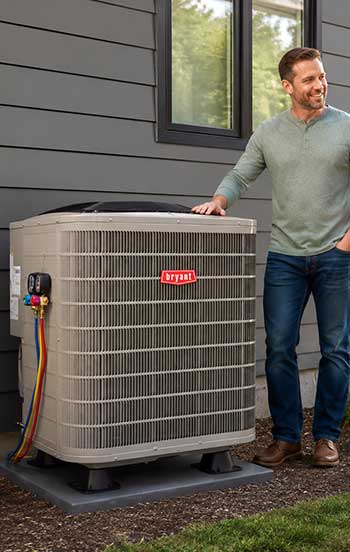
- Strong Value For The Money: Bryant’s biggest advantage is balance. You can get reliable equipment, good efficiency, and solid comfort without always paying premium-brand pricing. For many homeowners, that makes Bryant the more practical choice.
- Wide Range Of Options: Bryant has systems for different budgets and comfort goals. You can keep things simple or move into premium territory with Evolution models. That flexibility helps because every home is different. A small, well-insulated home may not need the most advanced unit. A larger home with comfort issues might benefit from the upgrade.
- Reliable furnace and AC lineup: Bryant has a good reputation for dependable furnaces and air conditioners. When installed correctly, its systems can deliver years of steady performance. I especially like Bryant for homeowners who want a no-drama HVAC replacement: not the flashiest choice, not the cheapest gamble, just a sensible system from a known brand.
- Good Comfort Technology: Bryant’s better systems can be quiet, efficient, and precise. Evolution controls, variable-speed operation, and staged heating or cooling can make a home feel more comfortable without constant thermostat adjustments. That is where Bryant becomes more than a value brand.
Cons of Bryant
- Less Premium Brand Perception Than Trane: Bryant is respected, but it does not always carry the same prestige as Trane. Some homeowners simply feel more confident choosing Trane because the brand has a stronger “built tough” image. That may or may not matter to you.
- Entry-Level Models Are Basic: Bryant’s lower-cost Legacy models can be dependable, but they are not built for maximum quietness, efficiency, or comfort control. If you choose the cheapest Bryant system, do not expect premium performance. This is not a flaw as much as a reminder: compare model to model, not brand to brand.
- Premium Bryant Systems Can Still Be Expensive: Bryant is often seen as the better-value option, but high-end Evolution systems are not cheap. Once you add advanced controls, variable-speed equipment, and indoor air quality upgrades, the price can climb quickly. At that point, it makes sense to compare Bryant directly with Trane, Carrier, Lennox, and other premium quotes.
Which One Would I Choose?
If I had a flexible budget and planned to stay in my home for a long time, I would lean toward Trane, especially if the local Trane contractor had excellent reviews and offered strong labor coverage.
If I wanted the best balance of price, comfort, and reliability, I would lean toward Bryant. For many homeowners, Bryant simply makes more sense financially. You can get a good system, solid efficiency, and dependable comfort without feeling like you stretched too far.
But I would not choose either brand based on the logo alone. I would compare exact model numbers, efficiency ratings, noise levels, warranty terms, installer reputation, and the quality of the installation proposal.
Also Read: Is Bryant Heat Pump Worth It?
Frequently Asked Questions (FAQ)
Trane, Carrier, Bryant, Lennox, and Rheem are often viewed as trusted HVAC brands. Trane and Carrier usually get the strongest premium-brand recognition.
Trane, Bryant, and Carrier are three strong furnace brands. Lennox and Rheem are also worth comparing.
Trane, Carrier, and Bryant are commonly considered top AC brands. The best choice still depends heavily on installation quality.
Yes. Bryant is a reliable HVAC brand with strong furnaces, air conditioners, heat pumps, and a large dealer network.
Final Verdict
Trane is the better fit if you want a premium HVAC brand with a powerful durability reputation, advanced comfort options, and strong long-term confidence. Bryant is the better fit if you want dependable heating and cooling, good efficiency, and better overall value.
If you are choosing between Trane and Bryant, I would start with the contractor, not the brochure. Ask for a proper load calculation, compare model numbers, understand the labor warranty, and make sure the quote includes the details that actually affect comfort.
In the end, you should choose the system that fits your home, your climate, and your budget. I like Trane for premium peace of mind. I like Bryant for practical, reliable value. Your best choice is the one that keeps you comfortable without making you regret the invoice.