
I have spent time researching and comparing HVAC options for my own home upgrades, and the choice between Ruud and Rheem keeps coming up for many homeowners like you.
In this article, I share my hands-on analysis of these two brands across furnaces, air conditioners, heat pumps, and water heaters. You will see clear differences in performance, value, and real-world use so you can decide what works best for your budget, climate, and comfort needs.
I focus on practical features that affect daily life, not just specs on paper.
| Feature | Ruud | Rheem |
| Ownership | Owned by Rheem Manufacturing | Parent company |
| Efficiency (Furnace AFUE) | Up to 98% | Up to 98% |
| Efficiency (AC SEER2) | Up to 20+ | Up to 20.5+ |
| Noise Levels | Generally standard | Often quieter with advanced coils |
| Smart Features | EcoNet compatible on premium | Strong EcoNet integration |
| Warranty | Strong lifetime on heat exchangers | Similar, with proactive options |
| Best For | Value-focused durability | Balanced performance and service |
| Price Positioning | Often slightly more affordable | Strong value with features |
| Reliability | Excellent reported longevity | Very good with broad support |
Key Differences Between Ruud And Rheem
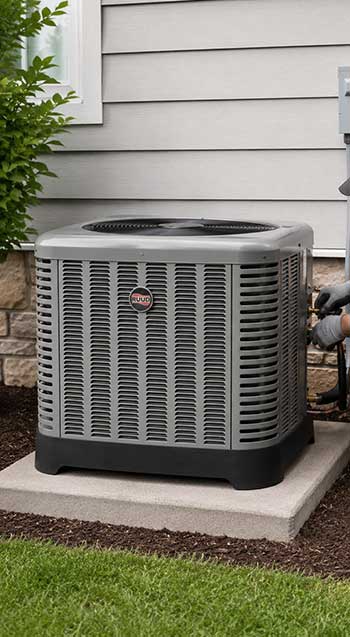
- Branding and Market Positioning: Ruud often comes across as the straightforward, contractor-focused option that delivers solid performance without heavy consumer advertising. Rheem targets a broader audience with more emphasis on innovation and modern conveniences. Even though they come from the same manufacturing roots, this affects how easily you find local experts and the way quotes get presented.
- Quiet Operation and Everyday Comfort: Rheem frequently wins in this area thanks to optimized double-coil designs that reduce sound during normal running. If noise bothers you near living spaces or bedrooms, you will notice the difference on hot summer evenings or cold winter mornings. Ruud stays respectable but may produce a bit more audible operation under heavy loads in comparable models.
- Parts Availability and Long-Term Service: Both brands share many components, so technicians comfortable with one handle the other without issues. Rheem sometimes benefits from wider distribution, which can mean quicker access to replacement parts in busy seasons. This shared ecosystem reduces downtime when something needs attention years down the line.
- Energy Efficiency and Bill Savings: You find high-efficiency choices from both, including variable-speed technology and modulating systems. Rheem often pushes smart integration and climate-specific optimizations harder, while Ruud builds tough heat exchangers that hold up well in demanding environments. Real savings depend on your local utility rates and how you use the system daily.
- Water Heater Options and Hot Water Delivery: Rheem stands out with a stronger lineup of hybrid electric and tankless models that offer faster recovery and better efficiency for larger households. Ruud provides reliable tank-style units that many people trust for consistent supply without fancy extras. If endless hot showers matter most, Rheem gives more choices here.
- Installation Flexibility: Ruud units sometimes fit better in tight spaces like older homes or compact basements due to simpler, more straightforward designs. Rheem systems integrate smoothly with newer ductwork and modern smart home setups, making them popular during full renovations.
- Warranty Experiences: Both offer solid coverage, with lifetime limited warranties on heat exchangers for top furnaces. Rheem occasionally includes more proactive support programs that replace units early if problems arise, giving extra reassurance during the critical first years.
- Build Quality Details: Differences show in cabinet finishes and minor engineering tweaks. Rheem cabinets often feel more refined, while Ruud prioritizes rugged functionality that stands up to the elements over many seasons.
Also Read: Comparison of Ruud And Carrier HVAC Systems.
Key Features of Ruud Products
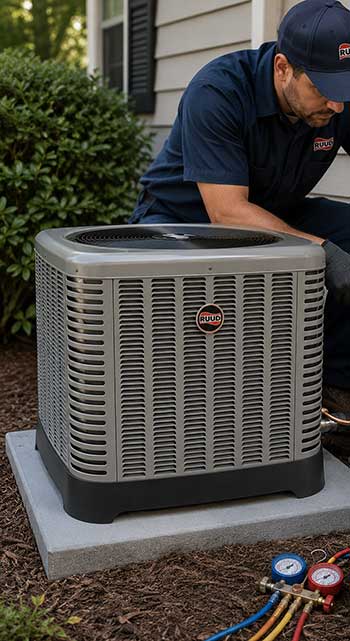
- Modulating and two-stage furnaces that adjust heat output precisely, eliminating cold spots and reducing gas consumption noticeably over single-stage models.
- Variable-speed compressors in air conditioners and heat pumps that improve humidity removal, especially useful in muggy summers where sticky indoor air becomes a problem.
- Corrosion-resistant heat exchangers engineered for longevity, helping the system maintain efficiency even after a decade of use.
- EcoNet smart compatibility on higher-end units, allowing phone-based monitoring, scheduling, and alerts that help catch small issues before they grow.
- Compact designs that work well in space-challenged replacements, saving you from major duct or closet modifications.
- Reliable ignition systems that perform consistently in cold weather, reducing winter service calls.
- Affordable base models that still hit respectable 14-16 SEER2 ratings, providing decent efficiency without jumping to premium pricing.
- Strong compatibility with existing home infrastructure, which lowers overall project costs during upgrades.
I remember helping a neighbor choose a Ruud furnace for their 20-year-old house. The unit slipped into the existing space easily, and they have enjoyed even heating through two tough winters already.
- PlusOne diagnostics that make troubleshooting faster for technicians, potentially shortening repair visits.
- Scroll compressors known for dependable operation and quieter fan designs that minimize outdoor disturbance.
Pros of Choosing Ruud
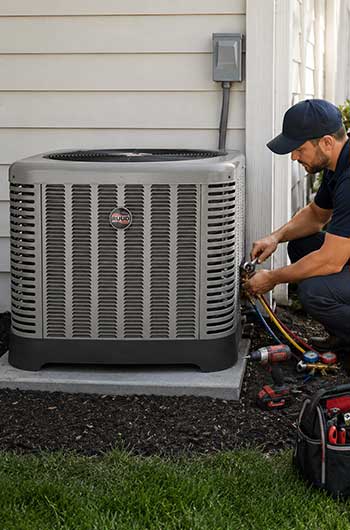
- You frequently get strong performance at a slightly lower purchase price than equivalent Rheem models, stretching your budget further.
- Outstanding reported reliability and durability, with many systems lasting 15 to 20-plus years when properly maintained.
- Straightforward engineering that often means simpler, less expensive routine maintenance over the equipment’s life.
- Ideal for practical homeowners who want dependable heating and cooling without paying for extra marketing or bells and whistles.
- Smaller physical footprints that suit replacement projects in older or tighter installations where space is limited.
- Excellent technician familiarity because of the shared ecosystem with Rheem, ensuring smooth service almost anywhere.
- Generous warranties on critical parts like heat exchangers that protect against expensive failures.
- Consistent real-world feedback about steady operation through temperature extremes without unexpected breakdowns.
From my perspective, Ruud delivers when you seek hardworking equipment that stays out of the way and focuses on results. Many owners I know talk about forgetting they even have a new system because it just works.
- Good cold-weather starting reliability that prevents frustrating no-heat calls during winter snaps.
- Solid entry and mid-level options that cover most average home sizes effectively without overkill.
- Positive experiences with smart features on premium lines that add convenience without unnecessary complexity.
Also Read: Comparison of Trane And Carrier Heat Pumps.
Cons of Choosing Ruud
- Certain models operate a little louder than their Rheem counterparts, which might bother light sleepers or those with outdoor units near patios.
- Less aggressive consumer marketing can sometimes result in fewer contractors highlighting them as first choices.
- Smart home features, while present, may not feel as polished or expansive as on Rheem’s top offerings.
- Availability of the absolute highest-efficiency variable-speed configurations can depend on your local distributors.
- Water heater innovation trails Rheem slightly, with fewer cutting-edge hybrid and tankless varieties.
- Occasional mentions of minor vibration or sound transmission in specific installation setups.
- Warranty handling follows standard industry processes rather than offering standout proactive replacements.
These points rarely kill the decision but become important if silence and latest tech rank high on your personal list.
Key Features of Rheem Products
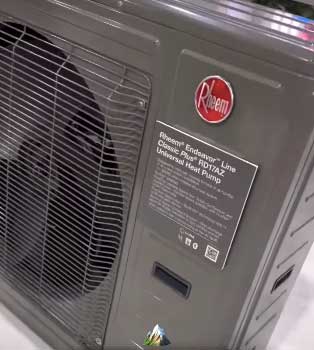
- Advanced coil technology that boosts both efficiency and sound reduction, creating a more peaceful home environment year-round.
- Extensive tankless and hybrid water heater selections with rapid recovery rates that support simultaneous showers and appliances without running out.
- Deep EcoNet smart platform integration for whole-home control, including usage reports and energy-saving modes you actually use.
- High SEER2 ratings across multiple tiers that translate into measurable drops in summer electricity bills, especially when paired with variable-speed blowers.
- Service-friendly layouts that most local HVAC teams already know, speeding up maintenance and repairs.
- Modulating systems that keep temperatures rock-steady, cutting down on that annoying on-off cycling you feel in lesser equipment.
- Effective dehumidification modes perfect for humid climates, preventing mold concerns and improving indoor air feel.
- Robust cabinet construction with thoughtful details that resist weather and maintain performance over time.
Rheem systems impressed me during a hot spell last year when a friend’s unit kept the house comfortable without spiking their power bill like older equipment did.
- Leak detection and safety features on select water heaters that add real protection against potential damage.
- Flexible performance down to lower temperatures in heat pump models, expanding usability in varied climates.
Pros of Choosing Rheem
- Noticeably quieter running that enhances overall home comfort, particularly important for night-time operation or noise-sensitive households.
- Well-balanced mix of price, features, and performance that gives excellent long-term value across their full product range.
- Extensive contractor networks and parts availability that usually mean faster response times when service is needed.
- Innovative water heating solutions, from efficient hybrids to tankless systems, that handle high-demand households smoothly.
- Advanced smart controls via EcoNet that let you manage temperature, monitor usage, and receive alerts conveniently from anywhere.
- Efficiency levels that deliver tangible monthly savings on utilities, which add up quickly in extreme climates.
- Helpful warranty programs that sometimes include full early unit replacements for qualifying issues.
- Strong all-around reliability whether you face humid summers, freezing winters, or everything in between.
Rheem feels versatile and thoughtful in how it approaches daily living needs. You end up with equipment that supports your lifestyle rather than forcing adjustments.
- Smoother integration in both new builds and major home updates.
- High owner satisfaction scores regarding energy costs and consistent comfort delivery.
- Compact air handler designs that fit modern tight mechanical rooms.
Also Read: Differences Between Ruud And Trane HVAC Systems.
Cons of Choosing Rheem
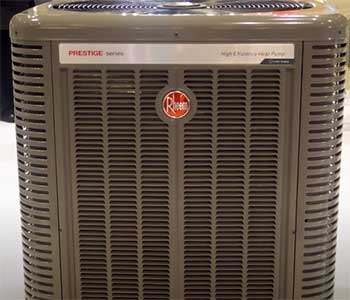
- Comparable models sometimes carry a modest price premium over Ruud in certain markets.
- They do not always lead in ultra-premium efficiency or luxury-level features compared to highest-end competitors.
- Some past user reports noted occasional early component quirks, although newer lines show clear improvements.
- Attention spread across many product categories can mean HVAC specifics evolve at a measured pace.
- Lower-tier models may require stepping up to mid-range for variable-speed benefits you really want.
- Potential repair costs outside warranty align with typical industry rates, so budgeting for maintenance remains wise.
For most people I talk with, these trade-offs rarely outweigh the overall strengths, especially once a quality installer handles the job.
My Experience and Recommendations
After weighing everything, I see both Ruud and Rheem as dependable mid-tier picks that avoid luxury-brand markups while still providing reliable year-round comfort.
When maximum upfront value and straightforward durability top my priorities, I lean Ruud. If quieter performance and stronger water heating variety matter more, Rheem often becomes my suggestion to family and friends.
The single most important decision you make involves choosing an experienced local installer who sizes the system correctly for your home. A mismatched unit from any brand wastes energy and fails prematurely.
Always collect several quotes, read recent local reviews of the companies, and discuss your specific climate challenges openly.
Consider total cost of ownership too—initial price, expected energy savings, routine maintenance, and possible repairs stretched across 15 years or longer.
Both brands perform competitively here with regular filter changes and annual tune-ups. Factor in your household size, usage patterns, and future plans for the property.
You deserve a system that works quietly in the background while keeping utility bills reasonable and indoor conditions exactly how you like them. Take your time evaluating these options against your actual needs rather than chasing the flashiest specs.
Also Read: Should You Get Bryant Heat Pump?
Frequently Asked Questions (FAQ)
It is a rough guideline suggesting you budget around $5000 for a basic new central HVAC system installation, though actual costs vary widely by home size, location, and efficiency level.
Yes, Ruud earns a solid reputation for reliable, durable, and efficient HVAC equipment that offers great value for most homeowners.
They perform very similarly since they share the same company roots. Rheem often edges out with more advanced tankless and hybrid options, but Ruud remains a strong, dependable choice.
Common top picks include Carrier or Trane for premium performance, followed by reliable mid-tier options like Rheem or Ruud, and strong value brands like Goodman or Amana, depending on your priorities.
Final Thoughts
In the end, I believe you cannot go wrong with either Ruud or Rheem if you work with a reputable installer. They both focus on practical, hardworking systems that keep your home comfortable year after year.
Take time to assess your specific needs—budget, space, climate, and desired features—then choose the one that aligns best. I hope this breakdown helps you feel confident moving forward with your next HVAC decision.