
I have spent years switching between Royal Canin and Hill’s formulas for my cats and dogs, trying to figure out which one truly supports their health, energy, and happiness.
I will talk about my real experiences, break down the practical differences, and help you decide what fits your pet best based on daily feeding realities, not just marketing claims.
Whether you deal with picky eaters, sensitive stomachs, or specific health needs, I walk you through it all from a fellow pet parent’s perspective.
| Aspect | Royal Canin | Hill’s |
| Palatability | Often wins with picky eaters due to tailored textures and aromas | Solid but sometimes less appealing to fussy pets |
| Ingredient Focus | Breed-specific and precise nutrition formulas | Strong emphasis on clinical research and whole meat in many lines |
| Price Range | Generally premium pricing | Often more budget-friendly for daily use |
| Vet Diets | Excellent specialized options | Strong prescription lines for conditions |
| Best For | Breed-tailored needs and digestion | Overall wellness and joint/skin support |
Key Differences Between Royal Canin And Hill’s

- Formulation Philosophy: I notice Royal Canin leans heavily into breed-specific recipes that match unique needs, like jaw shape or activity level. Hill’s focuses more on life-stage and condition-specific science, backed by extensive clinical trials that I appreciate when my dog had joint issues.
- Ingredient Quality and Sourcing: Royal Canin sometimes includes higher protein percentages and tailored fibers, while Hill’s often lists real meat as the first ingredient in many Science Diet formulas without certain by-products in core lines. Both use grains, but the balance feels different in how my pets digest them.
- Kibble Size and Texture: This matters a lot in my house. Royal Canin kibble sizes vary by breed, making it easier for small dogs or cats to eat comfortably. Hill’s pieces work well too but can feel larger for tiny mouths.
- Palatability Edge: From my trials, many cats and dogs seem to prefer Royal Canin’s aroma and crunch, leading to fewer mealtime battles. Hill’s holds its own, especially in wet varieties.
- Availability and Vet Access: Both appear in clinics, but Hill’s Prescription Diet feels more readily recommended for immediate health concerns in my experience. Royal Canin shines in over-the-counter breed lines.
- Digestibility and Special Needs: Royal Canin offers targeted digestive care that helped my cat with occasional sensitivities. Hill’s excels in urinary and kidney support formulas that stabilized my senior pet.
- Cost Over Time: Hill’s tends to stretch further on the wallet for everyday feeding, while Royal Canin justifies the extra spend with precision.
- Long-Term Health Outcomes: I track weight, coat shine, and energy. Both deliver results, but the choice depends on matching your pet’s profile exactly.
Key Features of Royal Canin

- Breed-Specific Formulas: I have always appreciated how Royal Canin develops recipes around particular breeds, such as those designed for brachycephalic dogs with shorter muzzles or long-haired cats prone to hairballs. For my French Bulldog, the specific kibble shape made chewing easier and reduced gulping, which helped prevent digestive upset. These formulas consider everything from jaw structure to typical energy expenditure, making feeding feel customized rather than generic. Over months of use, I noticed steadier growth in puppies and better weight maintenance in adults because the nutrients align precisely with breed tendencies.
- Digestive Health Support: The inclusion of specific fiber blends and prebiotics in many Royal Canin products made a noticeable difference for my cat who previously dealt with occasional loose stools. These elements promote balanced gut flora, leading to firmer stools and less gas. In practice, switching to their digestive care line cut down vomiting episodes in my long-haired cat by supporting hair passage more effectively. I track bathroom habits closely, and this feature consistently delivers reliable results without needing extra supplements.
- High Palatability: Royal Canin excels at creating aromas and textures that picky eaters love. My selective Siamese cat, who rejects many other foods after a few days, finishes her meals eagerly with their wet and dry options. The variety in pate textures and kibble coatings keeps interest high, which is crucial when you have multiple pets with different preferences. This palatability means less food waste and more consistent nutrient intake daily.
- Veterinary Precision: Their prescription diets target specific conditions like urinary health or obesity with carefully calibrated mineral levels and protein content. When my older dog needed weight management, the veterinary line helped him shed pounds gradually while staying satisfied. Vets in my area often recommend these because the formulations come with measurable outcomes, giving me confidence during follow-up checkups.
- Life-Stage Adaptability: From kitten to senior formulas, Royal Canin adjusts calorie density, protein ratios, and joint support smoothly. My dogs transitioned through puppy growth phases without the typical growth spurt problems, thanks to balanced calcium and phosphorus. For seniors, added antioxidants support cognitive sharpness, something I observed as my 12-year-old Labrador remained playful longer than expected.
- Coat and Skin Benefits: Omega-3 and omega-6 fatty acids in the recipes contribute to visibly shinier coats and reduced itching. After a few weeks on their skin care variants, my allergic dog showed less scratching and dander. This benefit extends beyond looks—it improves overall comfort, especially during seasonal changes.
- Portion Control Ease: The kibble designs encourage slower eating through shape and size, which helps with dental health and reduces bloat risk in larger breeds. I appreciate the clear portion guidelines on packaging that adapt to weight and activity, making mealtime straightforward even on busy days.
- Global Consistency: No matter where I buy it, the quality remains steady. This reliability matters when traveling or stocking up in bulk, ensuring my pets experience no sudden formula changes that could upset digestion.
Pros of Royal Canin
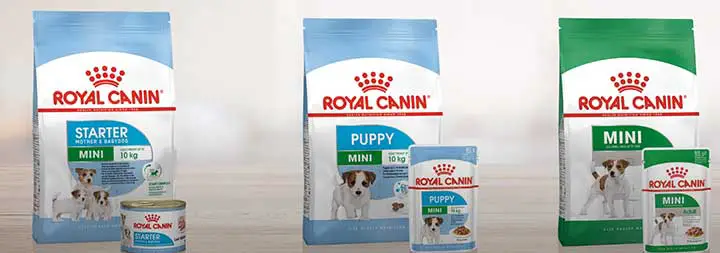
- Tailored Nutrition Wins: The breed-focused approach means my pets receive nutrition matched to their body type and common health risks rather than a broad average. This precision led to better energy levels and fewer minor health hiccups in my household compared to standard foods.
- Excellent for Picky Eaters: The flavors and scents keep even the fussiest cats and dogs engaged. I no longer battle with half-eaten bowls, which saves money and reduces stress at feeding time.
- Strong Digestive Outcomes: Consistent use results in improved stool quality and reduced sensitivity issues. My multi-pet home saw fewer vet visits for tummy problems after making this a staple.
- Veterinary Credibility: The trust from professionals reassures me when managing ongoing conditions. It feels like a collaborative choice between me, my vet, and the brand.
- Variety Across Wet and Dry: Mixing formats adds hydration and excitement to meals. This flexibility helps senior cats who need extra moisture without forcing changes.
- Coat Quality Improvements: The visible shine and reduced shedding make grooming sessions easier and more pleasant for everyone.
- Research-Backed Formulas: Knowing the science targets real breed needs gives me peace of mind that I am supporting long-term wellness.
- Long Shelf Life and Freshness: Packaging maintains aroma and nutrients well, so opened bags stay appealing for the recommended period.
- Senior Support: Formulas help maintain mobility and mental alertness, allowing my older pets to enjoy walks and play longer.
- Kitten and Puppy Growth: Controlled nutrients prevent skeletal issues from rapid growth, supporting healthy development I can see in strong bones and steady weight curves.
Cons of Royal Canin
- Higher Price Point: The premium cost adds up quickly with multiple animals or larger breeds. I budget carefully, as it impacts monthly expenses more than basic options.
- Grain Inclusion: Some recipes contain grains that do not suit every pet, requiring me to watch for signs of intolerance in sensitive individuals.
- Availability Fluctuations: Popular specialized formulas occasionally go out of stock locally, forcing online orders or temporary switches.
- Transition Period: Introducing it gradually is necessary for some pets to avoid mild digestive adjustment, which takes planning.
- By-Product Use in Some Lines: While quality-controlled, not every formula leads with whole meats, which matters to those preferring minimal processing.
- Strong Aroma: The appealing scent for pets can linger in the pantry or during feeding, which some owners find noticeable.
- Limited Novel Protein Options: For pets with complex allergies, choices are narrower, sometimes needing rotation with other brands.
- Dry Food Density: Higher calorie concentration means precise measuring is essential to prevent unintended weight gain.
- Prescription Requirements: Accessing certain therapeutic diets involves vet consultations, adding time and sometimes cost.
- Cost for Long-Term Use: Over a pet’s lifetime, the investment is significant, though I weigh it against potential health savings.
Key Features of Hill’s
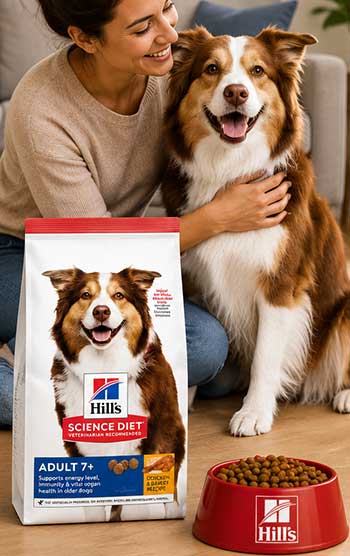
- Science-Backed Wellness: Hill’s emphasizes clinical studies for their Science Diet and Prescription Diet lines. When my dog faced joint stiffness, the clinically tested joint support visibly improved his mobility within weeks, backed by research I could discuss with my vet.
- Real Meat Focus: Many formulas highlight recognizable animal proteins first, which aligns with my preference for straightforward ingredients. This contributes to strong acceptance and sustained energy in my active pets.
- Joint and Mobility Support: Added glucosamine and chondroitin levels help larger breeds and seniors stay comfortable. My Labrador maintained better movement during hikes thanks to these inclusions.
- Urinary and Kidney Care: The Prescription Diet formulas manage mineral balances effectively for cats prone to crystals. My senior cat stabilized well with consistent use, showing normal energy and litter box habits.
- Allergen-Friendly Options: Hydrolyzed protein recipes reduce allergic reactions for sensitive pets. One of my dogs with food sensitivities thrived without constant itching or ear issues.
- Life-Stage Precision: Options cover every age clearly, with adjusted calorie and nutrient profiles. Transitions between puppy, adult, and senior felt seamless in my household.
- Dental Care Variants: Special kibble textures promote chewing that helps control tartar. Annual vet cleanings showed measurable improvements for my dogs.
- Affordable Daily Feeding: The balance of quality and price makes it practical for everyday use without compromising core nutrition.
Pros of Hill’s
- Cost Effectiveness: Reliable nutrition at a more accessible price point helps when feeding multiple pets or during tighter months.
- Clinical Reliability: Strong vet endorsement for therapeutic needs provides reassurance during health challenges.
- Whole Meat Inclusion: Clear protein sources appeal to natural feeding instincts and support muscle maintenance well.
- Skin and Coat Health: Balanced omegas reduce dryness and promote shine, noticeable in softer fur and less shedding.
- Weight Management Success: Dedicated formulas allow steady control without hunger complaints from pets.
- Wide Availability: Easy to source at stores and clinics, reducing planning stress.
- Digestive Prebiotics: Gut support leads to consistent digestion across different life stages.
- Senior Formulas: Antioxidants help preserve cognitive function, keeping my older pets mentally engaged.
- Puppy and Kitten Growth: Carefully controlled growth rates support proper development without strain.
- Allergy Management: Effective options minimize reactions, improving quality of life for sensitive animals.
Cons of Hill’s
- Palatability Variability: Some of my pets preferred the taste profiles of competitors, requiring toppers occasionally.
- Grain-Heavy Recipes: Higher grain content can trigger issues in grain-sensitive pets, needing close monitoring.
- Less Breed Specificity: General approaches work broadly but lack the fine-tuned customization some breeds benefit from.
- Kibble Size Issues: Larger pieces occasionally challenge small-mouthed pets or kittens.
- Transition Adjustments: A short adjustment phase with possible loose stools occurred for a couple of my animals.
- Prescription Access: Vet involvement is needed for specialized diets, which can feel like an extra hurdle.
- Flavor Options: Limited exotic varieties for extremely selective eaters compared to some rivals.
- Caloric Density in Some: Requires vigilant portion control to maintain ideal weight.
- By-Product Concerns: Present in select formulas, though formulated to high standards.
- Market Competition: Can feel less specialized in a crowded field of breed-focused alternatives.
Also Read: My Experience With Carna4 Dog Food.
Frequently Asked Questions (FAQ)
Many cats show stronger preference for Royal Canin due to its tailored aromas and textures, though individual tastes vary.
No universal #1 exists, but vet-recommended options like targeted formulas from these brands often rank high for balanced nutrition and condition support.
It involved allegations around prescription diet marketing practices, with legal proceedings focusing on jurisdictional aspects rather than product safety.
Preferences differ, but Hill’s and Royal Canin frequently appear among top vet-recommended choices for evidence-based nutrition.
Final Thoughts
After all this time testing and analyzing Royal Canin and Hill’s side by side, I believe both represent strong choices that prioritize pet health through science and care.
You now have the details to pick what aligns with your budget, your pet’s preferences, and specific needs.
I encourage you to start with small bags, monitor closely, and adjust as you go. Your furry companions deserve nutrition that fits their individual lives, and both brands offer solid paths forward.
Keep observing, stay consistent, and celebrate the improvements you see together.