
When I started hunting for a robot that could vacuum and mop without me hovering over it every day, the Roomba Plus 405 and Roomba Plus 505 quickly became the two models I wanted to test side by side.
Both bring spinning mop pads, self-emptying docks, and LiDAR mapping to the table, yet they split on key upgrades like obstacle detection and edge reach.
This comparison walks you through how they actually behave in a real home with mixed floors, pets, and everyday mess so you can decide which one earns a spot in your space.
| Feature | Roomba Plus 405 | Roomba Plus 505 |
| Suction Power | 7000 Pa (70x older 600-series models) | 7000 Pa (same rating) |
| Mop System | Dual spinning pads, auto 10mm lift | Dual spinning pads with extension arm, auto 10mm lift |
| Navigation | ClearView LiDAR | ClearView Pro LiDAR + PrecisionVision AI camera |
| Dock Functions | Auto-empty (75 days), mop wash, ambient air dry | Auto-empty (75 days), mop wash, hot air dry |
| Obstacle Avoidance | Basic bump + LiDAR sensors | AI camera recognizes cords, socks, toys, pet waste |
| Edge & Corner Cleaning | Standard edge brush | Extended mop arm reaches farther into corners |
| Runtime (claimed) | Up to ~120 minutes | Up to ~180 minutes in some tests |
| App Control | Roomba Home app, 4 modes, suction levels | Same app + more precise room control |
| Approx. Price Range | Often $400–700 | Often $600–1000 (frequent discounts) |
| Best For | Budget-conscious homes wanting solid basics | Homes that need smarter avoidance and better edges |
Key Differences Between The Roomba Plus 405 And Roomba Plus 505
- Navigation And Obstacle Handling Set Them Apart In Cluttered Homes
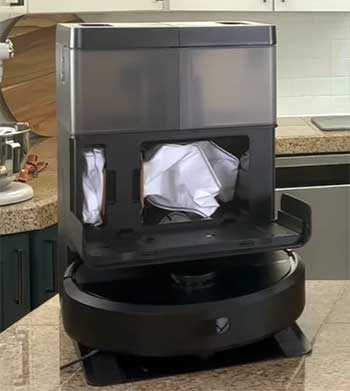
The 405 relies on LiDAR to build quick maps and move room to room, which works fine for open layouts.
It still bumps into low obstacles like charging cables or stray socks and sometimes needs a gentle nudge from you to get unstuck.
In my place with kids’ toys scattered after playtime, that meant a few extra rescues during longer runs.
The 505 adds a front-facing camera with PrecisionVision AI on top of upgraded LiDAR.
It spots and dodges smaller items more consistently, learning patterns over time so it flows around furniture legs and pet bowls without drama.
That reliability cuts down on interruptions and keeps the cleaning cycle moving, especially useful if you run it while you’re out or asleep.
- Mop Extension And Edge Performance Give The 505 A Clear Edge On Detail Work
Both use the same DualClean spinning pads that rotate to scrub rather than just drag moisture across floors, and both lift those pads automatically when they sense carpet.
The 405 stops short of tight corners and baseboards more often, leaving a thin strip you might still hit with a quick manual wipe.
The 505’s right-side mop arm swings outward during edge passes, letting the pads reach deeper into corners and along walls.
After testing both on my kitchen tile with dried coffee spills and crumbs pushed against the cabinets, the 505 left noticeably less residue behind without extra effort from me.
Also Read: Differences Between Roomba j9 And s9 Smart Vacuums.
- Dock Drying Method Affects How Fresh The Mops Stay Between Uses
Both docks empty the dustbin into a bag that lasts up to 75 days and wash the mop pads automatically after each run.
The 405 uses ambient air to dry the pads, which works but can leave them slightly damp for several hours and sometimes allows mild odor to build if your home runs humid.
The 505 adds heated air drying, which finishes the job faster and reduces the chance of bacteria or smells developing.
For anyone who runs the robot daily or has pets that track in extra dirt, that hot-air step keeps the whole system feeling cleaner with less manual pad swapping.
- Suction And Carpet Results Stay Close But Reveal Small Practical Gaps
Both carry the same 7000 Pa rating and use a single rubber roller plus edge brush, plus they boost power on carpet when the sensors detect it.
The 405 handled everyday dust, crumbs, and light pet hair on my low-pile rugs without complaint, though deeper embedded dirt sometimes needed a second pass.
The 505 showed similar everyday pickup and felt a touch more consistent on medium carpet during longer sessions, likely helped by refined airflow tuning and the AI helping it avoid getting sidetracked.
Neither replaces a deep carpet clean from a full-size vacuum, but both manage daily maintenance well on mixed floors.
- App Experience And Customization Options Mirror Each Other With Minor Refinements
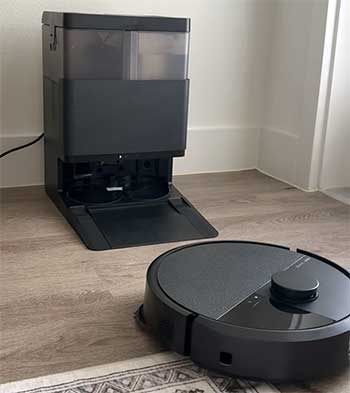
You get the same Roomba Home app on both, letting you choose vacuum-only, mop-only, combo, or vacuum-then-mop runs, plus four suction levels and SmartScrub for extra back-and-forth action on tough spots.
The 405 maps your space quickly and supports room schedules or no-mop zones.
The 505 builds on that with slightly sharper room recognition from the camera data, making it easier to target high-traffic areas or avoid certain zones without redrawing boundaries.
Both apps have occasional hiccups with slow updates or quirky menus, but once set up they let you tweak runs from your phone without much fuss.
- Physical Size, Weight, And Noise Levels Stay Nearly Identical
Both robots measure around 35 cm across and stand about 10–11 cm tall, so they slide under most furniture.
The 505 feels a hair heavier in the hand but moves with the same smooth confidence. Noise stays in the typical 58–66 dB range during normal cleaning and jumps when the dock empties the bin.
Neither model screams loudly enough to disturb conversations in the next room, though the dock emptying sound is the loudest part of the cycle on both.
- Price And Long-Term Value Shift The Decision Based On Your Priorities
The 405 usually lands at a lower street price, making it the smarter buy if you mainly want reliable spinning mops, self-emptying, and basic LiDAR without paying for extras.
The 505 costs more upfront but returns that difference through fewer stuck moments, better corner reach, and fresher mop pads thanks to hot-air drying.
Over a year or two of daily use, the reduced manual intervention can make the higher model feel like the better investment for busy households or larger spaces.
Key Features of the Roomba Plus 405
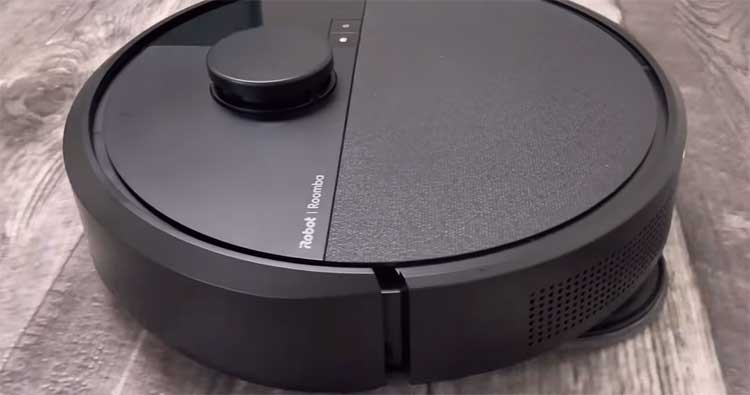
- DualClean spinning mop pads rotate at speed to scrub light dirt and film from hard floors while the auto-lift system keeps them dry on carpets and rugs.
- AutoWash dock empties the dustbin into a 75-day bag, washes the mop pads, and refills the clean water tank so you touch the system only every few weeks.
- ClearView LiDAR builds accurate maps fast, letting you schedule room-by-room cleans or set virtual barriers right from the app.
- Four cleaning modes plus SmartScrub give you control: run vacuum first then mop, or add extra scrubbing passes on sticky spots without changing hardware.
- Four suction levels and carpet boost adjust power automatically or manually so you can quiet it down for daytime runs or max it for heavy traffic areas.
- Single rubber roller brush plus edge-sweeping brush handle pet hair, crumbs, and dust along baseboards without the tangling older bristle brushes used to cause.
- App-based Dirt Detect style sensing increases passes over areas that need more attention, reducing the chance of missed spots in busy zones.
- 10 mm mop lift and threshold climbing up to about 2 cm let it move between hard floors and low rugs without getting stuck or spreading moisture.
Pros of the Roomba Plus 405
- Strong value when the 405 goes on sale because you still get spinning mops, auto-lift, and a full self-emptying dock without the premium add-ons.
- Quick LiDAR mapping means you can set it up and start scheduled runs the same day instead of waiting for slow camera learning.
- Everyday hard-floor mopping with the rotating pads leaves tiles and hardwood looking fresher than older drag-pad designs, especially on light daily grime.
- Low weekly maintenance once the dock bag and water tanks are set; most users only swap pads or empty the external bag every month or two.
- Carpet vacuuming works reliably for dust and hair while the mop lift protects rugs, so mixed-floor homes don’t need separate machines.
- Quiet enough during normal passes that you can run it while working from home or watching TV in another room.
- Solid build and iRobot’s app ecosystem make it feel familiar if you already own other smart home devices from the brand.
Also Read: Differences Between Roomba j7 And j9 Smart Vacuums.
Cons of the Roomba Plus 405
- Basic obstacle avoidance means it can still push lighter items like cables or socks around instead of dodging them cleanly.
- No mop extension leaves a visible strip near some baseboards and tight corners that requires occasional manual touch-up.
- Ambient air drying on the dock pads can leave them damp longer, which occasionally leads to mild odor if your home stays humid.
- App occasionally feels slow or confusing when you try to adjust maps or run targeted cleans, requiring extra taps.
- Suction on thicker or high-pile carpet stays average rather than exceptional, so very embedded dirt may need repeat passes or a follow-up tool.
- Some early units showed longer software update times that temporarily paused scheduling until finished.
Key Features of the Roomba Plus 505
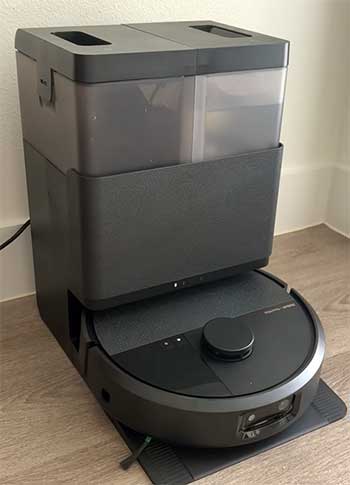
- DualClean spinning mop pads with an extending arm on one side reach deeper into corners and along edges while still lifting automatically on carpet.
- PrecisionVision AI camera combined with Pro LiDAR spots cords, socks, small toys, and pet waste and steers around them instead of bumping through.
- AutoWash dock adds hot-air drying after washing the mop pads, cutting dry time and keeping pads fresher between runs.
- Same four modes, four suction levels, and SmartScrub as the 405, plus sharper room recognition that makes custom schedules feel more precise.
- Larger claimed runtime in real tests and refined power management help it finish bigger homes or multiple floors on a single charge.
- Multi-surface rubber brush and edge brush work with the extended mop to leave fewer missed lines along walls and furniture legs.
- Full self-maintenance cycle—empty bin, wash and dry pads, refill water—runs with minimal smell thanks to the heated drying step.
- App supports the same no-mop zones and room targeting while benefiting from camera data for smoother obstacle mapping over time.
Pros of the Roomba Plus 505
- AI camera avoidance reduces stuck situations and keeps the robot moving through homes with kids’ toys or pet clutter without constant rescues.
- Extended mop arm delivers noticeably cleaner edges and corners, cutting down the spots you still have to hit by hand.
- Hot-air mop drying keeps pads drier and fresher, which matters if you run daily cycles or have sensitive noses in the house.
- Sharper mapping and room control make it easier to create precise schedules that match how your family actually uses each space.
- Same strong spinning mop scrubbing as the 405 plus the extra reach means hard floors stay cleaner with less effort overall.
- Slightly better real-world runtime consistency helps it finish larger or multi-level homes without recharging mid-cycle.
- Fewer manual interventions overall translate into real time savings for busy households that want set-it-and-forget-it cleaning.
Also Read: Differences Between Roomba j6 And j7 Smart Vacuums.
Cons of the Roomba Plus 505
- Higher starting price means you pay more upfront even when both models frequently discount, so the value gap narrows only if you use the extra features daily.
- Still shares the same app quirks as the 405, including occasional slow responses or menu navigation that isn’t the most intuitive.
- Carpet performance, while improved, remains average on thicker piles compared with some competitor models that push higher suction numbers.
- Dock emptying noise stays noticeable even if the cleaning pass itself stays reasonable, which can startle pets or wake light sleepers.
- Larger dock footprint takes up more floor space than basic charging stations, so small apartments need to plan placement carefully.
- Some users report the camera occasionally missing very small or clear items until the robot has learned the specific layout over multiple runs.
How These Models Fit Different Homes and Lifestyles?
If your space is mostly hard floors with a few low rugs and you want maximum set-and-forget convenience on a tighter budget, the 405 handles daily dust, crumbs, and light mopping without overcomplicating things.
Pet owners who deal with constant hair will appreciate the rubber roller on both models, though the 505’s better avoidance keeps it from getting derailed by toys or bowls as often.
Families with kids benefit more from the 505 because the camera reduces the chance of the robot dragging a sock or block across the room and creating new messes.
Larger homes or anyone who hates seeing missed lines along baseboards will notice the 505’s extended mop making a visible difference after a week of regular use.
In short, the 405 gives you strong core performance at a friendlier price, while the 505 layers on refinements that reduce friction in busier or more complex layouts.
Which One Should You Choose?
After running both through normal weeks of use, the 405 wins on pure value for straightforward homes that mainly need reliable spinning mops and low maintenance.
The 505 pulls ahead when you want fewer interruptions from obstacles, cleaner edges without extra work, and mop pads that dry faster and stay fresher.
Your choice ultimately comes down to how much those specific upgrades matter in your daily routine and what fits your current budget.
Both beat older Roomba combo models on mopping feel and dock convenience, so either one moves you forward from basic vacuums.
Also Read: Differences Between Roomba j6+ And Shark Matrix Plus.
Frequently Asked Questions (FAQ)
It performs well for everyday vacuuming and mopping on hard floors and low carpets, with convenient self-emptying and pad washing that keeps maintenance low. The app and basic obstacle handling are the main areas that could feel smoother.
Between the 405 and 505, the 505 delivers more refined obstacle avoidance, better edge reach, and faster mop drying, making it the stronger performer for most users who can stretch the budget. The overall “best” Roomba still depends on whether you need even higher-end models beyond these two.
It is worth the extra cost if you have clutter, kids, or pets that create frequent obstacles, or if you want the mop pads to dry quickly and edges cleaned more thoroughly without manual follow-up. For simpler spaces the 405 covers the essentials at a lower price.
Yes, it vacuums carpets and rugs effectively while automatically lifting the mop pads 10 mm to avoid wetting them. It handles daily dust and hair on low- to medium-pile surfaces, though very thick carpet may benefit from repeat passes.
Final Thoughts
After weighing the features, performance gaps, and real-home trade-offs, you now have a clear view of where each model shines. Pick the 405 when budget and solid basics matter most, or step up to the 505 when you want the extras that cut down on daily friction.
Either way, both bring modern spinning mops and hands-off dock care that make floor cleaning far less of a chore than it used to be.