
When I compare rockwool and fiberglass insulation, I’m really trying to answer one practical question: which material gives you the better balance of comfort, safety, durability, sound control, and value?
Both are popular, both can work well, and both show up in walls, attics, basements, and ceilings. But they behave differently once installed.
In this guide, I’ll walk you through the real-world pros, cons, features, and trade-offs so you can choose the insulation that actually fits your home, budget, and priorities.
| Feature | Rockwool Insulation | Fiberglass Insulation |
| Main Material | Stone wool made from basalt rock and recycled slag | Fine glass fibers made from sand and recycled glass |
| Thermal Performance | Strong and stable, especially in damp or fire-risk areas | Good and widely used for general insulation |
| Fire Resistance | Excellent; highly heat-resistant | Good, but less heat-resistant than rockwool |
| Sound Control | Very strong sound absorption | Moderate sound absorption |
| Moisture Resistance | Repels water and dries well | Can lose performance if wet or compressed |
| Ease of Cutting | Cuts cleanly with a serrated knife | Soft and flexible, but can be messy |
| Installation Feel | Denser, firmer, easier to friction-fit | Lightweight, itchy, and easier to over-compress |
| Cost | Usually more expensive | Usually more affordable |
| Best For | Soundproofing, fire resistance, basements, exterior walls | Attics, large areas, budget-conscious projects |
| Overall Strength | Durability, safety, acoustic control | Affordability, availability, basic thermal comfort |
Key Differences Between Rockwool And Fiberglass Insulation
- Material Composition
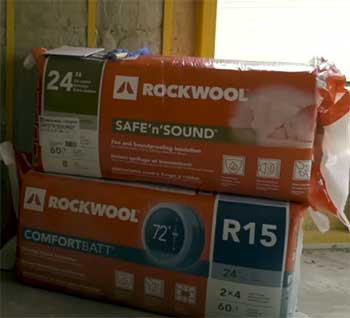
Rockwool is made from stone-based fibers, while fiberglass is made from glass-based fibers.
That difference matters because it affects density, durability, heat resistance, and moisture behavior.
When I compare them side by side, rockwool feels more rigid and substantial.
Fiberglass feels softer, lighter, and fluffier.
Neither one is automatically “bad,” but they are clearly built with different strengths.
- Thermal Performance
Both rockwool and fiberglass can provide strong thermal insulation. The exact R-value depends on product thickness, density, and installation quality.
In many wall cavities, rockwool often offers slightly better R-value per inch than standard fiberglass batts. But the bigger point is consistency. Rockwool tends to hold its shape better, which helps it maintain performance over time.
Fiberglass can perform very well too, but only if it is installed without compression, gaps, or sloppy edges.
- Fire Resistance
This is one of rockwool’s biggest advantages. Rockwool can withstand very high temperatures and does not easily burn. That makes it especially appealing around garages, mechanical rooms, exterior walls, and areas where fire safety is a major concern.
Fiberglass is also non-combustible in many forms because it is made from glass fibers. However, some fiberglass products include facings, binders, or paper layers that can affect fire behavior. Rockwool generally wins this category because of its higher heat tolerance and fire-blocking performance.
- Moisture Resistance
Rockwool repels water better than fiberglass. It does not absorb moisture the same way many fibrous insulation materials can, and it can dry out while keeping much of its structure.
Fiberglass can struggle if it gets wet. Moisture can reduce its insulating ability, encourage settling, and contribute to mold problems if the surrounding materials stay damp. The fiberglass itself may not be mold food, but dust, paper facing, and nearby wood or drywall can become a problem.
For damp-prone spaces like basements, crawl-space rim joists, and exterior walls, I would lean toward rockwool.
- Sound Control
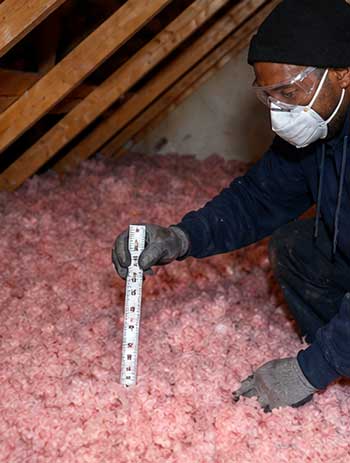
Rockwool is the stronger sound-control material.
Its density helps absorb airborne noise, reduce echo, and make rooms feel quieter.
Fiberglass can help with sound too, especially inside interior walls, but it usually does not match rockwool’s acoustic performance.
If you are insulating a bedroom, office, nursery, laundry room, bathroom, or media room, rockwool has a clear comfort advantage.
- Installation Experience
Fiberglass is light and flexible, so it is easy to carry and place.
But it can also be itchy, dusty, and annoying to cut cleanly. It compresses easily, and that can hurt performance.
Rockwool is heavier and more expensive, but I find it easier to cut precisely. It friction-fits into cavities and tends to stay where you put it. For a careful DIY installer, that can make the final job look cleaner.
- Cost
Fiberglass is usually cheaper. That is a major reason it remains so popular.
Rockwool usually costs more upfront. But the higher cost may make sense if you value fire resistance, noise reduction, moisture control, and long-term shape stability.
Key Features of Rockwool Insulation
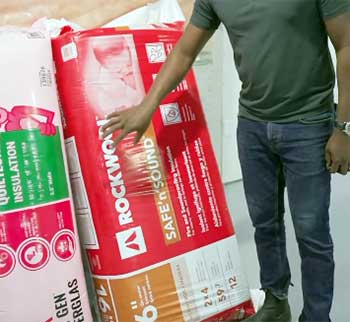
- Dense Stone Wool Structure: Rockwool has a firm, dense structure that helps it stay in place. I like this feature because insulation should not just perform well on day one; it should keep performing years later. In wall cavities, rockwool batts are less likely to slump compared with lighter materials.
- High Fire Resistance: One of rockwool’s standout features is its fire resistance. If you care about passive fire protection, this is a serious point in its favor. It can slow the spread of heat and flame, which gives your home an added layer of protection.
- Strong Acoustic Performance: Rockwool absorbs sound impressively well. It is not magic, and it will not make a room perfectly silent by itself, but it can make walls and ceilings feel much more solid. If you work from home or have noisy plumbing, appliances, traffic, or neighbors, you may appreciate this every day.
- Water-Repellent Behavior: Rockwool does not easily soak up water. That makes it useful in places where moisture is a concern. It still needs proper air sealing, vapor control, and drainage design, but the material itself is more forgiving than fiberglass when dampness enters the picture.
- Easy Friction Fit: Because rockwool batts are firm, they can fit tightly between framing members. This helps reduce gaps and air pockets. Since gaps are the enemy of insulation performance, this feature matters more than many people realize.
Also Read: Differences Between FOAMULAR 150 And 25 Insulation.
Pros of Rockwool Insulation
- Excellent Fire Resistance: This is one of the main reasons I would choose rockwool in higher-risk areas. It adds a level of protection that feels meaningful, especially in garages, utility rooms, and shared walls.
- Better Sound Dampening: Rockwool makes rooms feel quieter and more private. That matters in real life. A quieter bedroom, office, or bathroom can make your home feel more comfortable and better built.
- Handles Moisture Better: Rockwool’s water-repellent nature gives it an edge in damp environments. It is not a substitute for fixing leaks, but it is less fragile when moisture appears.
- Holds Its Shape Well: Because it is dense and rigid, rockwool resists sagging and settling. I see this as a long-term performance advantage.
- Cleaner Cavity Fit: Rockwool batts are easy to cut accurately and press into place. That can reduce gaps around outlets, pipes, wires, and framing.
Cons of Rockwool Insulation
- Higher cost: Rockwool is usually more expensive than fiberglass. If you are insulating an entire house, that price difference can become significant.
- Heavier material: The density that makes rockwool effective also makes it heavier. Carrying and installing it overhead can be tiring.
- Can still irritate skin and lungs: Rockwool is often less itchy than traditional fiberglass for some people, but it can still release fibers and dust during cutting and handling. I would still wear gloves, long sleeves, eye protection, and a proper mask.
- Not always necessary: In some basic attic applications, fiberglass may provide enough performance at a lower cost. Rockwool is excellent, but you do not always need the premium option everywhere.
Key Features of Fiberglass Insulation
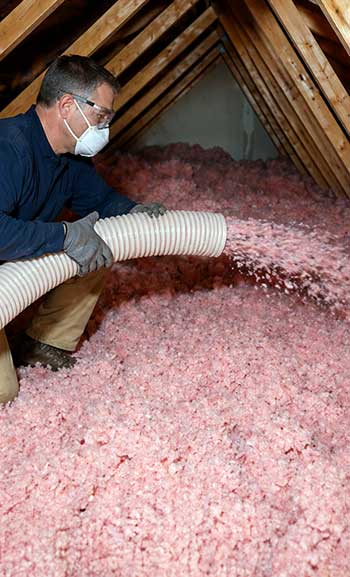
- Lightweight and flexible: Fiberglass is easy to transport, lift, and place. For big attic jobs or long wall runs, that light weight can be a major convenience. If you are covering a lot of square footage, fiberglass makes the project less physically demanding.
- Budget-friendly pricing: The biggest fiberglass advantage is cost. If you need to insulate a large attic or unfinished space on a tighter budget, fiberglass gives you a lot of coverage for the money.
- Wide availability: Fiberglass is everywhere. You can find it in home improvement stores, contractor suppliers, and insulation shops. It comes in many widths, thicknesses, R-values, and formats.
- Good thermal insulation: When installed correctly, fiberglass can absolutely improve comfort and reduce heating and cooling loss. It is not a weak material. The issue is that installation quality matters a lot. A poorly installed fiberglass batt can underperform badly.
- Works well in attics: Fiberglass loose-fill and batts are common in attics for a reason. Attics often need lots of insulation, and fiberglass gives homeowners a practical way to add thermal protection without overspending.
Pros of Fiberglass Insulation
- Affordable: Fiberglass is hard to beat on price. If your main goal is improving thermal performance without blowing up your budget, it deserves a serious look.
- Easy to find: You can buy fiberglass almost anywhere. That makes planning, pricing, and replacing sections much easier.
- Lightweight: Fiberglass batts and rolls are easy to move around. For DIY attic work, this can be a real advantage.
- Effective when installed properly: Fiberglass gets criticized a lot, but the material can perform well. The key is careful installation: no gaps, no compression, no missing sections, and proper air sealing.
- Good for large coverage areas: When you need to insulate a large attic, fiberglass can be the practical winner. It offers a strong cost-to-coverage ratio.
Also Read: Is Tiger Foam Insulation Worth It?
Cons of Fiberglass Insulation
- Loses Performance When Compressed: Fiberglass depends on trapped air for insulation. When it gets squeezed, it loses some of that insulating power. This is a common problem around wires, pipes, corners, and tight cavities.
- More Vulnerable To Moisture Problems: Wet fiberglass is not your friend. It can slump, lose effectiveness, and create conditions where nearby materials may develop mold.
- Itchy And Uncomfortable To Install: Fiberglass fibers can irritate skin, eyes, and breathing passages. Protective gear is not optional if you want a decent installation experience.
- Weaker Sound Control: Fiberglass helps somewhat with noise, but rockwool is usually better if soundproofing is a priority.
- Can Be Installed Poorly Without Looking Obvious: Fiberglass is forgiving in one way and unforgiving in another. It is easy to stuff into a space, but it is also easy to install badly. A wall can look insulated while still having hidden gaps and compressed areas.
Which Insulation Is Better For Different Areas?
- Exterior Walls: I would choose rockwool if the budget allows. It gives you better sound control, fire resistance, and moisture resilience. Fiberglass still works, especially in standard wall cavities, but rockwool feels like the stronger long-term choice.
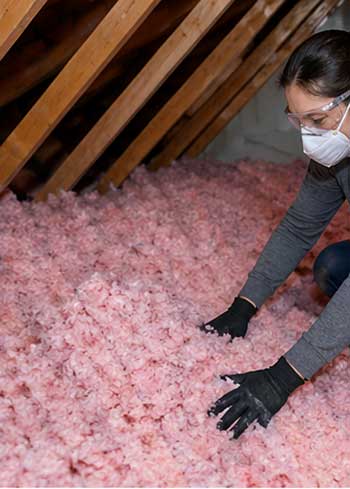
- Attics: Fiberglass often makes the most sense here because it is affordable and easy to use over large areas. If the attic has moisture issues, fire concerns, or noise problems, rockwool may be worth considering.
- Basements: I prefer rockwool for basements. Below-grade areas are more likely to deal with dampness, temperature swings, and musty air. Rockwool’s moisture resistance gives it a practical advantage.
- Interior walls: For sound control, rockwool wins. I would use it around bedrooms, bathrooms, offices, media rooms, laundry rooms, and shared walls.
- Garages: Rockwool is my pick for garages because of fire resistance and sound control. If the garage connects to your living space, the upgrade can feel worthwhile.
Rockwool Vs. Fiberglass: My Practical Verdict
If I were choosing insulation only by price, fiberglass would win. It is affordable, available, and effective when installed with care.
But if I were choosing based on overall performance, I would pick rockwool in many situations. It handles fire, sound, moisture, and long-term fit better. It feels like the more complete product, especially for walls, basements, garages, and rooms where comfort matters.
That does not mean fiberglass is a poor choice. It means you should match the material to the job. Use fiberglass where budget and coverage matter most. Use rockwool where safety, sound, moisture resistance, and durability matter more.
Also Read: Differences Between Tiger Foam And Froth-Pak.
Frequently Asked Questions (FAQ)
Rockwool costs more than fiberglass, feels heavier to install, and can still irritate skin, eyes, and lungs during handling. It may also be unnecessary for simple low-budget attic projects.
Rockwool is usually better for fire resistance, sound control, moisture resistance, and shape stability. Fiberglass is usually better for affordability and large-area coverage.
Mice generally do not eat rockwool, but they may still nest around or inside many insulation types if they can access the space. Sealing entry points matters more than relying on insulation alone.
The healthiest option depends on installation, air sealing, moisture control, and product type. Rockwool is often favored for low moisture absorption and fire resistance, while properly installed fiberglass can also be safe once enclosed.
Wrapping Up
When I look at rockwool vs. fiberglass insulation from a real homeowner’s perspective, I do not see one universal winner. I see two useful materials with different personalities. Fiberglass is the budget-friendly workhorse.
Rockwool is the tougher, quieter, more fire-resistant upgrade.
If you want the lowest upfront cost, fiberglass may serve you well. If you want better sound control, moisture resistance, and peace of mind, rockwool is hard to ignore.
My advice is simple: choose fiberglass for broad, affordable coverage and choose rockwool where performance matters most. That way, you spend smart instead of simply spending more.