
When I compare Rheem vs. Bryant, I’m looking beyond brand names and showroom promises. I want to know which one gives you better comfort, lower energy bills, stronger reliability, easier service, and better value over the long run.
If you’re choosing between these two HVAC brands, this guide will help you understand where each one shines, where each one falls short, and which one may fit your home, climate, and budget better.
| Category | Rheem | Bryant |
| Best For | Homeowners who want solid value, dependable performance, and easier affordability | Homeowners who want premium comfort options, strong dealer support, and advanced systems |
| Price Range | Usually more budget-friendly to mid-range | Usually mid-range to premium |
| Efficiency Options | Good high-efficiency furnaces, AC units, and heat pumps | Strong high-efficiency lineup, especially in variable-speed systems |
| Comfort Features | Reliable temperature control with some smart features | Better advanced comfort control in higher-end models |
| Noise Level | Generally quiet, especially higher-tier models | Very quiet in premium models |
| Warranty | Competitive warranties, often strong on parts | Strong warranties, often tied to certified installation |
| Availability of Parts | Usually easy to source | Usually easy through Bryant/Carrier dealer networks |
| Installation Sensitivity | Important, but generally forgiving with standard systems | Very dependent on skilled installation for top-tier performance |
| Overall Value | Excellent value for practical buyers | Excellent performance for buyers willing to spend more |
Key Differences Between Rheem and Bryant
- Price And Overall Value
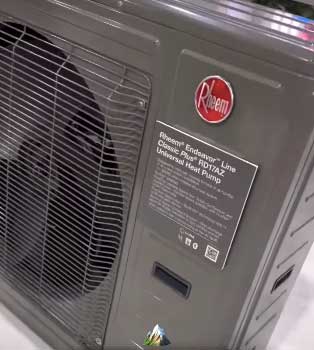
Rheem usually wins if you’re trying to balance cost and performance.
Many homeowners choose Rheem because it offers respectable efficiency, solid build quality, and good warranty coverage without feeling overpriced.
If I were replacing an older system in a typical home and wanted dependable comfort without stretching the budget too far, Rheem would be very high on my list.
Bryant often costs more, especially when you move into its higher-end Evolution models.
But that higher price can make sense if you care about ultra-quiet operation, tighter temperature control, and better humidity management. Bryant feels more premium when you compare top-tier systems side by side.
- Comfort Technology
Bryant has an edge in advanced comfort features. Its premium systems often include variable-speed compressors, modulating gas valves, smart thermostat integration, and better airflow control. This can help reduce hot and cold spots, keep humidity in check, and make the home feel more consistently comfortable.
Rheem also offers advanced features, but its strongest appeal is not always cutting-edge comfort. It is more about dependable heating and cooling at a price that feels reasonable. Rheem’s higher-end systems can still be efficient and comfortable, but Bryant generally has the stronger premium comfort story.
- Dealer And Installation Network
Bryant is owned by the same parent company as Carrier, and it benefits from a strong dealer network. Many Bryant systems are sold through trained dealers, which can be a major advantage if you find a good contractor. The downside is that pricing can vary a lot depending on the dealer, region, and installation package.
Rheem is also widely available and has a large contractor network. I like that Rheem systems are often easier to compare across quotes because they tend to sit in a more accessible price range. Still, with either brand, I would rather hire an excellent installer with a mid-tier unit than a careless installer with a top-tier unit.
- Efficiency Range
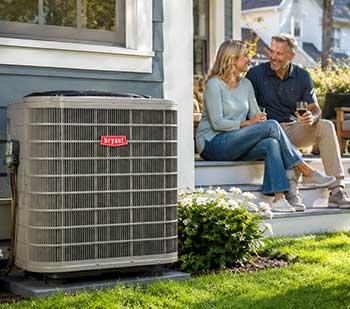
Both brands offer efficient furnaces, air conditioners, and heat pumps.
Bryant may have the advantage at the very high end, especially with variable-speed systems designed for premium performance.
Rheem is competitive in the mid-range and high-efficiency categories, giving you plenty of options if your goal is to reduce energy use without overbuying.
The real question is whether the extra efficiency is worth the extra cost. In a mild climate, a premium system may take a long time to pay for itself. In a very hot, humid, or cold region, better efficiency and comfort control may matter much more.
- Repair And Maintenance Experience
Rheem is often viewed as straightforward to service. Many technicians are familiar with the equipment, parts are usually available, and repairs are often manageable. Bryant is also serviceable, but some premium systems can be more complex. Variable-speed and communicating systems may require a contractor who understands Bryant’s controls and diagnostics.
That complexity is not bad. It just means you need the right installer and service company. A high-end HVAC system is only a good investment if someone nearby knows how to maintain it properly.
Rheem Key Features
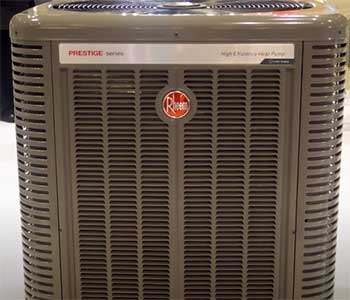
- Strong Mid-Range Equipment Lineup: Rheem does a great job serving homeowners who want dependable HVAC equipment without going straight to luxury pricing. Its furnaces, air conditioners, and heat pumps cover the common needs of most homes: reliable heating, steady cooling, reasonable efficiency, and manageable ownership costs.
- Good Energy-Efficient Options: Rheem offers high-efficiency gas furnaces and air conditioners that can help lower utility bills compared with older systems. I like that Rheem gives homeowners a practical path toward efficiency without making every upgrade feel like a major financial leap.
- User-Friendly Smart Controls: Rheem systems can pair with smart thermostats and connected controls, depending on the model. This is useful if you want scheduling, remote access, alerts, and better control over comfort settings. It may not always feel as polished as some premium Bryant setups, but it gets the job done for many households.
- Broad Product Selection: Rheem makes gas furnaces, electric furnaces, central air conditioners, heat pumps, packaged units, and water heating products. That broad range can be helpful if you want one brand across multiple home comfort systems.
- Practical Repair Profile: One reason I respect Rheem is that many of its systems are not overly complicated. That can make diagnosis and repairs easier for technicians. For homeowners, that often means less stress when something goes wrong.
Rheem Pros
- Better Value For Budget-Conscious Homeowners: Rheem is often the better pick if you want a dependable system at a fair price. I would not call it basic; I would call it sensible. It gives you what most homeowners actually need: reliable comfort, decent efficiency, and reasonable repair expectations.
- Solid Reliability When Installed Correctly: A properly installed Rheem system can last many years with routine maintenance. Like any HVAC brand, it needs clean filters, proper airflow, annual service, and correct sizing. But Rheem has a good reputation as a practical workhorse.
- Easier To Justify Financially: Not every homeowner needs a top-of-the-line communicating system. If your current unit is old and inefficient, even a mid-range Rheem can feel like a huge upgrade. Lower upfront cost can also leave room in the budget for duct improvements, insulation, or a better thermostat.
- Good Choice For Rental Properties And Standard Homes: For rental homes, starter homes, and average-sized houses, Rheem often makes a lot of sense. It is not overly fancy, but it is capable. I like it for situations where the goal is dependable comfort without overspending.
- Wide Availability: Because Rheem is common, many contractors can install and service it. That can reduce headaches later when you need parts, maintenance, or repairs.
Rheem Cons
- Premium Comfort Features May Not Match Bryant: Rheem’s higher-end systems are good, but Bryant often feels more refined at the top of the lineup. If you want the quietest operation, most precise temperature control, and strongest humidity management, Bryant may be more appealing.
- Contractor Quality Still Varies: Rheem’s value can disappear quickly if the installation is sloppy. Bad ductwork, poor refrigerant charge, wrong sizing, and weak airflow can ruin performance. The brand cannot save a bad install.
- Some Models Are More Basic: Entry-level Rheem systems may lack advanced features. They can still heat and cool well, but they may be louder, less efficient, or less consistent than premium options.
- Brand Perception Is Less Premium: Rheem is respected, but it does not always carry the same premium feel as Bryant, Carrier, Trane, or Lennox. That may not matter to you, but it can influence resale conversations or homeowner confidence.
Bryant Key Features
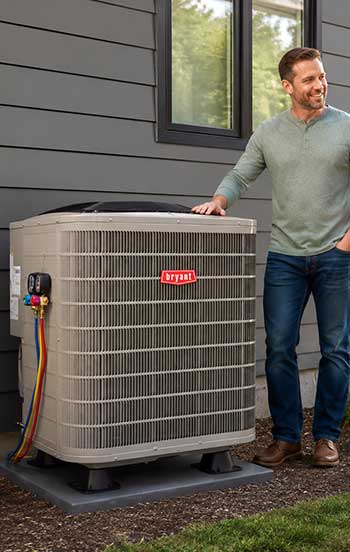
- Premium Comfort Systems: Bryant’s top-tier systems are built for homeowners who want more than basic heating and cooling. Variable-speed air conditioners, modulating furnaces, and communicating controls can keep indoor temperatures more even and reduce the annoying on-off cycling that cheaper systems often have.
- Quiet Operation: Bryant is especially strong when noise matters. Its premium air conditioners and furnaces can run quietly enough that you may barely notice them. If your outdoor unit sits near a bedroom, patio, or neighbor’s window, this can be a real advantage.
- Advanced Humidity Control: In humid climates, Bryant’s higher-end systems can do a better job removing moisture from the air. That matters because comfort is not just about temperature. A home set to 74°F can still feel sticky if humidity is too high. Bryant’s better systems can help with that.
- Strong Dealer Support: Bryant’s dealer network is a major selling point. A good Bryant dealer can size the system correctly, explain model differences, set up advanced controls, and provide ongoing maintenance. That dealer relationship can make ownership smoother.
- Shared Engineering Family With Carrier: Bryant is closely related to Carrier, and many homeowners like that connection. It gives Bryant a premium reputation without always reaching Carrier-level pricing. In many cases, Bryant feels like a smart middle ground between mainstream and luxury HVAC.
Bryant Pros
- Excellent Comfort Control In Higher-End Models: Bryant’s premium systems are genuinely impressive when comfort is the priority. Variable-speed and modulating equipment can make your home feel calmer, quieter, and more stable. I especially like Bryant for homeowners who are sensitive to temperature swings.
- Very Quiet Operation: Bryant does quiet very well. If noise is one of your top concerns, Bryant deserves serious attention. The best models are designed to run at lower speeds for longer periods, which helps reduce loud starts and stops.
- Strong Humidity Performance: For hot and humid areas, Bryant can be a better fit. Its advanced systems can run longer at lower capacity, pulling more moisture from the air while avoiding overcooling. That can make your home feel more comfortable even at a slightly higher thermostat setting.
- Good Dealer-Backed Experience: A skilled Bryant dealer can make the process feel polished from quote to maintenance. This matters because buying HVAC is not just buying equipment; it is buying design, installation, setup, and long-term support.
- Premium Options Without Always Paying Carrier Prices: Because Bryant is closely related to Carrier, many homeowners see it as a high-quality alternative that may cost slightly less than comparable Carrier systems, depending on the contractor and market.
Also Read: My Experience With Ducane Air Conditioner.
Bryant Cons
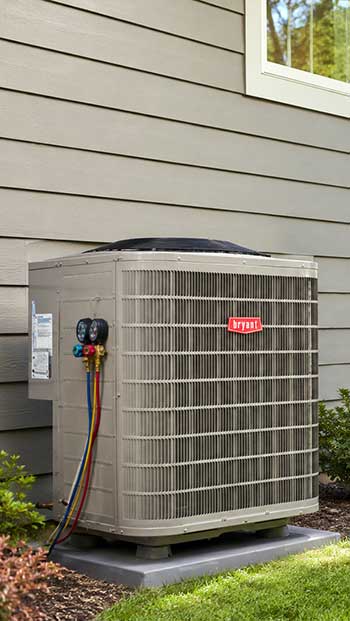
- Higher Upfront Cost: Bryant can be more expensive than Rheem, especially once you add premium controls, variable-speed equipment, and dealer installation packages. If your budget is tight, Bryant may feel like a stretch.
- Advanced Systems Can Be More Complex: More features can mean more things to diagnose later. Communicating systems and variable-speed components may require a technician with the right training. If local Bryant support is weak in your area, that can be a drawback.
- Dealer Pricing Can Vary Widely: Two Bryant quotes can look very different depending on the contractor. One may include duct adjustments, permits, thermostat setup, and labor warranties. Another may be bare-bones. You need to compare the full package, not just the model number.
- May Be More Than Some Homes Need: If your home is small, well-insulated, or in a mild climate, you may not fully benefit from Bryant’s premium features. In that case, Rheem may deliver better value.
Which Brand Is Better for Furnaces?
For furnaces, I would lean Rheem if value and simplicity matter most. Rheem furnaces are dependable, reasonably priced, and suitable for many standard homes. If you want a good gas furnace without paying for every premium feature, Rheem is easy to recommend.
I would lean Bryant if you want a quieter, more advanced furnace with better temperature control. Bryant’s modulating and variable-speed furnace options can feel more comfortable, especially in colder climates where the furnace runs often. If winter comfort is a big deal in your home, Bryant may be worth the higher price.
Which Brand Is Better for Air Conditioners?
For air conditioners, Rheem is a strong choice for affordability and reliable cooling. It is especially attractive if you want a mid-range AC replacement that improves efficiency without making the project too expensive.
Bryant is stronger if your cooling season is long, hot, and humid. Its premium AC systems can offer better comfort, quieter operation, and more consistent humidity control. If I lived somewhere with brutal summers, I would give Bryant’s higher-end AC units a serious look.
Which Brand Is Better for Heat Pumps?
Both brands offer capable heat pumps. Rheem is appealing if you want a practical heat pump with good efficiency at a reasonable cost. Bryant becomes more attractive if you want advanced cold-weather performance, variable-speed operation, or a system designed for year-round comfort.
For heat pumps, I would pay extra attention to local installer experience. Heat pumps need careful sizing and setup. A great installer matters more here than almost anywhere else.
Which One Should You Choose?
I would choose Rheem if you want the best balance of cost, reliability, and everyday performance. It is a smart pick when you need a trustworthy HVAC system and do not want to overpay for features you may not use.
I would choose Bryant if comfort quality matters more than upfront savings. If you want quieter operation, smoother airflow, better humidity control, and premium system options, Bryant has the edge.
Here is the simplest way I see it: Rheem is the better value choice, while Bryant is the better comfort choice. Neither is automatically right for everyone. The better brand is the one that fits your home, your climate, your budget, and your installer’s skill level.
Also Read: My Experience With Karl Home Mini Split.
Frequently Asked Questions (FAQ)
Rheem usually ranks as a solid mid-to-upper-tier HVAC brand. I see it as reliable, practical, and value-focused rather than ultra-premium.
Carrier, Bryant, Trane, Lennox, Rheem, and American Standard are often considered reliable when installed correctly. The installer and maintenance routine matter as much as the brand.
The $5000 rule says you multiply the repair cost by the system’s age. If the number is over $5,000, replacement may make more sense than repair.
Common Bryant issues can include dirty flame sensors, blower motor problems, capacitor failures, thermostat communication errors, clogged filters, and refrigerant leaks in cooling systems.
Final Thoughts
After comparing Rheem vs. Bryant from a real homeowner’s perspective, I see Rheem as the practical choice and Bryant as the comfort-focused upgrade. If you want dependable performance and better affordability, Rheem may be the smarter move.
If you want quieter operation, advanced controls, and stronger humidity management, Bryant may be worth the extra money. My advice is simple: you should compare quotes, judge the installer carefully, and choose the system that solves your home’s actual comfort problems.