
If you have been struggling to hit your daily protein targets without extra sugar or complicated meal prep, you should buy Ratio Protein Yogurt.
This 5.3-ounce cup packs 25 grams of protein and only 3 grams of sugar into a convenient, grab-and-go format. It supports muscle recovery, keeps you full for hours, and fits easily into busy schedules or macro-focused routines.
I tried it consistently and it delivered real results for my energy and satisfaction levels. You owe it to yourself to see what this high-protein option can do for your goals.
My Experience With Ratio Protein Yogurt
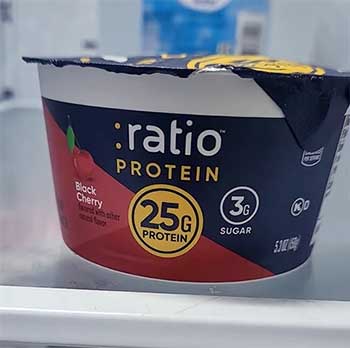
I picked up my first cup of Ratio Protein Yogurt on a random Tuesday after a tough leg day at the gym.
My usual post-workout Greek yogurt left me hungry again within an hour, so I wanted something with more staying power.
The vanilla flavor caught my eye first because it looked simple and clean on the shelf.
When I got home I pulled it from the fridge, peeled back the lid, and noticed the thick, creamy texture right away.
It smelled lightly sweet with a gentle vanilla note, nothing overpowering.
The first spoonful surprised me.
It felt substantial on my tongue, smooth without any gritty protein powder feel that sometimes shows up in high-protein products.
The taste landed sweet but not fake, with just a faint hint of the sucralose that some people notice.
I finished the whole cup in minutes because it tasted genuinely enjoyable rather than like a chore. Within thirty minutes I felt satisfied in a way that lasted straight through until lunch. No mid-morning energy dip, no desperate snack hunt.
Over the next few weeks I rotated through vanilla, strawberry, and coconut. Strawberry gave a nice fruity brightness without tasting like candy. Coconut stood out as my favorite for its subtle richness that made the cup feel almost like a treat.
I started using them as breakfast bases too. One morning I stirred in a handful of fresh blueberries and a teaspoon of chia seeds. The combination kept me full until early afternoon and made hitting my protein goal before 9 a.m. feel automatic.
What stood out most was how this snack helped my overall routine. On days I trained hard, the 25 grams of protein supported better recovery without adding a second shake or extra chicken.
On rest days it curbed afternoon cravings that used to derail my calorie control. I tracked everything in my app and noticed the consistency. My average daily protein climbed without extra effort or extra calories from junk.
Digestion stayed normal for me, though I did pay attention to the carrageenan listed in the ingredients since some folks mention gut sensitivity.
You might wonder about the price. Each cup costs more than basic yogurt, yet the protein density made it feel worthwhile compared to eating larger portions of lower-protein options. The convenience factor sealed it for me.
I could toss one in my bag for work or keep a few in the fridge for quick evenings. After a month of steady use I felt stronger during workouts and more in control of my hunger. If your days run long and protein often falls short, this product gave me a practical edge I did not expect from a single cup.
Also Read: Is RSP TrueFit Protein Powder Worth It?
Pros of Choosing Ratio Protein Yogurt
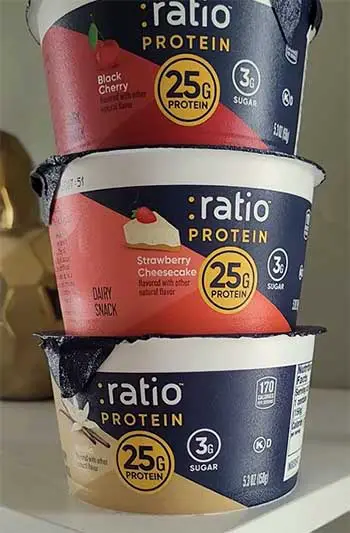
- Unmatched Protein Density For Your Goals You get 25 grams of high-quality protein in one small cup. That amount supports muscle repair after training sessions and helps preserve lean mass during fat loss phases. I noticed I recovered faster between workouts and felt less sore when I consistently hit this number early in the day. Protein also promotes satiety better than carbohydrates or fats alone, so you stay full longer without reaching for extra snacks. For busy professionals or parents who struggle to eat enough protein between meetings and school runs, this density removes the need for multiple smaller servings. The math works in your favor when every gram counts toward your target.
- Low Sugar Keeps Blood Sugar Steady Only 3 grams of sugar per cup means minimal impact on blood glucose levels compared to regular yogurts that can carry 10 to 15 grams or more. This stability helps you avoid energy crashes and keeps cravings in check throughout the afternoon. I used it as a mid-morning option on work-from-home days and stayed focused without the usual 3 p.m. slump. Low sugar also aligns well with low-carb or keto-leaning approaches while still delivering the benefits of cultured dairy. You can enjoy the sweetness without derailing your goals or triggering reactive hunger later.
- Portable Convenience Fits Busy Lives The single-serve cups travel well in a lunch bag or gym tote with no need for bowls or spoons if you eat straight from the container. I kept a few in the office mini-fridge and grabbed one between calls without any extra thought. This format removes barriers that stop people from choosing healthy options when time runs short. Whether you commute, travel for work, or juggle family activities, the grab-and-go design makes consistent protein intake realistic instead of aspirational.
- Versatile Flavors You Can Enjoy Daily Vanilla serves as a neutral base you can customize with berries or a dash of cinnamon. Strawberry and coconut bring enough character to stand alone as satisfying treats. I rotated flavors across the week to prevent boredom while still hitting the same strong nutrition profile. The taste stays enjoyable enough that you actually look forward to the cup rather than forcing it down. This matters for long-term adherence because even the best macros fail if you dread eating the food.
- Supports Macro Tracking Without Guesswork The clear nutrition label removes the mental math that comes with plain yogurt or homemade options. You know exactly what 25 grams of protein and 170 calories looks like every single time. This reliability helped me stay consistent during a cut phase when precision mattered most. You can plan the rest of your day around that known quantity instead of estimating or logging multiple ingredients. For anyone who tracks intake seriously, the simplicity becomes a quiet advantage.
Also Read: Is Promix Protein Powder Worth It?
Cons of Ratio Protein Yogurt
- Premium Price Tag Adds Up Quickly At roughly two dollars per cup the cost exceeds basic yogurts or even some other protein options. If you eat one daily the monthly total grows faster than you might expect. I offset this by watching for sales or buying multi-packs, yet it still represents a step up from regular grocery yogurt. Budget-conscious shoppers may prefer to rotate Ratio with lower-cost proteins on some days to manage the expense.
- Sweetener Aftertaste May Bother Sensitive Palates The sucralose used for sweetness leaves a faint cooling or artificial note for certain people. I did not mind it much in vanilla or coconut, but a couple of friends who tried it mentioned the aftertaste stood out more than they liked. If you already avoid artificial sweeteners or have a very sensitive tongue, this could reduce enjoyment. Sampling one cup before committing to a larger pack helps you decide.
- Additives Like Carrageenan Raise Some Health Questions Carrageenan appears in the ingredient list and has sparked debate around potential inflammation or digestive effects in sensitive individuals. Most people tolerate it without issue, and I experienced no problems during my trial period. Still, if you have a history of gut sensitivity or prefer to minimize processed additives, this detail deserves attention. Reading the full label and listening to your body remains the smart approach.
- Higher Calorie Count Than Some Alternatives The 170 calories per cup exceed some lower-protein yogurts that deliver 100 to 140 calories with 15 to 20 grams of protein. You trade extra calories for the higher protein number. If your overall daily calorie budget runs tight, this matters more than it might for someone focused purely on protein volume. Balancing the cup with lower-calorie sides or using it as a meal component rather than an add-on helps manage the total.
Tips For Getting The Most From Ratio Protein Yogurt
- Proper Storage Keeps It Fresh And Tasty Always store the cups in the refrigerator. Check dates and use older ones first to maintain best texture and flavor.
- Best Ways To Pair It For Balanced Meals Add fresh berries or nuts for extra fiber and fats that boost satisfaction without many calories.
- Timing Your Intake For Optimal Results Use post-workout, as breakfast, or in the afternoon to curb hunger and support energy.
- How To Minimize Any Potential Aftertaste Eat it cold and pair with cinnamon or fruit to balance flavors.
- Incorporate Into Meal Prep Without Boredom Rotate flavors and add simple toppings to keep things interesting week after week.
- Monitor Your Body Response Over Time Track energy and digestion. Adjust if needed by spacing out servings or mixing with other proteins.
How Ratio Protein Yogurt Compares To Other Brands?
- Ratio Protein Yogurt Compared To Chobani 20g Protein Yogurt
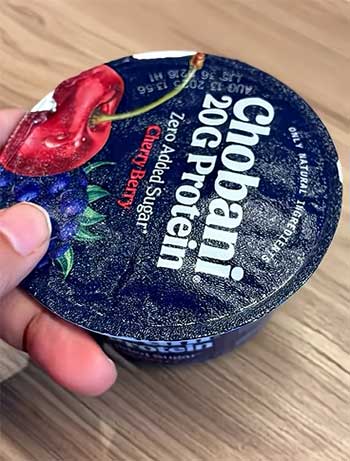
I put Ratio Protein Yogurt head to head with Chobani 20g Protein Yogurt because both target people who want more protein in a cup.
Ratio gives you 25 grams of protein in a 5.3 ounce serving with 170 calories and just 3 grams of sugar.
Chobani delivers 20 grams of protein in a larger 6.7 ounce cup for around 140 calories.
You get more total protein from Ratio in a smaller package, which feels great when you need every gram to count toward your daily target.
Chobani offers a bigger volume that can feel more filling in terms of sheer size.
In my experience the texture of Chobani came across smoother and closer to classic Greek yogurt, with less chance of any sweetener aftertaste.
Ratio stays thick and creamy but some cups showed a slight sucralose note that you might notice more if you are sensitive to it.
Taste wise Chobani often wins for a cleaner, more natural vanilla or fruit profile that many people describe as closer to regular yogurt.
Ratio shines when you prioritize maximum protein density and do not mind the processed edge for that extra boost. Price per cup sits similar, but Chobani gives you more ounces for your money while Ratio packs higher protein concentration.
If your main goal is hitting 25 grams fast, Ratio edges ahead. For a larger serving with excellent everyday taste, you might reach for Chobani instead. Both work well for busy days, yet they solve slightly different needs depending on whether you value protein count or portion size more.
- Ratio Protein Yogurt Compared To Oikos
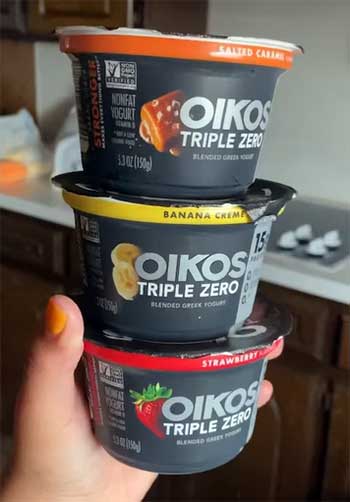
Oikos Pro typically brings 20 grams of protein in a 5.3 ounce cup similar to Ratio in size.
Calories often run lower than Ratio depending on the exact flavor, sometimes landing around 100 to 140.
Ratio still leads with that 25 gram protein punch, which made a noticeable difference for me on heavy training days when I wanted one item to cover a big portion of my needs.
Oikos feels lighter overall and can suit people who prefer fewer calories per snack.
Texture comparison showed Oikos with a good Greek style thickness but occasional chalkiness from the whey protein, while Ratio delivered a consistently smoother, almost dessert like creaminess in the flavors I tried.
Taste leaned more natural in many Oikos varieties, especially those using stevia, whereas Ratio relies on sucralose that works great for some and less so for others.
I found both convenient for on the go use, but Ratio gave me the edge in satiety thanks to the higher protein.
If you follow a lower calorie plan and still want solid protein, Oikos might fit your numbers better. When the priority shifts to maximum protein in one cup with low sugar, Ratio becomes the stronger choice. Both brands use similar ultra filtered approaches, yet Ratio pushes the protein higher at the cost of slightly more calories.
- Ratio Protein Yogurt Compared To Yoplait Protein Yogurt

Yoplait Protein Yogurt usually offers around 15 grams of protein per serving, which is noticeably lower than Ratio.
The serving size stays comparable, but the protein gap means you need to eat more or combine it with other sources to match what one Ratio cup provides.
Ratio wins clearly on protein density and keeps sugar low at 3 grams, while Yoplait often tastes sweeter and closer to traditional fruit yogurt that many grew up eating.
I noticed Yoplait feels more like everyday yogurt with milder processing, which can appeal if you want something familiar without as many added concentrates.
Ratio brings the high protein advantage that changed how easily I hit my targets, but it trades some of that everyday comfort for the macro boost. Calories in Yoplait tend to stay lower per gram of protein compared to Ratio, yet the overall nutrition profile favors Ratio for muscle support and fullness.
Convenience remains high for both since they come in single serve cups ready to eat. For someone new to higher protein options or who prefers milder sweetness and lower protein goals, Yoplait works as an entry point.
Once you push toward 25 grams per snack without extra effort, Ratio stands out as the upgrade that delivers more of what active people actually need. The ingredient lists differ too, with Ratio using more concentrated proteins and Yoplait keeping closer to standard yogurt formulations.
Also Read: Is TB12 Protein Powder Worth It?
Frequently Asked Questions (FAQ)
It depends on your goals. Ratio offers top protein with low sugar for muscle and blood sugar support. Others like Chobani may suit different preferences. Choose what you eat consistently.
Ratio has more protein at 25 grams versus Oikos at 20 grams. Oikos may taste better or feel lighter for some. Ratio wins for maximum protein.
It is labeled a cultured dairy snack due to added whey concentrate and processing that exceeds standard yogurt rules.
Yes, they help meet protein needs with low sugar for fullness and muscle support. Balance with whole foods and watch personal sensitivities.
Wrapping Up
After testing Ratio Protein Yogurt in my own daily routine, I can confidently say you should buy this product if reaching higher protein levels matters to your health and performance. It delivers consistent results in a format that actually fits real life.
Minor drawbacks exist, yet the core benefits around protein density and convenience make it worth trying. Grab a pack on your next store trip and notice how it shifts your energy and satisfaction throughout the day.