
I spent weeks comparing the PowerBlock Elite and Pro adjustable dumbbells side by side in my home gym setup.
My purpose here is to give you a clear, practical breakdown of how these two stack up so you can decide which fits your training style, space, and budget without the usual guesswork.
| Feature | PowerBlock Elite | PowerBlock Pro |
| Base Weight Range | 5-50 lbs | 5-50 lbs (or 5-40 lbs on some models) |
| Max Expandable Weight | 90 lbs | 90 lbs (up to 100 lbs on Pro 100 EXP) |
| Weight Increments | 2.5 lbs with adder weights | 2.5 lbs with adder weights |
| Plate Material | Powder-coated steel | Urethane-coated steel |
| Handle Design | Straight or contoured, more enclosed | Open wedge-shaped for more hand room |
| Construction | Welded steel | Flex non-welded design |
| Dimensions (approx. at 50 lbs) | More compact (around 12″ L x 6″ W x 6″ H) | Slightly larger (around 13″ L x 7″ W x 7.25″ H) |
| Origin | USA-made plates on Elite USA versions | Mostly imported |
| Noise Level | Louder metal clank | Quieter due to urethane |
| Price Range (pair, base) | Lower, starting around $400-500 | Higher, starting around $500+ |
| Drop Resistance | Good but more rigid | Better thanks to flex design |
| Attachment Compatibility | Limited to specific Elite bars | Broader (kettlebell handles, bars on many models) |
Key Differences Between PowerBlock Elite And Pro Dumbbell
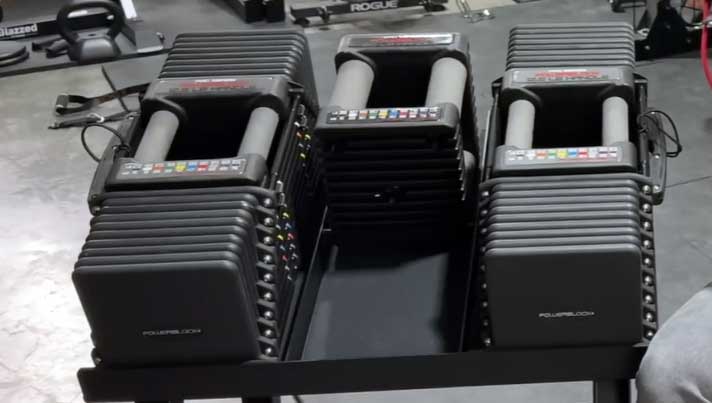
- Weight Capacity and Expandability The Elite typically starts at 5-50 lbs and expands cleanly to 70 then 90 lbs with staged kits. The Pro matches that on most consumer models and pushes higher on the Pro 100 EXP version. Both replace roughly 28 pairs of fixed dumbbells at full expansion, but the Elite stays more compact through the process while the Pro grows a bit longer and wider. I found the Elite’s shorter length helped with range of motion on floor presses; the Pro’s extra size only became an issue during overhead work once I hit the upper stages.
- Construction Materials and Durability Elite relies on powder-coated steel plates welded into rigid blocks. That construction is strong and has lasted years for many users, yet it can show wear or chip if dropped repeatedly. Pro plates receive a urethane coating over steel and use a non-welded flex frame. That combination absorbs impact better and resists scratches and oxidation longer. In my sessions the Pro simply felt tougher when I was tired and less careful about setting them down.
- Handle Feel and Hand Space Elite handles sit more enclosed with optional wrist-support bars on some versions. The grip diameter is often around 33 mm and straight, which works fine for average hands but can feel cramped if you have wide palms. Pro uses an open design with a wedge interior that flares out, giving noticeably more room and a more traditional dumbbell sensation. After a few weeks I preferred the Pro for high-rep curls and the Elite for controlled presses where the cage offered a sense of security.
- Noise and Floor Protection Elite produces a clear metallic sound when plates settle. Some people enjoy that feedback; others find it disruptive in apartments. Pro’s urethane quiets everything down and cushions contact with the floor or rubber mats. If quiet late-night sessions matter, the Pro wins without debate.
- Price and Long-Term Value Elite costs less up front and delivers solid performance, making it the stronger value pick for most home users. Pro demands a higher investment but pays it back in quieter operation, better drop resistance, and a more premium daily feel. Both come with multi-year home-use warranties, yet the Pro’s materials suggest it will look newer longer.
- Origin and Availability Elite USA versions keep key components made in the United States. Pro models are largely imported. Expansion kits and replacement parts remain available for both, though some older Elite EXP configurations have shifted toward current Elite USA naming.
Also Read: Comparison of Schwinn IC3 And IC4.
Key Features of the PowerBlock Elite
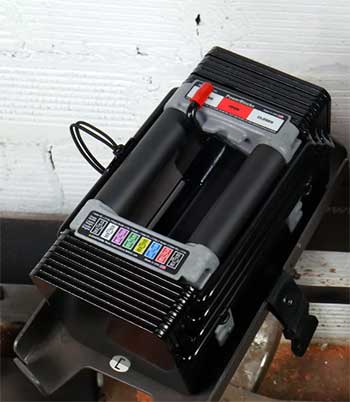
- Nested plate system with selector pin You simply pull the pin, choose the color-coded rail that matches your target weight, and reinsert. Changes take seconds and the tethered pin design prevents loss. Adder weights inside the handle let you fine-tune in 2.5 lb steps so progression stays smooth even on smaller muscle groups. I used this constantly during drop sets and found the process reliable enough that I stopped thinking about it after the first week.
- Compact expanding footprint At the 50 lb stage the pair sits roughly the size of a small shoebox. Adding kits lengthens them gradually rather than forcing a full-size fixed length at every weight. That design keeps presses and rows feeling closer to traditional dumbbells than many competitors. In my setup this meant I could keep them on a low rack and still walk around the room without bumping into anything.
- Color-coded rails and printed weight chart The side rails use distinct colors that line up with the chart on the handle. Once you learn the system you can change weights almost without looking, which speeds up supersets and drop sets. After a few sessions the colors became second nature and I could switch mid-workout without breaking focus.
- Expandable stages without full replacement Stage 1 covers 5-50 lbs. Stage 2 adds the next block to reach 70 lbs. Stage 3 finishes at 90 lbs. You buy only what you need when you need it, protecting both budget and storage space. This staged approach let me start lighter and add capacity only after my strength actually required it.
- USA-made plates on select models The steel plates on Elite USA versions come from domestic production, which some buyers value for quality control and supply-chain reasons. Knowing that piece of the product was built locally gave me extra confidence in the long-term consistency of the set.
Pros of the PowerBlock Elite
- Strong value for the money You get expandability to 90 lbs and solid construction at a lower entry price than the Pro. For someone building a home gym on a realistic budget the Elite covers years of progressive training without forcing an immediate upgrade. I calculated the cost per pound of capacity and the Elite consistently came out ahead for the majority of users I know.
- Superior compactness The shorter length at every stage improves range of motion on bench presses, floor presses, and certain curl variations. Storage is easier in tight spaces and the units slide under most benches without drama. In my smaller garage this single feature made the Elite feel like it belonged there instead of taking over the room.
- Familiar garage-gym feedback The powder-coated plates deliver clear auditory and tactile feedback that many lifters prefer. You always know the plates have seated properly. That metal sound became part of my training rhythm and helped me stay locked in during heavy sets.
- Reliable micro-loading The 2.5 lb adder weights let you progress in small jumps, which is especially useful for upper-body isolation work and for trainees who plateau easily on larger jumps. I added those tiny increases week after week and watched stuck lifts start moving again without ever feeling like I was forcing the next big plate.
- Proven long-term track record These have been in home gyms for decades. Parts remain available and the basic design has stayed consistent, so knowledge and support are easy to find. Talking with other owners who have used the same set for five or more years only reinforced my sense that the Elite is built to stick around.
Cons of the PowerBlock Elite
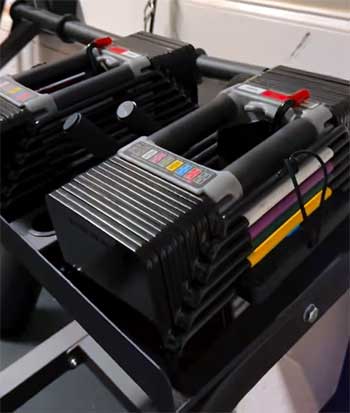
- Louder operation The metal-on-metal sound can bother household members or apartment neighbors. Soft mats help but do not eliminate it. I had to schedule heavier sessions earlier in the day so the noise would not carry through the walls.
- More rigid under impact Welded construction holds up well under normal use yet offers less forgiveness than the Pro’s flex system if you drop them from waist height repeatedly. After a couple of accidental hard landings I started being extra careful on the way down.
- Slightly more enclosed handle Users with very large hands sometimes feel restricted, and the cage can brush against the body on certain fly or lateral-raise movements. My own hands are average size so it never stopped me, but friends with bigger grips mentioned the tighter fit right away.
- Limited attachment range Fewer official bars and handles lock onto the Elite system compared with the Pro line. If you want to convert the set into a full barbell or kettlebell on a regular basis you may run into compatibility limits sooner.
- Powder coating can show wear Over years of heavy use the finish may chip or fade, especially on the outer edges that contact the floor most often. The set still worked perfectly, but the cosmetic aging showed up faster than I expected on the corners.
Also Read: Comparison of Bowflex C6 And Schwinn IC4.
Key Features of the PowerBlock Pro
- Urethane-coated plates The coating deadens impact noise and shields the steel underneath from moisture and scrapes. Floors and mats stay cleaner and the set looks less beaten up after heavy use. I noticed the difference immediately on rubber flooring—the plates left almost no marks even after months of regular training.
- Flex non-welded block design Instead of rigid welds the plates sit in a frame that allows slight movement under shock. This reduces the chance of cracking or permanent deformation if the dumbbells hit the ground harder than intended. During tired sets when my form slipped a little, that small give kept the equipment intact and my confidence high.
- Open wedge handle The interior shape opens outward so larger hands fit comfortably and wrists stay neutral. Grip options often include contoured TPR or knurled steel depending on the exact model, giving you choice based on preference for soft or textured feel. My hands stopped feeling pinched after longer sessions once I switched to this design.
- Magnetic selector pin with auto-lock options The pin seats firmly and some versions lock the adder weights automatically, cutting the chance of accidental shifts mid-set. I never had a pin slip during a lift, which removed one more mental checklist item from my workouts.
- Broader attachment ecosystem Many Pro models accept kettlebell handles, straight bars, and EZ curl bars that click onto the same pin system. That turns one pair of dumbbells into multiple tools without buying separate equipment. I used the curl bar attachment for weeks and it felt solid enough to replace a dedicated fixed bar for most of my arm work.
Pros of the PowerBlock Pro
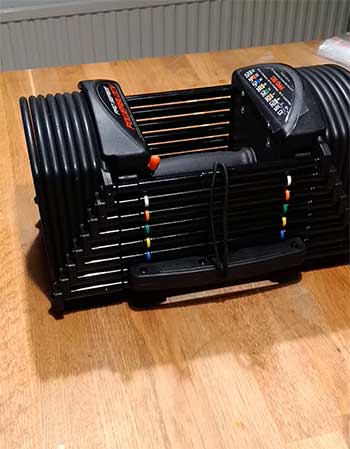
- Quieter and floor-friendlier Urethane coating makes late-night or shared-space training far more practical. The set also protects expensive rubber flooring better. I could finish a full session after everyone else was asleep without a single complaint about noise.
- Superior drop and impact resistance The flex design and coating combination handles real-world mistakes better. I felt more confident pushing heavy sets without constant worry about damaging the equipment. Even on days when my focus slipped the Pro absorbed the abuse and kept performing.
- Roomier, more comfortable handle The open wedge shape reduces hand fatigue on high-volume days and feels closer to a conventional dumbbell for many users. Longer curl and row sessions left my hands feeling less taxed than they did with the more enclosed Elite grip.
- Premium everyday feel Everything from the pin action to the plate seating feels refined. The set simply looks and operates at a higher tier. Picking them up each session reminded me I was using gear that was built a step above the basic options.
- Greater versatility through attachments Being able to convert the same weight stack into a barbell or kettlebell expands workout options without extra storage demands. I rotated through those attachments for weeks and never felt like I was missing dedicated equipment for those movement patterns.
Cons of the PowerBlock Pro
- Higher price tag You pay a noticeable premium for the upgrades. Budget-conscious buyers may find the difference hard to justify if they do not need the quiet operation or extra durability. I had to stretch my equipment budget further to bring the Pro home compared with the Elite.
- Slightly bulkier profile At higher expansion stages the Pro takes more shelf or rack space and can feel longer during certain presses. Once I added the final kit I needed a wider spot on the stand and noticed the extra length on overhead work.
- Mostly imported construction Buyers who specifically want USA-made components will not find that here on most models. That factor mattered less to me over time, but it is a clear difference if domestic production is a priority for you.
- Potential for urethane wear over very long periods While durable, the coating can eventually crack or peel under extreme commercial-style abuse, though home users rarely reach that point. In normal residential use the surface stayed intact, yet the possibility still exists after many years of hard training.
- Overkill for lighter training If you never plan to exceed 50 lbs the extra features may sit unused while the higher cost still applies. Someone who stays in the lighter ranges long-term will pay for capabilities they may never fully use.
Training Experience and Decision Factors
After rotating both sets through the same programs—heavy presses, rows, curls, lunges, and conditioning circuits—the differences became clear in daily practice rather than on paper. The Elite rewarded me with better range of motion and a lower cost of ownership.
The Pro rewarded me with quieter sessions and less mental load about equipment longevity. Space constraints pushed me toward the Elite for a while; living in a shared house later made the Pro’s quieter nature more valuable. Neither set felt unstable or unsafe once the pin was fully seated.
Both allow true progressive overload across years because of the expansion path. The choice ultimately hinges on whether you prioritize compact size and price or quiet durability and hand comfort.
Also Read: Is Saker Twister Arm Trainer Worth It?
Frequently Asked Questions (FAQ)
Yes for most home users who want expandability to 90 lbs without paying premium prices.
The Pro edges out for overall quality and durability; the Elite wins for value and compactness.
Some older Elite EXP configurations are no longer the primary offering, though expansion kits and current Elite USA models remain available.
Yes, both models handle curls well; the Elite’s shorter length often feels more natural while the Pro’s open handle provides extra hand space.
Final Thoughts
I walked away from this comparison knowing that either set will serve you far better than a rack of fixed dumbbells if space or budget is limited. If you want the smartest spend and the most compact package, the Elite delivers everything most people need for years of solid progress.
If you train in a shared space, drop weights occasionally, or simply prefer a quieter, roomier handle, the Pro is the one that will feel better every single session. Look at your current max weights, your living situation, and how long you plan to keep the equipment.
Once those answers are clear the right choice becomes obvious. Pick the one that matches your real training life and you will stop thinking about gear and start focusing on results.