
I bought my first Poulan Pro chainsaw after watching neighbors spend twice as much on name-brand options, and it has handled every firewood pile and storm cleanup on my property without complaint.
If you need a capable gas saw for occasional to moderate cutting and want to keep money in your pocket, you should buy a Poulan Pro model today.
The combination of power, automatic oiling, and straightforward controls makes weekend jobs smoother than you might expect from the price tag. You will likely finish more projects and enjoy the process more once you own one.
My Hands-On Experience Using A Poulan Pro Chainsaw
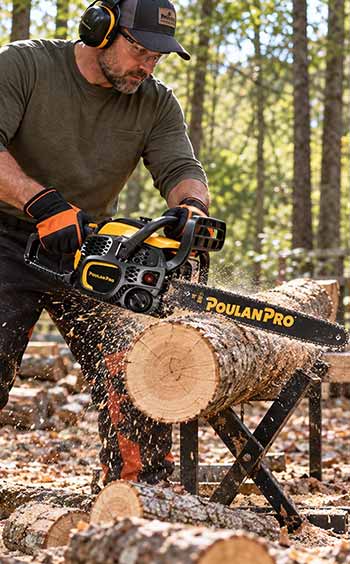
When I unboxed my Poulan Pro PR5020, the first thing I noticed was the solid feel of the rear handle and the way the 20-inch bar balanced once I filled the tanks.
I mixed fresh fuel at the correct ratio, primed the bulb a few times, set the choke, and gave the starter cord a firm pull.
It coughed once, then settled into a steady idle after I eased the choke off.
That first start felt smoother than the older saw I had borrowed years earlier.
I took it straight to a pile of oak rounds that had been sitting since last fall.
The chain bit cleanly once I applied steady pressure, and the saw pulled itself through without stalling.
After about ten cuts I stopped to check the chain tension and oil level.
Both looked good, and the automatic oiler had left a light film on the bar tip exactly as it should.
Over the next few weekends I limbed several downed branches and bucked a couple of smaller trunks.
The vibration was noticeable but not exhausting for the hour-long sessions I typically run. I wore ear protection and gloves, and my hands felt fine afterward.
One afternoon the saw started fine but died as soon as I squeezed the throttle. I checked the air filter, which had some sawdust packed around the edges, cleaned it, and tried again. It ran better but still hesitated.
I drained the remaining fuel, mixed a fresh batch with stabilizer, and the problem disappeared. That episode taught me how sensitive these engines are to fuel quality and airflow. Since then I have made those checks part of my routine, and the saw has started and cut reliably every time.
I have now put roughly thirty hours on it across two seasons. It has felled a few medium trees I could safely handle myself, processed multiple cords of firewood, and cleaned up after windstorms. The chain has stayed sharp with regular touch-ups, and the bar has not developed the usual groove wear I expected.
Storage has been simple: I drain the fuel or add stabilizer, clean the exterior, and hang it in the shed. When spring arrives it fires up on the second or third pull. For the money I spent, the saw has delivered more consistent performance than I anticipated, and I keep reaching for it instead of considering an upgrade.
Also Read: Is Libiyi Universal Chainsaw Sharpener Worth It?
Pros of Poulan Pro Chainsaws
- Strong Cutting Power For Homeowner Tasks
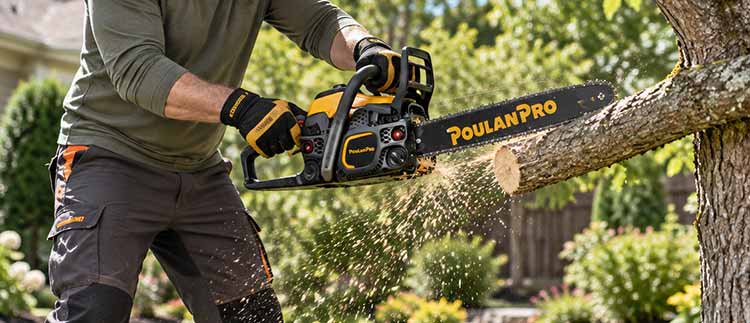
You get a 42cc to 50cc engine range on the popular models that digs into hardwood without constant stalling when you keep the chain sharp. I have cut through 12-inch oak rounds in under fifteen seconds once the saw is warm, and the same power lets you limb thick branches without the chain bogging down.
The OxyPower technology on several units improves fuel use while still delivering the torque you need for bucking. You will notice the difference the first time you compare it side-by-side with a smaller consumer saw that struggles on the same log.
The automatic chain oiler keeps the bar lubricated during longer cuts so you stay focused on the work instead of stopping to add oil manually. Combined with the inertia-activated chain brake, the power feels usable rather than overwhelming for someone who cuts a few times each month.
- Affordable Price With Useful Included Features
Most Poulan Pro saws land in the two-hundred to three-hundred dollar range and often arrive with a carrying case, extra chain, and a scrench tool stored on the body. That package saves you the immediate trip to buy accessories that other brands treat as extras.
I paid less than half of what a comparable mid-tier saw costs, yet I still received the automatic oiler, tool-free access to the air filter on several models, and a comfortable rear handle.
You can put the money you save toward a good pair of chaps, ear protection, or a spare chain without stretching your budget. Over a couple of seasons the lower purchase price continues to feel like a smart choice because the saw handles the jobs I actually do.
- Straightforward Maintenance Access And Everyday Usability
The air filter cover pops off without special tools on many units, and the spark plug sits right there for quick inspection. I clean the filter after every few tanks of fuel and the saw keeps its smooth idle.
Chain tensioning uses the standard scrench, which takes less than a minute once you learn the feel of a properly snug chain. The fuel and oil caps are large enough to grip with gloves on, and the primer bulb is easy to see and reach.
You will spend less time fighting the tool and more time cutting once these habits become automatic. The overall layout stays simple enough that a first-time owner can figure out the controls after reading the manual once.
- Decent Fuel Efficiency And Lower Emissions On Select Models
The OxyPower engines burn cleaner than older two-stroke designs and stretch each tank a bit further during mixed cutting. I have finished a full afternoon of bucking on a single fill when I keep the saw at a steady pace rather than racing it.
You still mix fuel at 50:1 or the ratio your specific model calls for, but the reduced smoke and smell make working near the house more pleasant. Over a season the difference in fuel cost is modest, yet it adds up when you already paid less for the saw itself.
The combination keeps operating expenses reasonable while you process firewood or clear storm debris.
- Solid Safety Features That Work In Real Use
The chain brake engages quickly when you push the hand guard forward, and the inertia system adds an extra layer if the saw kicks back. I have tested the brake intentionally a few times and it stops the chain almost instantly.
The throttle lockout prevents accidental revving, and the rear handle shape lets you keep a firm grip even when the saw is warm. You feel more confident making the first cuts on a new log because these features function as advertised.
They do not replace proper technique or protective gear, yet they reduce the chance of a simple mistake turning serious during occasional use.
Cons of Poulan Pro Chainsaws
- Occasional Hard Starting: Some units stall right after starting because of a lean factory carburetor or old fuel. You usually fix it with fresh mix and a clean filter, but it can frustrate you on the first few uses.
- More Vibration On Longer Cuts: The anti-vibration setup is basic, so your hands feel the buzz after thirty or forty minutes of steady cutting. It stays manageable for occasional work but gets tiring if you run the saw for extended sessions.
- Not Built For Heavy Daily Use: Plastic parts and simpler hardware wear faster under constant hard cutting. You get solid seasons of homeowner service with proper care, yet it will not match the long-term toughness of higher-end professional saws.
- Manual Tensioning And Minor Oil Seepage: Most models need the scrench for chain adjustments, and a few leave a small oil mess in the case after sitting. Neither issue stops you from cutting, but both add small extra steps compared with more refined designs.
Poulan Pro Compared With Other Popular Brands
- Poulan Pro Vs. Neo Tec Chainsaw
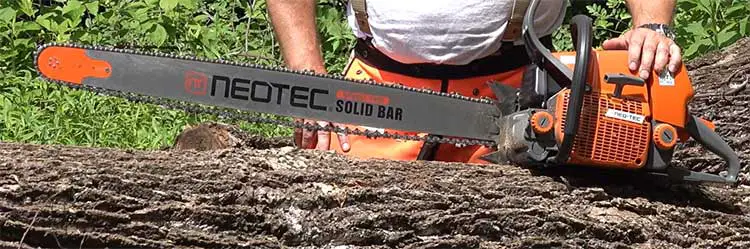
When you set a typical Poulan Pro next to a Neo Tec gas saw you notice the power difference right away.
Neo Tec models often push 60cc to 90cc or more and swing longer bars, so they chew through bigger hardwood rounds faster than my 50cc Poulan Pro on the same log.
I have watched owners run a Neo Tec through thick trunks that make my saw slow down, and the extra displacement shows. You get more raw torque for the money if your property has large trees that need dropping or milling.
The trade-off appears the moment you start and maintain either saw. My Poulan Pro settles into a steady idle once the fuel is fresh and the filter is clean, and parts stay easy to find at local stores.
Neo Tec units can feel livelier on the first few pulls, yet owners report more carburetor tweaking, occasional starting quirks, and the need to source parts online. You will spend extra time dialing in the Neo Tec if you cut only a few weekends a year, while the Poulan Pro stays closer to set-it-and-forget-it for homeowner firewood and cleanup.
Build feel also differs: Poulan Pro plastics and handles hold up under regular use without the “I hope this lasts” sensation some Neo Tec buyers describe after a season of hard work.
If your jobs stay moderate and you want fewer surprises, the Poulan Pro wins. If you need maximum displacement on a tight budget and do not mind mechanical attention, the Neo Tec pulls ahead.
- Poulan Pro Vs. Husqvarna 445 Chainsaw

You are comparing two saws that share the same parent company when you place a Poulan Pro beside the Husqvarna 445. The 445 runs a roughly 45–50cc X-Torq engine, weighs about eleven pounds dry, and usually comes with an eighteen-inch bar.
My Poulan Pro in the same size class feels a bit heavier in the hands and transmits more vibration through the handles after thirty or forty minutes of bucking. The 445’s LowVib system and side-mounted tensioner make longer sessions less tiring, and the Smart Start plus air purge get it running with less fuss on cold mornings.
Cutting speed stays close once both chains are sharp. I have cut similar oak rounds with both and the times differ by only a couple of seconds. The 445 edges ahead on smoothness and fuel efficiency, while the Poulan Pro undercuts the price by a noticeable margin and still handles the same firewood and limb work.
Dealer support and parts availability lean toward the Husqvarna name, yet the Poulan Pro remains simple enough that most owners handle basic care themselves.
You should choose the 445 if you cut more often and value reduced fatigue and refined starting. Stick with the Poulan Pro if budget matters more and your cutting stays occasional to moderate; both will finish the job, but the 445 feels like the more polished tool for the extra money.
- Poulan Pro Vs. Wood Ranger Mini Chainsaw

The Wood Ranger Mini sits in a completely different category from any Poulan Pro.
It is a cordless electric unit with a four-inch bar, weighs under two and a half pounds, and runs on a 24-volt battery that gives thirty to sixty minutes of runtime.
You can hold it one-handed and trim small branches or cut kindling without mixing fuel or dealing with a pull cord.
I keep a mini saw like this for quick pruning around the house, and the light weight plus instant start make those little jobs almost effortless.
A Poulan Pro, even the smaller models, is a full gas chainsaw built for logs several times thicker. It processes firewood piles, bucks medium trunks, and handles storm debris that would stall or overheat the mini in minutes.
Battery life and bar length limit the Wood Ranger to light yard work, while the Poulan Pro keeps cutting as long as you have fuel and a sharp chain. You gain convenience and portability with the mini, yet you lose the ability to tackle real cutting tasks.
I reach for the Wood Ranger when I only need to clean up thin limbs or shape shrubs. For anything that requires a proper chainsaw, the Poulan Pro is the tool that actually finishes the work without constant recharging or size restrictions.
Maintenance Tips And Long-Term Care For Your Poulan Pro Chainsaw
- Use Fresh Fuel Every Time: Mix only what you will use soon and add stabilizer. Old or ethanol-heavy gas causes most starting problems, so drain the tank or run it dry before storage.
- Clean The Air Filter Often: Check it after every few tanks. Tap out dust or wash it, then let it dry fully. A clean filter keeps the engine running smoothly and prevents the lean-running issues some owners see.
- Keep The Chain Sharp And Snug: File the cutters when you see fine dust instead of chips. Check tension before each use so the chain snaps back against the bar but still turns freely. A sharp, properly tensioned chain cuts faster and safer.
- Check Oil And Bar Condition: Fill the bar-oil tank with every fuel fill and confirm oil reaches the tip. Clean the bar groove after cutting and flip the bar occasionally to even out wear. These quick steps stop overheating and premature chain or bar failure.
- Store It Clean And Ready: Wipe the saw down, stabilize or empty the fuel, and hang it with the bar cover on. Before the next season, glance at the spark plug, fuel filter, and visible bolts. A few minutes of care keeps it starting reliably year after year.
Frequently Asked Questions (FAQ)
Hard starting from lean carburetor settings or old fuel, chain tension that loosens during use, and occasional minor bar-oil leaks after storage.
They are owned by the Husqvarna Group, though some recent manufacturing has been licensed to other facilities while still sharing engineering heritage.
Poulan Pro is the higher-spec line with upgraded features, better components, and stronger engines aimed at more serious homeowner use.
For true professional daily work most users still choose Stihl or higher Husqvarna models, while Poulan Pro offers strong value for serious homeowners who cut regularly but not full-time.
Final Thoughts
After seasons of real use I keep recommending the Poulan Pro to friends who need capable cutting power without the premium price. You should buy one if your projects stay in the homeowner range of firewood, limbing, and occasional tree work.
The saw delivers reliable performance once you follow basic fuel and maintenance habits, and the money you save lets you invest in safety gear or extra chains.
Pick up a model that matches your typical log size today and you will likely finish more jobs with less frustration than you expected.
Also Read: Comparison of Husqvarna 460 And 455 Chainsaws.