
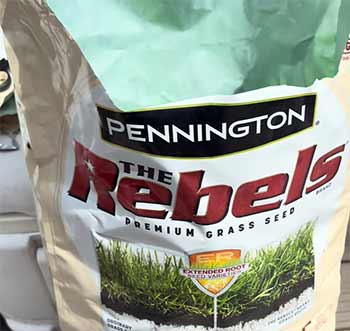
If you want a tough lawn that survives kids, pets, dry spells, and busy schedules, you should buy Pennington Rebels Tall Fescue. I made the switch after years of patchy failure with other seeds, and the difference showed up fast.
This blend puts down deep roots, handles traffic without quitting, and stays darker green than the coarse stuff I used before.
For anyone in the transition zone or northern areas tired of constant reseeding, this product delivers reliable coverage at a price that does not break the bank. You will notice better density and fewer bare spots once it settles in.
My Experience With Pennington Rebels Tall Fescue
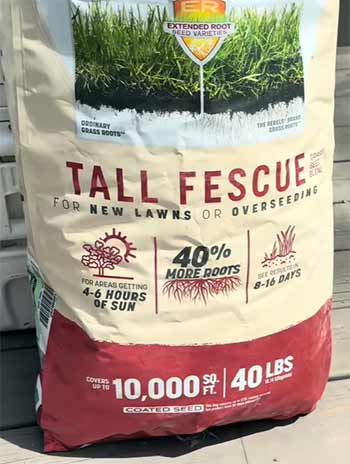
I had been fighting the same tired lawn for three seasons.
The front yard sat in partial shade most of the day, while the back got full sun and heavy foot traffic from my two dogs and weekend get-togethers.
Previous bags of generic tall fescue came up thin, clumped in weird patches, and turned brown the moment July heat arrived.
Last fall I decided to overhaul everything with Pennington Rebels Tall Fescue after reading enough homeowner stories that matched my own frustration.
I started by mowing the existing grass as short as the mower would go, then raked hard to pull up thatch and open the soil.
I spread the seed at the recommended rate for overseeding, about five pounds per thousand square feet, and lightly raked it in so most of the seed touched dirt.
The bag claimed Extended Root technology, and I figured the extra root depth would help with my clay soil that bakes hard every summer.
I watered twice a day with a fine mist to keep the top inch damp without washing anything away.
Ten days later the first green hairs pushed through. By day fourteen the lawn looked like it had a soft new carpet starting. The blades came in finer than the old Kentucky 31 style grass I had before, and the color was a deeper green right from the start.
I kept the moisture steady for another two weeks until the seedlings reached about two inches. After that I cut back to deeper watering every few days to push the roots down.
By spring the yard had filled in better than any previous attempt. The areas under the oak tree that always stayed bare now held a decent stand.
The high-traffic path between the patio and the gate stopped turning to dirt. Even when we hit a three-week dry stretch in June, the grass stayed green longer than the neighbor’s lawn that used a different brand.
I did notice a couple of thin spots where I probably did not get good seed-to-soil contact, and those needed a second light application the following fall. Overall the experience felt straightforward and rewarding.
You do not need fancy equipment or perfect soil to see real progress with this blend, just consistency on watering during the first month and a willingness to mow high once it establishes. That hands-on process convinced me the product earns its place in the garage for future touch-ups.
Also Read: Differences Between Scotts And Pennington Grass Seeds.
Pros of Pennington Rebels Tall Fescue
- Deep Root System For Drought Survival You will appreciate how far these roots reach once the grass settles. The Extended Root claim is not just marketing. In my yard the plants held color through dry spells that used to brown everything out within ten days. The extra root mass pulls moisture from deeper layers so you water less often after establishment. That saves time and money on the water bill during peak summer. Friends who live nearby with shallower-rooted blends still run sprinklers almost daily while mine goes longer between soaks. The difference shows most clearly on slopes or raised beds where water runs off fast. You get a lawn that feels more self-sufficient without looking neglected. Over time the deeper rooting also helps the grass recover faster after short droughts because the plants already have access to moisture the surface soil has lost. I noticed fewer stress marks and less overall thinning compared with earlier years. The practical result is a yard that stays usable and attractive with less daily attention from you.
- Traffic Tolerance That Handles Real Life Kids running, dogs digging, and frequent mowing do not wipe this grass out the way softer varieties do. The dense growth habit spreads the wear across more plants instead of leaving bald tracks. I watch my dogs race across the same path every evening and the blades spring back instead of staying flattened for days. When guests arrive for cookouts the lawn still looks presentable after the party ends. You avoid the ugly brown paths that force you to rope off sections of the yard. That resilience makes the whole space more usable instead of something you only admire from the window. Even after repeated mowing and the occasional ball game the stand remains even. The thicker canopy also helps shade the soil surface, which reduces further stress from heat and evaporation. You end up with a lawn that accepts everyday activity rather than one that demands constant protection.
- Finer Texture And Darker Color Older tall fescue often looked coarse and pale. This blend comes in with narrower blades and a richer green that makes the lawn look more like premium turf. Neighbors have asked what I changed because the color stands out against surrounding yards. The finer texture also feels better under bare feet. You notice the difference immediately when you walk across it after mowing. The improved appearance holds through fall and into early spring better than many other cool-season options I have tried. The denser growth creates a more uniform surface that photographs and simply looks better from the street. You gain the classic toughness of tall fescue without the pasture-like look that used to bother me.
- Solid Disease And Insect Resistance Brown patch and other common summer problems hit my previous lawns hard. With Rebels I saw far fewer outbreaks even during humid weeks. The genetic mix in the bag seems to give broader protection than single-variety seeds. You still need good airflow and proper mowing height, but the grass itself fights back better. That means fewer emergency fungicide runs and less stress watching sections die overnight. The combination of denser turf and improved genetics reduces the openings that pests and disease usually exploit. You spend less time diagnosing problems and more time simply enjoying the yard.
- Good Performance In Partial Shade Full sun is ideal, yet areas receiving four to six hours still fill in nicely. Under my maple the grass thinned less than expected and recovered faster after leaf drop. You can use one seed type across most of the yard instead of switching products for shady spots. That simplifies planning and keeps the look uniform. The moderate shade tolerance is one of the reasons this blend works well for typical suburban lots that mix open lawn with tree cover.
Taken together these strengths add up to a lawn that asks less of you over time. The combination of roots, density, and color creates a result that feels worth the initial effort. You spend fewer weekends chasing problems and more time enjoying the space. The balance of traits is what keeps the yard looking consistent year after year with ordinary care.
Cons of Pennington Rebels Tall Fescue
- Bunch-Type Growth Limits Self-Repair Unlike grasses that send out runners, tall fescue grows in clumps. Bare spots from digging or heavy wear stay bare until you reseed. You must plan for occasional touch-ups instead of expecting the lawn to fill itself.
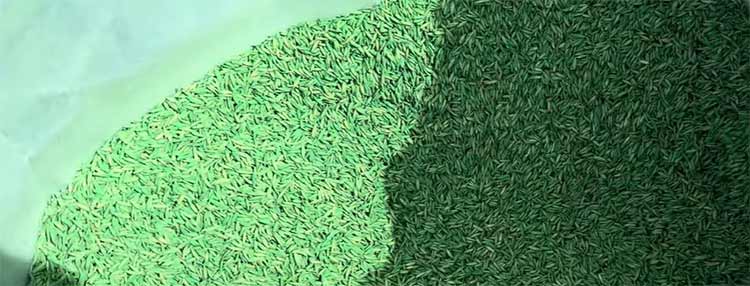
- Coating Can Reduce Pure Seed Weight Some bags carry noticeable coating that adds to the total weight. You may need slightly higher application rates than uncoated premium seeds to reach the same density. Check the label and adjust accordingly.
- Can Struggle In Extreme Southern Heat In the deep South or prolonged extreme drought the grass may go dormant or thin. It performs best in northern and transition zones. You might need supplemental water or a different approach if summers stay brutally hot for months.
- Requires Consistent Early Moisture If you let the seedbed dry out during germination you lose stand density. Missed waterings in the first two weeks show up as patchy results later. That initial discipline is non-negotiable.
Also Read: Is Scotts Rapid Grass Worth It?
Tips For Pennington Rebels Tall Fescue
- Timing Your Planting For Best Results Fall remains the strongest window. Aim for at least forty-five days before the first hard frost so seedlings develop roots before winter. Soil temperatures between fifty and sixty-five degrees give the highest germination rates. Spring works too if you beat the summer heat, but fall gives the grass a longer head start. I mark the calendar for mid-September in my area and stick to it. You avoid the frustration of watching new grass struggle through July stress when you plant at the right moment. Prepare the site the week before so everything is ready when the bag opens. Consistent timing year after year builds a stronger base because each generation of seedlings has the best possible start.
- Soil Preparation That Actually Matters Loose topsoil and good seed contact drive success more than any other step. Mow short, rake out debris, and consider a light core aeration if compaction is heavy. A simple soil test tells you whether lime or fertilizer is needed. Aim for a pH between 5.5 and 7.0. I spread a starter fertilizer right before seeding and worked it in lightly. You create the conditions where every seed has a fair chance instead of hoping for the best. Skip this and you will fight thin spots for seasons. Taking an afternoon to loosen the surface and remove competition pays off in faster, thicker germination and fewer bare patches later.
- Watering Strategy From Seed To Established Lawn Keep the top inch continuously moist until the grass reaches two inches. Light mistings two or three times a day work better than deep soaks that wash seed away. Once established switch to deeper, less frequent watering to encourage the roots to grow down. I run the sprinkler for longer sessions twice a week during dry spells rather than daily short bursts. You train the plants to seek moisture deeper and build the drought tolerance the product promises. Watch the weather and adjust. Overwatering after establishment invites disease. The shift from frequent light water to occasional deep water is the single biggest change that turns a fragile new stand into a resilient mature lawn.
- Mowing Height And Frequency For Density Keep the blade at three to four inches. Taller grass shades the soil, reduces weed pressure, and supports stronger roots. Never remove more than one-third of the blade length in a single cut. Sharp blades prevent tearing that opens the plant to stress. I mow weekly during peak growth and less often in slower seasons. You maintain that thick appearance and avoid the scalped look that weakens the stand. Bag the clippings only if they form heavy mats; otherwise leave them to return nutrients. Consistent high mowing is one of the easiest ways to keep the lawn looking full and healthy with minimal extra work.
- Fertilizing And Seasonal Care Apply a balanced fertilizer in early fall and again in late spring. Avoid heavy nitrogen in midsummer when heat stress peaks. Overseed thin areas each fall to maintain density because the bunch habit does not fill gaps naturally. Watch for brown patch during hot humid periods and improve airflow by thinning nearby shrubs if needed. I keep a simple calendar reminder for these tasks so nothing slips. You build a routine that protects the investment without turning lawn care into a second job. A light feeding schedule matched to the grass’s natural growth cycles keeps color and density without pushing soft, disease-prone growth.
- Weed And Pest Management A dense stand crowds out many weeds on its own. Spot-treat persistent ones with a selective herbicide after the new grass has been mowed several times. Check for grubs in late summer if you notice sudden thinning. Healthy roots and proper watering reduce most pest pressure. You stay ahead of problems with observation rather than reaction. Early attention to small issues prevents larger repairs later.
These practices turn the seed into a lasting lawn. Follow them and you will see the product perform closer to its full potential. Skip the basics and even the best seed struggles. The effort pays off in lower long-term work and a yard you actually want to spend time on.
Also Read: Is Pearl’s Premium Grass Seed Worth It?
Comparison of Pennington Rebels Tall Fescue With Other Brands
- Scotts Turf Builder Tall Fescue
Scotts often germinates a bit faster in side-by-side tests, sometimes showing green within five to ten days compared to the seven-to-twenty-one-day window for Rebels.
The finished texture feels similar, yet I found Rebels held color longer during dry periods thanks to the deeper root focus.
Scotts bags sometimes include more weed-control additives that can limit flexibility if you prefer organic approaches. Price per coverage area sits close, so the choice often comes down to whether you value slightly quicker sprouting or stronger drought performance after establishment.
In my yard the Rebels version required less supplemental water once mature.
- Jonathan Green Black Beauty And Similar Premium Blends
Premium options like Jonathan Green deliver even finer blades and sometimes darker color, along with stronger disease packages in some formulations.
They also cost noticeably more per pound of pure seed. Rebels gives you most of the practical benefits at a lower entry price and wider availability at big-box stores.
If budget allows and you want maximum aesthetic polish, the higher-end blends edge ahead. For everyday toughness and value, Rebels holds its own without the premium markup.
- Generic Kentucky 31 Tall Fescue
Old-style Kentucky 31 grows coarser, lighter green, and less dense. It handles abuse but looks more like pasture than lawn. Rebels improves texture, color, and root depth while keeping the same core toughness.
You gain a clear upgrade in appearance and drought response without leaving the tall fescue family. The generic option still works for large low-maintenance areas, yet for home lawns the improved blend makes more sense.
Also Read: Is Schultz Grass Seed Worth It?
Frequently Asked Questions (FAQ)
It depends on your zone and priorities, but Pennington Rebels offers strong value and performance for most transition and northern lawns.
Pennington Rebels edges ahead for drought tolerance while Scotts often sprouts faster.
Typically seven to twenty-one days with proper moisture and soil temperatures.
It grows in clumps so bare spots need reseeding, and it can struggle in extreme prolonged heat.
Wrapping Up
You now have a clear picture of what this seed delivers and how to get the most from it. The combination of practical strengths and straightforward care makes Pennington Rebels Tall Fescue a smart choice for homeowners who want results without endless complexity.
Plant it right, water it consistently at the start, and enjoy a lawn that stands up to real life.