
When I faced the choice between Owens Corning and Johns Manville insulation for my attic and wall upgrades, the decision felt heavier than just grabbing the pink rolls off the shelf.
Both brands deliver solid thermal performance, yet their handling feel, density, specialty strengths, and long-term behavior differ enough that picking the wrong one can mean extra itch, higher dust, or less ideal results in humid spots.
This article walks through their key features, differences, strengths, and drawbacks from a real-home perspective so you can match the product to your climate, budget, and how hands-on you plan to be.
| Aspect | Owens Corning | Johns Manville |
| Signature look | Bright pink fiberglass | White or kraft-faced, sometimes poly-wrapped |
| Formaldehyde content | Formaldehyde-free | Formaldehyde-free |
| Typical recycled content | Often 58% or higher | High recycled glass content |
| Handling comfort | Can feel itchier and dustier | Often denser with less itch, especially ComfortTherm |
| Availability | Strong in big-box stores | Good retail presence, stronger through distributors |
| Best-known residential forms | EcoTouch batts/rolls, AttiCat blown-in | ComfortTherm, Spider, Climate Pro blown-in |
| Specialty strength | Residential batts and Foamular rigid foam | Pipe insulation, humidity resistance, sound control |
| Common R-value range | R-13 to R-60 | R-11 to R-60 |
| Moisture behavior | Solid in dry applications | Often preferred in higher-humidity settings |
Key Differences Between Owens Corning and Johns Manville
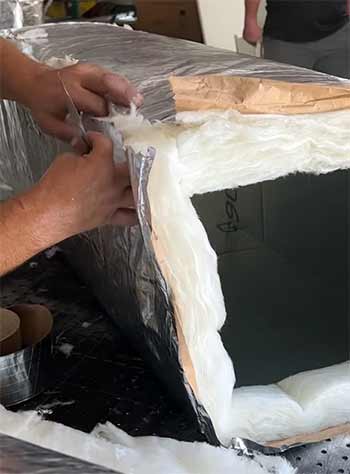
- Density and loft recovery Owens Corning batts spring back well after compression in the package, yet some users notice they remain slightly loftier and less compact than Johns Manville counterparts. That extra loft can be an advantage when you need maximum thickness in an open attic, but it also means the material can shift more easily if air currents move through the space. Johns Manville often packs denser fibers into the same nominal thickness, which helps the insulation stay put against framing and reduces convective looping inside the cavity. In practice I found the denser JM batts easier to friction-fit into wall studs without stapling every edge.
- Dust and skin irritation during install The classic complaint about pink fiberglass is the itch and floating dust. Owens Corning has improved binders over the years, yet many installers still prefer long sleeves and a respirator. Johns Manville ComfortTherm’s poly wrap keeps most fibers contained until you cut the package open, and even the unwrapped versions tend to release less airborne material according to repeated field reports. If you are doing a large DIY job over several weekends, that difference in daily comfort adds up.
- Moisture and humidity performance Both products are glass fiber and will lose effectiveness if they become saturated. Owens Corning performs reliably in dry, well-ventilated attics and walls. Johns Manville gains an edge in spaces that see occasional high humidity or pipe runs because some of its facing and specialty products resist sagging better once moisture appears. In a mechanical room project I watched JM pipe insulation hold its shape after a minor leak while nearby fiberglass wrap needed replacement.
- Availability and purchasing path Owens Corning dominates the big-box aisle. You can walk into almost any large home center and load pink batts or Foamular boards onto a cart the same day. Johns Manville appears on the same shelves for common residential items, yet larger orders or specialty pipe products often route through independent distributors. That can mean better pricing on volume but also an extra step of account setup.
- Specialty product depth Owens Corning shines with residential batts, rolls, and rigid foam boards. Johns Manville covers a wider range of commercial and industrial needs—pipe wraps, duct liners, and certain vapor-barrier systems—while still supplying solid homeowner-grade fiberglass. If your project stays inside standard walls and attics, either brand works. Once pipes, ducts, or mixed humidity zones enter the picture, JM’s catalog usually offers more ready options.
- Acoustic behavior Both reduce sound transmission when cavities are fully filled. Johns Manville marketing and user feedback more frequently highlight interior-wall noise control, partly because denser batts leave fewer air gaps. Owens Corning EcoTouch still delivers noticeable quieting, especially in floor-ceiling assemblies, but the difference becomes clearer when you compare side-by-side density.
Also Read: Differences Between Spray Foam And Fiberglass Insulation.
Key Features of Owens Corning Insulation
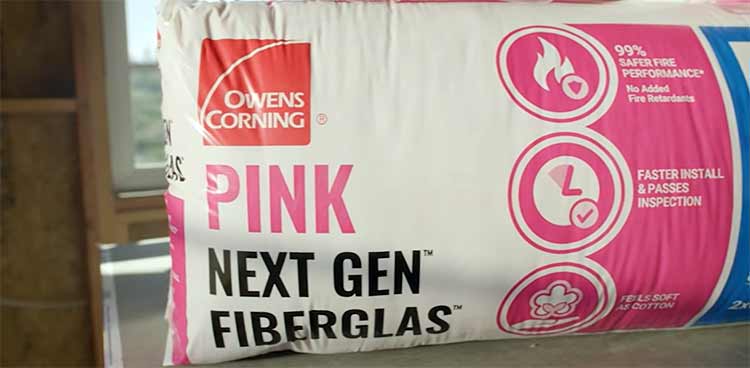
- Signature pink color and EcoTouch technology The bright pink fiberglass is instantly recognizable and uses PureFiber technology in the EcoTouch line. Batts and rolls come pre-sized for standard stud and joist spacing, making it simple to match common framing dimensions without constant measuring and cutting.
- High recycled content Many Owens Corning products list recycled glass content at 58 percent or higher. This detail shows up clearly on packaging and product literature, which helps if you track material sources for personal records or local energy programs.
- AttiCat blown-in system The AttiCat machine feeds and expands the fiberglass as it is blown into attics. The material settles into a fairly uniform blanket that is easy to check for thin spots later with a simple depth gauge or flashlight.
- Foamular rigid foam boards These closed-cell extruded polystyrene boards give an option for continuous insulation, rim joists, or below-grade areas. They hold their R-value better than open fiberglass when moisture is present and can be cut with a utility knife for tight fits.
- Formaldehyde-free binders The current EcoTouch formulations avoid formaldehyde, which supports better indoor air quality once the insulation is in place and the house is occupied.
- Consistent R-value recovery When the batts are installed at full loft without compression, they recover thickness quickly after unrolling. This helps you hit the labeled performance without spending extra time fluffing every piece.
- Strong big-box availability Pink batts, rolls, and Foamular boards sit on shelves in nearly every major home center. You can pick up extra material the same day if a project runs short.
- Sound absorption in filled cavities When walls or floor-ceiling assemblies are completely filled, the material reduces noise transfer enough to notice a quieter space between rooms.
Pros of Owens Corning Insulation
- Instant brand recognition and retail access You can find the pink product in nearly every major home-improvement store, which simplifies last-minute runs when you underestimate quantity. That convenience matters on a weekend project when the distributor counter is closed.
- Consistent R-value delivery in standard applications When installed at full thickness without compression, EcoTouch batts meet the labeled performance reliably. Attic top-ups with AttiCat expand evenly and settle into a uniform blanket that is easy to inspect later.
- High recycled content that is clearly stated Many Owens Corning products advertise recycled glass percentages above 50 percent, giving a straightforward talking point if you track material sustainability for your own records or local incentives.
- Rigid foam options under the same brand Foamular boards let you stay with one manufacturer for both cavity fill and continuous exterior insulation, simplifying warranty and compatibility questions.
- Strong educational support for DIY installers Clear packaging diagrams and widely available how-to material help first-time users cut and fit batts without excessive waste.
- Predictable pricing transparency Online and in-store prices for common R-values are easy to compare, so budget planning stays simple for smaller residential jobs.
Cons of Owens Corning Insulation
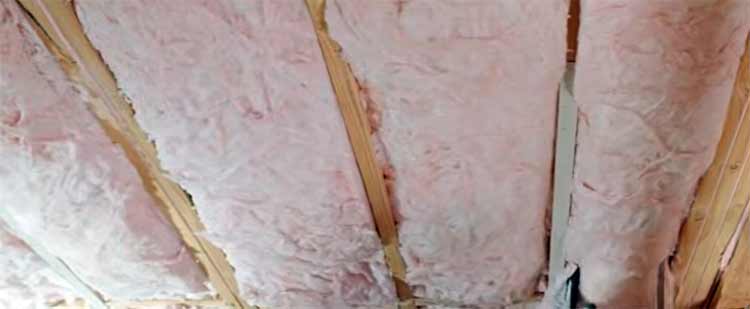
- Higher potential for itch and airborne fibers Even with improved binders, many people still experience skin irritation and need full protective gear for multi-day installs. The dust can linger in the work area longer than denser alternatives.
- Less robust performance in high-humidity mechanical spaces Fiberglass pipe wraps and certain batts can sag or lose shape after prolonged moisture exposure, requiring earlier replacement than closed-cell or denser options from other makers.
- Narrower specialty catalog for pipes and ducts If your project includes extensive mechanical insulation, you may need to source additional brands, which complicates logistics.
- Slightly fluffier feel that demands careful fitting The loft that helps recover thickness can also leave small voids if the installer rushes the friction fit, reducing effective R-value in walls.
- Occasional compression sensitivity in shipping Packages that sit at the bottom of a pallet can arrive thinner than labeled, requiring extra fluffing time on site.
Also Read: Differences Between FOAMULAR 150 And 250 Insulation.
Key Features of Johns Manville Insulation
- Formaldehyde-free glass fiber with thermosetting binder The entire building insulation line uses a binder that avoids formaldehyde. This keeps indoor air quality consistent and meets modern expectations for materials used inside living spaces.
- ComfortTherm poly-wrapped batts and rolls These products arrive sealed in plastic, which contains most fibers until the package is opened. The wrap makes handling cleaner and reduces the amount of material that ends up on skin or floating in the air during a multi-day install.
- Higher density fiber structure Many Johns Manville batts feel denser than standard competing products of the same thickness. That density helps the insulation stay in contact with framing and reduces the chance of air gaps forming over time.
- Spider blown-in system with interlocking fibers The Spider system uses a water-based binder so the fibers lock together after they are blown into open or closed cavities. The result is a more continuous fill that holds its shape better than traditional loose-fill in some wall applications.
- Climate Pro loose-fill for attics and hard-to-reach spots This blown-in option works well for topping up existing attic insulation or filling irregular spaces. It settles evenly when applied at the correct density and depth.
- Kraft-faced options for vapor control Kraft-faced batts include a built-in vapor retarder that is useful on the warm side of exterior walls in colder climates. The facing also gives a surface that can be stapled for a secure fit.
- Strong sound control in interior partitions The denser batts leave fewer voids, which improves noise reduction between rooms, floors, and ceilings compared with lighter, fluffier alternatives.
- Specialty products for pipes and mechanical spaces Beyond residential batts, the line includes pipe wraps and related insulation that hold shape better in humid mechanical rooms and equipment areas.
Pros of Johns Manville Insulation
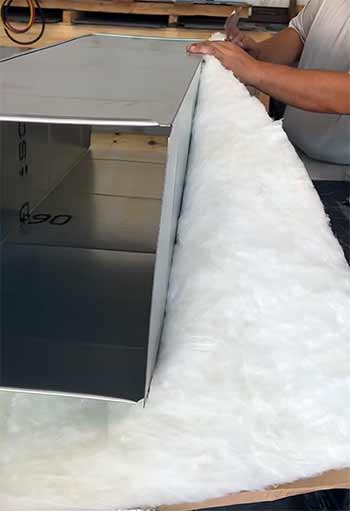
- Noticeably lower itch and dust with ComfortTherm The poly encapsulation keeps fibers contained during handling. Even unwrapped batts feel denser and produce less floating material, which makes multi-day DIY work more tolerable.
- Stronger hold in humid or mechanical environments Pipe insulation and certain faced products resist sagging better after moisture events, reducing call-backs in bathrooms, basements, and equipment rooms.
- Dense fiber structure that stays in place Higher density helps the insulation maintain contact with framing and reduces the chance of convective loops inside wall cavities over time.
- Broad product range that covers residential and specialty needs From Spider blown-in systems to kraft-faced batts and industrial pipe wraps, one brand can supply most of a mixed project.
- Effective sound control in interior partitions The denser batts leave fewer gaps, which translates into quieter rooms when used between living spaces or under floors.
- Formaldehyde-free formulation across the building insulation line Indoor air quality stays consistent with modern binder technology, matching or exceeding current health-conscious expectations.
Cons of Johns Manville Insulation
- Pricing and availability can require extra steps While common batts sit on retail shelves, larger or specialty orders often need a distributor account. That can slow a spontaneous weekend project and hide the true delivered cost until negotiation finishes.
- Slightly higher cost in some markets Certain ComfortTherm or denser products carry a 10–20 percent premium over basic pink batts, which adds up on a whole-house job.
- Variable batch density reported by some installers Occasional packs feel fluffier than expected, requiring extra care to achieve the intended R-value.
- Less dominant presence in pure residential rigid foam If you need continuous exterior insulation boards, you may still turn to another brand, splitting the supplier list.
- Learning curve for Spider and specialized systems Blown-in options that use binders work well once the crew understands the equipment, yet first-time users can experience more setup time than simple AttiCat machines.
Also Read: Is Tiger Foam Insulation Worth It?
Performance in Real Home Settings
In my own attic the Owens Corning AttiCat material spread evenly and reached the target depth with minimal raking.
The pink color made it easy to spot thin spots under a flashlight. On interior walls I preferred Johns Manville ComfortTherm because the poly wrap let me work in short sleeves without the usual skin reaction, and the denser batts stayed tight against the drywall without extra staples.
Energy bills dropped similarly with both once the full envelope was complete, confirming that proper installation matters more than the logo on the package. Sound transmission between bedrooms improved more noticeably with the JM product, likely from the tighter cavity fill.
Installation Experience From a User Perspective
Cutting either brand is straightforward with a long-bladed knife and a straightedge.
Owens Corning batts tear cleanly once scored, yet the fibers tend to cling to clothing. Johns Manville’s wrapped versions can be cut through the plastic and slid into place with less airborne mess.
For blown-in work, both systems require a hopper and hose; the difference shows up in how evenly the material settles and how much residual dust remains after the job.
Wearing a quality respirator and eye protection remains non-negotiable with either product. Taking time to seal air leaks before insulating pays larger dividends than switching brands.
Cost Considerations Over Time
Up-front material prices for equivalent R-values stay close in most regions.
Owens Corning often wins on small-quantity convenience because you avoid distributor minimums. Johns Manville can edge ahead on large orders once negotiated pricing kicks in.
Labor cost tilts toward JM if reduced irritation and faster fitting cut crew hours. Long-term energy savings track the achieved R-value and air-sealing quality far more than the manufacturer name.
Factor in any local rebates that favor high-recycled-content or formaldehyde-free products; both brands usually qualify.
Which Situations Favor Each Brand?
Choose Owens Corning when the project stays within standard residential walls and attics, you want same-day big-box availability, and you value transparent shelf pricing.
The pink material and Foamular boards cover most homeowner needs without complication. Choose Johns Manville when humidity, pipe runs, or interior sound control rank high, or when you prefer denser batts that feel less irritating during a multi-day install.
Mixed projects can split the difference: pink batts for open attics and JM ComfortTherm or Spider for walls and mechanical spaces.
Also Read: Differences Between Rockwool And Fiberglass Insulation.
Frequently Asked Questions (FAQ)
Yes. It delivers reliable R-values, is formaldehyde-free, and many users prefer its denser, less itchy handling compared with standard fiberglass.
No single brand wins every job. Owens Corning and Johns Manville both perform well; the better choice depends on your climate, humidity exposure, and installation comfort preferences.
Primary competitors in fiberglass and related insulation include Owens Corning, CertainTeed, Knauf, and Guardian.
Both Owens Corning EcoTouch and Johns Manville formaldehyde-free lines receive strong ratings for thermal performance and indoor air quality when installed correctly; user preference often favors the denser or wrapped options for ease of handling.
Wrapping Up
After installing both products in different parts of my house, I see clear strengths on each side. Owens Corning gives you easy access, consistent residential performance, and a familiar product line that covers most attic and wall needs without drama.
Johns Manville rewards you with denser batts, reduced irritation, and better behavior in humid or mechanical spaces.
You now have the side-by-side details on features, differences, pros, and cons so you can weigh availability against handling comfort and match the insulation to the actual conditions in your home.
Pick the one that fits your project priorities, seal the air leaks first, and install at full thickness—those steps will matter more than the color of the fiberglass when the utility bills arrive.