
If you’ve been weighing your options between Muscle Milk and Premier Protein for your post-workout recovery or daily protein boost, this breakdown should help clear things up.
I’ve used both in my own routine over the past couple of years, testing them during different training phases and busy periods when I need something quick and reliable.
What follows is a straightforward look at how they compare on nutrition, taste, value, and real-world performance so you can pick the one that matches your specific needs and preferences.
| Feature | Premier Protein | Muscle Milk |
| Serving Size | 11.5 oz bottle | 11-14 oz bottle (varies by line) |
| Protein | 30g | 25-26g (Genuine); 32-42g (Pro Series) |
| Calories | 160 | 160-280 (higher in Pro lines) |
| Total Fat | 3g | 3-9g |
| Carbohydrates | 5g | 5-21g |
| Sugars | 1g | 1-5g |
| Key Protein Sources | Milk protein concentrate, calcium caseinate | Ultra-filtered milk proteins, caseinates, whey blends (post-2026 reformulation) |
| Sweeteners | Sucralose, acesulfame potassium | Reduced or removed artificial in 2026 update |
| Vitamins & Minerals | 24 added | Fewer in updated formulas |
| Approx. Price per Bottle | $1.50-$2.50 (best at club stores) | $2.00-$3.50 |
| Flavors | 15+ | 4-10+ (core lines) |
| Best For | Calorie control, high protein density, convenience on busy days or GLP-1 plans | Sustained fullness, creamier feel, higher-protein options for training |
Key Differences Between Muscle Milk And Premier Protein
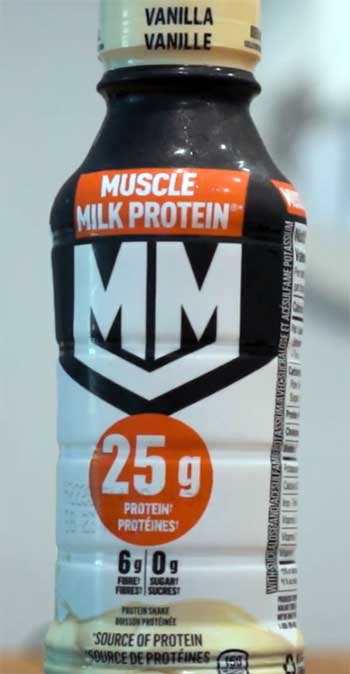
- Protein Content and Quality Premier Protein packs 30 grams into every bottle. That amount supports muscle repair and growth effectively after training or as a steady daily top-up. The blend relies mainly on milk protein concentrate and calcium caseinate, which digest at a moderate pace and help with satiety. Muscle Milk uses a multi-source approach with ultra-filtered milk proteins plus caseinates and some whey. The combination gives both quick and slower-release amino acids. After the 2026 reformulation, the protein comes from a cleaner milk base. If you train hard and want sustained amino acid delivery through the day, the Muscle Milk blend can feel more complete. Premier wins on sheer protein grams per bottle for most people hitting daily targets around 1.6 grams per kilogram of body weight.
- Calorie and Macro Efficiency Premier Protein sits at 160 calories with very low fat and sugar. This ratio lets you hit high protein numbers without overshooting daily energy intake. I notice it fits easily into a controlled day when I want to stay lean. Muscle Milk Genuine runs similar or slightly higher in calories depending on the exact bottle, while Pro Series versions climb toward 280 calories with more fat and carbs. Those extra macros can help if you struggle to eat enough during heavy training blocks or need a more filling option between meals. For strict fat-loss phases or when every calorie matters, Premier keeps things tighter.
- Ingredient Approach and Recent Changes Premier Protein includes a long list of added vitamins and minerals, which turns the shake into a partial meal replacement for micronutrients. It still uses sucralose and acesulfame potassium for sweetness and contains thickeners like carrageenan in some batches. Muscle Milk’s 2026 update cut artificial sweeteners, flavors, and colors while simplifying the overall ingredient count. The shift to ultra-filtered milk proteins aims for smoother taste and fewer additives. If you prefer fewer processed sweeteners or a shorter label, the updated Muscle Milk has an edge here. Both remain highly processed drinks, so neither replaces whole-food protein sources long term.
- Taste, Texture, and Daily Drinkability Premier Protein comes in more flavor options and generally tastes lighter and less heavy. Many people, including me on days with lower appetite, find it easier to finish the whole bottle without feeling weighed down. Muscle Milk often feels thicker and more like a traditional milkshake, which some enjoy for the sense of indulgence and longer fullness. The recent formula changes improved smoothness for Muscle Milk. Personal tolerance varies—some notice a slight aftertaste from artificial sweeteners in Premier, while others find the older Muscle Milk versions had more of that artificial edge before the update.
- Price, Value, and Availability Premier Protein usually costs less per bottle, especially in multi-packs at warehouse clubs. Over a month of daily use, that difference adds up. Muscle Milk sits a bit higher but offers larger or higher-protein bottles in the Pro line that can replace a small meal. Both show up at gas stations, grocery stores, and online. Premier edges ahead on everyday affordability and wide flavor rotation that keeps things interesting.
- Safety and Testing Profile Independent 2025 testing placed Premier Protein lower in lead content than Muscle Milk at the time, making it a safer daily choice for heavy users according to those results. Muscle Milk’s reformulation focused on cleaner ingredients overall, but earlier batches showed higher levels in some analyses. Neither carries prominent third-party certification for every batch like some sports supplements do. For regular consumption, checking recent batch testing or rotating with whole foods reduces any long-term concern.
Also Read: Differences Between Atkins And Premier Protein Shakes.
Premier Protein Key Features
- High Protein Density in a Small Package Thirty grams of protein in 160 calories makes it one of the more efficient ready-to-drink options. This matters when you train consistently and need to protect lean mass without adding unnecessary bulk to your daily totals.
- Extensive Vitamin and Mineral Fortification Twenty-four added nutrients turn each bottle into more than just protein. It covers gaps on days when meals fall short on micronutrients, though whole foods remain the better long-term source.
- Low Sugar and Low Carb Profile One gram of sugar keeps blood sugar impact minimal. This helps during fat-loss periods or for anyone monitoring glucose response alongside higher protein intake.
- Wide Flavor Selection More than fifteen options reduce flavor fatigue. Rotating between vanilla, chocolate peanut butter, and seasonal varieties keeps the habit sustainable over months.
- Convenient Grab-and-Go Format No mixing or cleanup required. The bottle travels well in a gym bag or desk drawer and stays good until opened.
- Strong Value at Club Stores Multi-packs often drop the per-bottle cost below two dollars. That makes consistent daily use realistic without breaking the budget.
Pros of Premier Protein
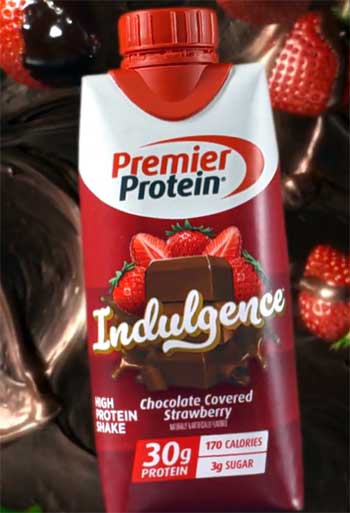
- Excellent Protein-to-Calorie Ratio You get 30 grams of protein for only 160 calories. This efficiency supports muscle maintenance during calorie-controlled phases or while using medications like tirzepatide, where preserving lean tissue becomes a priority and extra calories can work against progress.
- Low Sugar and Minimal Impact on Blood Sugar One gram of sugar combined with protein and a small amount of fat creates a steady energy release. I find it prevents the mid-afternoon crash that sometimes follows higher-carb snacks.
- Broad Flavor Variety Keeps Things Fresh Fifteen-plus options mean you can switch it up and avoid getting tired of the same taste week after week. That variety helps turn protein intake into a habit rather than a chore.
- Added Vitamins and Minerals for Convenience The fortification provides a safety net for micronutrients on busy days. While not a complete substitute for vegetables and whole foods, it helps cover bases during travel or heavy training blocks.
- Widely Available and Often Affordable You can find it at most grocery stores, warehouses, and online. The lower price per bottle in bulk makes it practical for consistent use over months.
- Light Texture That Goes Down Easy Many people report it feels less filling and heavy than thicker shakes. This helps on days when appetite runs low or when you need something quick before or after training without discomfort.
Cons of Premier Protein
- Artificial Sweeteners May Cause Digestive Notes for Some Sucralose and acesulfame potassium deliver sweetness without calories, yet certain users experience bloating or changes in gut feel with regular intake. Individual tolerance varies widely.
- Carrageenan in Some Formulations This thickener appears in certain batches and can irritate sensitive stomachs. If you already notice digestive sensitivity, it may be worth monitoring how your body responds.
- Thicker Feel Can Feel Heavy During Low-Appetite Periods On days when nausea or low hunger strikes, even the lighter texture can still sit heavier than a clear protein drink or smaller serving.
- Not Third-Party Tested for Every Batch While widely trusted, the lack of prominent sport certification on every production run leaves a small gap for athletes subject to strict testing protocols.
Muscle Milk Key Features
- Multi-Source Protein Blend for Sustained Release The combination of fast- and slower-digesting proteins from milk sources provides amino acids over a longer window. This supports recovery between meals or overnight.
- 2026 Reformulation for Cleaner Ingredients Removal of artificial sweeteners, flavors, and colors in many lines plus a shift to ultra-filtered milk proteins creates a shorter, simpler label that appeals to those watching additives.
- Options for Higher Protein and Calorie Needs Pro Series bottles deliver 32-42 grams of protein and more total energy. These work well when you need a substantial post-training recovery drink or meal replacement.
- Creamy, Milkshake-Like Texture Many users enjoy the richer mouthfeel that feels more satisfying and indulgent than lighter shakes.
- Good Availability Across Retail Channels Easy to grab at gyms, convenience stores, and grocery outlets without planning ahead.
- NSF Certified Options in Some Lines Certain Muscle Milk products carry certification for sport, which provides extra assurance for competitive athletes.
Also Read: Is Nurri Protein Shake Worth It?
Pros of Muscle Milk

- Sustained Amino Acid Delivery from Protein Blend The mix of whey and caseinates keeps protein synthesis signals active longer than single-source options. This can benefit recovery on days with spaced-out meals or evening training.
- Cleaner Formula After 2026 Update Fewer artificial additives and a focus on ultra-filtered milk proteins reduce the ingredient load. People avoiding sucralose or acesulfame potassium often prefer the new direction.
- Higher-Protein Variants for Serious Training Pro Series options give you 32-42 grams in one bottle. This helps hard-training individuals meet elevated daily protein needs without multiple smaller servings.
- Rich Texture That Promotes Fullness The thicker consistency leaves you feeling satisfied longer. I notice it works well as a meal replacement when time is short and hunger would otherwise lead to poorer choices.
- Solid Taste in Classic Flavors Creamy chocolate and vanilla options deliver a dessert-like experience that makes hitting protein targets more enjoyable for many users.
- Convenient for On-the-Go Lifestyles Widely stocked and ready to drink, it fits easily into unpredictable schedules without extra preparation.
Cons of Muscle Milk
- Higher Calories in Many Versions Standard and Pro lines often carry more total energy than Premier Protein. This can work against strict fat-loss goals or when using tirzepatide and trying to maintain a deficit.
- Fewer Added Vitamins and Minerals The updated formulas carry less fortification. You may need to pay closer attention to overall diet quality to cover micronutrient needs.
- Previously Higher Heavy Metal Levels in Testing 2025 independent results showed more lead per serving compared with Premier Protein. While reformulation addressed ingredients, earlier data still raises a flag for very high daily volume.
- Smaller Flavor Selection in Core Lines Fewer options than Premier Protein can lead to quicker flavor burnout if you rely on the same bottle every day.
- Slightly Higher Price Point The cost per bottle tends to run higher, especially outside of sales or club packs. Long-term daily use adds up faster than with more budget-friendly alternatives.
Taste, Texture, and Experience
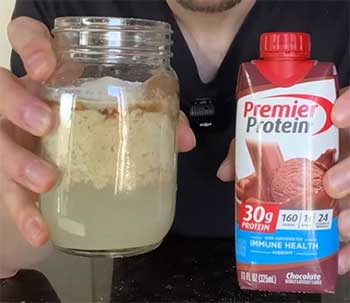
Both shakes score well on taste in blind tests and user feedback, yet the experience differs.
Premier Protein tends to feel lighter and refreshes better after a workout or first thing in the morning.
Muscle Milk’s creamier profile satisfies like a treat and keeps hunger at bay longer, which helps during long workdays.
After the 2026 changes, Muscle Milk lost some of the artificial aftertaste some people noticed before.
Premier still relies on artificial sweeteners, so those sensitive to them may prefer the updated Muscle Milk. Texture-wise, neither clumps or separates much straight from the fridge.
Personal preference usually decides the winner here—some days I reach for the lighter Premier option, while others I want the richer Muscle Milk feel.
Which One Should You Choose?
It depends on your main priorities. If you want maximum protein with minimal calories, broad flavor choices, and strong everyday value, Premier Protein delivers consistently.
It also aligns well with goals around weight management or supporting muscle while on tirzepatide-type medications.
If you prefer a cleaner ingredient list after the recent reformulation, a creamier texture, or higher protein options for intense training, Muscle Milk makes a compelling case, especially in its Pro Series. Many people rotate both depending on the day.
Try a single bottle of each and pay attention to how you feel two hours later—energy, fullness, and digestion tell you more than numbers alone.
Also Read: Differences Between Muscle Milk And Fairlife Protein Shakes.
Frequently Asked Questions (FAQ)
Recent independent testing gave Premier Protein an edge due to lower lead levels and a leaner macro profile. Both remain processed products best used alongside whole foods. The 2026 Muscle Milk updates improved its ingredient simplicity.
Premier Protein often works better because of its higher protein-to-calorie ratio. It helps meet protein needs for muscle preservation during weight loss without adding many extra calories that could slow progress on GLP-1 medications.
A 2018 class-action case claimed the actual protein content tested slightly below the labeled 30 grams. The company settled for $9 million without admitting fault. No major active lawsuits match that description today.
Rankings shift by source and criteria. Premier Protein frequently places high in expert roundups for taste, value, and nutrition balance, and it scored better than Muscle Milk in 2025 heavy-metal testing. No single universal number-one exists across all reviews.
Wrapping Up
After comparing these two side by side, you now have clear details on nutrition, ingredients, taste, and practical use. Premier Protein tends to win for most people focused on efficiency and daily consistency.
Muscle Milk, especially post-reformulation, appeals when you want a richer feel or fewer artificial additives. Test them in your own routine and let your results and preferences guide the choice.
The best shake is the one you actually drink consistently while supporting your training and recovery goals.