
I spotted dark patches spreading across the drywall in my bathroom after a humid week and immediately wondered whether I faced mold or mildew.
Knowing the difference changes how you clean, what products you choose, and how seriously you treat the risk to your walls and health.
This guide walks you through clear identification, side-by-side comparison, practical features of each, and the real trade-offs of common fixes so you can decide the right next step in your own space.
| Aspect | Mold on Drywall | Mildew on Drywall |
| Typical look | Fuzzy, slimy, or cottony; black, green, brown, or white | Flat, powdery, or dusty; white, gray, or pale yellow |
| Depth of growth | Roots (hyphae) dig into the gypsum and paper facing | Stays mostly on the surface paper |
| Smell | Strong, earthy, musty odor that lingers | Lighter, slightly musty or damp scent |
| Speed of spread | Can expand quickly in hidden damp areas | Grows slower and stays localized if moisture is controlled |
| Structural impact | Can weaken the drywall core over time | Rarely damages the board itself if removed early |
| Health concern level | Higher; may release spores and irritants that affect breathing | Lower; mainly triggers allergies or mild irritation |
| DIY cleaning success | Moderate to low once it penetrates | High when caught before it sets in |
| Common products that work | Vinegar, hydrogen peroxide, commercial enzyme cleaners | Mild soap solutions, diluted vinegar, standard bathroom sprays |
| Risk of return | High if moisture source remains | Lower once surface is dry and ventilated |
Key Differences Between Mold and Mildew on Drywall
- Color, Texture, And Visible Pattern
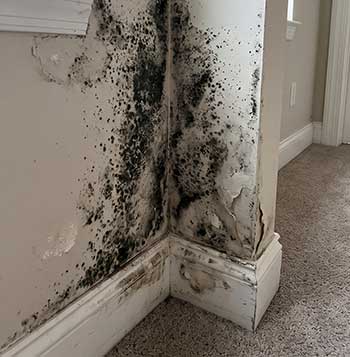
Mold on drywall often looks fuzzy or raised, like tiny cotton balls or velvet patches.
Colors range from deep black and forest green to olive or even pinkish tones depending on the species.
The edges can be irregular and the growth may appear slightly wet or slimy to the touch.
Mildew stays flatter and powdery, almost like a light dusting of flour or chalk that wipes away more easily.
Its color is usually pale—white, light gray, or yellowish.
When I first saw both on the same wall, the mold spots looked three-dimensional while the mildew simply dulled the paint.
Under a bright light the difference in texture becomes obvious: mold casts tiny shadows, mildew does not.
- How Far Each Grows Into The Board
Mold sends microscopic threads into the paper and sometimes into the gypsum itself. Once those threads are established, wiping the surface only removes the visible part; the colony can keep feeding from inside.
Mildew rarely penetrates more than the outer paper layer. A firm wipe with a damp cloth often lifts most of it if the wall has not stayed wet for weeks.
This is why a small mildew patch can disappear after one thorough cleaning while a mold patch of the same size returns within days unless you cut out the affected drywall.
- Odor Strength And How It Travels
Active mold produces a heavier, earthier must that can drift into adjacent rooms and cling to fabrics. The smell intensifies when humidity rises.
Mildew’s odor is milder and usually stays close to the damp surface. In my bathroom the mold behind the shower surround smelled noticeable from the hallway; the mildew on the painted ceiling only registered when I stood right under it.
Tracking the smell helps you decide whether the problem is still surface-level or has moved into the wall cavity.
- Speed And Preferred Locations
Mold spreads faster once it finds consistent moisture, especially in hidden spots behind baseboards or inside wall cavities. Mildew prefers open surfaces that stay damp but receive some air movement, such as bathroom ceilings or the top of a poorly ventilated closet.
Both love the paper face of drywall, yet mold is more likely to exploit any seam, screw hole, or soft spot. Watching whether new spots appear overnight or over weeks gives another practical clue.
- Effect On The Drywall Itself
Prolonged mold growth can soften the paper and eventually the gypsum core, leading to crumbling edges or bubbling paint that will not hold.
Mildew mostly discolors the surface and may lift paint in thin flakes, but the board underneath usually remains sound. I replaced one section of drywall that had housed mold for months; the same wall with only mildew needed only sanding and priming after cleaning.
Also Read: Is CLR Mold and Mildew Worth It?
Key Features of Mold and Mildew on Drywall
- Mold Features You Can Check Yourself
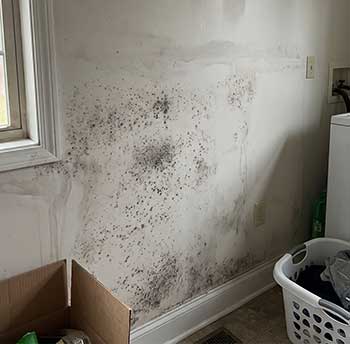
Mold colonies on drywall often start as small dots that merge into larger irregular shapes.
They may feel slightly sticky or leave a residue on your finger.
Some species produce pigments that stain the paper permanently even after the growth is gone.
Spores become airborne when the colony is disturbed, which is why wiping dry can make the problem worse.
Certain molds also generate compounds that irritate eyes and airways more aggressively than others.
In practice this means a black fuzzy patch near a leak deserves more caution than a pale powdery film on a painted wall.
- Mildew Features That Separate It From Deeper Problems
Mildew appears as a thin, even coating that can be rubbed off with moderate pressure. It rarely leaves deep stains once the surface is cleaned and dried. The growth stays white to light gray unless other dirt mixes in.
Because it does not root deeply, mildew responds well to repeated gentle cleaning and better airflow. I noticed that mildew on my drywall would return only in the same high-humidity corners until I added an exhaust fan; the mold spots kept expanding until the moisture source was fixed.
- Shared Features That Still Matter
Both need relative humidity above roughly 60 percent or direct water contact to keep growing. Both can trigger allergy symptoms in sensitive people.
Both will reappear if the wall stays damp. The practical difference lies in how much of the drywall you must treat or replace and how carefully you contain the area during cleaning.
Also Read: Is Magair Mold Remover Worth It?
Pros of Correctly Identifying and Handling Each Type
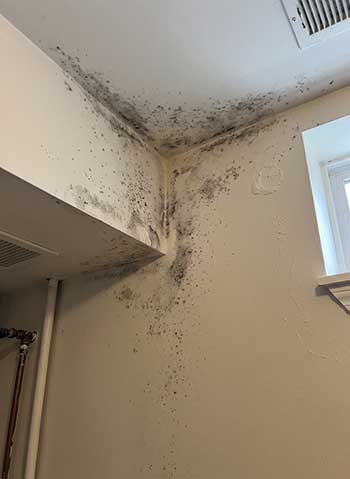
- Faster, cheaper fixes when you spot mildew early: Because mildew stays on the surface, you can usually clean it with household products in one session. A mix of dish soap and water or diluted white vinegar lifts the powdery film without damaging the paper face. Once the wall is dry and humidity drops, the chance of quick return is low. This saves the cost of new drywall and the mess of demolition. In my experience a weekend of ventilation and wiping cleared several mildew patches that would have become larger problems if ignored.
- Clear decision points for mold that prevent bigger damage: Recognizing true mold lets you stop at surface cleaning only when the growth is tiny and recent. For anything larger or recurring you know to cut out the affected section, check the cavity, and repair the moisture source. That decision protects the rest of the wall and reduces the chance that spores spread during half-measures. Proper identification also guides whether you need personal protection beyond gloves and a mask.
- Better product matching and less wasted effort: Knowing you face mildew points you toward mild cleaners that preserve the drywall paper. Knowing you face mold steers you toward solutions that can reach slightly deeper or toward professional help. Matching the method to the type avoids the frustration of watching the same spots return after using the wrong cleaner.
- Health reassurance and targeted prevention: Accurate identification tells you whether simple allergy precautions are enough or whether you should improve ventilation, fix leaks, and monitor air quality more closely. You can focus energy on the real risk instead of treating every spot as an emergency or dismissing every spot as harmless.
Cons of Misidentifying or Ignoring the Difference
- Incomplete cleaning that lets mold return stronger: Treating deep mold like surface mildew leaves the roots intact. The colony often reappears larger within days or weeks, and the drywall becomes harder to save. I watched a small black patch I only wiped grow into a hand-sized area that required cutting out a full sheet. The extra work and cost came directly from underestimating how far the growth had already traveled.
- Unnecessary demolition or expense on mildew: Assuming every pale patch is aggressive mold can lead to replacing drywall that only needed cleaning and better airflow. That wastes money and creates dust and disruption. Over-treating also risks damaging the paper face with harsh chemicals that were never required.
- Increased exposure during the wrong cleaning method: Scrubbing mold dry or using a fan to dry a still-contaminated area can send more spores into the room. Treating mildew with overly aggressive products can degrade the drywall surface and create new places for future growth. Either mistake raises the chance that you or your family breathe in more irritants than necessary.
- Delayed moisture repair that feeds both problems: Focusing only on the visible growth without fixing the leak, condensation, or poor ventilation lets whichever fungus is present keep expanding. Mold will exploit the ongoing dampness more aggressively, while mildew will simply reappear in the same spots. The longer the moisture stays, the more of the drywall you eventually lose.
Practical Steps I Use to Tell Them Apart and Act
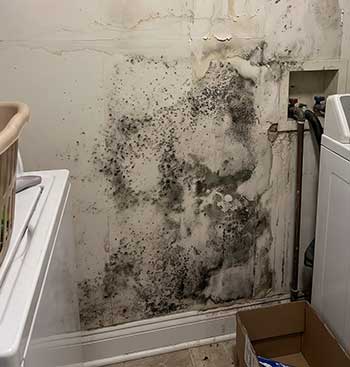
Start by noting color, texture, and smell before you touch anything.
Wipe a small test area with a damp cloth; mildew usually lifts more completely than mold.
Check whether the spot feels raised or flat. Look for water stains, peeling paint, or soft drywall nearby.
If the patch is smaller than a dinner plate, recent, and wipes clean, treat it as mildew: clean with a mild solution, dry thoroughly, and improve airflow.
If the growth is fuzzy, dark, returns quickly, or sits near a known leak, treat it as mold: contain the area, wear protection, clean carefully or remove the section, and eliminate the water source.
In both cases keep indoor humidity below 50 percent and fix any plumbing or ventilation issues so the wall stays dry.
Also Read: Is NuroClean Mold Remover Gel Worth It?
Frequently Asked Questions (FAQ)
Dawn dish soap helps lift and remove surface growth and grease but does not reliably kill mold spores. It works best as part of a cleaning step followed by a true antifungal solution and thorough drying.
Painting over mold traps moisture and usually lets the growth continue underneath. The paint may bubble or peel, and the colony can spread further into the board. Clean or remove the affected drywall first.
Mildew looks flat, powdery, and pale and often wipes away easily. Mold looks fuzzy or slimy, comes in darker colors, and may leave a musty smell or return after wiping. Texture and how deeply it sits in the paper are the clearest clues.
Many Lysol mold-and-mildew products are labeled for hard surfaces and can be used on painted drywall if you follow the directions, test a small area, and rinse or wipe residue. Avoid soaking the paper face and ensure the wall dries completely afterward.
Wrapping Up
You now have a practical way to separate mold from mildew on drywall, match your cleaning method to the actual growth, and avoid both under-treatment and unnecessary replacement.
Use the comparison points and feature lists the next time you see spots on your walls so you can protect the drywall and your indoor air with the least disruption.