
I switched between coco coir and peat moss for years in my containers and raised beds before settling on clear preferences for different situations.
This comparison walks through how each medium behaves in real use, covering water handling, pH, sustainability, and plant response so you can match the material to your setup instead of guessing.
| Aspect | Coco Coir | Peat Moss |
| Source | Coconut husk fibers | Sphagnum moss from peat bogs |
| pH Range | Typically 5.5–6.8 | Typically 3.5–4.5 |
| Water Retention | High, with good drainage | Very high, can stay soggy |
| Aeration | Excellent once established | Good when loose, poor when compacted |
| Rewetting | Easy after drying | Difficult; often becomes hydrophobic |
| Nutrient Content | Very low | Very low |
| Salt Levels | Can be high if not rinsed | Usually low |
| Sustainability | Renewable byproduct | Slow-forming, harvested from carbon-rich wetlands |
| Weight When Dry | Light | Light |
| Cost | Moderate | Often lower |
| Pest/Disease Risk | Low | Low to moderate |
Key Differences Between Coco Coir And Peat Moss
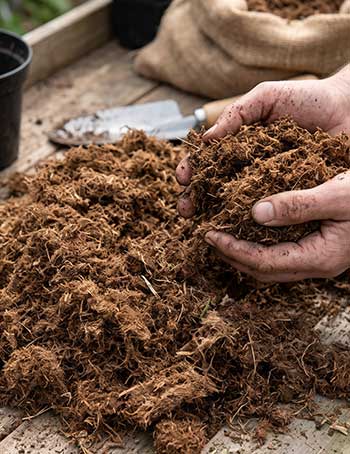
- Water behavior stands out immediately once you water both side by side. Coco coir holds moisture yet lets excess drain freely, so roots stay oxygenated even after heavy rain or an enthusiastic watering can. Peat moss soaks up more total water but can turn into a dense, airless mass if it stays wet for long; many growers notice roots stalling in the center of peat-based mixes after a few weeks of consistent moisture.
- pH shifts how you feed plants. Coco coir arrives near neutral, so most vegetables and herbs grow without constant lime additions. Peat moss starts quite acidic, which helps blueberries, azaleas, and certain orchids but forces extra buffering for tomatoes, peppers, or lettuce if you want steady growth.
- Rewetting after dry spells separates them in practice. Leave a bag of peat moss on the driveway in summer and it often repels water like waxed paper until you soak and squeeze it repeatedly. Coco coir rehydrates with a single thorough watering, which matters when you travel or forget a container for a few days.
- Environmental footprint differs in origin and recovery time. Coco coir comes from coconut processing waste that would otherwise be discarded, and coconut palms produce new husks every year. Peat forms over centuries in bogs; extracting it releases stored carbon and damages habitat that regenerates extremely slowly.
- Handling and expansion feel different in the bag. Compressed coco coir bricks expand dramatically when wet, filling a large volume from a small package. Peat moss arrives already loose or lightly compressed and does not change volume as dramatically.
- Longevity in the pot varies. Coco coir resists breaking down for multiple seasons in many outdoor containers. Peat moss decomposes faster, which can improve soil structure over time but also means the mix collapses and needs refreshing sooner.
- Salt and preparation steps affect first-time users. Some coco coir batches carry residual salts from the coconut processing; rinsing or buffering is common advice. Peat moss rarely needs this step and is ready to mix once moistened.
- Microbial activity starts differently. Coco coir is relatively inert at first, so beneficial microbes take a bit longer to colonize. Peat moss can suppress certain pathogens but may also slow the establishment of a lively soil food web until it ages in the container.
Key Features of Coco Coir
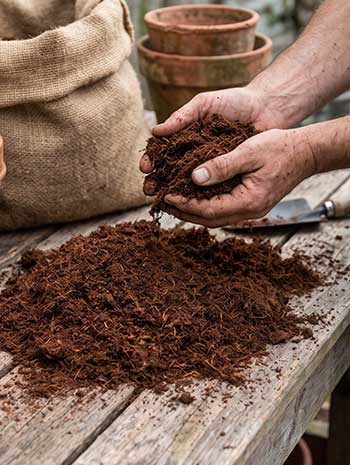
- Fiber structure creates a stable matrix that holds shape without compacting heavily. After a season of watering and root growth, the medium still feels springy when you dig in with your fingers, which keeps oxygen available near the roots.
- Expansion ratio lets you store a lot of growing volume in a small space. A typical brick swells to several times its dry size, which is useful when you buy in bulk and want to keep storage simple.
- Neutral-leaning pH reduces the need for constant amendments. You can plant most common vegetables and flowers without first adjusting acidity, then fine-tune with fertilizer rather than lime or sulfur.
- Low initial nutrient load means you control feeding from the start. Nothing unexpected leaches out in the first weeks, so you can dial in exactly what the plants need without fighting residual minerals.
- Resistance to decomposition keeps volume consistent. Unlike materials that shrink as they rot, coco coir maintains its structure, which helps with watering schedules over months.
- Good cation exchange capacity once established lets it hold onto some nutrients rather than flushing them straight through. You still feed regularly, but the medium does not behave like pure sand.
- Lightweight nature makes large containers easier to move. Even when saturated it stays lighter than many soil mixes, which matters if you rearrange pots or grow on a balcony.
- Compatibility with hydroponic or semi-hydro systems appears often. Growers reuse it in drain-to-waste or recirculating setups because it drains well and does not break down into sludge quickly.
Pros of Coco Coir
- Renewable sourcing removes guilt for many growers who want to avoid peat. Coconut husks are a byproduct of an industry that already exists, so using them does not require new land conversion or bog destruction.
- Excellent drainage reduces the chance of root rot in containers that receive inconsistent care. Even if you overwater once, excess liquid moves through rather than pooling at the bottom for days.
- Easy rewetting saves plants during dry spells or when you return from a trip. You do not need special techniques or soaking routines to get moisture back into the root zone.
- Neutral pH simplifies fertilization for the majority of common garden plants. Tomatoes, peppers, herbs, and leafy greens respond well without constant pH chasing.
- Long structural life means you can reuse the medium for a second season after refreshing nutrients and checking for salt buildup. Many growers rinse and re-amend rather than discarding it.
- Lower risk of compaction keeps air pockets available even after months of growth. Roots continue exploring the volume instead of circling in a dense mass.
- Compatibility with organic systems works well once you buffer and feed appropriately. Many organic fertilizer programs pair cleanly with coco coir because you control the inputs.
- Reduced weight in finished containers makes transport and rearranging simpler. Balcony gardeners and people who move pots seasonally notice the difference immediately.
Cons of Coco Coir
- Residual salts in some batches require an extra rinsing or buffering step before planting. If you skip this with a high-salt product, seedlings can show tip burn or slow growth until the salts leach out.
- Very low nutrient content means you must fertilize from the beginning. Unlike some compost-based mixes that carry a little starter food, coco coir leaves plants hungry if you forget the first few feedings.
- Higher upfront cost in some markets can surprise buyers who are used to peat prices. The brick form looks economical until you calculate the expanded volume and compare it to a large peat bale.
- Occasional quality variation between suppliers shows up as different expansion rates or salt levels. Testing a small amount or buying from a trusted brand reduces surprises.
- Slight tendency to tie up calcium and magnesium in the early weeks appears for some growers. Adding a calcium-magnesium supplement during the first month often solves leaf yellowing that otherwise looks like a deficiency.
- Not ideal as a sole medium for plants that prefer richer, more biologically active soil. Heavy feeders or long-season crops may need more frequent attention than they would in a peat-compost blend.
- Dust and fine particles can irritate lungs during handling if the product is very dry and you work indoors. Wearing a mask while expanding bricks is a simple precaution.
- Limited native microbial life at the start means beneficial organisms take time to establish. Inoculating with compost tea or a microbial product can speed this up if you want a living medium quickly.
Key Features of Peat Moss
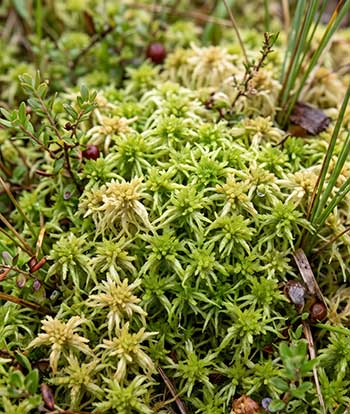
- High water-holding capacity keeps moisture available for longer stretches. In dry climates or for thirsty plants, a peat-based mix can reduce watering frequency compared with faster-draining alternatives.
- Naturally acidic starting point suits specific crops without extra sulfur. Blueberries, rhododendrons, and some carnivorous plants prefer the low pH that peat provides right out of the bag.
- Fine texture mixes easily with other ingredients. It blends smoothly with perlite, vermiculite, or compost, creating a uniform medium that feels consistent when you fill pots.
- Pathogen suppression in some studies gives it a reputation for clean starts. Seedlings often experience fewer damping-off issues in peat-heavy mixes, especially when the medium is fresh.
- Availability in most garden centers makes it the default choice for many commercial mixes. You rarely have trouble finding it, and prices stay competitive in bulk bags.
- Ability to improve soil structure over time appears when you incorporate it into garden beds. As it slowly breaks down, it adds organic matter that can lighten heavy clay or increase water retention in sandy soil.
- Consistent quality from reputable suppliers means less batch-to-batch variation than some coir products. You know roughly what pH and particle size you will get.
- Lightweight handling when dry simplifies large projects. Moving bags around a nursery or home garden feels manageable until you add water.
Pros of Peat Moss
- Strong water retention helps in hot, dry conditions where you cannot water every day. Containers stay moist longer, which benefits busy growers or plants with high transpiration rates.
- Acidic nature matches the preferences of acid-loving species without extra amendments. You can pot blueberries or camellias and know the pH starts in the right range.
- Widely available and often inexpensive in large quantities makes it practical for filling many pots or amending garden beds. Bulk pricing keeps project costs down.
- Fine, consistent texture creates a smooth seed-starting mix that holds tiny seeds in place. Germination rates stay high for many common vegetables and flowers.
- Proven track record in commercial horticulture gives confidence to new growers. Most nursery mixes have used peat for decades, so cultural advice is easy to find.
- Slow nutrient release as it breaks down can supplement light feeding programs over a season. The medium does not stay completely inert forever.
- Good for improving heavy soils when mixed into garden beds. Clay becomes easier to work and drains better after peat incorporation.
- Relatively stable pH once adjusted means you do not fight sudden swings if you buffer it properly at the start.
Cons of Peat Moss
- Environmental cost of harvesting raises concerns for growers focused on carbon storage and wetland protection. Peatlands sequester large amounts of carbon; extraction releases it and alters habitat.
- Difficulty rewetting after it dries out frustrates many container gardeners. Once hydrophobic, water runs off the surface until you thoroughly soak and work the medium by hand.
- Tendency to compact and reduce aeration over time can starve roots of oxygen. In long-season crops you may notice slower growth in the middle of the pot unless you add plenty of perlite or other aerators.
- Acidic starting pH requires adjustment for neutral-preferring plants. Adding lime takes time to react, and over-liming creates its own problems.
- Faster decomposition means the mix loses volume and structure within a season or two. You often need to top up or replace media more frequently than with coir.
- Limited drainage in pure form increases root-rot risk if watering is not precise. Many growers must blend it heavily to avoid soggy conditions.
- Dust can be an issue during handling, similar to other fine organic materials. Working outdoors or with a mask reduces irritation.
- Sourcing transparency varies; some products mix peat with other materials without clear labeling. Checking the bag helps you know exactly what percentage you are getting.
Choosing Based on Your Plants and Conditions
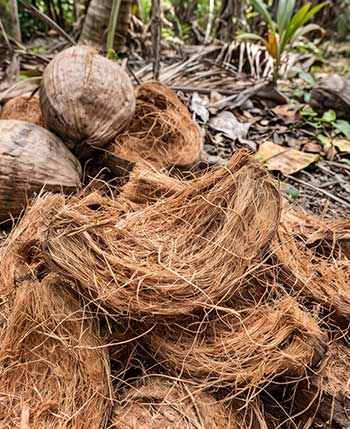
Container vegetables such as tomatoes and peppers usually perform well in coco coir because the drainage matches their preference for consistent moisture without waterlogging.
I have grown successive crops in the same coir after flushing salts and adding fresh fertilizer, and the plants stayed vigorous through summer heat.
Peat moss works if you add enough perlite and monitor moisture closely, but the rewetting problem shows up whenever a pot dries between waterings.
Acid-loving plants change the calculation. Blueberries and azaleas settle into peat-based mixes with less pH management.
You can still use coco coir for them, but you will adjust with sulfur or acid fertilizers more often.
In raised beds where you want to lighten native soil, either material helps, yet peat’s slower incorporation and coir’s stability give different long-term textures.
Climate influences the decision as much as plant type. In rainy regions, coco coir’s drainage prevents the soggy conditions that peat can create after multi-day storms.
In arid areas with infrequent watering, peat’s higher total water storage can keep roots happier between irrigations, provided you prevent it from drying completely.
Mixing the Two Materials
Combining coco coir and peat moss is straightforward and often improves the weaknesses of each. A common starting ratio is roughly equal parts by volume, then adjust based on how the mix feels after watering.
The coir improves drainage and rewetting while the peat adds water-holding capacity and a slightly lower pH. Many growers add perlite or pumice to the blend for extra air space, especially in deeper containers.
I have used a 40 percent coir, 40 percent peat, 20 percent perlite mix for mixed vegetable containers and found watering intervals more forgiving than either material alone.
The blend also ages more evenly; the peat breaks down gradually while the coir maintains structure. If you prefer organic systems, both materials accept compost or worm castings without conflict, though you should still monitor nutrient levels because neither starts with much food.
Also Read: My Experience With Miracle-Gro Potting Mix.
Frequently Asked Questions (FAQ)
Residual salts in some products require rinsing, nutrient levels start at zero so feeding is mandatory from day one, and occasional calcium or magnesium tie-up can appear early if you do not supplement.
Yes. Equal parts by volume plus an aerator such as perlite creates a balanced mix that improves drainage from the coir and water retention from the peat while moderating pH.
Plants that strongly prefer acidic conditions or very rich, biologically active soil may need extra adjustments. Certain orchids and bog plants sometimes perform better in other specialized media, and very salt-sensitive seedlings can struggle if the coir was not rinsed.
Yes for many container crops, provided you fertilize regularly and ensure good drainage. It functions as a complete soilless medium once you supply nutrients and manage pH and salts.
Wrapping Up
After seasons of side-by-side trials in my own containers, I reach for coco coir when I want reliable drainage, easy rewetting, and a renewable material for vegetables and herbs. Peat moss still earns a place for acid-loving plants or when maximum water storage matters and I can manage the rewetting.
You will get the best results by matching the medium to your watering habits, plant preferences, and environmental priorities rather than treating either as universally superior.
Start with a small test batch of each, note how they behave under your conditions, and adjust your mix from there. The plants will show you which combination keeps roots healthy and growth steady.