
I remember the first time I pulled freshly milled flour from my grain mill and baked a loaf of bread with it. The aroma, the flavor, the texture—nothing beats it.
That experience pushed me to compare the Mockmill 100 and Mockmill 200 closely because I wanted the right tool for my family’s baking needs without overspending or under-delivering.
In this article, I share my hands-on perspective to help you decide which one suits your routine, whether you bake a couple loaves weekly or go big on weekends. I cover everything from speed and performance to daily use so you can choose confidently.
| Feature | Mockmill 100 | Mockmill 200 |
| Milling Speed | 100g per minute | 200g per minute |
| Motor Power | 360W | 600W |
| Stone Size | 3.54″ corundum-ceramic | 3.54″ corundum-ceramic |
| Hopper Capacity | ~2.4 lbs (1,100g wheat) | ~2.4 lbs (1,100g wheat) |
| Dimensions | 15″ x 8.7″ x 7.5″ | Same |
| Housing Material | Arboblend® (plant-based) | Terluran® GP-35 |
| Adjustment | Stepless lever (fine to coarse) | Same |
| Weight | ~13 lbs | Slightly heavier due to motor |
| Best For | Occasional to moderate home use | Frequent or larger batch baking |
| Price Range (approx.) | Lower | Higher |
Key Differences Between Mockmill 100 And 200 Home Grain Mill
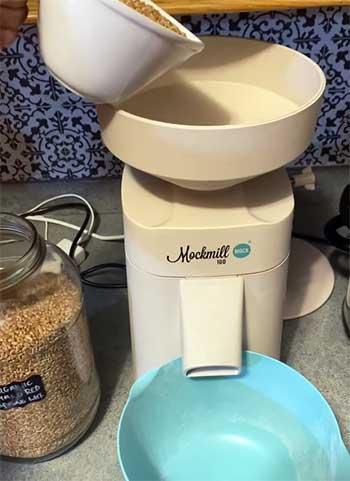
- Milling Speed and Throughput: The biggest distinction is speed. The Mockmill 100 processes about 100 grams of soft wheat per minute, which works great when I need a couple cups of flour for a single recipe or a relaxed baking afternoon. The 200 doubles that to 200 grams per minute, letting me mill enough for several loaves in half the time. This matters on busy baking days when I have kids helping or when prepping for a big family gathering, turning what could be a chore into something efficient and enjoyable.
- Motor Power and Performance Under Load: With a 360W motor, the 100 handles everyday tasks smoothly but can feel the strain on harder grains or very fine settings for extended runs, requiring a bit more patience. The 600W motor in the 200 powers through with less effort, maintaining consistent RPM and producing cooler flour even during longer sessions. I notice the 200 feels more robust when milling larger quantities without pausing, which reduces frustration during marathon baking sessions.
- Noise Levels During Operation: Both produce a characteristic stone mill hum, but the 200’s stronger motor can make it slightly more noticeable in shorter bursts though it finishes quicker overall. Neither is whisper-quiet, yet they run quieter than many impact mills I’ve tried. In my kitchen, I can have a conversation nearby without raising voices too much, making them suitable even for smaller living spaces.
- Build and Longevity: They share the same stone size and housing dimensions, making them countertop-friendly. The 200’s upgraded motor gives it an edge for durability in higher-volume use over years of regular operation. Both come with solid warranties, and cleaning is straightforward with a brush and occasional rice run, ensuring they stay in top shape with minimal effort.
- Flour Quality and Consistency: I get excellent, fine flour from both. The corundum-ceramic stones create uniform particles without heating the flour excessively. The 200 often edges out slightly in fineness on high-speed runs because of better power delivery, but the difference is subtle in final baked goods where taste and nutrition shine through equally well.
- Ease of Use for Beginners: The stepless adjustment lever lets me dial from coarse meal to pastry-fine flour with a quick flick on both models. Both feel intuitive after the first use. The hopper holds enough for a good session, and flour drops directly into my bowl—no mess, which keeps the whole process clean and inviting for new users.
- Energy Efficiency and Heat Management: The 100 uses less power overall, which I appreciate for shorter jobs and lower running costs. The 200’s extra wattage translates to faster work without overheating the flour, keeping nutrients intact even when producing more in one go.
These points shaped how I use them. For most home bakers, the 100 covers needs well, but the 200 shines when time or volume counts.
Key Features of the Mockmill 100 Home Grain Mill
I love how the Mockmill 100 balances simplicity and performance in my daily routine, making fresh milling feel approachable and rewarding.
- Compact design that fits neatly under cabinets without dominating counter space, so it stays ready for use without rearranging my kitchen every time.
- Plant-based Arboblend housing that feels sturdy yet eco-friendly, giving me peace of mind that my equipment aligns with sustainable choices while holding up well over time.
- Precise stepless fineness control for everything from cracked grains to superfine pastry flour, allowing me to experiment freely with different recipes and textures on the fly.
- Easy-clean stones and chute— I just brush out residue after each use, which takes only a couple minutes and keeps maintenance simple even on hectic days.
- Quiet enough for apartment or shared living situations, so I don’t disturb others while enjoying the fresh flour aroma filling the kitchen.
- Reliable for small to medium batches, perfect when I mill only what I need for fresh flavor that transforms my weekly bread baking.
- Cool grinding preserves enzymes and nutrients better than faster, hotter mills, resulting in breads that taste more alive and support better digestion.
- Intuitive operation that my whole family can handle safely, encouraging everyone to participate in the baking process without intimidation.
- Solid build quality that inspires confidence for years of use, with components that show thoughtful engineering from the start.
- Affordable entry into premium stone milling without compromising results, letting me focus on the joy of baking rather than worrying about the tool.
In practice, I reach for the 100 when baking one or two loaves mid-week. It delivers consistent texture that elevates my breads noticeably over store-bought flour.
Pros and Cons of the Mockmill 100
Pros:
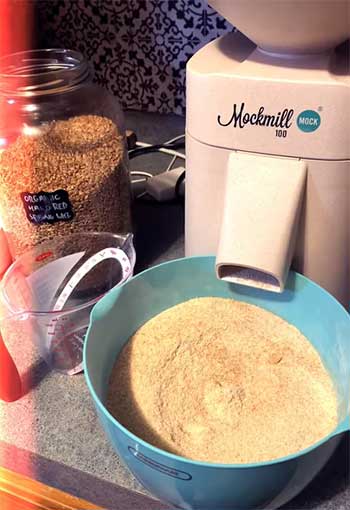
- Lower upfront cost makes it accessible for beginners testing home milling, allowing you to start enjoying fresh flour benefits sooner without a big financial commitment.
- Sufficient speed for most household needs— I rarely feel limited on typical baking days, keeping things practical and stress-free.
- Lighter power draw that’s kinder on electricity bills for light use, adding up to noticeable savings over months of regular operation.
- Compact and lightweight for easy storage or moving around the kitchen as needed during busy times.
- Produces beautiful, fresh flour with minimal heat buildup, resulting in superior taste and nutrition that you can taste in every bite.
- Simple maintenance routine that takes just minutes, so it never feels like a burden to keep it in great condition.
- Eco-conscious materials align with sustainable living values, appealing to those mindful of environmental impact.
- Excellent for learning the craft without overwhelming power, building skills and confidence gradually.
- Reliable consistency that improves every bake, turning ordinary recipes into something special.
- Quiet operation relative to its capability, fitting comfortably into daily life without disruption.
Cons:
- Slower pace when I need a lot of flour quickly for big projects, which can extend prep time on ambitious weekends.
- Motor works harder on very fine settings with tough grains, occasionally requiring a mindful approach to sessions.
- May require short breaks for extended milling sessions to maintain optimal performance.
- Less ideal if your baking scales up suddenly, potentially leaving you wanting more capacity.
- Takes longer to accumulate larger quantities compared to the 200, which might test patience during high-demand periods.
Overall, these trade-offs feel reasonable for moderate users like me on typical weeks.
Key Features of the Mockmill 200 Home Grain Mill
The 200 steps up in ways that make bigger baking days more enjoyable and productive without adding complexity.
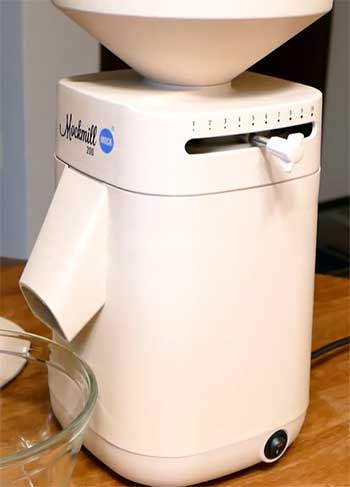
- Twice the milling speed, turning a 10-minute job into 5 minutes for the same amount, which frees up time for other parts of meal prep or simply relaxing with family.
- More powerful 600W motor that tackles dense or oily grains with ease, handling everything from standard wheat to specialty varieties smoothly.
- Same excellent stone technology but with better sustained performance during longer runs, so I get uniform results batch after batch.
- Robust feel during operation that reduces any sense of strain, making the process feel more capable and less like work.
- Great for families or serious home bakers who go through several pounds weekly, scaling effortlessly with growing enthusiasm for fresh ingredients.
- Maintains low flour temperatures even at higher throughput, protecting delicate nutrients that make a real difference in final baked goods.
- Versatile enough for occasional coarse grinds like polenta or cracked wheat, expanding my recipe options without needing extra equipment.
- Efficient workflow that encourages more frequent fresh milling, turning it into a regular habit rather than a special occasion.
- Durable construction suited for regular, enthusiastic use, built to withstand the demands of active kitchen life.
- Direct bowl output that keeps my workspace tidy, minimizing cleanup so I stay motivated to mill often.
I find myself using the 200 more when prepping for holidays or experimenting with new recipes that require larger flour volumes.
Pros and Cons of the Mockmill 200
Pros:
- Significantly faster output that saves time on busy days, letting you accomplish more in the kitchen with less waiting around.
- Stronger motor handles demanding tasks smoothly, providing a capable feel that supports creative baking adventures.
- Better suited for frequent or high-volume baking, growing alongside your passion for homemade goods.
- Maintains performance without as many pauses, creating a seamless flow during larger production runs.
- Encourages experimentation with different grains and recipes, opening up new culinary possibilities.
- Efficient for meal prepping multiple baked goods at once, streamlining weekend or holiday preparations.
- Delivers consistent fine flour even under load, ensuring high-quality results every single time.
- Builds confidence for larger family or community baking, making you feel equipped for any occasion.
- Future-proofs your setup if interests grow, offering room to expand without immediate replacement.
- Impressive throughput that feels professional yet home-friendly, bridging everyday use and more serious needs.
Cons:
- Higher price that requires justifying the investment, though the time savings often make it worthwhile over time.
- Slightly more noticeable sound during operation, which might matter in very quiet households.
- Heavier motor may add minor weight, though the overall footprint remains compact.
- Overkill for very light, infrequent users who might not fully utilize its capabilities.
- Consumes more power per session, though faster completion often offsets this in overall efficiency.
For me, the pros outweigh the cons when I bake often.
Experiences and Analytical Take
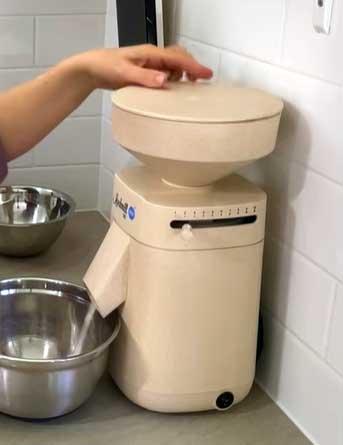
From my analytical view, the choice boils down to lifestyle.
I track my usage: the 100 suffices for 80% of my baking, but the 200 transforms weekends.
Both produce superior flour that makes bread taste alive compared to pre-packaged options.
Texture improves, crusts develop better, and digestion feels easier with fresh whole grains.
I appreciate the shared design—same stones mean comparable quality, with speed as the main variable.
If you value time savings and plan to mill regularly, lean toward the 200.
For starting out or casual use, the 100 delivers outstanding value.
I also experimented with different grains.
Both handle wheat beautifully, but the 200 powers through einkorn or rye faster without bogging down.
Cleanup remains identical and quick, which keeps me motivated to use them often.
Which One Should You Choose?
I recommend assessing your weekly flour needs. If you bake a few times and enjoy the process, the Mockmill 100 will serve you well and keep costs down. If you go through more flour or dislike waiting, the 200 becomes a game-changer.
Either way, you gain control over ingredients and flavor that store flour cannot match. I upgraded my routine with one of them, and it sparked more creativity in the kitchen.
Also Read: Should I Get The Toshiba Rice Cooker?
Frequently Asked Questions (FAQ)
Choose the 100 for moderate home use and the 200 if you bake larger batches frequently and want faster results.
The main difference is housing—the standard 200 uses synthetic material while the Lino features attractive wood for a premium look and feel; internals are very similar.
Both are excellent; Mockmill often wins on speed, price, and flour temperature while Komo offers beautiful wood design and strong warranties—pick based on priorities like aesthetics versus performance.
It produces typical stone mill noise but is manageable and quieter than impact mills; many users find it acceptable for kitchen use, though ear protection helps if sensitive.
Wrapping It Up
After spending time with both the Mockmill 100 and 200, I can tell you they both elevate your baking in meaningful ways. You will notice fresher flavors, better textures, and more satisfaction from knowing exactly what goes into your bread.
If you are like me and want reliable performance without complexity, start evaluating your habits today. The 100 might be your perfect everyday companion, or the 200 could unlock bigger possibilities.
Whichever you pick, you are investing in healthier, tastier meals for yourself and your family. Go ahead and make that fresh loaf—you will not regret it.