
After years of using Milwaukee tools on everything from full-home gut-outs to quick plumbing fixes in cramped bathrooms, the Milwaukee Sawzall versus Hackzall question keeps coming up.
Both are serious reciprocating saws built on the same M18 battery platform, yet they serve very different roles on a job site or in a garage.
This article lays out exactly how they compare in real use so you can decide which one belongs in your kit without second-guessing the purchase later.
| Feature | Milwaukee Sawzall (M18 FUEL models) | Milwaukee Hackzall (M18 FUEL) |
| Design & Grip | Full-size, two-handed inline | Compact pistol-grip, one-handed |
| Stroke Length | 1-1/8″ to 1-1/4″ | 7/8″ |
| Strokes Per Minute | 0-3,000 | 0-3,000 |
| Bare Tool Weight | ~7.4 lbs | ~4.15 lbs |
| Overall Length | ~18 inches | ~14 inches |
| Vibration Control | Counterbalance system | Dual-gear counterbalance, noticeably smoother |
| Blade Clamp | QUIK-LOK lever or keyless | Keyless tool-free |
| Shoe | Adjustable in most models | Pivoting |
| Best Materials & Tasks | Thick lumber, demo, structural metal, nail-embedded wood | PVC, conduit, overhead cuts, tight cavities, precision work |
| Power Feel | Aggressive, high material removal per stroke | Controlled and efficient, less bog-down on lighter tasks |
| Typical Price (tool only) | $100–$250 depending on exact model | $100–$200 |
Key Differences Between Milwaukee Sawzall And Hackzall
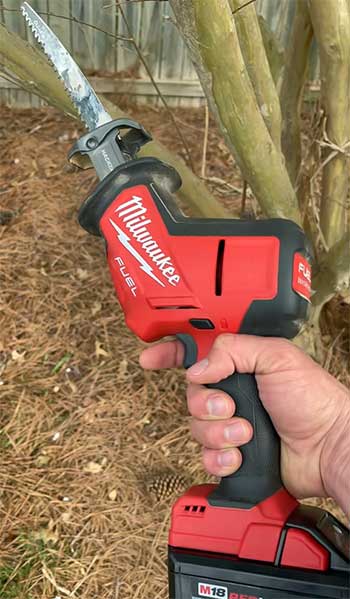
- Size and access change everything about where you can actually work. The Sawzall stretches nearly 18 inches and carries real heft once you add a battery. That length and weight give you leverage on big cuts, but they also mean the tool simply will not fit behind a toilet, inside a wall cavity between studs, or overhead while you balance on a ladder. The Hackzall shrinks the package to about 14 inches and drops the weight by almost half. I have literally finished cuts in finished spaces with the Hackzall that would have required me to open up more drywall just to swing the bigger saw into position.
- Stroke length directly affects how fast material disappears. A longer stroke on the Sawzall pulls more wood or metal out with every back-and-forth motion. On a 4×4 or heavy pipe, that extra quarter-inch per stroke adds up fast and you finish the cut with fewer passes and less heat buildup in the blade. The Hackzall’s shorter 7/8-inch stroke trades some of that aggression for control. It still cuts respectably, but you will feel it take a few more strokes on thicker stock. The difference shows up most when you are ripping out old framing versus trimming a single pipe in place.
- Power delivery and motor character suit different rhythms of work. The Sawzall models, especially the FUEL and Super versions, push harder into resistance. You lean into it and the tool keeps driving. That makes it the choice when you face nail-embedded lumber or rusted bolts on a demo day. The Hackzall’s brushless motor and shorter stroke draw less current per cut, so it sips battery life more efficiently on the many small tasks that fill a typical service day. You stay productive longer between charges when most of your cuts are quick and repetitive.
- Vibration and fatigue hit your body differently after a few hours. Even with counterbalance tech, the bigger Sawzall transmits more shake through the handles when you are bearing down on tough material. Your forearms and shoulders notice it by the end of a long tear-out. The Hackzall’s dual-gear system keeps things noticeably calmer in one-handed use. I have done overhead conduit runs where the reduced vibration let me keep going without the usual wrist burn that shows up with the full-size tool.
- Ergonomics and one-handed capability open up new positions. The Hackzall’s balance point sits right over the grip so you can hold it like a large pistol and still have your free hand steadying pipe or moving wires. The Sawzall wants both hands and a stable stance. That two-handed requirement becomes a real limitation when you are working in a finished kitchen or on a roof with limited footing.
- Blade compatibility stays the same across both tools. Standard reciprocating saw blades with the half-inch universal shank drop straight into either saw. You do not need two separate blade inventories. The clamps differ slightly in operation but both release and secure blades quickly without extra tools on current models.
- Runtime and battery strategy shift based on which saw you grab. Because the Hackzall works with less aggressive motion, the same 5.0Ah or 6.0Ah pack lasts longer on a day of mixed cuts. The Sawzall pulls more power when you really lean on it, so you reach for higher-capacity packs or plan mid-job swaps more often during heavy demo.
Key Features of The Milwaukee Sawzall
- Longer stroke length paired with high SPM gives serious material removal. Models like the M18 FUEL Sawzall and Super Sawzall use 1-1/8″ or 1-1/4″ strokes at up to 3,000 strokes per minute. That combination lets the blade eat through thick stock without bogging as easily.
- Robust build and all-metal gearing handle abuse. The gear case and internal components stand up to the twisting forces that come with big demo cuts and nail-embedded wood. Many users report years of daily site use before any major issues appear.
- QUIK-LOK or keyless blade clamps speed up changes. You swap blades in seconds even with gloves on, which matters when you move between wood, metal, and PVC on the same job.
- Adjustable shoe and LED light improve control and visibility. The shoe can be set to different depths to extend blade life, and the integrated light helps when you are working in dim crawlspaces or under cabinets.
- REDLINK intelligence protects the tool and battery. It monitors temperature, load, and discharge so the saw does not cook itself or the pack during extended heavy use.
- Counterbalance system reduces some of the shake. Newer FUEL versions smooth out the action compared with older brushed models, though it still carries more vibration than the compact option.
Pros of the Milwaukee Sawzall
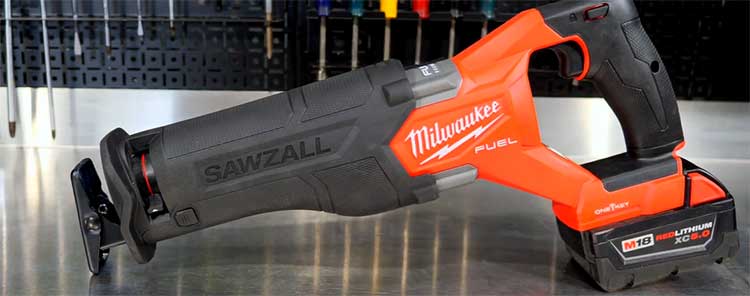
- Raw cutting speed on heavy or thick materials saves real time. When you face a wall of old plaster and lath or a stack of 2x10s, the longer stroke and higher power clear the work faster than any compact saw can manage.
- Better leverage and control on demanding demo. Two-handed operation plus the extra mass let you keep the blade tracking straight through tough spots without the tool wandering.
- Proven durability under daily abuse. Crews that rip out kitchens and baths every week often reach for the Sawzall first because it simply keeps going when lesser tools would overheat or wear out.
- Feels planted and confident on big structural cuts. You can push hard without the saw flexing or stalling mid-cut.
- Works well with longer pruning and demo blades. The full-size body supports longer blades without feeling tippy, which helps on tree work or large sheet goods.
- Holds up its value on the used market. These tools stay in demand because contractors know they deliver consistent performance year after year.
- Pairs naturally with high-capacity batteries for all-day demo. The power draw matches the bigger packs you already own for other heavy M18 tools.
Cons of the Milwaukee Sawzall
- Weight and length create fatigue faster in confined or overhead work. After an hour of awkward cuts your shoulders and back remind you why the smaller option exists.
- Overkill and cumbersome for quick service calls. When you only need to cut one or two pipes or open a small access hole, the bigger saw feels like bringing a sledgehammer to hang a picture.
- More vibration reaches your hands on long sessions. Even with modern counterbalance, extended use on dense material leaves more residual shake than the Hackzall.
- Harder to maneuver in finished spaces without causing extra damage. The long body and two-handed grip make it easy to nick drywall or trim when you are trying to work around existing finishes.
- Higher power draw means more frequent battery changes on big jobs. You plan swaps more carefully than with the efficient compact model.
Also Read: Are Tacsaw Power Shears Worth It?
Key Features of The Milwaukee Hackzall
- Compact one-handed design with excellent balance. The shorter body and centered weight let you operate it comfortably in positions where a full-size saw would fight you.
- 7/8-inch stroke at 3,000 SPM still delivers fast cuts for its size. It removes material efficiently on the thinner stock and conduit work it was built for without feeling underpowered for everyday tasks.
- Dual-gear counterbalance keeps vibration low. This is one of the standout traits. Cuts start smoother and your hand does not go numb after repeated overhead or awkward-angle work.
- Pivoting shoe maintains contact through the cut. The shoe rocks with the material so you get cleaner results and less blade binding, especially on pipe and irregular surfaces.
- POWERSTATE brushless motor and REDLINK PLUS electronics. You get strong performance, better efficiency, and built-in protection that extends both motor and battery life.
- Keyless blade clamp and lightweight package. Blade swaps happen fast, and the whole tool feels less tiring to carry between multiple small jobs in a day.
Pros of the Milwaukee Hackzall
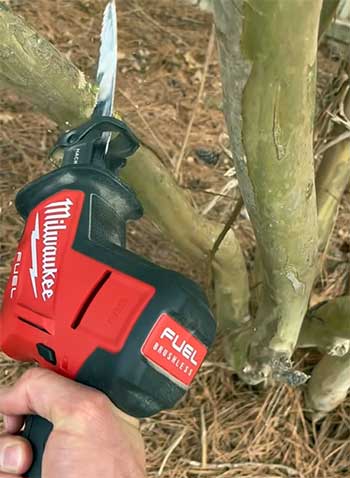
- One-handed freedom transforms how you work in tight spots. You can steady the workpiece or yourself with your other hand while still making clean, controlled cuts.
- Low vibration and light weight reduce fatigue dramatically. Overhead runs, ladder work, and repetitive small cuts stay comfortable longer into the day.
- Excellent for precision and finished-space remodels. The compact size lets you cut exactly where you need without tearing out extra material just to fit the tool.
- Strong runtime efficiency on mixed daily tasks. The same battery that powers a full Sawzall session often lasts noticeably longer when most cuts are quick and lighter-duty.
- Great balance and control for plumbers, electricians, and HVAC techs. These trades spend a lot of time in awkward positions where the Hackzall shines.
- Still powerful enough for most 2×4, PVC, and conduit work. You do not sacrifice everyday capability just because the tool is smaller.
- Easier to carry and store between multiple job sites or in a packed van. The reduced size and weight make it the saw you actually grab first for the majority of service calls.
Cons of the Milwaukee Hackzall
- Shorter stroke and lower overall power slow it down on thick or dense stock. Heavy demo days with lots of structural lumber or thick metal will take more time and more passes compared with the full-size option.
- Less ideal when you need maximum leverage or two-handed stability. Big, straight, aggressive cuts feel less planted than they do with the Sawzall.
- Not the first choice for prolonged heavy abuse. While it handles normal pro use fine, extreme daily demo work will push it harder than its design intends.
- You may still want the bigger saw for certain jobs. Most users who own both keep the Sawzall around specifically for the days when raw power and speed matter most.
When I Reach for Each Tool on Real Jobs?
On a full interior gut or deck teardown I grab the Sawzall without thinking. The extra stroke and power let me move fast and keep momentum.
When the same day includes finished-space work like replacing a section of baseboard or cutting out an old faucet supply line behind a vanity, the Hackzall comes out. It slips into the cavity, stays steady with one hand, and finishes the cut without me fighting the tool or the surroundings.
If your typical week mixes heavy demo with service and remodel work, owning both makes sense. Many contractors I know run exactly that setup.
If your work stays mostly in open areas or you only do occasional cutting, start with the Sawzall. If most of your cuts happen in walls, ceilings, or tight mechanical rooms, the Hackzall will earn its keep every single day.
Also Read: Differences Between Milwaukee M12 And M18.
Frequently Asked Questions (FAQ)
Yes. It excels at one-handed work in confined spaces, offers low vibration, and delivers solid cutting speed for its compact size. Users in plumbing, electrical, and remodel trades consistently praise its maneuverability and reduced fatigue.
Yes. Both tools accept standard reciprocating saw blades with the universal half-inch shank. You can use the same blade collection for either saw.
No. A hacksaw is a manual tool suited for small, precise cuts in metal or tight spots where power is unnecessary. A Sawzall is a powered reciprocating saw built for speed and heavy material removal. They solve completely different problems.
It shines in tight spaces, overhead work, one-handed cuts on pipe, conduit, PVC, and light framing. Electricians, plumbers, and remodelers reach for it most often because it fits where full-size saws cannot and keeps vibration low during extended awkward use.
Final Thoughts
If your projects lean toward big, open demolition, the Sawzall will feel like the right investment and save you time on the heavy lifts.
If you spend more hours working around existing finishes or in mechanical chases, the Hackzall will probably become the saw you reach for first nine times out of ten.
Think about the spaces you actually cut in most often and the weight you are willing to swing all day. That single question usually points you to the correct Milwaukee reciprocating saw for the way you work.