
I’ve spent more time than I’d like to admit sitting on couches, spilling coffee on them, and watching my pets claim them as their own territory.
When I finally decided to replace my old sofa, the debate between microfiber and suede stopped me in my tracks. Both look incredible in showrooms, but life at home is a completely different story.
In this article, I’ll break down everything you need to know about microfiber and suede couches — from durability and maintenance to comfort and cost — so you can walk into that furniture store with total confidence.
| Feature | Microfiber | Suede |
| Material Type | Synthetic (polyester/nylon blend) | Natural leather or faux suede |
| Durability | Very high | Moderate to high |
| Stain Resistance | Excellent | Poor (natural), Moderate (faux) |
| Ease of Cleaning | Easy | Difficult |
| Pet & Kid Friendly | Yes | Not ideal |
| Comfort | Soft, warm | Smooth, luxurious |
| Breathability | Moderate | Good (natural), Low (faux) |
| Price Range | $300 – $1,500+ | $600 – $3,000+ |
| Allergy-Friendly | Yes | Not always |
| Eco-Friendliness | Low (synthetic) | Moderate (natural leather) |
| Aging & Patina | Holds color well | Develops patina over time |
| Odor Retention | Low | Moderate to high |
Key Differences Between Microfiber And Suede Couches
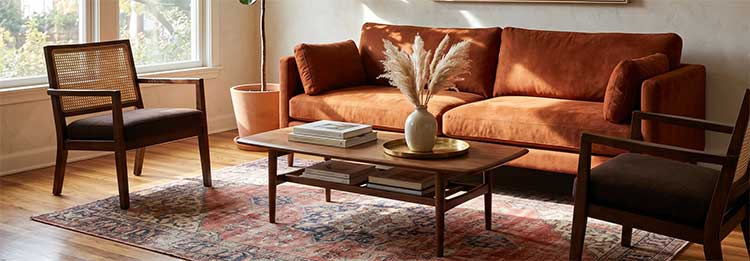
- Microfiber is a fully synthetic material while genuine suede is a natural animal-derived leather, and that fundamental difference drives almost every other distinction between the two in terms of maintenance, performance, and sustainability
- When it comes to stain resistance, microfiber wins decisively — its tightly woven synthetic surface repels spills, while suede absorbs moisture almost immediately and is vulnerable to permanent staining from even small amounts of liquid
- Maintenance routines are dramatically different — microfiber cleaning is largely a DIY affair with household products, while suede typically demands specialized brushes, cleaners, and professional attention for serious stains
- Durability in everyday use favors microfiber because it resists pilling, tearing, and fading without any active care on your part, while suede requires consistent upkeep to maintain its structural and aesthetic integrity
- In terms of cost, suede (especially genuine suede) commands a significant premium that isn’t just about the material itself but also about the ongoing investment in care products and professional cleaning services
- The breathability of genuine suede edges out microfiber in terms of comfort during warm weather, though neither material approaches the breathability of fabric upholstery like linen or cotton
- From an environmental perspective, this is genuinely complicated — microfiber is a petroleum-based synthetic that contributes to microplastic pollution, while genuine suede is a byproduct of animal agriculture, so neither is a clean environmental choice
- Microfiber is universally more practical for high-traffic households, families, and anyone with a busy lifestyle, while suede is better suited for low-traffic formal spaces or adults-only environments where careful handling is the norm
Key Features of Microfiber Couches
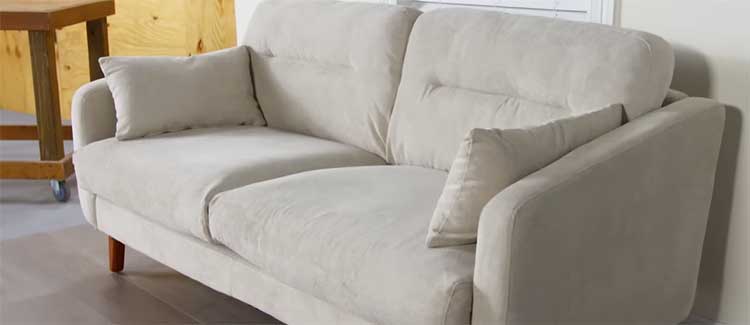
- Constructed from ultrafine synthetic fibers, typically polyester or nylon, woven at an extremely high thread density that creates a surface that feels almost velvety to the touch
- Available in a vast spectrum of colors, patterns, and textures, including options that convincingly replicate the appearance of natural suede without the upkeep
- The tight fiber structure creates a natural barrier against liquid penetration, meaning spills bead up on the surface rather than immediately soaking in
- Generally lightweight and flexible in terms of design, making it easier for manufacturers to shape into sectionals, sleeper sofas, and curved silhouettes
- Most microfiber fabrics are treated with protective coatings during manufacturing, adding another layer of stain and odor resistance
- Microfiber holds dye very well, which means the color stays vibrant and doesn’t fade easily with regular exposure to sunlight and daily use
- The material doesn’t require any special conditioning or treatment products to maintain its appearance, unlike natural suede
- Many microfiber couches are hypoallergenic because the tight weave prevents dust mites, pet dander, and pollen from embedding deeply into the fabric
Pros of Microfiber Couches
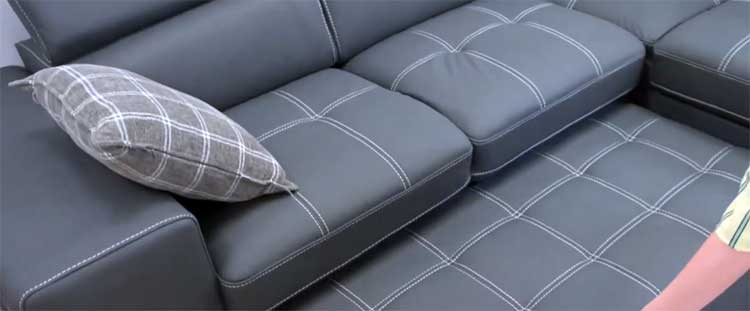
- Exceptional stain resistance makes it the go-to choice for households with young children or pets who treat the couch like a playground and a dining room simultaneously
- Cleaning is genuinely simple — most stains wipe away with a damp cloth, and for tougher messes, a small amount of rubbing alcohol on a white cloth works wonders without damaging the fabric
- The cost is significantly more accessible than genuine suede or leather, allowing you to get a high-quality, stylish sofa without stretching your budget to uncomfortable limits
- Durability is one of microfiber’s strongest suits — the synthetic fibers resist pilling, tearing, and fraying far better than natural fabrics, meaning your couch maintains its appearance through years of heavy daily use
- It’s an allergy-friendly option that doesn’t trap allergens the way some plush natural fabrics do, making it a smart pick for anyone who deals with seasonal allergies or asthma
- Because it’s a synthetic material, microfiber doesn’t crack, peel, or dry out over time the way genuine leather and suede can when they’re not properly conditioned
- Microfiber resists fading remarkably well, so even if your couch sits in a sun-drenched living room, you won’t notice dramatic color changes after a year or two
- It’s available at virtually every price point, from budget-friendly entry-level options to premium designer-grade microfiber with high-density foam cores and solid wood frames
Cons of Microfiber Couches

- Microfiber can attract and visibly hold pet hair and lint, which means you’ll need to use a lint roller or vacuum attachment regularly to keep it looking tidy, especially if you have shedding pets
- The fabric can develop a slight sheen or look flattened in areas of heavy use, like the seat cushions and armrests, over time — this is sometimes called “crushing” and it can make the couch look worn even when the structure is still solid
- Because it’s synthetic, microfiber is not a breathable fabric in the traditional sense — on hot and humid days, sitting on it for extended periods can make you feel warm and a little sweaty
- From an environmental standpoint, microfiber is not a sustainable material — it’s made from petroleum-based fibers, it doesn’t biodegrade, and washing it releases microplastics into waterways
- Some lower-quality microfiber fabrics can develop a static charge, which attracts even more dust and pet hair than usual and can feel slightly uncomfortable against bare skin
- Despite its general durability, sharp objects like pet claws, keys, or the corner of a toy can snag and create small pulls or tears in the fabric that are difficult to repair without being noticeable
- Microfiber can sometimes look and feel too casual for formal or traditionally styled living spaces, where the richness of natural materials like suede or leather makes more of a visual impact
Also Read: Is Radley Couch Worth It?
Key Features of Suede Couches
- Genuine suede is crafted from the inner split of animal hides, which gives it that characteristic soft, velvety nap that feels warm and plush under your fingertips
- The material has a natural breathability that genuine leather lacks — air can pass through the napped surface more readily, making it feel more comfortable in moderate temperatures
- Suede couches develop a unique character over time — the natural oils from regular use actually improve the material’s appearance and give it a rich, lived-in quality
- The napped surface of suede has a visual depth that changes with the direction of the light, creating a dynamic, sophisticated look that makes any living room feel more elevated
- Faux suede options have improved dramatically in quality, with some high-end versions being nearly indistinguishable from the real thing to the casual eye
- Genuine suede is a byproduct of the leather industry, which gives it a slightly more complex ethical profile than purely synthetic options
- Suede comes in a rich range of earthy, muted tones that tend to look naturally sophisticated without much effort — it’s a material that photographs beautifully and impresses in person
- High-quality suede is surprisingly durable when properly maintained, with some well-cared-for suede couches lasting decades while continuing to look better with age
Pros of Suede Couches
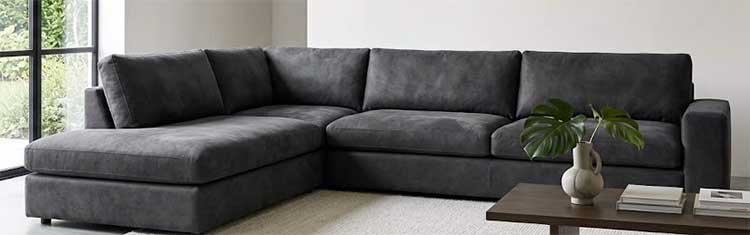
- The aesthetic appeal of suede is genuinely hard to beat — it communicates luxury, warmth, and thoughtful design in a way that immediately elevates the look of a room without requiring expensive accessories or styling tricks
- Genuine suede is breathable in a way that microfiber simply isn’t, which means it feels more comfortable during warmer months and doesn’t create that sticky, sweaty sensation during long sitting sessions
- Suede develops a beautiful patina over time, meaning the couch actually looks better with age rather than simply worn out — scratches and marks often blend into the natural texture rather than standing out
- It’s a natural material, which appeals to buyers who are environmentally conscious and prefer furniture that doesn’t rely on petroleum-based synthetics
- The weight and density of genuine suede gives a couch a substantial, premium feel that higher-end buyers appreciate — it contributes to that sense that you’re sitting on real, quality furniture
- For formal living rooms, home offices that double as sitting areas, or spaces designed to impress clients and guests, suede makes a stronger visual statement than microfiber
- Suede can be professionally cleaned and restored by upholstery specialists, meaning even a heavily stained or worn suede couch can sometimes be brought back to near-original condition
Cons of Suede Couches
- Suede is notoriously difficult to clean — water is actually one of the worst things you can get on it because moisture causes the nap to mat down and the surface to stain, which creates visible water marks that are frustratingly hard to remove
- It requires regular maintenance that goes well beyond wiping it down — you’ll need a suede brush to revive the nap, specialized suede cleaners for stains, and protective sprays applied periodically to repel moisture
- Genuine suede couches are significantly more expensive than microfiber options, with premium pieces easily costing two to three times as much for comparable size and construction
- Suede is essentially incompatible with households that include young children or pets — crayon marks, juice spills, muddy paw prints, and sharp claws are all potential disasters on a suede sofa
- The material is sensitive to direct sunlight and can fade or discolor unevenly when exposed to UV rays over time, which limits where you can place the couch in your home
- Suede can develop odors from spills, pet accidents, or simply absorbing ambient smells over time, and those odors are much harder to remove than on microfiber
- Some people develop sensitivities or allergies to the dust that accumulates in the napped texture of genuine suede, making it a less comfortable choice for allergy sufferers
- Genuine suede is sourced from animal hides, which makes it a non-starter for buyers who prioritize vegan or cruelty-free home furnishing choices
Which One Is Right For Your Home?
Here’s where I’ll be straight with you: the right answer depends almost entirely on your lifestyle, not your taste. Most people prefer the look of suede when they see it in a showroom. But most people also have coffee, kids, dogs, or all three.
If you have a young family, pets, or just a generally lived-in household, microfiber is the pragmatic choice that won’t make you anxious every time someone sits down with a snack. It’s the couch you can actually relax on.
If you have a formal sitting room, a home office, or a space that doesn’t get daily heavy use — and you’re willing to invest in proper care — suede delivers an elegance that synthetic materials genuinely struggle to match.
Faux suede sits interestingly in between. It gives you much of suede’s visual appeal with considerably better stain resistance, though it still requires more care than standard microfiber and offers less durability than genuine microfiber fabric.
Also Read: Is IKEA Kivik Couch Worth It?
Frequently Asked Questions (FAQ)
For most households, microfiber is the better practical choice — it’s easier to clean, more durable in daily use, and significantly more resistant to stains and spills. Suede wins on aesthetics and breathability, making it better suited for low-traffic, formal spaces.
Microfiber attracts pet hair and lint, can feel warm and non-breathable in hot weather, is not environmentally sustainable, and may develop a flattened or slightly shiny appearance in high-use areas over time.
There’s no single best material — it depends on your needs. Microfiber is best for durability and easy maintenance. Genuine leather is excellent for longevity. Suede offers unmatched luxury aesthetics. For most families, microfiber provides the best balance of practicality and comfort.
Suede is highly susceptible to water stains and spills, requires regular specialized maintenance, is not suitable for homes with pets or children, can fade in direct sunlight, tends to absorb odors, and is considerably more expensive than most alternatives.
Final Thoughts
I want you to walk away from this feeling like you genuinely understand what you’re choosing — not just what looks good on paper. Microfiber is the hardworking, reliable option that keeps pace with real life.
Suede is the aspirational choice that rewards careful stewardship with timeless beauty. Both are legitimate couches for legitimate lifestyles. The one that belongs in your home is the one that fits how you actually live, not how you imagine living.
If your household is high-energy, pet-filled, or kid-friendly, go microfiber without hesitation. If you’re furnishing a calm, elegant space and you’re committed to caring for it properly, suede is worth every penny of the premium you’ll pay.
Either way, now you have everything you need to make the right call.