
When I compare Trane and Carrier, I look beyond brand reputation and ask the question you probably care about most: which system will give you better comfort, reliability, efficiency, and long-term value?
Both brands are premium HVAC names, but they serve slightly different homeowners. In this article, I’ll break down how Trane and Carrier compare in real-world terms so you can make a confident choice without getting buried in technical noise.
| Category | Trane | Carrier |
| Brand Position | Rugged, durability-focused | Comfort-focused, efficiency-driven |
| Best Known For | Tough build quality and long service life | Advanced climate control and quiet operation |
| Efficiency Range | Strong high-efficiency options | Excellent premium efficiency options |
| Comfort Technology | Reliable staged and variable-speed systems | Very refined variable-speed comfort systems |
| Noise Level | Generally quiet, especially premium models | Often slightly quieter in top-tier models |
| Price Range | Usually premium-priced | Usually premium-priced, sometimes higher at the top end |
| Parts Availability | Good, but can vary by region | Strong dealer and parts network |
| Best For | Homeowners who prioritize durability | Homeowners who prioritize comfort control |
| Installation Importance | Very important | Very important |
| Overall Value | Excellent if installed correctly | Excellent if matched to the right home |
Key Differences Between Trane And Carrier
- Brand personality and design philosophy
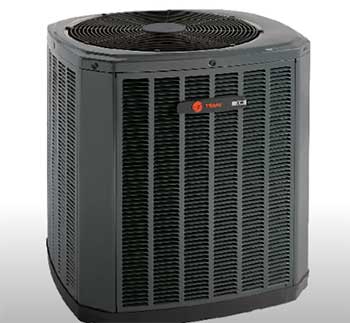
Trane has a reputation for rugged equipment.
When people talk about Trane, they often mention durability, solid cabinet construction, strong compressors, and systems that can take years of heavy use.
I would describe Trane as the brand that appeals to homeowners who want something dependable and straightforward, especially in tough climates.
Carrier feels more refined in its approach.
Carrier has a long history in air conditioning, and its premium systems often focus heavily on comfort precision, humidity control, quiet operation, and smart system integration.
If you like the idea of a system that quietly adjusts in the background and keeps your house feeling even from room to room, Carrier has a strong appeal.
- Comfort control
Carrier often has an edge when it comes to premium comfort control. Its higher-end variable-speed systems can make tiny adjustments instead of blasting on and off. That can help reduce temperature swings, improve humidity removal, and create a steadier indoor feel.
Trane also offers excellent staged and variable-speed systems, so I would not call this a one-sided contest. Still, Carrier’s top-tier comfort systems usually feel especially polished. If your home has hot spots, humidity problems, or rooms that never seem to feel right, Carrier may deserve a closer look.
- Durability and build quality
Trane’s biggest selling point is durability. Many homeowners choose Trane because they want a system that feels tough and long-lasting. Trane outdoor units are often praised for strong cabinet design, protective features, and dependable operation under demanding conditions.
Carrier is also durable, but its reputation leans more toward technology, comfort, and efficiency than brute toughness. I would not hesitate to own either brand, but if durability is my top priority and both installation quotes are equal, Trane would get extra points.
- Efficiency options
Both Trane and Carrier offer high-efficiency systems that can help reduce energy use compared with older HVAC equipment. Carrier’s premium models are especially strong in this area, particularly when paired with communicating controls and variable-speed technology.
Trane also offers very efficient models, especially in its higher product lines. The practical difference for you depends on your climate, electricity rates, heating fuel costs, ductwork condition, and how long you plan to stay in the home. A super-efficient system only makes sense if the savings help justify the higher upfront cost.
- Noise levels
Carrier often has a slight advantage in quiet operation at the premium end. Its high-end systems are designed to run gently for longer periods, which can reduce the loud start-stop cycle you may notice with basic HVAC systems.
Trane’s better models are also quiet, especially compared with older units. But if your outdoor unit sits near a bedroom, patio, or neighbor’s window, I would pay close attention to sound ratings. In that situation, Carrier may be more appealing.
- Dealer experience
This is where the comparison gets serious. The installer matters as much as the brand, and sometimes more. A proper load calculation, duct inspection, refrigerant charge, airflow setup, thermostat configuration, and clean installation can determine whether your system performs beautifully or becomes a headache.
Carrier and Trane both rely on dealer networks. In one city, the best contractor may be a Trane dealer. In another, it may be a Carrier dealer.
I would rather buy a well-installed Trane from a top local contractor than a poorly installed Carrier from a rushed crew. I would also make the opposite choice if the Carrier dealer had the better reputation.
Also Read: Is Hisense Heat Pump Any Good?
Key Features of Trane
- Strong compressor technology
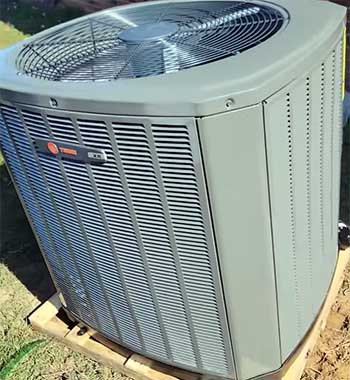
Trane systems are often associated with dependable compressor performance.
In many models, the compressor is designed to handle demanding cooling cycles and long seasons of operation.
Since the compressor is one of the most important and expensive components in an HVAC system, this matters.
For me, this is one of Trane’s strongest selling points.
If I lived in a region with long, hot summers, I would want a compressor that can handle regular use without feeling overworked.
- Durable outdoor unit construction
Trane outdoor units often feel sturdy. The cabinet design, coil protection, and overall build quality are part of the brand’s identity. This can be important if your unit sits in harsh sun, heavy rain, snow, falling leaves, or an area where outdoor equipment takes a beating.
A durable cabinet does not make a system invincible, but it can help protect key components and preserve performance over time.
- Variable-speed and staged options
Trane offers single-stage, two-stage, and variable-speed systems depending on the product line. A single-stage system is usually more affordable but less refined. A two-stage system gives better comfort because it can run at a lower output when full power is not needed. A variable-speed system gives the most precise comfort by adjusting gradually.
If I were replacing a basic old unit, I would seriously consider at least a two-stage Trane system if the budget allowed. It can make the home feel more comfortable without always jumping to the highest price tier.
- Smart thermostat compatibility
Trane has smart control options that can help manage temperature, scheduling, humidity, and system performance. Smart controls are especially useful when paired with higher-end equipment because they allow the system to communicate more effectively.
I like this feature because HVAC comfort is not just about heating and cooling. It is also about how easily you can manage your home without constantly adjusting the thermostat.
- Heating and cooling product range
Trane makes air conditioners, heat pumps, furnaces, air handlers, coils, packaged units, thermostats, and indoor air quality products. That gives homeowners flexibility. You can build a full matched system instead of mixing random components.
A matched system matters because the outdoor unit, indoor unit, coil, blower, and controls should work together. When they do, you get better efficiency, comfort, and reliability.
Pros of Trane
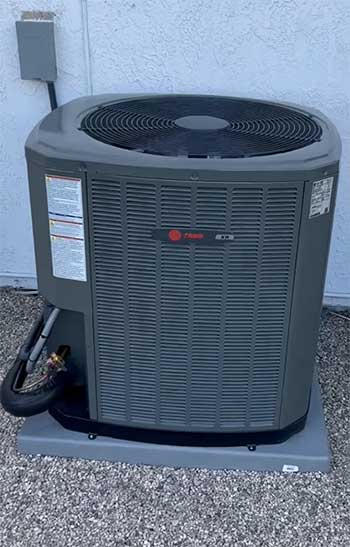
- Excellent durability reputation: The biggest reason I would choose Trane is durability. Trane has built its name around dependable equipment, and many homeowners see it as a long-term investment. If you want a system that feels rugged and capable, Trane is hard to ignore. This is especially appealing if you do not want to replace your HVAC system again anytime soon. A properly installed and maintained Trane system can be a very reassuring choice.
- Strong performance in demanding climates: Trane systems can be a strong fit for areas with intense summers, cold winters, or long heating and cooling seasons. The equipment is designed to perform under pressure, which matters when your system runs for many hours a day. If I lived somewhere with extreme weather, I would put Trane high on my shortlist.
- Good range of system options: Trane offers basic, mid-range, and premium equipment. That gives you room to choose based on budget. You can go with a simpler system for lower upfront cost or upgrade to variable-speed technology for better comfort. This flexibility is helpful because not every home needs the most advanced HVAC system. Sometimes a reliable mid-tier unit is the smarter buy.
- Strong brand recognition: Trane is widely recognized, and that can help with resale perception. A buyer may feel more confident seeing a known HVAC brand in the home. Brand name alone should not drive the purchase, but it does add a layer of confidence.
- Reliable matched systems: When Trane components are properly matched, the system can deliver strong efficiency and performance. This includes the outdoor unit, indoor blower, coil, thermostat, and accessories. A matched setup is one of those details homeowners often overlook, but it can make a real difference.
Cons of Trane
- Higher upfront cost: Trane is not usually the cheapest option. In many markets, it sits in the premium price range. That means you may pay more upfront compared with budget brands. The question is whether the durability and performance justify the cost. For many homeowners, yes. But if you plan to move soon, the payback may be harder to justify.
- Repairs can be expensive: Premium equipment can come with premium repair costs. Parts, labor, and specialized components may cost more than basic systems. This is not unique to Trane, but it is something I would factor into the decision. I would also ask about labor warranties, maintenance plans, and part availability before signing.
- Comfort depends heavily on model choice: A basic Trane system will not feel like a premium variable-speed Trane system. That sounds obvious, but homeowners sometimes assume the brand name alone guarantees top-tier comfort. If you want quieter operation, better humidity control, and fewer temperature swings, you may need to choose a higher-end model.
- Installer quality still makes or breaks it: Even Trane’s strong build quality cannot save a bad installation. Poor sizing, leaky ducts, bad airflow, and sloppy setup can create comfort problems and shorten system life. This is why I would never buy based only on the logo on the unit.
Also Read: Is Heil Heat Pump Any Good?
Key Features of Carrier
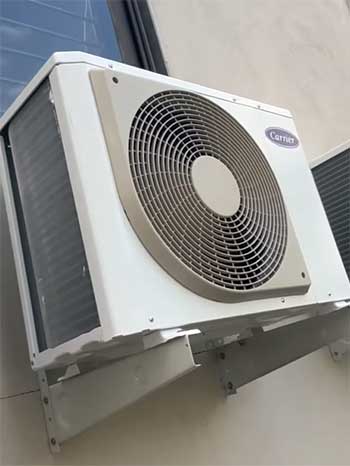
- Advanced variable-speed comfort: Carrier’s premium systems are known for excellent variable-speed performance. Instead of turning on at full blast and shutting off quickly, these systems can run at lower speeds for longer periods. That helps maintain a steadier temperature and can improve humidity control. This is one reason I like Carrier for homeowners who are sensitive to comfort swings. If you hate when the house feels too cold, then too warm, then too cold again, Carrier’s better systems may feel like a major upgrade.
- Strong humidity control: Carrier systems, especially higher-end models, can be very good at managing indoor humidity when properly installed and configured. This matters because a home can feel uncomfortable even when the thermostat says the temperature is fine. In humid climates, humidity control can be just as important as cooling power. A system that removes moisture well can make your home feel cooler without forcing you to keep lowering the thermostat.
- Quiet operation: Carrier puts a lot of emphasis on quiet comfort. Many of its premium outdoor units and indoor blowers are designed to reduce operating noise. This can be a big deal if your current system rattles, roars, or wakes you up when it starts. For me, quiet operation is not a luxury feature. It affects how peaceful the home feels every single day.
- Smart communicating controls: Carrier’s advanced control systems can help the thermostat, indoor unit, and outdoor unit work together more precisely. This can improve comfort, efficiency, diagnostics, and system performance. The benefit is not just convenience. A communicating system can help the equipment make smarter adjustments. That said, these systems can also be more expensive to repair, so I would make sure the local Carrier dealer is experienced with them.
- Broad product lineup: Carrier offers a wide range of products, from more affordable systems to high-end premium models. This makes it easier to match the equipment to your budget and comfort expectations. I like that Carrier gives homeowners multiple paths. You do not have to buy the most expensive model to get a good system, but the premium options are there if you want top-level comfort.
Pros of Carrier
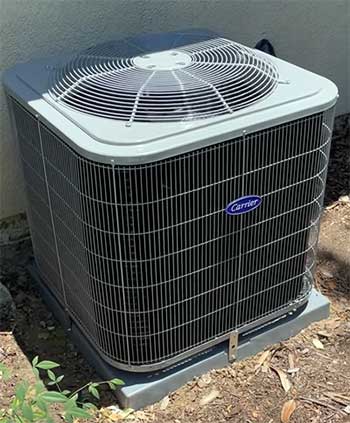
- Excellent comfort control: Carrier’s biggest advantage is comfort refinement. Its better systems are designed to maintain steady temperatures, manage humidity, and run quietly. If your current system makes your house feel uneven or clammy, Carrier may feel like a major comfort upgrade.
- Very quiet premium models: Carrier’s high-end systems can be impressively quiet. This matters more than people realize. A quiet HVAC system can make bedrooms, living rooms, patios, and home offices much more enjoyable. If noise is a major concern, I would compare Carrier’s premium models closely.
- Strong efficiency potential: Carrier offers excellent high-efficiency options. If you are replacing an older system, the right Carrier setup could help lower utility bills, especially when paired with proper ductwork and smart controls. The savings depend on your home, but the efficiency potential is clearly there.
- Great for humidity-sensitive homes: Carrier can be an excellent fit for humid climates or homes that struggle with moisture. Better humidity control can make indoor air feel cooler, cleaner, and more comfortable. I would especially consider Carrier if I lived in a warm, humid region.
- Wide dealer network: Carrier has a large dealer presence in many areas. That can make it easier to find installation, maintenance, and repair support. A strong local dealer network can be just as valuable as the system itself.
Cons of Carrier
- Premium models can get expensive: Carrier’s best systems are not cheap. If you want the quietest, most efficient, most advanced equipment, the quote can climb quickly. I would compare the added comfort benefits against the price difference. Sometimes the premium is worth it. Sometimes a mid-range model makes more sense.
- Advanced systems may require specialized service: Communicating systems and variable-speed equipment can be more complex than basic HVAC units. That can mean diagnostics and repairs require a knowledgeable technician. Before choosing a high-end Carrier system, I would make sure the installer has real experience with that product line
- Not always the best value at the entry level: Carrier makes good entry-level equipment, but the brand shines most in the mid-range and premium categories. If you are shopping mainly on price, you may find better value from other brands or from a simpler Trane quote. Carrier is strongest when you care about comfort, quietness, and control.
- Installation quality is still critical: Carrier’s technology can only perform well when the system is properly installed. Bad ductwork, incorrect sizing, or poor setup can ruin the experience. I would rather choose a slightly less advanced Carrier system installed perfectly than a premium one installed carelessly.
Also Read: Is Bryant Heat Pump Any Good?
Frequently Asked Questions (FAQ)
Carrier is often better for refined comfort, quiet operation, and humidity control. Trane is often better for rugged durability and long-term dependability. The better choice depends on your home and installer.
Trane and Carrier are both among the most trusted HVAC brands. Lennox, American Standard, Rheem, and Goodman are also commonly considered, depending on budget and local contractor quality.
The $5000 rule says you multiply the age of your HVAC system by the repair cost. If the number is over $5000, replacement may make more sense than repair.
Carrier can be worth the extra money if you choose a higher-end system and care about quiet performance, comfort control, and humidity management. For basic needs, the upgrade may not always be necessary.
Final Verdict
If I were choosing between Trane and Carrier, I would start with the contractor, not the brand. A skilled installer who sizes the system correctly, checks the ductwork, and stands behind the job is worth more than a fancy logo.
That said, I would choose Trane if I wanted rugged construction, dependable performance, and a system with a strong durability reputation. I would choose Carrier if I wanted smoother comfort, quieter operation, and better humidity control from a premium system.
For you, the best choice comes down to what bothers you most about your current HVAC system. If you want fewer headaches and a tough machine, Trane may feel right. If you want your home to feel quieter, steadier, and more comfortable every day, Carrier may be the smarter pick.