
I spent months comparing LG and Samsung dishwashers in my own kitchen because I needed one that actually cleaned well, dried properly, and lasted without constant headaches.
In this article, I share exactly what I experienced with both brands, from daily performance to long-term ownership.
I break down the real differences so you can decide which one fits your needs better. Whether you prioritize powerful steam cleaning or smart home integration, I cover it all from a practical user perspective.
| Feature | LG Dishwashers | Samsung Dishwashers |
| Cleaning Technology | QuadWash with multi-motion arms, TrueSteam | StormWash+, Linear Wash, WaterWall |
| Drying Performance | Excellent with TrueSteam | Good with AutoRelease door and fan |
| Noise Level | Often 42-46 dBA, very quiet | Competitive, around 39-44 dBA |
| Smart Features | ThinQ app, voice control | SmartThings app, strong integration |
| Motor Warranty | 10-year on Inverter Direct Drive | Standard, varies by model |
| Rack Flexibility | Adjustable third rack, foldable tines | Flexible racks, third rack on many |
| Price Range (typical) | $700 – $2,300 | $600 – $1,800 |
| Best For | Steam cleaning, drying, value | Design options, smart connectivity |
Key Differences Between LG And Samsung Dishwashers
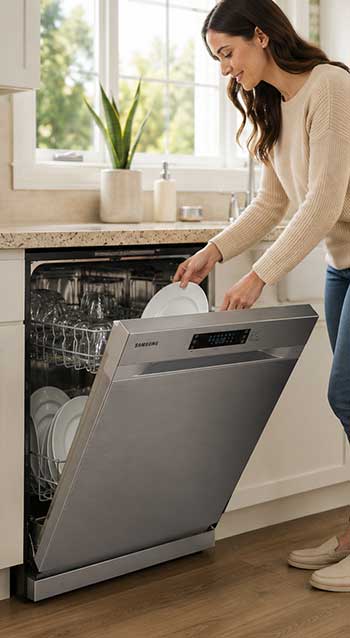
- Cleaning Systems Stand Out Differently: LG relies on QuadWash technology with four spray arms that move in multiple directions plus rotating motions to tackle stuck-on food from every angle. I found it handled baked-on lasagna remnants and dried egg effectively even on the top rack. Samsung uses StormWash+ or Linear Wash, directing powerful jets to specific zones, especially useful for pots and pans clustered in the lower rack, while WaterWall creates a cascading effect in premium models that feels intense on heavy loads.
- Drying Approaches Vary: LG’s TrueSteam injects steam during the cycle, which I noticed left glasses, plates, and even tricky plastics much drier with far fewer water spots. Samsung often features an AutoRelease door that pops open at the end to let moisture escape, combined with fan assistance, which works well in drier climates but sometimes left a bit more moisture on plastic containers during humid summer months in my kitchen.
- Design and Aesthetics: Samsung shines with Bespoke options, letting you match colors and finishes to your kitchen seamlessly for that custom built-in appearance. LG offers sleek PrintProof stainless steel that resists fingerprints effectively, which I appreciated for a consistently clean look over weeks of family use without constant wiping.
- Smart Connectivity: Samsung integrates deeply with SmartThings, allowing me to monitor cycles, receive push notifications on my phone, adjust settings remotely, and even integrate with my other Samsung devices effortlessly. LG’s ThinQ app is solid for remote start, diagnostics, and cycle tracking but felt slightly less seamless when connecting across mixed-brand appliances in my home.
- Build and Motor Focus: LG emphasizes its Inverter Direct Drive motor for exceptionally quiet, efficient, and reliable operation backed by that impressive 10-year warranty that gives real peace of mind. Samsung prioritizes overall innovation in wash systems, user-friendly touch controls, and modern aesthetics that make the appliance feel like part of your smart kitchen ecosystem.
Also Read: Comparison of Frigidaire And GE Dishwashers.
Key Features of LG Dishwashers
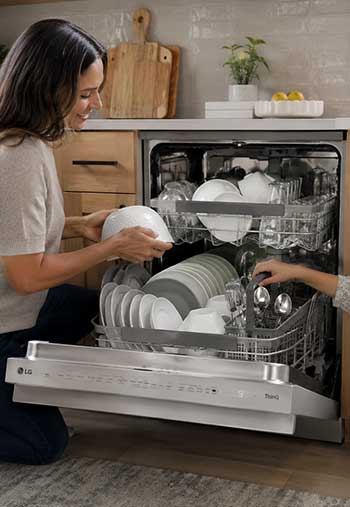
- QuadWash Technology: Four rotating spray arms deliver comprehensive coverage with multi-motion action that reaches every corner of the tub. In practice, this meant I could skip most pre-rinsing even after big family meals with greasy pans, tomato sauce, and starchy residues.
- TrueSteam: Injects actual steam to penetrate and loosen tough, baked-on messes while significantly boosting drying performance. This feature consistently left my loads sparkling and bone-dry, reducing the need for hand-towel touch-ups.
- Inverter Direct Drive Motor: Runs smoother and much quieter than traditional motors, delivering excellent energy efficiency along with that standout 10-year warranty. I ran it late at night without waking anyone in the house.
- Third Rack and Adjustable Racks: Dedicated space for utensils plus foldable tines and height-adjustable racks that easily accommodate tall pots, delicate wine glasses, or oversized platters without compromise.
- Leak Detection and Smart Diagnostics: ThinQ app sends alerts for potential issues, while built-in automatic leak protection shuts off water if problems arise, adding serious protection for peace of mind.
- Sanitization Cycles: Certified to eliminate 99.9% of bacteria, perfect for households with young kids, elderly family members, or anyone wanting restaurant-level hygiene at home.
- Quiet Operation: Consistently hits low decibel levels that make it barely noticeable, even in open-concept living spaces where the kitchen flows into living areas.
- Energy Efficiency: Multiple models carry ENERGY STAR certification, which helped keep my monthly utility bills manageable despite running full loads almost daily.
- Advanced Rinse Aid Dispensing: Smart systems that optimize rinse aid usage for streak-free results across different water conditions.
- Customizable Cycles: From quick 30-minute washes to intensive heavy-duty modes, giving flexibility for everything from daily dishes to post-dinner party cleanup.
I loaded a full day’s worth of family dishes into an LG model, including greasy pans and delicate wine glasses, and it handled everything impressively. The steam feature made a noticeable difference in shine and dryness that I came to rely on.
Pros of LG Dishwashers
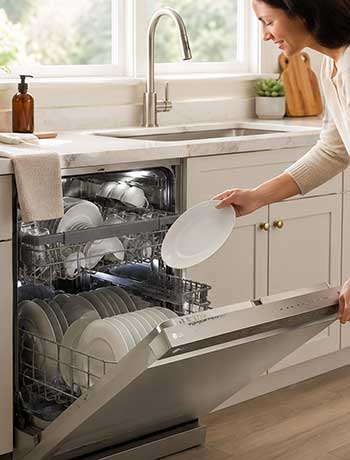
- Strong steam-powered cleaning and drying that consistently delivers spot-free, thoroughly dry results even on mixed loads of glass, plastic, and ceramic.
- Long 10-year motor warranty provides genuine confidence in long-term durability and fewer repair worries.
- Excellent overall value, with mid-range models packing premium features that compete with higher-priced competitors.
- Very quiet performance that suits open-concept homes and light sleepers perfectly.
- Highly flexible loading options that adapt easily to different dish shapes and sizes without frustration.
- Reliable ThinQ app for convenient monitoring, troubleshooting, and even software updates that improve performance over time.
- Effective sanitization cycles that give health-conscious households extra reassurance.
- Solid capacity that handles large family loads efficiently without taking up excessive space.
- Consistent cleaning power that reduces the need for pre-scrubbing, saving time on busy weekdays.
- PrintProof finishes that maintain a polished look with minimal effort.
In my testing, the drying performance stood out as a real winner compared to many competitors I tried before, cutting down on that annoying post-cycle towel drying.
Also Read: Comparison of Frigidaire And Whirlpool Dishwashers.
Cons of LG Dishwashers
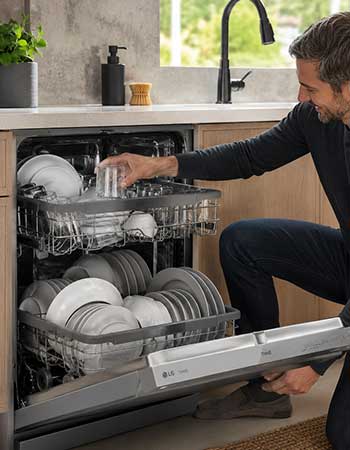
- Some models can feel pricier upfront, especially when loaded with all the steam and smart features.
- Occasional drainage or filter maintenance needs arise if you forget to clean the filter regularly after very heavy, starchy loads.
- Rack durability in lower-end models may show wear faster under constant heavy daily use with large pots.
- Parts availability for repairs can vary depending on your location and local service partners.
- Smart features, while capable, sometimes lack the deepest ecosystem integration when mixing with non-LG devices.
- Certain thorough cycles run longer to achieve optimal cleaning and drying results.
- Plastic items may still need a quick towel dry in very humid climates despite the steam advantage.
- Limited bold color customization options compared to brands offering extensive panel choices.
- Touch controls can occasionally be sensitive to accidental activations if not careful.
- Initial setup of the app and Wi-Fi connection takes a few extra minutes for full functionality.
These issues never stopped me from enjoying daily use, but they are worth noting for realistic long-term ownership expectations.
Key Features of Samsung Dishwashers
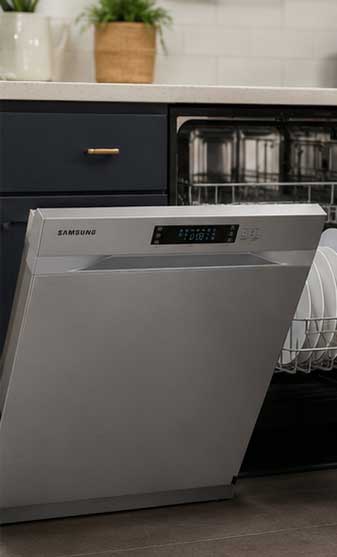
- StormWash+ or Linear Wash: Targeted high-pressure jets blast away tough messes with precision, particularly effective in the lower rack zone for pots, pans, and heavily soiled items.
- AutoRelease Door: Automatically opens at the end of the cycle for better natural drying through improved airflow, reducing trapped humidity.
- SmartThings Integration: Comprehensive control from your phone including real-time cycle status, push notifications, remote start, energy usage tracking, and seamless connection with other Samsung smart home devices.
- Bespoke Design Options: Extensive customizable panels and finishes that let the dishwasher blend beautifully into your kitchen cabinetry or stand out with bold colors.
- Flexible Third Rack: Multiple adjustable heights and tines that make loading versatile for everything from small utensils to large serving trays.
- Quiet Performance: Low dBA ratings that keep your kitchen peaceful during operation.
- WaterWall Technology: In select models, creates a dynamic wall of water for intense, sweeping cleaning power across the entire tub.
- Leak Protection Systems: Advanced sensors and automatic shut-off features that help prevent water damage incidents.
- Intuitive Touch Controls: Modern interface with easy-to-read displays and quick-select options for common cycles.
- Enhanced Drying Systems: Combination of fan assistance and door release that promotes faster evaporation of moisture.
Samsung models impressed me with their modern interface and how seamlessly they fit into a tech-forward kitchen.
Also Read: Differences Between Kirkland And Cascade Dishwasher Pods.
Pros of Samsung Dishwashers
- Innovative wash systems excel at handling specific heavy soil loads with targeted power where you need it most.
- Beautiful design choices, especially with the Bespoke collection, that enhance your kitchen aesthetics instead of just blending in.
- Strong smart home features through SmartThings that make monitoring and controlling the dishwasher convenient from anywhere.
- Competitive pricing in many segments that delivers good features without stretching budgets too far.
- Effective drying with the AutoRelease door mechanism that works reliably in most conditions.
- Spacious and highly adaptable interiors that accommodate varied dish loads comfortably.
- Good energy efficiency in recent models that balances performance with reasonable operating costs.
- User-friendly controls and app experience that feel intuitive even for non-tech-savvy family members.
- Attractive finishes that resist smudges and fingerprints effectively for a cleaner daily appearance.
- Quick cycle options that get lightly soiled loads done fast when you are in a hurry.
The customization options made my kitchen feel more cohesive, which I really valued every time I walked in.
Cons of Samsung Dishwashers
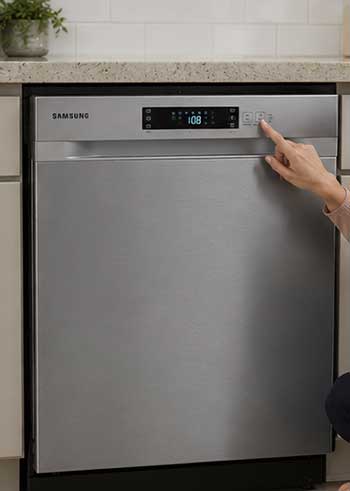
- Drying performance can sometimes leave more spots on plastics and certain containers without careful use of rinse aid.
- Reliability feedback varies across models, with some users noting occasional electronic or sensor issues after a couple of years.
- Service and parts support can be inconsistent depending on your region and local authorized technicians.
- Control panels, while modern, may feel slightly complex or overwhelming at first for basic users.
- Motor warranty is typically shorter than LG’s 10-year coverage, which may concern long-term owners.
- Occasional longer cycle times when running intensive cleaning modes for heavily soiled loads.
- Higher repair costs reported in some cases if issues arise outside basic coverage.
- Less emphasis on steam technology for deep sanitization compared to LG’s approach.
- Some models require more frequent filter checks to maintain peak performance.
- App notifications, though useful, can occasionally feel excessive if not customized properly.
These points came up during my research and personal checks, though many owners enjoy years of solid service when maintained well.
My Experience Comparing Both
When I first installed the LG, the TrueSteam cycle blew me away on a load of greasy pots. Dishes emerged hot, dry, and sparkling. The quiet hum meant I could run it during movie night. Loading felt intuitive with the adjustable racks.
Over weeks, I appreciated the consistent cleaning without much pre-work.
Switching to Samsung brought excitement with the app notifications and sleek look. StormWash tackled my cast iron skillet remnants effectively, and the AutoRelease door helped with airflow. Smart integration let me check progress from the couch.
However, I noticed slightly more spotting on some items and paid closer attention to maintenance.
Both handled everyday family messes well, but LG edged out in drying while Samsung won on aesthetics and connectivity. Your choice depends on priorities: steam performance and motor assurance versus design and smart ecosystem.
- Factors to Consider Before Buying
Think about your kitchen layout, water hardness in your area, and how much tech you want. Measure your space carefully since dimensions are similar but finishes differ. Budget for installation and potential extended protection.
Test noise levels in person if possible. Consider local service availability since both brands have wide networks but experiences vary.
I factored in my busy household, desire for low maintenance, and need for reliable drying. That guided my leanings, but both offer strong options.
- Which One Should You Choose?
If steam cleaning, superior drying, and motor longevity matter most, I recommend leaning toward LG. For standout design, smart features, and flexible modern aesthetics, Samsung delivers.
Many users, including me in different scenarios, find satisfaction with either when matched to needs. Test models in stores and read recent owner feedback for your specific area.
Also Read: My Experience With Kirkland Ultra Shine Dishwasher Detergent.
Frequently Asked Questions (FAQ)
Bosch often ranks highest in independent tests, but between these two, LG generally receives stronger feedback for motor durability and consistent performance.
It depends on your needs. LG excels in cleaning and drying technology while Samsung leads in design and smart integration. Both offer capable appliances with different strengths.
Drainage issues or error codes related to water flow often appear if filters are not cleaned regularly, though proper maintenance minimizes this.
LG pulls ahead for many in drying and warranty aspects, but Samsung can be preferable for style and connectivity. Neither is universally superior.
Final Thoughts
In the end, I found real value in both LG and Samsung dishwashers after living with them. You now have the details to pick what works best for your home. Consider your daily routine, kitchen vibe, and priorities, then choose confidently.
Both can serve you well with the right expectations and care.