
I spent months looking into mini split systems for my home because I wanted efficient, quiet heating and cooling without the hassle of ducts.
LG and Mitsubishi kept coming up as top options, so I dug deep into their features, real-world performance, user feedback, and long-term value.
In this article, I share everything I learned so you can decide which one fits your situation better. Whether you prioritize smart features and affordability or rock-solid reliability and cold-weather performance, I’ll break it down clearly.
| Aspect | LG Mini Splits | Mitsubishi Mini Splits |
| Price | More affordable upfront | Premium pricing |
| Efficiency (SEER/HSPF) | High ratings, often competitive | Excellent, strong in real-world use |
| Cold Climate Heating | Good down to very low temps in newer models | Outstanding Hyper-Heating performance |
| Smart Features | Excellent ThinQ app integration | Functional but less seamless app |
| Noise Levels | Very quiet | Among the quietest (as low as 19 dB) |
| Reliability | Good but mixed long-term reports | Top-tier, built to last |
| Warranty | Up to 12 years | Strong 12-year coverage |
| Best For | Budget-conscious users wanting smart tech | Those seeking maximum durability |
Key Differences Between LG and Mitsubishi Mini Splits
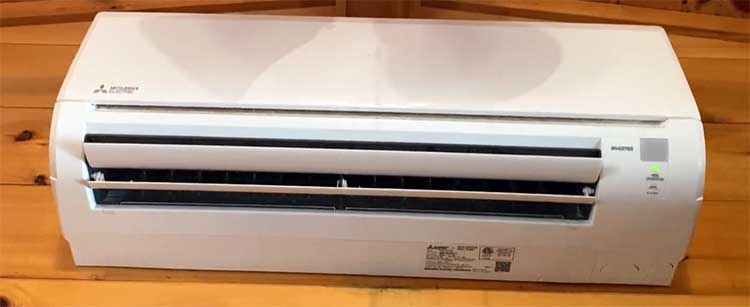
Here is how they stack up across important categories in my analysis:
- Performance in Cold Weather: Mitsubishi pulls ahead clearly with its Hyper-Heating technology that delivers strong, consistent heat even when temperatures drop to -13°F or lower. LG handles cold weather well in its newer models, but you will notice a bigger drop in heating capacity once the mercury falls into the single digits, making Mitsubishi the safer pick for northern or mountainous regions.
- Smart Technology and App Experience: LG wins comfortably here. Their ThinQ app feels modern, responsive, and packed with useful tools like energy monitoring, scheduling, and voice control that actually work smoothly. Mitsubishi’s kumo cloud app gets the job done but feels more basic and less intuitive by comparison.
- Upfront Cost vs Long-Term Value: LG offers noticeably better upfront pricing, often 20-35% lower for similar capacity systems. Mitsubishi costs more initially but tends to deliver better long-term value through fewer repairs, longer lifespan, and more stable efficiency, which can make the higher price worthwhile if you plan to stay in your home for many years.
- Noise Levels: Both brands are impressively quiet, but Mitsubishi frequently takes the edge with indoor units that can run as low as 19 dB — basically library quiet. LG is still very quiet for everyday use, yet some users report slightly more noticeable fan sound at higher speeds.
- Reliability and Longevity: Mitsubishi consistently earns higher marks for durability. Many homeowners and technicians report 15–25 years of reliable service with minimal issues. LG performs well for the first 7–10 years but shows more mixed results afterward, with occasional compressor or control board concerns showing up in owner forums.
- Aesthetics and Design: LG stands out with sleeker, more stylish indoor units like the Art Cool series that can actually enhance your room’s look. Mitsubishi units focus more on function, appearing simpler and more industrial, which bothers some design-conscious homeowners but does not matter to others.
- Installation and Service Network: Mitsubishi benefits from a stronger, more established network of trained HVAC professionals across the country. Parts are usually easier to source quickly. LG’s network is growing but can still mean longer wait times or fewer experienced technicians in smaller markets.
- Energy Efficiency in Real Use: On paper the ratings are close, but Mitsubishi often performs more consistently across extreme temperature swings and varying loads. LG delivers excellent efficiency in moderate conditions but can use a bit more power when pushed hard in very hot or very cold weather.
- Air Quality and Filtration: Both do a good job, but Mitsubishi’s combination of 3D sensors, enzyme filters, and dual barrier coatings gives it a slight advantage for people with allergies or respiratory sensitivities. LG’s multi-stage filters are still very capable for most households.
- Zoning Flexibility and Scalability: Mitsubishi offers slightly more refined multi-zone control and better load balancing between rooms. LG provides plenty of options too, but some users find Mitsubishi systems maintain more even temperatures across multiple zones during peak demand.
Key Features of LG Mini Splits
LG designs their mini splits with a strong focus on blending technology, style, and everyday usability. Here is a detailed breakdown of what stands out:
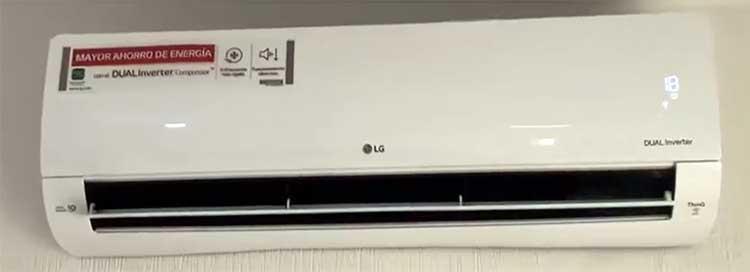
- Dual Inverter Compressors that adjust speed dynamically for rapid temperature pull-down and then maintain steady, efficient operation without constant on-off cycling that wastes energy.
- ThinQ Smart App with robust remote control, real-time energy usage tracking, maintenance reminders, and seamless voice integration with major smart assistants.
- Art Cool and Gallery Series Designs featuring slim profiles, customizable front panels, and artistic finishes that look like modern wall art rather than bulky AC units.
- Built-in Condensate Drain Heaters on outdoor units to prevent freezing and ensure reliable drainage even in cooler shoulder seasons.
- High Seasonal Energy Efficiency Ratings frequently reaching 20-28 SEER and strong HSPF numbers that translate into measurable monthly savings.
- Multi-Layer Filtration Systems including pre-filters, plasma filters, and deodorizing elements that actively reduce dust, pollen, bacteria, and unpleasant odors.
- Low Ambient Operation with many models performing effectively for both cooling and heating in a wide temperature range.
- Quiet Indoor Fans with multiple speed settings and specialized blade designs that keep sound levels low during normal operation.
- Auto-Restart and Self-Diagnostics that help the system recover from power outages and alert you to potential issues early.
- Zoning Flexibility supporting single-zone and multi-zone configurations with various indoor unit styles like wall-mount, ceiling cassette, and concealed duct options.
These features make LG systems feel contemporary and tailored for homeowners who enjoy tech that simplifies life.
Pros of Choosing LG Mini Splits
LG delivers strong appeal in several key areas that can make them the right fit for many households:
- More Accessible Upfront Pricing that allows you to install a full multi-zone system without the same sticker shock as premium competitors.
- Excellent Smart Home Integration that lets you control temperatures, set schedules, monitor usage, and receive alerts from anywhere using your phone.
- Eye-Catching Aesthetics where indoor units can complement modern interiors and even serve as subtle design elements rather than eyesores.
- Fast Response Times thanks to inverter technology that quickly reaches desired temperatures after a hot day or cold night.
- Solid Energy Savings in moderate climates where their efficiency ratings shine during typical seasonal use.
- Comprehensive Warranty Coverage offering up to 12 years on compressors and key parts when properly installed and registered.
- Broad Model Variety including options for nearly any room layout, from small bedrooms to open-concept living areas.
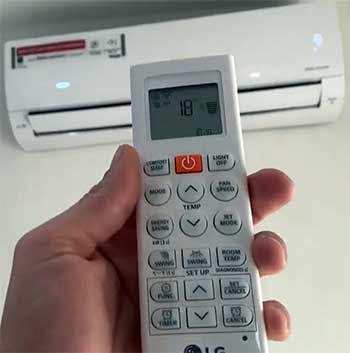
- User-Friendly Interfaces with large, clear remote displays and intuitive app navigation that family members of all ages can operate comfortably.
- Effective Humidity Control that removes moisture efficiently during cooling mode, improving comfort in humid regions.
- Growing Dealer Network in many urban and suburban areas, making it easier to find installers familiar with the brand.
Overall, LG gives you modern conveniences and respectable performance at a price that feels reasonable for the features received.
Cons of LG Mini Splits
Being realistic, LG systems come with some limitations worth considering carefully:
- Inconsistent Long-Term Reliability Reports where some owners experience compressor failures or electronic board issues after 5-8 years.
- Occasional Parts Delays during repairs that can leave systems down longer than expected in certain regions.
- Installation Complexity requiring technicians who understand LG-specific protocols like proper addressing and communication wiring.
- Smaller Nationwide Service Footprint compared to brands with deeper HVAC roots, potentially meaning higher travel fees or longer response times.
- Performance Dip in Extreme Cold where heating output can drop more noticeably than dedicated hyper-heat systems below zero.
- Potential for Fan or Compressor Noise over time if filters are not cleaned regularly or in high-dust environments.
- App Dependency for full features, which can frustrate users who prefer simple manual controls during connectivity issues.
- Mixed Customer Support Experiences with some reports of lengthy hold times or troubleshooting challenges.
- Higher Sensitivity to Poor Installation where improper setup can lead to more frequent service calls.
- Less Specialized Cold-Climate Optimization in base models compared to brands engineered specifically for harsh winters.
These factors suggest LG works best when paired with excellent local support and in climates without prolonged sub-zero temperatures.
Also Read: Is Mirage Mini Split Worth It?
Key Features of Mitsubishi Mini Splits
Mitsubishi builds their systems with an engineering-first mindset that prioritizes durability, precision, and all-weather performance:
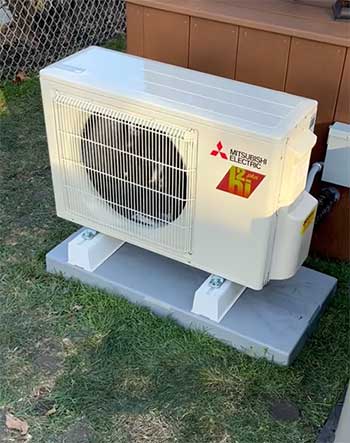
- Hyper-Heating INVERTER Technology that provides full-rated heating capacity at temperatures as low as -13°F and continues operating efficiently even lower.
- Exceptionally Quiet Indoor Units with sound levels starting at just 19 dB on select models, making them nearly silent in bedrooms and offices.
- Advanced 3D i-See Sensor Technology that detects human presence, movement, and floor temperature to direct airflow precisely where needed.
- Multi-Stage Air Purification featuring nano-platinum filters, enzyme filters, and electrostatic elements for superior allergen and odor control.
- kumo cloud and Smart Controls offering remote access, scheduling, and integration with major voice platforms.
- Robust Outdoor Unit Construction with corrosion-resistant coatings and components tested for long life in demanding conditions.
- Wide Capacity Range and Modular Multi-Zone Systems that scale seamlessly from single rooms to entire large homes.
- Dual Barrier Coating on heat exchangers that prevents dirt and moisture buildup, maintaining efficiency longer.
- Automatic Airflow Adjustment and multiple fan modes that adapt to maintain even temperatures without drafts.
- Self-Cleaning and Maintenance Features that reduce buildup on coils and extend intervals between professional service.
Mitsubishi systems feel like they are built for serious, long-term comfort rather than short-term appeal.
Pros of Choosing Mitsubishi Mini Splits
Mitsubishi earns strong loyalty through these consistent advantages:
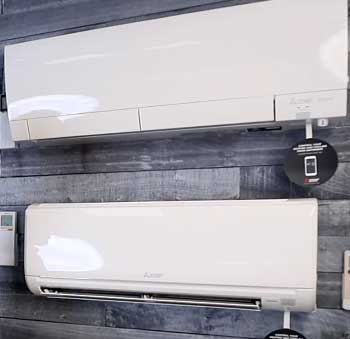
- Outstanding Long-Term Reliability with countless reports of systems running 15-25 years with minimal repairs when maintained.
- Best-in-Class Cold Weather Heating that keeps homes warm and efficient during deep freezes where other units lose capacity.
- Ultra-Quiet Performance that disappears into the background, perfect for light sleepers and noise-sensitive environments.
- Superior Air Quality Management that noticeably reduces allergens and provides cleaner indoor air year-round.
- Stable Energy Efficiency across wide temperature swings, leading to predictable and often lower operating costs over time.
- Strong Professional Installer Support and widespread availability of trained technicians and replacement parts.
- Precise Temperature and Zoning Control that eliminates hot and cold spots effectively in multi-room setups.
- Durable Build Quality that resists wear from weather, humidity, and heavy daily use.
- Innovative Comfort Features like occupancy sensing and floor temperature monitoring that enhance real-world livability.
- High Resale Value for homes because buyers and inspectors recognize the brand’s reputation for quality.
Many users describe Mitsubishi as a “set it and forget it” solution that delivers peace of mind.
Cons of Mitsubishi Mini Splits
Mitsubishi is not without trade-offs, especially for certain buyers:
- Significantly Higher Purchase Price that can be 20-40% more than comparable LG systems depending on configuration.
- Less Polished Smart App Experience where the interface feels dated compared to more consumer-focused competitors.
- Subtler, Function-First Designs that prioritize performance over decorative appeal in indoor units.
- Premium Cost Across All Components including indoor units, line sets, and accessories.
- Potentially Higher Installation Costs due to stricter requirements and certified technician preferences.
- Less Necessary for Mild Climates where hyper-heating capabilities add expense without proportional benefits.
- Steeper Initial Learning Curve for advanced sensor and control features.
- Bulkier Outdoor Units in some higher-capacity models that require more planning for placement.
- Limited Aesthetic Customization options compared to brands emphasizing design integration.
- Higher Perceived Complexity during troubleshooting for average homeowners without professional help.
These drawbacks mainly center on cost and style, which may not matter if reliability is your top priority.
Which One Should You Choose?
If I had to pick for my own home today, I would lean Mitsubishi for its proven longevity and cold-weather strength, especially if budget allows. But LG makes a compelling case when saving upfront and enjoying smart controls matter more.
You cannot go badly wrong with either if installed correctly. Evaluate your priorities, get hands-on demos if possible, and consult local experts familiar with both brands.
Also Read: Is Premium Levella Mini Split Worth It?
Frequently Asked Questions (FAQ)
Mitsubishi generally edges out in long-term reliability and extreme cold performance, while LG offers better value and smarter features. It depends on your priorities.
Mitsubishi consistently ranks as one of the most reliable based on user experiences and technician feedback.
Yes, LG produces solid, efficient systems with excellent smart capabilities and attractive designs, especially suitable for many homes.
Some users report occasional compressor issues, parts availability delays, or installation complexities over time.
Final Thoughts
After all this research and comparison, I believe the choice between LG and Mitsubishi mini splits comes down to what you value most in your daily life. You want reliable comfort that fits your budget and lifestyle.
LG offers fantastic smart features, attractive designs, and strong value that can make your home feel modern and convenient right away. Mitsubishi delivers unmatched durability, quiet excellence, and performance you can count on for decades, even when conditions get tough.
I encourage you to assess your climate, home layout, and long-term plans carefully. Talk to a few installers, compare real quotes, and picture yourself using the system every day.
Whichever you select, a quality mini split will transform how you experience your home—giving you personalized zones, better efficiency, and peace of mind. You deserve a system that works as hard as you do to keep things comfortable.
Take your time with the decision, and you will enjoy the results for years to come.