
I have spent years stripping paint, varnish, and stubborn finishes from furniture, trim, and outdoor surfaces, and the choice between Klean Strip and Citristrip keeps coming up in my own workshop and in conversations with other DIYers.
This article walks you through a clear, side-by-side look at both products so you can decide which one matches the scale, location, and timeline of your next job without wasting time or money on the wrong can.
| Feature | Klean Strip Premium | Citristrip Paint & Varnish Stripping Gel |
| Main type | Semi-paste solvent stripper | Citrus-based gel |
| Working time | 15 minutes for latex, longer for oil-based | Up to 24 hours active |
| Odor level | Strong chemical | Mild citrus |
| Indoor suitability | Limited, needs strong ventilation | Better for indoor use |
| Surfaces | Wood, metal, masonry | Wood, metal, masonry |
| Strength on multiple layers | Fast and aggressive | Steady but slower |
| Cleanup | Mineral spirits or after-wash | Mineral spirits or after-wash |
| Best for | Tough, outdoor, or time-sensitive jobs | Safer, slower indoor or detailed furniture work |
Key Differences Between Klean Strip And Citristrip
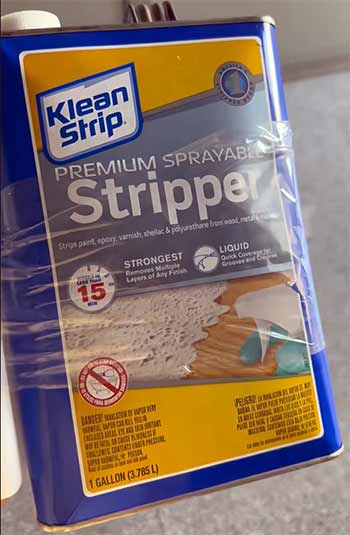
- Chemical foundation and how each one attacks finish Klean Strip relies on a more aggressive solvent blend that breaks down paint films quickly by softening and lifting them in a short window. Citristrip leans on citrus terpenes and related solvents that work more gradually, keeping the surface moist so layers can soften over many hours. The difference shows up the moment you start scraping: Klean Strip often lets you move to the next section while Citristrip still needs more dwell time.
- Speed versus patience With Klean Strip you can plan a full afternoon around 15-minute cycles on latex paint and still finish a medium piece of furniture the same day. Citristrip asks you to apply a heavy coat, cover it if you want, and come back hours later or the next morning. That slower pace reduces the rush but stretches the total calendar time.
- Smell and air quality impact Klean Strip fills a garage or porch with a sharp chemical odor that lingers even after you scrape. Citristrip smells like orange peels at first and stays far milder, which matters when you work inside a house or shared workshop where strong fumes would bother family members or neighbors.
- Clinging behavior on vertical and detailed surfaces Both products claim to cling, yet the semi-paste of Klean Strip holds its place on chair legs and cabinet sides with less running once it starts working. Citristrip’s thicker gel stays put even longer, which helps on ornate carvings where you need the product to remain wet in tight spots for hours.
- Residue and post-strip cleanup feel Klean Strip residue tends to scrape clean in larger sheets and responds quickly to mineral spirits. Citristrip can leave a stickier film if it begins to dry, so you spend more time with steel wool or abrasive pads dipped in solvent to get the last traces off before sanding or refinishing.
- Safety profile for skin and lungs Neither product is something you want on bare skin, yet Klean Strip’s stronger solvents demand stricter glove and goggle discipline plus outdoor or exhaust-fan setups. Citristrip still requires chemical-resistant gloves, but the lower vapor pressure makes short indoor sessions more realistic for many users.
- Cost per square foot on heavy jobs Klean Strip often removes more layers per application, so you may use less total product on a multi-coat door. Citristrip sometimes needs a second or third thick coat on the same surface, which can raise the material cost even if the can price looks similar at the store.
Also Read: Is Louis Forest Epoxy Floor Paint Worth It?
Key Features of Klean Strip
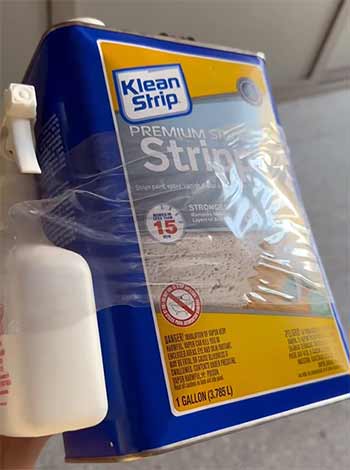
- Thick semi-paste formula that sticks to vertical faces without dripping once applied The consistency lets you brush a heavy layer onto a table leg or porch rail and watch it stay in place while the solvents penetrate. You cover a three-foot square section at a time, wait the recommended interval, and scrape without the product sliding off mid-process.
- Claims of multi-layer removal in as little as fifteen minutes on latex On modern latex paint the film often lifts in sheets after a short wait. Oil-based or older varnish layers take longer, yet the product still finishes the job faster than most citrus gels when the schedule is tight.
- Broad surface compatibility listed for wood, metal, and masonry You can move from a wooden dresser to a metal railing or brick fireplace surround with the same can, provided you follow the temperature and ventilation rules.
- Plastic-scraper friendly so you avoid gouging soft wood The softened finish comes up cleanly under a plastic blade, and a toothbrush or detail brush clears the grooves without metal tools that risk scratching the grain.
- After-wash or mineral-spirits cleanup that prepares the surface for new finish Once the bulk is scraped, a quick wipe with the recommended solvent removes the last residue and leaves the wood or metal ready for sanding or staining.
Pros of Klean Strip
- Speed that shortens the overall project timeline When a porch railing or garage door needs to be stripped and ready for paint in a single weekend, the short dwell time lets you complete more surface area each day. You apply, wait, scrape, and move to the next section without losing an entire afternoon to waiting.
- Aggressive action on tough or multiple coatings Epoxy, thick polyurethane, and older oil paints that shrug off milder products often yield to Klean Strip after one or two applications. That power reduces the number of times you have to recoat the same spot.
- Reliable cling on vertical work Once the semi-paste is brushed on, gravity does less damage. Chair backs, cabinet sides, and stair spindles stay coated long enough for the solvents to finish their job.
- Familiar process for anyone who has used traditional strippers The workflow of apply-wait-scrape-clean matches what many experienced refinishers already know, so the learning curve stays flat.
- Availability in larger sizes for bigger jobs Gallon cans cover more square footage when you face a whole set of exterior shutters or a large piece of architectural salvage.
Cons of Klean Strip
- Strong chemical odor that limits indoor use Even with fans running, the smell can migrate into living spaces and linger on clothes and tools. Projects that must stay inside often force you to choose a different product or accept the discomfort.
- Faster drying that shortens the safe working window If you apply it and get interrupted, the surface can start to gum up before you return, forcing a second application and extra solvent for cleanup.
- Higher safety demands around ventilation and personal protection The product carries warnings about fire risk on large floor areas and requires chemical splash goggles plus resistant gloves every time. Casual users sometimes underestimate those requirements.
- Potential to darken certain woods if residue is left behind Incomplete cleanup can leave a slight discoloration that shows under clear finishes, so thorough solvent wiping becomes non-negotiable.
- Less forgiving on very delicate or thin veneers The aggressive solvents can soften glue lines or raise grain more aggressively than milder gels, requiring extra care and sometimes light sanding afterward.
Key Features of Citristrip
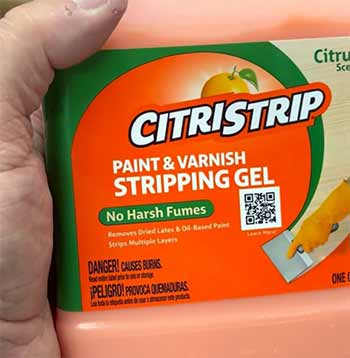
- Gel that remains wet and active for up to twenty-four hours You can coat an entire piece of furniture in the evening, cover it with plastic if desired, and scrape the next morning. Multiple layers often soften in that single long window instead of requiring repeated short applications.
- Mild citrus scent that many users find less offensive than traditional strippers The smell is noticeable when you open the can but fades quickly in a ventilated space, making longer dwell times more comfortable indoors.
- Designed for wood, metal, and masonry while avoiding plastic and fiberglass The product softens latex, oil paint, varnish, lacquer, polyurethane, and shellac on those approved surfaces. It is not recommended for composite decking, plastic, or fiberglass because those materials can soften or discolor.
- Thick application requirement that keeps the chemistry working longer A coat several times thicker than the paint film itself is the rule. Thin spots dry out and stop working, so generous coverage is part of the method.
- Cleanup path that relies on mineral spirits or the brand’s after-wash After scraping you use an abrasive pad dampened with solvent to lift the remaining film, then wipe the surface clean and dry before any new coating goes on.
Also Read: Is Magnolia Home Paint Worth It?
Pros of Citristrip
- Lower odor that makes indoor work more realistic Furniture refinishing inside a basement or spare room becomes practical because the citrus scent does not overwhelm the space the way harsher solvents do. You can keep windows open and still tolerate the air for hours.
- Extended open time that softens several layers at once Leaving the gel overnight often lifts more total thickness than a series of short chemical applications, which saves labor even if the calendar stretches longer.
- Gentler feel on the user’s senses during long sessions The reduced vapor intensity lets you stay focused on detail work instead of stepping outside for fresh air every few minutes.
- Effective on detailed or carved surfaces when given enough dwell Ornamental moldings and turned legs benefit from the long wet time because the product can work into recesses without drying out first.
- Biodegradable marketing angle that appeals to users who prefer less harsh chemistry While gloves and eye protection remain necessary, many people feel more comfortable using a product positioned as safer for both themselves and the environment around the work area.
Cons of Citristrip
- Slower overall progress on thick or stubborn coatings Multiple heavy applications may still be needed for decades-old paint or dense varnish, turning a one-day job into a multi-day process that tests patience.
- Tendency to dry into a sticky residue if the coat is too thin or the wait is too long Once it gums up, scraping becomes harder and cleanup with mineral spirits or denatured alcohol takes more effort and more solvent.
- Higher product volume required per square foot The need for a very thick layer means a quart covers less area than a more aggressive stripper, which can raise material cost on large pieces.
- Mixed results reported on certain modern coatings or epoxy Some users find it struggles with factory-applied finishes or epoxy primers, forcing a switch to a stronger product midway through the project.
- Cleanup can feel messier when the gel has started to dry The sticky film clings to brushes, scrapers, and hands, so you end up using more rags and solvent than you might expect from the milder reputation.
Application Notes from Repeated Use
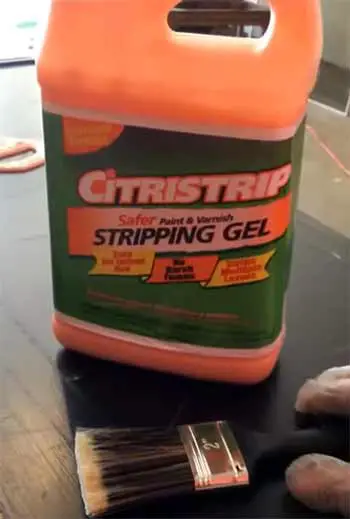
When I strip an old dresser that lives indoors, Citristrip is usually my first reach because the odor stays manageable and the long dwell time lets me coat everything, cover it, and walk away.
On exterior doors or metal railings where weather windows are short, Klean Strip gets the work done before rain returns.
Temperature matters for both: cool days slow everything down, and direct hot sun can dry either product too fast, so shade or evening work often produces better results.
Surface preparation is identical for both.
Remove loose paint first, protect floors and adjacent finishes with plastic, and wear the gloves and eye protection the labels demand.
After scraping, the solvent wipe is not optional; leftover residue from either product can interfere with new stain or paint adhesion.
- Safety Considerations That Apply to Both
Neither product belongs near open flames or pilot lights. Both require chemical-resistant gloves, and eye protection is non-negotiable.
Dispose of sludge and empty cans according to local hazardous-waste rules rather than the regular trash. Keep children and pets out of the work zone until every surface is cleaned and dry.
- Choosing Based on Project Type
For indoor furniture with moderate paint layers and a flexible schedule, Citristrip keeps the process more pleasant. For outdoor metal, masonry, or any job where speed outweighs odor concerns, Klean Strip finishes the mechanical work faster.
When the piece has both heavy exterior coatings and delicate interior details, some people stage the work: use the stronger product outside and switch to the milder gel for the final indoor sections.
Also Read: Is Graco TrueCoat 360 Worth It?
Frequently Asked Questions (FAQ)
Yes, it performs well on tough multi-layer finishes and delivers fast results when ventilation is adequate.
It loses activity as it dries; leftover residue is removed with mineral spirits or denatured alcohol rather than a special neutralizer.
It is not recommended for plastic, fiberglass, or composite decking.
Klean Strip Premium, other solvent-based strippers, heat guns, or mechanical sanding depending on the surface and finish thickness.
Final Thoughts
I wrote this comparison so you can match the product to the real conditions of your project instead of guessing from the label alone.
You now have the speed, odor, surface limits, and cleanup realities side by side. Pick the one that fits your timeline, location, and comfort with chemical strength, then follow the label instructions carefully and the work will move forward with fewer surprises.