
If you want reliable home heat without watching your fuel bills climb every month, you should buy the King pellet stove.
I switched to one after years of fighting with other options, and it has delivered steady warmth, lower costs, and real convenience through the app.
The large hopper and efficient burn mean less work and more comfort for you and your family. It is a practical choice that pays off quickly in cold climates.
My Experience With The King Pellet Stove

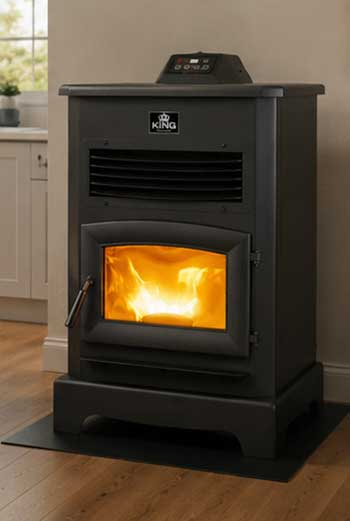
I bought the KP5522-W model with WiFi after looking at several pellet stoves for my home.
The 170 pound hopper and promise of up to 80 hours on low setting sold me right away.
Delivery came fast from the retailer, but moving the 264 pound unit into place took planning and help from friends with a heavy duty dolly.
We got it positioned in the basement where it could push heat upstairs through the open layout.
Professional installation handled the venting and fresh air kit to keep everything safe and code compliant.
I chose premium low ash hardwood pellets from a local supplier and loaded the hopper full.
The electronic ignition lit the stove on the first try with almost no smoke. I downloaded the US Stove app, paired it easily, and started playing with the settings from my phone while the unit warmed up.
The first real test came during a week of single digit temperatures. The King kept the main living areas comfortable without constant attention.
I only needed to top off pellets every three or four days on medium feed rate. The flame looked clean behind the upgraded ceramic glass, and the heat output felt even rather than blasting one spot.
My heating costs dropped noticeably compared to the previous electric setup, especially once I found the right pellet brand that produced fewer clinkers.
One snowy weekend the power flickered a couple times. The stove shut down safely and restarted without issues once power returned, thanks to the stored settings. The WiFi feature let me check status and bump the heat before I got home from work. It felt modern and useful rather than gimmicky.
There were small adjustments along the way. I learned to scrape the burn pot lightly every time I added pellets to prevent buildup. A hidden ash collection spot needed attention after the first month, but a quick vacuum session cleared it.
Overall the unit ran quietly enough that we could watch TV in the same room without distraction. After two full winters the King has become part of our routine, and I would not go back to the old way of heating.
Also Read: Is Dimplex Electric Fireplace Worth Your Money?
Pros of The King Pellet Stove

You will notice several real advantages once the King is running in your space. These points come from my daily use and what other owners share in honest discussions.
- Massive Hopper Capacity Reduces Daily Chores The 170 pound hopper stands out as one of the best features for busy people. During normal winter days I refill every three to four days on medium settings, and even longer on low when temperatures moderate. This cuts down on constant trips to the pellet bin and gives you more free time for family or other projects. Bulk buying pellets becomes practical too, which lowers the per ton price and keeps supply steady during storms. The Aurora airflow system helps the pellets burn more completely, so you get better efficiency from every pound loaded. You will appreciate not waking up to a cold house because the hopper ran empty overnight.
- Smart Wi Fi Connectivity Keeps You In Control The app connection changes how you interact with the stove. I can adjust temperature, check pellet levels indirectly through runtime, and receive alerts if something needs attention, all from the couch or while running errands. Scheduling a warm house before arriving home feels like a small luxury on cold mornings. You can fine tune feed rates and fan speeds remotely when the weather shifts suddenly. This modern touch makes the King feel current compared to older manual models. Strong signal in most homes keeps everything responsive without constant resets.
- Strong Heat Output For Large Living Areas Rated for up to 3,000 square feet and 33,000 BTUs, the King handles open floor plans and multi level spaces well in my experience. It maintains steady temperatures even when outside temps drop sharply, without the hot and cold spots common in some other units. The even distribution means fewer supplemental heaters running in distant rooms. You will feel the difference in overall comfort and may notice lower overall energy use because the main system does the heavy lifting.
- Easy Electronic Ignition And Simple Controls Starting the stove takes almost no effort. One button press and the igniter handles the rest while you go about your morning. Top mounted controls stay easy to reach for quick tweaks without bending or reaching behind the unit. You can switch between manual and thermostat modes depending on how hands on you want to be. This simplicity reduces frustration on busy days when you just need reliable heat fast.
- Eco Friendly Operation With Real Cost Savings Pellets are a renewable fuel that burns cleaner than many fossil options in terms of net carbon. In my area the switch cut heating expenses enough to pay for the stove over a few seasons when combined with efficient use. You support local or regional pellet producers while keeping money in your pocket instead of sending it to big utility companies. The unit qualifies for certain energy programs in some states too, adding another layer of value.
- Solid Build With Classic Styling That Fits Most Homes The steel construction feels durable after multiple seasons of use. The look blends traditional cast iron vibes with updated details like the ceramic glass door. It does not scream modern gadget but still looks intentional in a living space or finished basement. You can dress it up with a simple hearth pad and it becomes a focal point rather than an eyesore.
Also Read: Is Duraflame Electric Fireplace Worth Your Money?
Cons of The King Pellet Stove
No heater is perfect, and the King has a few realities you should know before buying. I have worked around most of them with simple habits.
- Regular Cleaning Remains Necessary For Best Performance You cannot completely ignore maintenance. Ash and clinker buildup in the burn pot affects how well pellets feed and burn if left too long. A quick daily scrape while adding fuel keeps things smooth, but you still spend a few minutes each week on deeper vacuuming. This is standard for pellet stoves, yet it surprises some new owners who expect zero upkeep.
- Heavy Weight Complicates Moving And Setup At over 260 pounds the unit demands careful planning for delivery and final placement. You may need extra hands or equipment, and professional installation is smart for venting safety. Once in position it stays put, but the initial effort is real.
- Some Owners Report Occasional Electronic Or Sensor Issues A few users mention control board quirks or sensor glitches after a couple years, especially on earlier models. My unit has been steady, but having a backup heat source ready for rare downtime is wise. Parts availability through the manufacturer helps, though wait times vary.
- Performance Depends Heavily On Pellet Quality Cheap or high moisture pellets create more ash, clinkers, and potential feed problems. You need to experiment a bit and stick with certified low ash hardwood blends for cleanest operation. This adds a small ongoing decision point compared to plug and play fuels.
- Requires Electricity To Run Fans And Auger A power outage stops the stove even if pellets remain. I keep a small generator ready for extended storms, which adds minor cost and planning. Most pellet stove owners face the same limit.
Maintenance And Tips To Keep Your King Running Smoothly
Good care makes the King last longer and perform better. These routines come from my seasons of use and standard practices that work across similar models.
- Daily Burn Pot Cleaning Routine Every time you add pellets, take a minute to scrape clinkers and excess ash from the burn pot with the tool that comes with the stove or a simple metal scraper. This prevents restricted airflow and keeps ignition reliable. Do it while the unit is cool or in the shutdown cycle for safety. You will notice steadier burns and fewer unexpected shutdowns when you stay consistent here.
- Weekly Ash Pan And Glass Care Empty the ash pan before it gets too full to avoid overflow into other areas. Wipe the viewing glass with a damp cloth or stove glass cleaner while it is cool. Clear any soot so you can enjoy the flame view. These quick steps take under ten minutes and keep efficiency high.
- Heat Exchanger And Chamber Vacuuming Once a week or after every ton of pellets burned, open the side or rear access panels and vacuum the heat exchanger tubes and internal chambers thoroughly with an ash rated vacuum. This removes fine dust that reduces heat transfer over time. I set a recurring calendar reminder so it becomes automatic.
- Monthly Or Seasonal Fan And Vent Checks Every month or so, inspect and gently clean the combustion and room air fans if accessible. Check the exhaust pipe for creosote or blockages, especially after heavy use. Clean the venting run at least once per season with a brush kit. Proper airflow protects the unit and your home air quality.
- Pellet Selection And Storage Best Practices Always buy Pellet Fuels Institute certified pellets with low ash content under one percent. Store bags in a dry, covered area off the ground to prevent moisture absorption that causes poor burns and corrosion. I keep a small rolling bin near the stove for easy loading and test new brands in small amounts first.
- End Of Season Deep Clean And Preparation When spring arrives, run the stove empty on high for a final burn, then do a complete internal vacuum and wipe down. Inspect gaskets and replace any that look worn. Cover the unit or store it in a dry spot if you move it. This prevents rust and makes next winter startup smooth.
- Troubleshooting Common Glitches Quickly If the stove fails to ignite, first verify good pellets and a clean burn pot, then check the igniter element for continuity with a multimeter if comfortable. Dirty sensors or low pellet flow often cause shutdowns. The app sometimes shows error codes that point you in the right direction fast. Keep the manual handy and consider a basic spare igniter for peace of mind.
Following these steps has kept my King running reliably with minimal drama. You will develop your own rhythm after the first season and find the time investment small compared to the consistent heat you receive.
How Does The King Compare To Other Pellet Stoves?
- Comfortbilt Pellet Stove
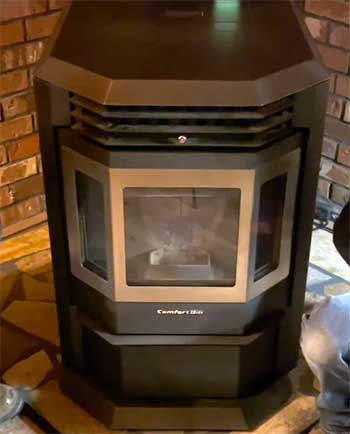
Comfortbilt models such as the HP22 earn strong praise for build quality and steady heat delivery in mid sized homes.
Owners often note durable components and good value.
The King matches or exceeds it in hopper size on top models and adds convenient WiFi control through the dedicated app.
Some long term Comfortbilt users mention occasional auger plate weld concerns after heavy seasons, while King feedback centers more on routine cleaning needs.
Prices sit close together at most retailers. If you prioritize smart features and longer intervals between refills, the King feels like the stronger daily driver.
Comfortbilt remains a solid choice if you prefer a simpler control layout without app connectivity.
- Castle Serenity Pellet Stove
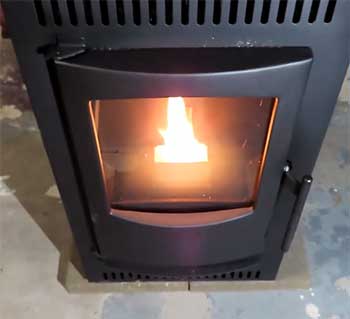
The Castle Serenity line targets budget conscious buyers and delivers acceptable warmth for smaller or well insulated spaces at a lower upfront price.
Many appreciate the compact footprint and basic reliability when everything aligns.
However, owner reports frequently mention more hands on tweaking with different pellet types, occasional control panel failures, and harder to source replacement parts compared to bigger brands.
Backdraft incidents appear in some older discussions.
The King offers a larger hopper, more refined airflow technology, and modern WiFi without jumping to premium pricing.
For someone who wants fewer surprises and easier remote management, the King provides better long term satisfaction even if the initial cost sits a bit higher.
- Ashley Pellet Stove

Ashley models share the same parent company as the King, so performance, hopper capacity, BTU output, and core features align closely.
You may notice minor differences in exterior styling or small control tweaks, but the heating experience and maintenance patterns feel nearly identical.
Both lines benefit from the same parts ecosystem and similar user experiences with pellet quality sensitivity.
If you find a strong sale on an Ashley unit that matches your space needs, it serves as an excellent alternative with comparable reliability when cared for properly.
Many households choose based purely on current pricing or preferred aesthetic between the two.
- Pelpro Pellet Stove
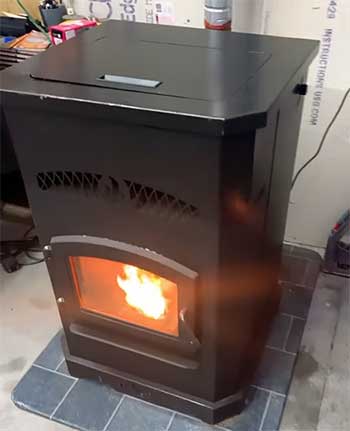
Pelpro units like the PP130 or PP150 compete directly in the value segment at stores such as Tractor Supply.
Owners highlight decent heat output, straightforward operation, and often lower repair part costs when something does need attention.
Some appreciate the cast iron elements for heat retention.
The King pulls ahead with WiFi on newer versions and a bigger standard hopper that reduces refill frequency.
Pelpro users sometimes discuss minor frustrations like hopper lid switches interrupting feed or occasional starting inconsistencies that require resets.
For buyers who want app based monitoring and slightly less daily intervention, the King edges forward.
Pelpro stays attractive if repair simplicity and rock bottom initial price matter most in your decision.
Frequently Asked Questions (FAQ)
The US Stove Company produces the King pellet stove line. The brand has deep roots in American heating equipment manufacturing.
Higher end models from Harman frequently receive the strongest long term reliability feedback across owner forums because of robust engineering and consistent performance with standard care. The King delivers solid results in its price class when you follow basic maintenance.
New King pellet stoves typically range from around 1,500 to 2,500 dollars depending on model features such as WiFi and current retailer promotions. Professional installation and venting add to the total investment.
Final Thoughts
After living with the King pellet stove through cold seasons, I believe it offers the right balance of performance, convenience, and value for most households ready to make the switch to pellets.
The consistent heat, useful smart features, and fuel efficiency add up to real comfort and savings. If you are ready for dependable warmth that fits your routine, this stove deserves a serious look.