
I spent weeks comparing Jackson Furniture and Ashley Furniture for my own living room, and I want you to skip the same trial-and-error.
You need clear answers on which brand actually delivers better value for your budget, space, and how long you plan to keep the pieces.
Jackson focuses on American-made upholstered seating with stronger frames, while Ashley offers massive variety at lower entry prices across every room. This breakdown gives you the real differences so you can decide without second-guessing the purchase.
| Aspect | Jackson Furniture | Ashley Furniture |
| Founded | 1933, family-owned in Tennessee | 1945, largest global furniture company |
| Primary Focus | Living room seating, sofas, recliners | Full home: living, bedroom, dining, outdoor |
| Manufacturing | Mostly USA, 10 factories | Mix of USA, China, Vietnam |
| Typical Sofa Price | $700–$1,500 | $300–$2,000+ |
| Frame Construction | Hardwood with Steel Tech reinforcement | Engineered wood, solid wood in higher lines |
| Cushion System | Comfort Coil (50+ coils) + gel memory foam | Foam density varies, often lower |
| Style Range | Classic, traditional, comfortable | Extremely wide: modern to farmhouse |
| Best For | Durability in seating | Furnishing multiple rooms affordably |
| Warranty Highlights | Lifetime on frames/springs (limited) | 1–5 years depending on part |
| Availability | Dealer network | Thousands of stores + strong online |
Key Differences Between Jackson Furniture And Ashley Furniture
The practical gaps between Jackson and Ashley become obvious once you sit with both and check the construction details.

- Jackson keeps its lineup tightly focused on living room seating, so every design decision supports comfort and longevity in sofas and recliners. Ashley spreads its attention across the entire house, which means you can match pieces for multiple rooms but the quality is less consistent from one category to the next.
- Frame materials differ in emphasis. Jackson relies on hardwood frames with steel reinforcement in many models, which reduces flex at the joints during daily use. Ashley commonly uses engineered wood cores that keep costs down and still look finished, though the higher Signature lines improve the mix of materials.
- Cushion systems reflect different priorities. Jackson’s Comfort Coil approach with dozens of coils plus gel memory foam aims for lasting support that resists early sagging. Ashley’s foam densities range more widely, delivering plush initial comfort that can flatten sooner depending on the collection you choose.
- Style and selection favor different shoppers. Jackson stays mostly classic and traditional, which simplifies decisions if you already know the look you want. Ashley offers modern, farmhouse, transitional, and contemporary options in nearly every room, making it easier to coordinate a whole home.
- Manufacturing location affects both perception and consistency. Jackson emphasizes American production across its factories. Ashley manufactures in the United States as well as overseas, which supports lower prices and faster volume but can introduce more variation between product lines.
- Price positioning and shopping experience set them apart. Jackson sits in a narrower mid-range band and is sold mainly through dealers. Ashley spans budget to upper-mid with frequent sales, extensive store networks, and straightforward online ordering plus financing options.
These differences mean the better choice depends on whether you need one strong living room centerpiece or coordinated furniture for several spaces.
Also Read: Is Koch cabinets a good brand of furniture?
Key Features of Jackson Furniture and Ashley Furniture
Both brands highlight specific construction and design elements that show up when you examine the pieces up close.

- Jackson’s Steel Tech frame reinforcement adds metal support at high-stress connection points, which helps the structure stay stable even when multiple people sit or shift weight regularly.
- The Comfort Coil seating system packs more than fifty coils into each seat and pairs them with gel-infused memory foam, creating a combination of spring support and pressure-relieving coolness that feels different from all-foam cushions.
- Precision-cut hardwood frames with corner blocking appear on many Jackson models, giving the base more rigidity than basic glued joints alone.
- Catnapper recliners include power and manual options with mechanisms designed for daily use, though results vary by specific model and how heavily they are used.
- Oversized scaling on some Jackson sectionals provides extra depth and width that accommodates taller users without feeling cramped.
- Ashley’s wide style catalog includes ready-to-coordinate collections so living room, bedroom, and dining pieces share similar finishes and hardware.
- Engineered wood with veneer or laminate finishes on Ashley case goods keeps weight manageable and prices accessible while still presenting a smooth surface appearance.
- Performance fabrics and easy-clean options appear frequently on Ashley upholstery, which helps with spills and pets in high-traffic rooms.
- Motion features such as power recliners, lift chairs, and adjustable headrests are available across many Ashley lines at different price levels.
- Room visualization tools and in-store design assistance let you see how Ashley pieces will look together before you buy.
These features explain why some buyers stay loyal to one brand for seating comfort while others return to the other for whole-home matching.
Pros of Jackson Furniture
I found several clear advantages once I moved past the showroom pitch and checked real construction details.
- American manufacturing across multiple factories supports consistent build standards and shorter supply chains for many components, which appeals if you prefer domestic production.
- Frame and cushion engineering focused on support tends to hold shape better under regular family use compared with basic foam-only seats in the same price range.
- Mid-range pricing for the materials used often represents fair value when you need a sofa or sectional that will see daily sitting rather than occasional guest use.
- Specialized focus on living room seating means the designs prioritize comfort features instead of trying to cover every room category equally.
- Limited lifetime coverage on frames and springs in many warranties gives some buyers confidence in the structural parts that matter most for longevity.
- Classic styling pairs easily with existing wood furniture or traditional decor without looking out of place after a few years.
These strengths make Jackson a practical option when your main purchase is comfortable seating that needs to last through normal household wear.
Cons of Jackson Furniture
The limitations became clearer after reading owner experiences and comparing showroom options.
- The product range stays narrower than full-home retailers, so you may still need another source for bedroom, dining, or outdoor pieces.
- Style options lean traditional, which can feel limited if you want sharp modern lines or the latest trend-driven silhouettes.
- Motion pieces in the Catnapper line draw more complaints about mechanism reliability and fabric wear than the stationary sofas, according to multiple buyer reports.
- Customer service experiences vary by dealer, and some owners describe slow responses or difficulty resolving issues once the warranty period advances.
- Pricing sits higher than the lowest Ashley options for similar-looking sofas, so budget shoppers may need to stretch further for the same configuration.
- Availability depends on the local dealer network, which means longer wait times in some regions compared with national chains that stock inventory.
These drawbacks matter most if you need broad selection or the absolute lowest entry price.
Also Read: Is Homecrest cabinet a good brand of furniture?
Pros of Ashley Furniture
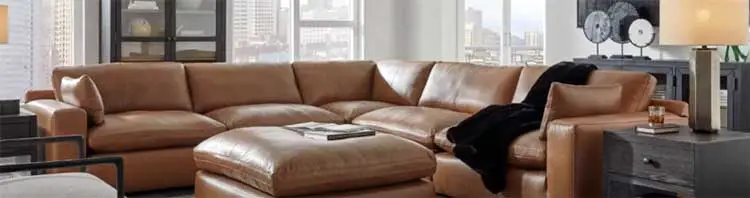
Ashley’s scale creates practical benefits that showed up when I tried to furnish more than one room at once.
- Enormous variety across styles and price points lets you find matching pieces for living room, bedroom, and dining without visiting multiple stores.
- Frequent promotions and competitive base prices make it possible to outfit a starter home or apartment for less than specialty brands charge for single pieces.
- Widespread store locations and online tools simplify shopping, with financing options that spread the cost over time for larger purchases.
- Easy-clean fabrics and performance materials appear on many upholstered items, which helps in homes with kids or pets.
- Higher collections within the brand improve materials and cushion density, giving a path to better quality without leaving the store.
- Room packages and coordinated sets reduce decision fatigue when you want a finished look quickly.
These advantages explain why Ashley remains a common starting point for buyers covering multiple rooms on a defined budget.
Cons of Ashley Furniture
The trade-offs appeared once I compared longevity expectations and owner feedback across different collections.
- Quality varies significantly by line, with budget pieces more prone to early sagging, veneer wear, or joint looseness after one to three years of regular use.
- Engineered wood cores in many case goods can swell or delaminate if moisture reaches the edges, which limits placement in humid areas.
- Faux leather and lower-density foams often show cracking, peeling, or flattening sooner than higher-grade materials in the same price band from other brands.
- Customer service and delivery experiences draw frequent complaints about delays, damaged arrivals, and difficulty with returns or warranty claims.
- Return windows are often short, and restocking or shipping costs can apply, which reduces flexibility if the piece does not fit or look right at home.
- Warranties typically cover structural parts for a limited period and exclude normal wear, so cushions and fabrics receive shorter protection.
These issues make it important to inspect specific models carefully rather than assuming every Ashley piece performs the same.
Which Brand Fits Different Needs?

I weighed the options based on how people actually use furniture day to day. If your priority is a durable sofa or sectional that will hold up under daily sitting, Jackson’s frame and cushion approach often provides more consistent support at the mid-range price.
The American-made focus and specialized living room lineup reduce the chance of extreme variation between similar pieces.
Ashley becomes the clearer choice when you need to furnish several rooms and want style options plus lower starting prices. You can coordinate finishes across the house and take advantage of sales, though you should check cushion density and frame details on the exact models you like.
Higher Ashley collections narrow the quality gap with specialized brands, while entry-level pieces suit temporary or low-traffic use.
For mixed households, some buyers choose Jackson for the main living room seating and Ashley for bedrooms or secondary spaces. That approach balances durability where it matters most with affordability everywhere else.
Both brands work for typical residential use, but neither replaces true high-end custom or solid hardwood furniture if that is your standard.
Also Read: Is Kemper cabinets a good brand of furniture?
Frequently Asked Questions (FAQ)
Yes for mid-range living room seating when you want American-made frames and supportive cushions, though motion pieces draw more mixed feedback.
Brands like Crate & Barrel, West Elm, or Pottery Barn generally offer stronger frames and longer warranties at higher prices, while Jackson provides a focused alternative for seating.
Independent specialty retailers and higher-end brands such as Stickley or Ethan Allen typically rank higher for materials and construction than mass-market chains.
No, Ashley is primarily a mid-range and budget brand with some upper-mid collections, but it is not positioned as high-end luxury furniture.
Wrapping Up
You now have the side-by-side view I wish I had when I started comparing these two brands. Jackson gives you focused American-made seating with stronger frames and cushion systems that suit daily family use, while Ashley supplies the variety and lower prices that let you finish multiple rooms without stretching the budget too far.
I recommend matching the brand to your main need: choose Jackson when the living room sofa is the priority piece, and lean toward Ashley when coordination and cost across the whole home matter more.
Check the specific model construction and local dealer reputation before you buy, and you will end up with furniture that actually fits how you live.