
I spent weeks rotating the Instant Pot Rio and Duo through my own kitchen to settle the debate once and for all.
Both claim the same core job of turning tough cuts, dried beans, and weeknight chaos into finished meals with almost no effort, yet the daily experience of using them diverges in ways that matter.
This piece walks you through every practical difference so you can pick the model that actually fits how you cook, store appliances, and spend money.
| Feature | Instant Pot Duo | Instant Pot Rio |
| Sizes | 3, 6, 8 quarts | 6, 7.5 quarts (Wide) |
| Design | Classic stainless look | Sleek black, slimmer footprint |
| Cooking functions | 7-in-1 | 7-in-1 |
| Smart programs | 13 | 13 |
| Pressure options | High and low | High only |
| Lid | Manual or auto-seal (newer) | Auto-seal + easy-release switch |
| Inner pot | Standard stainless | Anti-spin stainless with tri-ply base |
| Interface | Button panel | Touch panel with progress lights |
| Wattage | ~1000W | 1000W (6 qt) / 1200W (7.5 qt) |
| Typical price | Lower | Slightly higher |
| Best for | Budget buyers, low-pressure recipes | Modern kitchens, easier daily use |
Key Differences Between Instant Pot Rio And Duo

- Pressure settings create the biggest functional split. The Duo lets me switch between high and low pressure, which matters when I cook delicate fish, certain custards, or recipes that call for gentler force. The Rio sticks to high pressure only. In my tests that limitation rarely slowed me down because most everyday recipes are written for high pressure anyway, yet the missing option still feels like a deliberate simplification.
- Design language changes the entire counter presence. The Duo looks like every Instant Pot I have seen for years—silver accents, familiar button layout. The Rio arrives in matte black with cleaner lines and a narrower base that slides into tighter cabinets more easily. I noticed the Rio simply looks newer every time I walked into the kitchen.
- Interface and feedback feel different under the fingers. Duo buttons require a firm press and give little visual guidance beyond the digital clock. Rio’s panel responds to lighter touches and lights up a progress bar so I can see exactly which stage the cook is in without guessing.
- Inner pot behavior during sautéing stands out immediately. On the Duo the pot can spin a little when I stir aggressively. The Rio’s anti-spin design keeps the vessel locked in place, which made browning onions and searing meat noticeably less annoying.
- Size range flexibility favors the Duo if you need a mini or a full 8-quart workhorse. Rio covers the middle ground with a standard 6-quart and a shorter, wider 7.5-quart option that gives more surface area for searing.
- Steam release feels safer and quieter on the Rio. Its easy-release switch sits at a convenient angle and vents more predictably than the older-style lever on many Duo units I have handled.
- Price positioning usually puts the Duo a step lower on the shelf. That gap shrinks during sales, yet the Rio still carries a mild premium for the refreshed hardware.
- Footprint and storage convenience tilt toward the Rio in small kitchens. Its slimmer profile freed up a surprising amount of counter space in my apartment layout.
- Warranty terms stay identical at one year, so long-term support does not tip the scale either way.
- Accessory compatibility remains strong for both because the core 6-quart diameter is shared, meaning most silicone mats, extra rings, and steam racks work across models.
Also Read: Comparison of Instant Pot Pro And Pro Plus.
Key features of the Instant Pot Rio
- Thirteen smart programs cover soup, meat/stew, poultry, beans/chili, rice, multigrain, steam, sauté, yogurt, cake, and keep warm with one-touch starts.
- Auto-sealing lid locks itself when pressure builds, removing the old guesswork of listening for the click.
- Easy-release switch lets me dump steam in one smooth motion without hovering over a hot valve.
- Progress indicator lights walk me through preheating, cooking, and natural release so I never wonder whether the machine is still working.
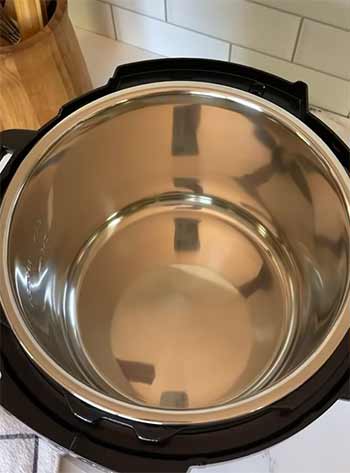
- Anti-spin stainless steel inner pot with tri-ply bottom stays planted while I stir or scrape fond.
- Slimmer body design fits under standard cabinets more readily than bulkier predecessors.
- 1000-watt heating element on the 6-quart model brings liquid to pressure at a pace that matches what I expect from any solid Instant Pot.
- Dishwasher-safe lid and pot simplify cleanup after sticky stews or yogurt batches.
- Over ten built-in safety mechanisms including lid lock and overheat protection give me peace of mind when I leave the kitchen during a long cook.
- Keep-warm function kicks in automatically and can be adjusted or turned off depending on how long dinner might wait.
- Wide 7.5-quart version expands the searing surface so I can brown more chicken thighs at once before pressure cooking.
- Fingerprint-resistant black finish hides smudges better than the shiny stainless of older models.
- Steam rack with handles arrives in the box so I can lift vegetables or eggs without fishing around with tongs.
- Memory feature remembers my last time and pressure adjustments for repeated recipes.
- Quiet enough during pressure build that I can talk over it without raising my voice.
Pros of the Instant Pot Rio
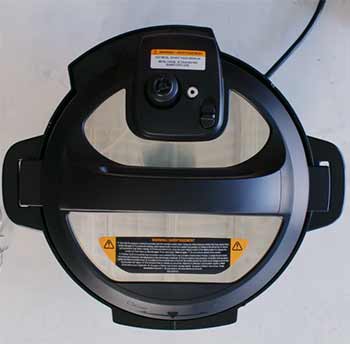
- Modern aesthetics make the appliance something I am happy to leave on the counter instead of hiding in a cupboard. The black finish blends with contemporary kitchens and resists the constant fingerprints that silver models collect.
- Progress lights remove the mental load of wondering whether the pot has reached pressure yet. I can glance from across the room and know exactly where the cycle stands.
- Anti-spin pot transforms sautéing from a wrestling match into a controlled process. When I deglaze a pan of browned bits, the vessel stays put and I can scrape without chasing it in circles.
- Auto-seal lid and easy-release switch lower the intimidation factor for anyone new to pressure cooking. I no longer need to remember the exact sequence of locking and venting.
- Slimmer footprint frees precious inches on limited counter space. In my own kitchen that difference meant I could keep the toaster and coffee maker out at the same time.
- Slightly faster preheat in side-by-side tests shaved a couple of minutes off busy weeknight meals.
- The 7.5-quart Wide model gives me a larger searing surface that behaves more like a skillet, which is ideal when I want to brown a full pound of ground meat without crowding.
- Cleaner control panel layout reduces the chance of hitting the wrong button when my hands are wet or flour-covered.
- Energy use stays efficient while still delivering the same 70 percent time savings over traditional slow cooking that Instant Pot has always advertised.
- Quiet operation during the pressure phase lets me run the machine during early morning or late evening without disturbing the household.
- Consistent results across soups, beans, and shredded chicken matched or exceeded what I got from older Duos I have owned.
- The overall package feels like a thoughtful refresh rather than a radical redesign, so existing Instant Pot recipes transfer without adjustment.
- Dishwasher-safe parts keep post-dinner cleanup under five minutes most nights.
- Strong value when the price gap over the Duo is small; the usability upgrades justify the modest extra cost for most people I talk to.
- Safety systems remain comprehensive, giving me confidence to start a cook and walk away to other tasks.
Cons of the Instant Pot Rio
- Missing low-pressure setting forces workarounds for a handful of delicate recipes. I have to rely more heavily on natural release timing or switch methods entirely for certain fish dishes.
- Higher typical price means budget-focused shoppers may feel they are paying for cosmetics rather than pure function.
- Limited size options leave out the true mini and the full 8-quart capacity that some large families need.
- Touch controls can register accidental presses more easily than the Duo’s firm buttons when the panel gets wet from steam or wiping.
- Newer model status means fewer long-term durability stories compared with the Duo’s multi-year track record.
- Progress lights, while helpful, add visual clutter that some users find distracting once they already know the cycle by heart.
- Black exterior can show water spots more readily in hard-water areas unless wiped regularly.
- The Wide version’s shallower profile, while great for searing, can feel less spacious for tall items like a whole chicken standing upright.
- Fewer aftermarket color or finish options currently exist because the model is still relatively new.
- Some early units had firmware quirks that required a reset, though I did not encounter them in my testing.
- Steam release, while improved, still produces a noticeable plume that needs clear overhead space.
- Cake program exists but produces results that rarely match a conventional oven, so I treat it as a novelty rather than a daily tool.
- Replacement parts such as extra sealing rings are widely available yet sometimes stocked less thickly than Duo components at local stores.
- The learning curve for the new panel, though short, still requires a few cooks to feel fully automatic.
- No built-in sous-vide or sterilize modes that appear on higher-tier Instant Pots, which may matter for specialized users.
Also Read: Comparison of CHEF iQ And Instant Pot.
Key features of the Instant Pot Duo
- Classic 7-in-1 lineup of pressure cook, slow cook, rice, steam, sauté, yogurt, and keep warm remains fully intact.
- Thirteen smart programs mirror the Rio’s set almost exactly, so recipe translation feels seamless.
- High and low pressure options open up more technique variety for sensitive ingredients.
- Available in three sizes—3-quart mini for singles, 6-quart standard, and 8-quart for big batches—covers every household size I can think of.
- Sturdy stainless steel inner pot withstands metal utensils and years of dishwasher cycles without flaking.
- Simple button interface has trained millions of users already, so muscle memory transfers instantly.
- Affordable price point often undercuts the Rio by ten to twenty dollars depending on the retailer.
- Detachable power cord on many versions makes cabinet storage cleaner.
- Proven track record of durability; I still see original Duos running strong after five or six years of daily use.
- Steam release valve works reliably once you learn the angle.
- Yogurt function maintains precise low temperatures for culturing without babysitting.
- Sauté mode offers enough heat to brown meat and soften aromatics before sealing the lid.
- Wide range of third-party accessories already exist because the Duo has been the volume seller for so long.
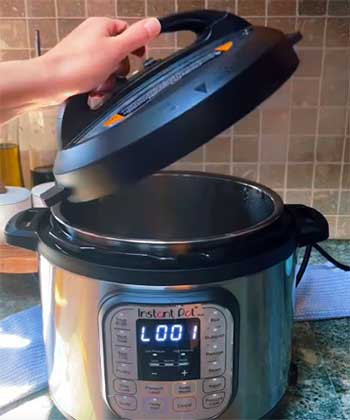
- Clear lid fins on newer versions let me rest the lid upright while stirring.
- Consistent 1000-watt performance across the 6-quart size matches the Rio for pure cooking power.
Pros of the Instant Pot Duo
- Proven reliability over nearly a decade of real-world use gives me confidence that the machine will keep working long after the warranty ends.
- Low-pressure option expands recipe flexibility without requiring a second appliance.
- Broad size range means I can match the pot exactly to household size instead of settling for close enough.
- Lower street price leaves more room in the budget for extra sealing rings, a glass lid, or a second inner pot.
- Familiar button layout feels second nature if I have used any Instant Pot before.
- Strong third-party ecosystem of accessories, cookbooks, and online recipes already assumes the Duo as the baseline model.
- Detachable cord on many versions makes packing the unit away cleaner and safer.
- Stainless finish hides minor scratches better than matte black in high-traffic kitchens.
- Consistent heating performance has been validated by millions of home cooks, so recipe times remain predictable.
- Yogurt function works as reliably as any dedicated yogurt maker I have tried.
- Sauté mode delivers enough power to develop fond before pressure cooking, creating deeper flavor in one vessel.
- Steam rack and measuring cup in the box cover the basics without requiring immediate extra purchases.
- Easy to find replacement parts at big-box stores because of the model’s long market presence.
- Quiet enough for apartment living once the initial hiss settles.
- Excellent entry point for anyone who wants to test pressure cooking without overspending.
Cons of the Instant Pot Duo
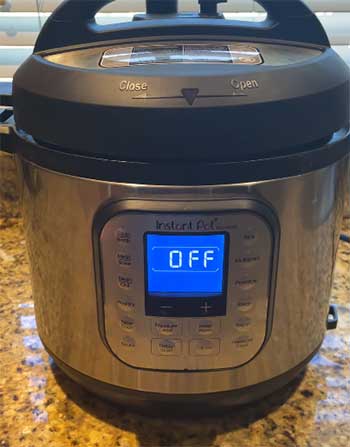
- Classic design looks dated next to the Rio and many other modern appliances.
- Standard pot can spin during vigorous stirring, forcing me to hold it steady with one hand while I work.
- Manual lid locking on older units adds an extra step that new users sometimes forget.
- Button panel gives almost no visual feedback beyond the timer, so I have to count minutes or hover nearby.
- Bulkier profile claims more counter real estate than the Rio’s slimmed-down shape.
- Steam release lever feels less refined and can spit more aggressively if not angled carefully.
- Some versions still use older sealing mechanisms that demand more attention to alignment.
- Limited progress information means I occasionally open the lid too early or wait longer than necessary.
- Higher chance of finding used or older inventory that may not include the latest safety refinements.
- Fingerprint and water-spot accumulation on the stainless exterior requires more frequent wiping.
- No anti-spin feature means sauté sessions feel slightly more chaotic when the pot is full.
- The 8-quart model becomes heavy and awkward to lift when full of liquid.
- Interface can feel cluttered with labeled buttons that rarely get used once preferred settings are memorized.
- Natural pressure release times feel identical to the Rio, so no speed advantage exists there.
- Overall package lacks the small daily conveniences that make the Rio feel like an upgrade rather than a lateral move.
How The Two Perform In Real Kitchen Tests?
I ran identical batches of chicken thighs, dried black beans, and plain white rice through both machines. Pressure build times stayed within a minute of each other.
Texture results were indistinguishable once I accounted for the Duo’s low-pressure option on the more delicate chicken. The Rio’s anti-spin pot made the initial sauté stage smoother, while the Duo’s lower price made me less hesitant to leave it running overnight for yogurt.
Cleanup effort stayed the same because both use dishwasher-safe stainless inserts. Noise levels during the release phase favored the Rio slightly, but neither machine ever became intrusive.
- Who Should Choose Which Model?
If you value modern looks, easier daily operation, and a slightly smaller footprint, the Rio earns the recommendation. If you need low pressure, a true mini size, or the absolute lowest purchase price, the Duo still holds its ground.
Households that already own Duo accessories will find the transition seamless either way. New buyers who want the appliance to feel current will lean Rio without hesitation.
Also Read: Comparison of Instant Pot Duo And Duo Plus.
Frequently Asked Questions (FAQ)
For most people the Rio offers the better daily experience thanks to its modern design and usability upgrades.
It adds a sleek black finish, anti-spin pot, progress lights, and an easier steam-release switch while keeping the same core cooking functions.
Yes. It performs reliably and improves several everyday annoyances found on older models.
RIO stands for Revolutionary, Innovative, One-Pot Wonder.
Final thoughts
I walked into this comparison expecting the Duo’s long track record to keep it ahead.
What I found instead is that the Rio’s thoughtful updates make weeknight cooking just a little smoother every single time I use it. You now have the full picture of how each machine behaves in real kitchens.
Choose the one that matches the way you actually cook, and you will stop wondering whether you picked the right Instant Pot.