
I have spent countless weekends battling overgrown edges in my backyard and helping friends tackle larger properties, so when it comes to choosing between a Husqvarna and a Stihl weed eater, I approach the decision with real experience rather than just specs on paper.
Let’s share an honest, side-by-side breakdown that helps you decide which brand fits your needs—whether you handle light weekend trimming or heavy daily use as a homeowner or pro.
Both brands deliver solid performance, but they shine in different areas like power, comfort, and long-term reliability.
| Aspect | Husqvarna | Stihl |
| Power Delivery | Strong torque, especially in mid-range models; battery options feel punchy | Often edges out in raw power and low-end torque for thick stuff |
| Weight & Balance | Generally lighter and well-balanced for less fatigue | Solid build but can feel heavier during long sessions |
| Ease of Starting | Reliable pulls, some models with easy procedures | Excellent easy-start systems, consistent first or second pull |
| Vibration Control | Excellent low-vibration design for comfort | Strong anti-vibration tech, great for pros |
| Versatility | Good attachment-capable models, reversible heads on some battery units | Wider range including corded options, durable heads |
| Maintenance | Straightforward filters and access | Dealer support strong, parts widely available |
| Best For | Homeowners wanting comfort and balance | Heavy-duty or professional use needing endurance |
After testing various models over the years, I find the choice often comes down to how you plan to use the tool and what matters most—raw cutting power or all-day comfort.
Key Differences Between Husqvarna And Stihl Weed Eaters
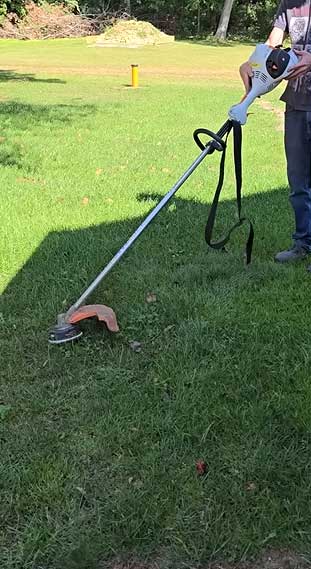
- Engine and Power Characteristics: Husqvarna models frequently deliver impressive torque that helps power through dense patches without bogging down as easily in my experience. Stihl tends to offer slightly more outright horsepower in comparable gas models, giving it an advantage when chewing through really tough, woody weeds or tall grass.
- Weight Distribution and Ergonomics: I notice Husqvarna trimmers often sit lighter in the hands with better overall balance, which reduces strain on my arms and shoulders during extended sessions. Stihl builds feel robust and tank-like, but that extra heft can wear on you if you trim for hours.
- Starting and Operation: Both brands have improved starting mechanisms, yet Stihl consistently earns praise for quick, reliable pulls even after storage. Husqvarna counters with smooth throttle response and features like AutoTune on some units that adjust automatically for easier operation.
- Vibration and Comfort Features: Husqvarna puts noticeable effort into minimizing vibes, making longer jobs feel less punishing on your body. Stihl incorporates advanced anti-vibration systems that hold up well under professional abuse.
- Battery vs Gas Options: Husqvarna battery models impress with runtime and innovative touches like reversible cutting heads that let you control where clippings fly. Stihl offers more flexibility across power sources, including corded electric for those who want zero emissions without battery limits.
- Build Quality and Durability: Stihl parts often seem engineered for extreme longevity, with pros reporting fewer breakdowns over years of hard use. Husqvarna holds its own with solid construction, though some users mention occasional quirks in fuel systems on gas models.
- Noise Levels: Battery versions from both run quieter than gas, but Husqvarna’s cordless lineup stands out for lower overall decibels during operation, which matters if you work near neighbors.
- Attachment Capability: Several Husqvarna models shine as combi systems, letting you swap heads for edging, cultivating, or even pole saw work. Stihl provides strong Kombi-style options too, but their dedicated trimmers feel more purpose-built for straight trimming.
These differences show up clearly once you spend time swinging each one around the yard.
Also Read: Differences Between Greenworks And Worx Trimmers.
Key Features of Husqvarna Weed Eaters
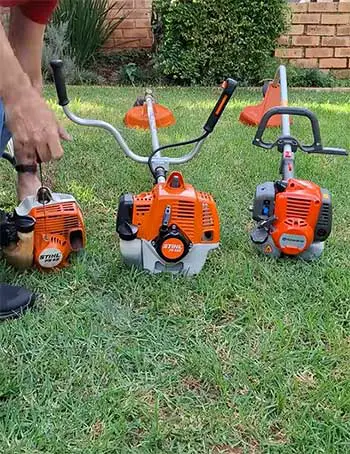
- Lightweight construction on many models that keeps fatigue low even after trimming large areas.
- Strong torque output that powers through thick vegetation without constant bogging.
- Innovative battery features like reversible trimmer heads for directing clippings exactly where you want them.
- Low-vibration handles and ergonomic grips designed for extended comfortable use.
- Attachment-capable designs that turn one tool into a multi-tasker for your whole property.
- AutoTune or similar systems that reduce the need for constant carb adjustments.
- Quiet operation, especially on cordless models, making them neighbor-friendly.
- Easy-access air filters and straightforward maintenance points.
- Balanced weight distribution that feels natural in your hands.
- Capability to handle larger line diameters like 0.105-inch for tougher jobs.
- Turbo boost modes on select battery units for extra power when needed.
- Solid cutting swaths around 17-18 inches on many straight-shaft models.
- Reliable bump-feed or manual line advance systems once you get used to them.
- Good runtime on higher-capacity batteries that can tackle an average yard on one charge.
- Durable gearboxes built to withstand occasional contact with rocks or hard surfaces.
I appreciate how Husqvarna seems to focus on making the tool feel like an extension of your body rather than something you fight against.
Pros of Husqvarna Weed Eaters
- Excellent balance and lighter overall weight help you trim longer without sore arms or back.
- Impressive torque lets the head keep spinning in dense weeds where other trimmers might stall.
- Battery models deliver surprisingly gas-like performance with far less noise and no fuel mixing.
- Reversible head feature on some units saves time by letting you control clippings direction without repositioning your whole stance.
- Lower vibration levels mean your hands and wrists feel better after a full morning of work.
- Attachment systems expand functionality without buying separate tools.
- Smooth throttle control gives precise speed adjustments for delicate edging versus heavy clearing.
- Easy-to-reach maintenance points speed up routine care like cleaning filters.
- Quiet operation reduces complaints from family or neighbors during weekend projects.
- Strong value in mid-range models that perform above their price point for homeowners.
- Innovative design touches like clicky buttons and solid fit-and-finish that feel premium.
- Good power-to-weight ratio that punches above expectations in real yard conditions.
- Reliable starting after proper storage with minimal priming needed on many models.
- Versatile line capacity that handles thicker string for tougher jobs without bogging.
- Comfort-focused ergonomics that suit users of different heights and strengths.
When I use a Husqvarna, I finish jobs feeling less beat up, which keeps me motivated to maintain the yard properly.
Cons of Husqvarna Weed Eaters
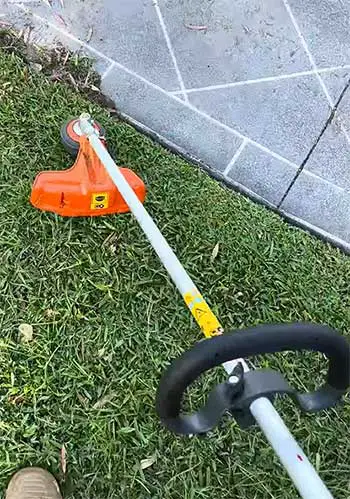
- Some gas models can feel finicky with fuel quality or require more careful mixing ratios to avoid issues.
- Dealer network for parts and service sometimes feels less widespread than competitors in certain regions.
- Occasional reports of stalling in extreme heat or when turning the unit, though proper maintenance helps.
- Battery runtime, while solid, still limits you compared to a full gas tank on very large properties.
- Line loading on certain heads takes a bit more manual effort than rapid-reload designs.
- Higher-end professional models carry a premium price that might stretch budgets for casual users.
- Some users find the balance excellent but wish for more telescoping shaft options on certain trimmers.
- Vibration, though low, can still transmit on the absolute toughest jobs if you push the tool hard.
- Replacement parts availability online sometimes lags behind more common brands.
- Learning curve with attachment systems if you have never used combi tools before.
- Heavier battery packs on high-capacity models can shift the balance slightly forward.
- Gas engines may run louder than expected compared to their battery counterparts.
- Limited corded electric options restrict choices for users wanting simple plug-in convenience.
- Some models require manual line feeding that feels slower during intense sessions.
- Warranty claims occasionally involve more paperwork than straightforward dealer experiences.
These drawbacks rarely ruin the experience for me, but they matter depending on your setup and how often you use the tool.
Also Read: Is WILD BADGER POWER Worth It?
Key Features of Stihl Weed Eaters
- Robust power delivery with strong low-end torque for chewing through heavy growth.
- Advanced anti-vibration technology that keeps the tool steady during long runs.
- Easy-start systems including primer bulbs and choke designs that fire up quickly.
- Durable construction with protected components that stand up to daily professional abuse.
- Wide cutting swaths and capability for thicker trimmer line on pro models.
- Ergonomic handles with multiple adjustment points for user comfort.
- Reliable bump-feed heads or rapid-replace options for quick line changes.
- Fuel-efficient engines that stretch tank runtime on gas models.
- Solid gearbox and drive systems built for consistent performance.
- Availability across gas, battery, and even corded platforms for flexibility.
- Clear fuel tanks or easy monitoring on many units.
- Professional-grade features like metal skid plates for protection.
- Responsive throttle that gives immediate power when you need it.
- Well-designed deflectors that improve visibility and safety.
- Interchangeable heads or Kombi compatibility on select models.
Stihl tools give me confidence that they will keep working even when I push them hard around fences and rocks.
Pros of Stihl Weed Eaters
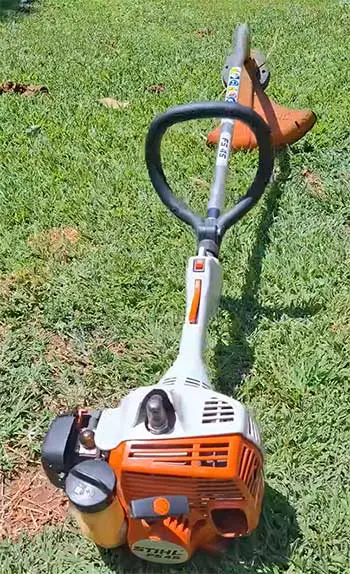
- Exceptional raw power and torque handle the toughest weeds and brush without hesitation.
- Proven long-term durability that many professionals rely on for years of daily use.
- Consistent easy starting that saves frustration, especially after winter storage.
- Strong dealer support network makes parts and service readily available.
- Effective anti-vibration systems reduce fatigue significantly on commercial jobs.
- Versatile power source options including reliable battery platforms for quieter work.
- Heavy-duty build quality that feels like it can take occasional impacts.
- Good fuel efficiency that lets you cover more ground per tank.
- Precise control and balance once you adapt to the weight.
- Rapid line replacement heads that minimize downtime during big jobs.
- Wide range of models covering everything from homeowner light duty to pro clearing saws.
- Excellent low-end performance for thick vegetation or edging against hard surfaces.
- Safety features and deflectors that inspire confidence during operation.
- Resale value remains strong because of the brand’s reputation for longevity.
- Consistent performance across temperature and altitude changes.
For anyone who needs a tool that simply refuses to quit, Stihl often becomes the go-to choice after real-world testing.
Cons of Stihl Weed Eaters
- Heavier overall weight on many gas models can lead to more fatigue during all-day sessions.
- Higher price point, especially for professional-grade units, compared to similar Husqvarna offerings.
- Some users report louder operation on gas engines, which matters in residential areas.
- Occasional clutch or housing durability issues mentioned in long-term owner feedback.
- Battery options, while capable, sometimes feel slightly behind in runtime compared to top competitors.
- Maintenance can involve more frequent visits to dealers for optimal tuning.
- Balance feels solid but not always as neutral as lighter Husqvarna designs.
- Limited reversible head features on standard models for clipping direction control.
- Parts costs run higher when repairs fall outside warranty.
- Learning curve with 4-Mix engines if you prefer simpler 2-stroke maintenance.
- Heavier feel might challenge users with less upper body strength on very large properties.
- Fewer innovative comfort tweaks like reversible heads in the standard lineup.
- Potential for more vibration in older or heavily used units if not serviced regularly.
- Availability of certain models sometimes requires visiting authorized dealers only.
- Gas models demand proper fuel mixing and storage habits to avoid starting issues.
- Some entry-level units feel less refined than Husqvarna’s comparable price range.
These points rarely stop me from recommending Stihl to friends who prioritize power and support, but they highlight areas where trade-offs exist.
Also Read: Is Hyper Tough Weed Eater Worth It?
Frequently Asked Questions (FAQ)
It depends on your needs, but both Husqvarna and Stihl rank among the top choices for reliability and performance. Test them based on your yard size and usage style.
Stihl often edges out for long-term heavy-duty reliability and professional endurance, though Husqvarna delivers excellent everyday dependability with proper care.
Husqvarna generally feels easier for most users thanks to better balance, lower vibration, and ergonomic focus that reduces fatigue during extended sessions.
Professionals, including many landscapers and loggers, often prefer Stihl for its power and durability in demanding conditions, though some choose Husqvarna for lighter weight and comfort on long days.
Wrapping Up
When I weigh everything after years of using both brands around my property and helping others, neither comes out as a universal winner. You might lean toward Husqvarna if comfort, lighter weight, and clever features like reversible heads matter most for weekend or moderate use.
Stihl often wins for professionals or anyone tackling serious overgrowth where raw power and dealer-backed longevity become critical. Test both in person if possible—swing them, start them, and feel the difference in your hands.
Your specific yard size, frequency of use, and tolerance for maintenance will point you in the right direction. I have owned models from each and still reach for whichever matches the job that day. The real key lies in matching the tool to how you actually work rather than chasing brand loyalty alone.