
I have spent years dealing with drafty windows in my home, constantly adjusting coverings to balance light, privacy, and comfort. After testing different options, I realized how much cellular shades and faux wood blinds differ in everyday performance.
In this article, I compare these two popular window treatments from a practical, user-focused perspective. You will discover their key strengths, weaknesses, and how they fit real-life scenarios so you can decide which suits your space better.
Whether you prioritize energy savings or easy cleaning, this breakdown helps you choose confidently.
| Aspect | Cellular Shades | Faux Wood Blinds |
| Material | Fabric with honeycomb (cellular) structure | Synthetic PVC, vinyl, or composite |
| Energy Efficiency | Excellent – traps air for insulation | Moderate – better than nothing but no air pockets |
| Light Control | Soft diffusion or blackout options | Precise tilting for adjustable slats |
| Durability | Good but fabric can crease or dent | High – resists warping, moisture, and fading |
| Moisture Resistance | Limited – not ideal for humid areas | Excellent – perfect for kitchens and bathrooms |
| Cleaning | Dusting or gentle vacuum; avoid water | Wipe with damp cloth; can hose down in some cases |
| Noise Reduction | Strong due to fabric layers | Moderate |
| Appearance | Soft, modern, uniform look | Classic, structured wood-like aesthetic |
| Weight | Lightweight and easy to operate | Heavier slats |
| Child/Pet Safety | Often cordless options | Cordless or wand tilt available |
| Typical Price Range | Varies widely; often higher for premium insulation | Generally more affordable than real wood |
Key Differences Between Cellular Shades and Faux Wood Blinds
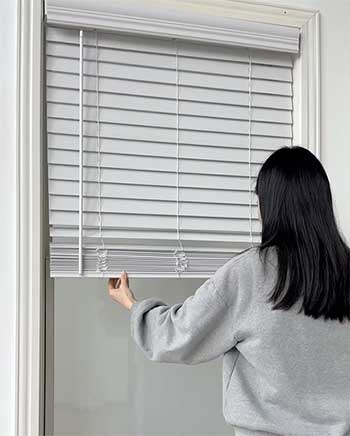
- Insulation Performance: Cellular shades stand out because their honeycomb design creates multiple air pockets that act like natural barriers against heat and cold. I noticed a real difference in room temperature stability after installing them in my living room – less reliance on the thermostat year-round. Faux wood blinds lack this trapped-air system, so they provide basic coverage but cannot match the energy-saving insulation.
- Light Management Style: With cellular shades, you get gentle, diffused light that feels inviting without harsh glare. Options range from light-filtering fabrics that soften sunlight to full blackout versions for bedrooms. Faux wood blinds let you tilt individual slats for pinpoint control, allowing stripes of light or complete closure. If you enjoy playing with light angles throughout the day, the blinds give you that flexibility I sometimes miss with shades.
- Aesthetic and Room Feel: Cellular shades deliver a clean, seamless appearance that blends into modern or minimalist interiors. The fabric creates a soft texture without visible lines. Faux wood blinds bring a warmer, traditional vibe with their slat structure and wood-grain finish, making rooms feel more furnished and grounded. I switch between them depending on whether I want cozy softness or defined character.
- Handling Moisture and Humidity: This is where faux wood blinds shine for me in practical terms. They handle steam from showers or kitchen splashes without warping or swelling. Cellular shades, being fabric-based, absorb moisture more easily and risk mildew in damp environments, so I avoid them near sinks or bathrooms.
- Operation and Ease of Use: Both come in cordless versions for safety, but cellular shades often feel lighter and smoother to raise or lower. Faux wood blinds require tilting mechanisms that can feel more mechanical. In homes with kids or pets, the simplicity of shades reduces frustration during daily use.
- Sound Absorption: The layered fabric in cellular shades noticeably dampens outside noise, creating a quieter indoor sanctuary. Faux wood blinds offer less acoustic benefit, though they still block some street sounds compared to bare windows.
- Long-Term Maintenance Needs: Faux wood blinds hold up better against daily wear, especially in busy households. Cellular shades require more careful handling to prevent creases, but they reward you with consistent performance when treated gently.
Key Features of Cellular Shades
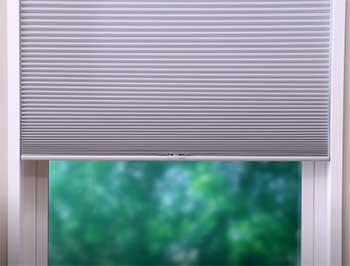
- Honeycomb or cellular construction that traps air for superior thermal insulation in every season.
- Variety of cell sizes, from small for a sleek profile to larger for maximum energy efficiency.
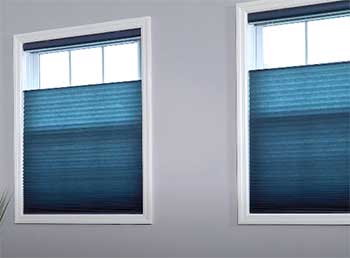
- Multiple light-control levels, including top-down/bottom-up options that let you adjust privacy while still allowing daylight from above.
- Soft fabric textures available in dozens of colors, patterns, and opacities to match any decor.
- Cordless and motorized lift systems that enhance safety and convenience, especially for high or hard-to-reach windows.
- Excellent sound-dampening qualities that reduce echoes and external noise for a calmer home environment.
- Lightweight design that puts less strain on mounting hardware and makes installation straightforward.
- Blackout and light-filtering variants that cater to bedrooms, home offices, or media rooms where light management matters most.
- Ability to create a uniform, gap-free look when lowered, eliminating light leaks common in some other treatments.
- Eco-friendly fabric options in some lines that appeal to sustainability-conscious homeowners.
Also Read: Comparison of Plantation Shutters And Roman Shades.
Pros of Cellular Shades
Cellular shades impress me most with their energy-saving capabilities. The air-trapping cells genuinely help lower heating and cooling bills, something I confirmed after tracking my utility costs over a winter. They create a cozy barrier that keeps warmth inside during cold months and blocks summer heat from entering.
You will appreciate the soft light diffusion that makes rooms feel brighter without the intensity of direct sun. Privacy remains high even with light-filtering versions, as the fabric scatters incoming rays effectively. In bedrooms, the blackout options deliver true darkness for better sleep.
Noise reduction adds another layer of comfort.
Living near a busy street, I found the fabric layers noticeably quieted traffic sounds compared to harder window treatments.
The overall aesthetic feels modern and streamlined, avoiding the segmented look of slats.
Cordless operation eliminates safety worries around children and pets while making daily adjustments effortless. Many styles include top-down/bottom-up features, so you can enjoy natural light from the top while keeping the lower portion private – a feature I use constantly in my home office.
Installation tends to be simpler due to the lighter weight. You can often handle it yourself without heavy lifting. Customization options abound, from fabric choices to exact sizing, ensuring a perfect fit for odd-shaped or large windows.
Durability holds up well in low-traffic areas with proper care. The structure maintains its shape over years, and the fabric resists fading when treated with UV protection. Overall, these shades deliver year-round comfort and a polished look that elevates any room.
Cons of Cellular Shades
Despite their strengths, cellular shades have limitations I encountered firsthand. The fabric can crease or dent if handled roughly or if pets climb on them, which happened once with my curious cat. In high-traffic homes, this delicacy requires extra caution.
Moisture poses a real challenge. I would never install them in bathrooms or kitchens because humidity can lead to sagging or mildew over time. Cleaning also demands gentleness – dusting works, but you cannot wipe them aggressively or use water freely.
Dust accumulation shows more visibly on lighter fabrics, meaning more frequent maintenance than I initially expected. In dusty environments, this can become noticeable within weeks.
While energy efficient, the initial cost for high-quality versions with advanced features like motorized controls can add up quickly. Not every budget accommodates premium cellular shades across multiple windows.
Light gaps sometimes appear at the sides if not installed perfectly inside the frame. Professional measuring helps, but it is something to watch for during setup.
In very humid climates, performance may degrade faster than in drier areas, limiting their versatility compared to more resilient options.
Key Features of Faux Wood Blinds
- Realistic wood-grain textures created from durable synthetic materials that mimic natural wood without the maintenance issues.
- Horizontal slats that tilt smoothly for precise light and privacy control.
- Moisture-resistant construction using PVC or composite materials that stand up to humidity and occasional splashes.
- Wide range of colors, stains, and finishes, including whites, neutrals, and rich wood tones.
- Wand or cordless tilt mechanisms that improve safety and ease of operation.
- Heavier slat design that provides a solid, substantial feel at the window.
- UV inhibitors built into the material to prevent fading or yellowing from sun exposure.
- Easy-to-clean surfaces that allow damp wiping or even gentle hosing in some models.
- Compatibility with valances or decorative headrails for a finished, custom look.
- Versatility across room styles, from traditional to transitional interiors.
Pros of Faux Wood Blinds
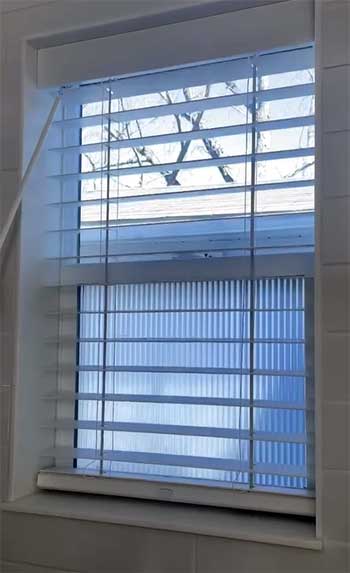
Faux wood blinds deliver the classic look I love without the headaches of real wood.
They resist warping, cracking, or swelling in humid conditions, making them reliable in kitchens, bathrooms, and laundry rooms where I previously struggled with other coverings.
Cleaning feels effortless. A quick wipe with a damp cloth removes dust, fingerprints, or kitchen grease without special products.
This low-maintenance aspect saves me time weekly compared to fabric options.
Durability stands out in busy households.
The sturdy slats handle accidental bumps or pet interactions better than delicate fabrics.
They hold their shape and color for years, even with daily use and direct sunlight.
Light control gives you fine-tuned flexibility. Tilting the slats lets in just the right amount of light or closes them completely for full privacy. I appreciate this during different times of day, from morning coffee to evening relaxation.
Affordability compared to real wood makes them accessible when updating multiple rooms. You get the warm aesthetic at a fraction of the price while gaining better moisture resistance.
Fire resistance and UV protection add practical value. The materials do not yellow or fade quickly, keeping windows looking fresh longer. Many options include cordless or hidden mechanisms for child safety.
The structured appearance adds architectural interest to rooms. When closed, they create clean horizontal lines that complement furniture and wall treatments. In open positions, the slats allow airflow while still providing some shade.
Overall, these blinds combine style, toughness, and ease that suit active lifestyles without constant worry.
Also Read: Reasons For Window Shades Being So Expensive.
Cons of Faux Wood Blinds
Faux wood blinds come with trade-offs I noticed after living with them. The heavier slats can make operation slightly more effortful on larger windows, especially if not using motorized versions. Lifting them fully requires more strength than lighter shades.
Insulation falls short compared to cellular options. Without air pockets, they do not regulate temperature as effectively, so rooms may feel draftier in extreme weather. I pair them with other measures during peak summer or winter.
Dust can settle on the slats and require regular attention. While easy to wipe, the horizontal surfaces collect more visible particles than smooth fabrics in some cases.
When fully closed, the slats sometimes show small gaps or stacking height that affects the streamlined look. Light leaks can occur at the edges if measurements are not precise.
The synthetic feel, though realistic, lacks the natural warmth of genuine wood for purists. In bright light, the material can sometimes reveal its composite nature upon close inspection.
Weight puts more strain on mounting brackets over time, potentially requiring sturdier hardware for very wide installations. This added consideration matters in older homes with weaker frames.
In very modern or ultra-minimalist spaces, the slatted design may feel less seamless than the uniform fabric of shades. Personal taste plays a big role here.
Noise reduction is minimal, so they do not quiet a room as noticeably as layered fabric treatments.
Which One Should You Choose?
After comparing both extensively in my own home and through friends’ experiences, the decision boils down to your priorities and room conditions. If energy efficiency and a soft, modern aesthetic top your list, cellular shades will serve you well. They excel in living rooms, bedrooms, and offices where comfort and quiet matter most.
You might lean toward faux wood blinds if durability, moisture resistance, and classic style guide your choice. They perform reliably in kitchens, bathrooms, and high-traffic areas where cleaning ease and toughness count.
Many people, including me, mix both throughout the house. Cellular shades in private spaces for insulation and faux wood in functional zones for practicality. Consider your climate, lifestyle, pets, and budget before deciding. Test samples in your actual lighting to see how each interacts with your walls and furniture.
Ultimately, both options improve any window over bare glass. You gain better control over light, privacy, and comfort the moment you install quality treatments. Think about daily routines – do you value effortless temperature stability or wipe-clean convenience? Answering that helps you pick the right fit without regret.
Also Read: Is Bali Window Shades Worth It?
Frequently Asked Questions (FAQ)
They can crease or dent easily, struggle in humid environments, require gentle cleaning, and may show dust more visibly on lighter colors.
Smart motorized and energy-efficient options, including layered treatments and sustainable materials with automation for convenience and savings.
They offer less insulation than cellular shades, feel heavier to operate on large windows, collect dust on slats, and may show minor light gaps when closed.
Not usually – faux wood blinds often cost less than premium cellular shades, especially when comparing basic models, though custom features can narrow the gap.
Final Thoughts
In wrapping up, I encourage you to evaluate your windows with fresh eyes. Consider how each option would feel in your daily life – the quiet comfort of cellular shades or the sturdy reliability of faux wood blinds. You deserve treatments that enhance your home without adding stress.
Take measurements, request samples, and picture yourself adjusting them every morning. The right choice will make your spaces more livable and enjoyable for years ahead.
What matters most to you in the end is finding the balance that fits your unique needs and brings real satisfaction every time you glance at your windows.