
I’ve spent time comparing the Herman Miller Aeron and Embody because choosing the right chair for long workdays really matters.
If you’re deciding between them, this gives you clear, practical details on real performance so you can match one to how you actually sit.
| Aspect | Herman Miller Aeron | Herman Miller Embody |
| Price Range | $1,100–$2,000+ | $1,500–$2,300+ |
| Sizing | Three sizes (A, B, C) | One size with seat depth adjustment |
| Seat Material | 8Z Pellicle mesh | Pixelated support layers |
| Back Support | PostureFit SL adjustable | Pixelated matrix with BackFit |
| Breathability | Excellent | Good but runs warmer |
| Weight Capacity | Up to 350 lbs (Size C) | Up to 300 lbs |
| Warranty | 12 years | 12 years |
| Best For | Upright posture, warm rooms | Dynamic movement, long sessions |
The Aeron uses tensioned mesh for structured support and strong airflow. The Embody relies on hundreds of small moving pixels that adapt as you shift.
Both feel premium and carry the same long warranty, but they create very different sitting experiences.
Key Differences Between The Aeron And The Embody
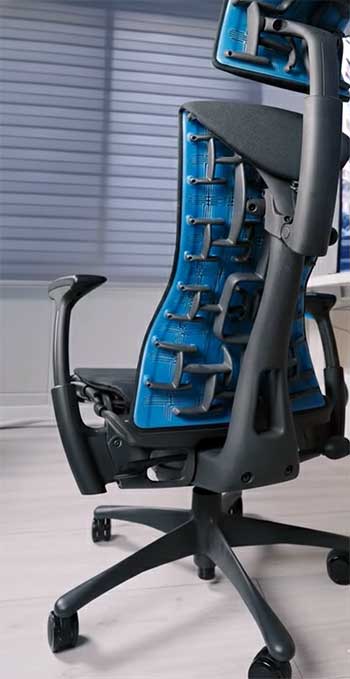
- Sizing works differently. The Aeron offers three proportioned frames so seat depth, back height, and width match specific bodies. Pick right and it fits without gaps or pressure. The Embody uses one frame with a sliding seat depth that works for most heights from about 5’2″ to 6’4″. You skip the size choice but lose some of the Aeron’s exact tailoring.
- Support philosophy splits them. Aeron’s PostureFit SL pads push into the sacrum and lower back to encourage upright alignment. You adjust them directly with a dial. Embody spreads support across flexible pixels that follow your spine’s micro-movements without manual lumbar controls. One directs posture. The other reduces pressure by moving with you.
- Seat feel differs sharply. Aeron’s mesh stays firm and suspended with no sink, keeping circulation open but feeling rigid to some after hours. Embody’s pixelated layers give more give and even weight distribution, making it easier to shift or sit cross-legged, though it holds a bit more warmth.
- Recline and movement range vary. Aeron’s tilt feels crisp with a forward-tilt option on many models for focused desk work. Embody’s recline flows smoothly with multiple lock positions and follows your body lean more naturally, suiting people who change position often.
- Temperature control favors the Aeron in warm spaces. Full mesh moves air freely through seat and back so you stay cooler during long sits. Embody manages heat reasonably but the layered build retains more warmth, which can matter in hotter rooms or if you run warm.
- Armrests and adjustability trade depth for simplicity. Higher Aeron models give full 4-way arms that stay precise. Embody offers good height and width adjustment plus easy seat depth sliding, but less pivot or forward depth range on the arms.
Key Features of The Herman Miller Aeron
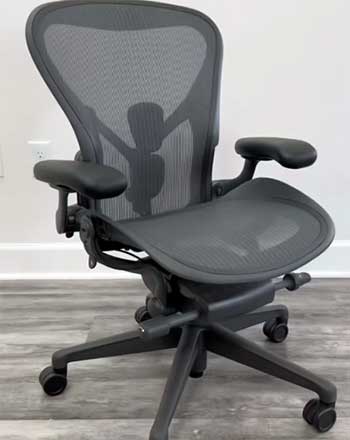
- The mesh suspension system uses an updated 8Z Pellicle material with varying tension zones that support different parts of your body without creating a single pressure point. When I sat in it for full workdays, the way the mesh gently cradles without sinking stood out immediately. It never packs down like foam does over time, which keeps the support consistent even after months of use. This design has stayed effective for decades because it distributes weight evenly while letting your body move just enough without feeling loose or unstable.
- PostureFit SL lumbar delivers independent adjustment for both the sacral area at the base of the spine and the lower lumbar curve above it. You reach back and turn a simple dial to move the pads exactly where you need them. In my experience, this gave more targeted relief than generic lumbar pillows or fixed curves, especially during long typing sessions when my lower back tends to flatten. The firmness is noticeable at first but becomes supportive rather than intrusive once you find your setting.
- The tilt mechanism provides smooth recline with good tension control and includes a forward tilt setting on many configurations that tips the seat slightly for keyboard-intensive work. This small detail helped me stay more engaged during detailed tasks without rounding my shoulders forward. The movement feels controlled and predictable, so you never feel like the chair is fighting you when you need to lean in or rock back slightly to think.
- Three fully proportioned sizes mean the seat depth, back height, and arm position scale together instead of forcing one average frame onto every user. Choosing the correct size (A, B, or C) removes the common problem of a chair that is too deep or too narrow. I noticed right away how the proportions felt intentional once I sat in the right one, with no awkward gaps or pressure at the thighs.
- Overall build quality shows in the die-cast aluminum base, durable casters, and rigid frame that holds up under daily commercial use without developing creaks or wobbles quickly. After extended testing, the adjustments stayed smooth and the entire structure felt like it was built to last well beyond the warranty period, which adds real peace of mind when you’re spending this much.
Pros of the Herman Miller Aeron
- Unmatched breathability keeps you cooler through full workdays, especially in warm rooms or if you run hot. Full mesh lets air pass through seat and back without trapping heat, so you stay fresher longer compared with cushioned chairs.
- Precise PostureFit SL lumbar gives direct control over sacral and lower back support. Once dialed in, it reduces lower back stiffness during long typing or focused sessions better than generic curves.
- Three sizes deliver a tailored fit that avoids the compromises of average frames. Correct sizing removes thigh pressure or unsupported gaps and helps ergonomic benefits appear faster.
- Strong resale value and proven longevity mean well-kept units retain good value years later. Many Aerons stay in daily use well beyond a decade, softening long-term ownership cost.
- Forward tilt on equipped models helps maintain engagement during detailed desk work by reducing shoulder rounding. It turns the chair into a more active tool for task-focused hours.
Cons of the Herman Miller Aeron
- Firm mesh seat feels supportive at first but can create pressure under sit bones after several hours if you prefer more cushioning. The suspended feel takes a short adjustment period for some users.
- No seat depth adjustment within a size means you must choose correctly upfront. A slightly wrong frame can press into thighs or leave unsupported space behind the knees.
- PostureFit SL pads can feel too aggressive if you like relaxed or reclined positions for parts of the day. The system works best for consistent upright sitting.
- Limited casual positioning options appear when you try crossing legs or shifting freely. The structured frame keeps you more disciplined, which helps posture but can feel restrictive during informal calls.
- Full arm adjustability requires higher configurations, which narrows the value gap with the Embody for users who need frequent arm repositioning.
Key Features of The Herman Miller Embody
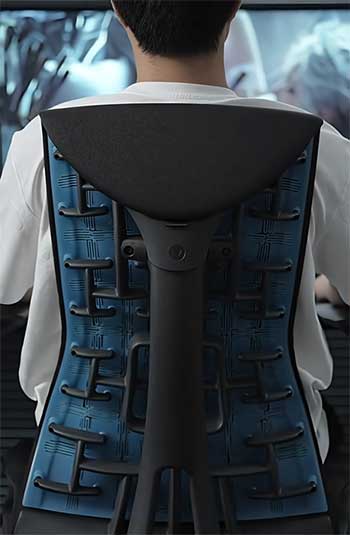
- The pixelated support matrix in both seat and back consists of hundreds of small independent elements that deflect individually under pressure. This spreads weight across a wide area and reduces the hot spots that form in traditional cushions during long sits. When I used it for extended periods, the way the surface responded to small shifts in my position felt noticeably different from rigid or foam seats, almost like the chair was actively working with my body instead of just holding it.
- BackFit adjustment lets you tune the overall curve of the backrest to match your spine’s natural shape without separate lumbar height or depth controls. The whole upper section moves in response to how you lean rather than staying rigid. This feature made a real difference for me during days when I alternated between upright focus and slight recline, because the support stayed consistent without constant manual tweaks.
- Seat depth slides forward and back on a simple mechanism so you can fine-tune thigh support regardless of your height or leg length. Unlike chairs that lock you into one depth, this adjustment removed the need to guess at purchase time. I found it especially useful when switching between different desks or when wearing different shoes that changed my sitting posture slightly.
- The synchronized recline follows your body weight and includes several lock positions plus smooth return that encourages subtle movement instead of locking you into one angle. During long creative or coding sessions, I appreciated how easily I could lean back for a moment to stretch without losing support or having to readjust everything when I sat forward again.
- Wide arm pads with solid height and width adjustment plus a tall backrest that reaches the shoulder blades create a more enveloping feel for people who like extra upper body contact during extended focus periods. The arms felt generous and stayed comfortable even when I rested my forearms for long stretches, which helped reduce tension in my shoulders compared with narrower or less adjustable designs.
Also Read: Comparison of Herman Miller Embody And Steelcase Gesture.
Pros of the Herman Miller Embody
- Exceptional pressure distribution across pixels reduces localized fatigue during very long sessions. Even weight spread helps many people stay seated comfortably for eight to twelve hours with less cumulative discomfort.
- Dynamic adaptation follows micro-movements so the chair moves with you instead of fighting shifts. This suits people who change position often or lean forward during focused work.
- One size with easy seat depth adjustment removes sizing guesswork and still fits a wide height range without custom ordering.
- Smooth body-following recline with multiple locks makes it simple to lean back briefly or stretch without losing support or constant readjustment.
- Wide comfortable arms and tall back contact reduce shoulder and forearm tension during extended keyboard and mouse use, adding up to less overall fatigue by day’s end.
Cons of the Herman Miller Embody
- Higher price reflects the complex pixel system and BackFit mechanism even though both chairs share the same warranty. The premium can feel noticeable if breathability or precise lumbar matter more to you.
- Warmer overall feel shows up in hot rooms or if you run warm. Layered construction retains more heat than full mesh, though it stays manageable for most users.
- No independent lumbar height or pressure adjustment means you set the overall curve once and rely on pixels for the rest. Very specific lower back needs may not get the exact targeting PostureFit SL offers.
- Arms provide good height and width movement but lack the full depth and pivot range of higher Aeron models, which can limit versatility during multi-device or reaching-heavy days.
- Pixelated back can collect dust in small gaps over time, requiring occasional gentle cleaning that open mesh surfaces avoid.
Who Should Choose Which Chair?

If you run warm, value precise lumbar control, or need a chair that fits a specific body size without compromise, the Aeron delivers reliable performance and often better value once you factor in breathability and resale strength.
It rewards people who sit in a fairly consistent upright position and appreciate that structured support.
If you log very long hours, shift positions frequently, or have noticed pressure building up in traditional chairs, the Embody’s adaptive design tends to reduce fatigue more effectively over marathon sessions.
The extra cost buys movement-friendly support and simpler sizing, which pays off if you spend most of your day in one spot without many breaks.
Both chairs represent serious investments in daily comfort and long-term back health.
The right choice comes down to whether your body prefers the cool, firm direction of the Aeron or the responsive, pressure-spreading approach of the Embody.
Also Read: Differences Between Steelcase Leap And Herman Miller Aeron.
Frequently Asked Questions (FAQ)
The Embody’s pixelated support and BackFit mechanism add production complexity and research-backed engineering compared with the Aeron’s established mesh and PostureFit design.
Pixelated support spreads pressure evenly and adapts to small movements, helping many people stay comfortable during extended focused work with less fatigue than static chairs.
It remains excellent for breathability, precise lumbar adjustment, and proven durability, especially in warm environments or for consistent upright posture. “Best” depends on your specific sitting habits and priorities.
It easily reaches ten to fifteen years or more with normal use, backed by the same twelve-year warranty as the Aeron. Many units stay in excellent condition well beyond that when maintained properly.
Wrapping Up
After weighing both chairs against the way most people actually work, the decision usually settles on whether you prioritize cool structured support or adaptive pressure relief for long stretches.
Either one will outperform typical office chairs by a wide margin once you get the fit and adjustments right for your body.