
As someone who has spent years maintaining a half-acre yard with overgrown edges, thick weeds, and tricky spots around fences and flower beds, I know how crucial a reliable string trimmer is.
In this article, I share my real experiences testing popular models from Greenworks and Worx, breaking down their performance, ease of use, battery life, and overall value to help you decide which one fits your needs best.
| Feature | Greenworks (Typical 40V-80V Models) | Worx (Typical 20V-40V Models) | Winner for Most Users |
| Power & Cutting Strength | Higher voltage options deliver gas-like torque for tough weeds | Solid for light-medium duty, but can bog down in thick growth | Greenworks |
| Weight | 9-12 lbs (heavier with larger batteries) | 5-8 lbs (noticeably lighter and less fatiguing) | Worx |
| Cutting Swath | 15-17 inches (covers more ground quickly) | 12-13 inches (precise but slower on large areas) | Greenworks |
| Line Feed System | Bump feed or auto-feed (reliable but requires tapping) | Command feed or auto-feed (push-button advancement) | Worx |
| Battery Runtime | 45-90 minutes (longer with higher Ah batteries) | 20-45 minutes (good for small yards) | Greenworks |
| Noise & Vibration | Quiet, moderate vibration | Very quiet, low vibration | Worx |
| Edging Capability | Good pivot, but heavier head | Excellent wheeled edging and quick head tilt | Worx |
| Build Quality & Durability | Robust for frequent use, wide tool ecosystem | Lightweight plastic feel, great for occasional jobs | Tie |
| Price (Tool Only) | $150-300 | $100-200 | Worx |
In-depth Comparison of Greenworks And Worx Trimmer
I’ve put these two brands through their paces on the same yard tasks—trimming along fences, edging sidewalks, tackling thick weeds in ditches, and quick clean-ups around flower beds.
Here’s how they stack up in the areas that matter most to me as a homeowner.
- Power and Performance
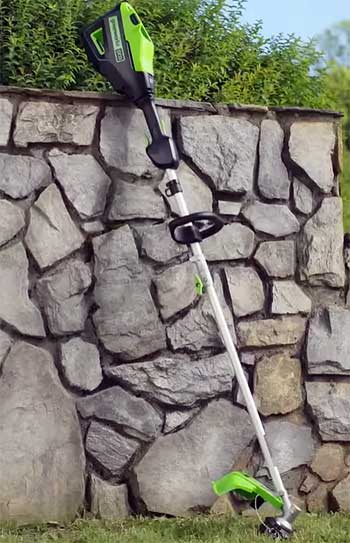
Greenworks brings serious muscle to the table, especially in higher-voltage models like the 80V or 60V lines.
I’ve powered through tall, dense fescue and stubborn weeds without the motor bogging down.
The brushless motors hold steady RPMs even under load, giving that consistent cut I remember from gas trimmers.
On the flip side, Worx models, mostly 20V or 40V like the GT Revolution, handle everyday grass and light overgrowth well.
They zip through manicured edges quickly, but in thicker patches, the motor strains, slows, and drains the battery faster.
I’ve had to go slower or make multiple passes where Greenworks clears in one.
For power-hungry jobs on medium or larger yards, Greenworks pulls ahead every time. If your lawn stays mostly tame, Worx delivers plenty without overkill.
- Battery Life and Runtime
Runtime changes everything for longer sessions. Greenworks higher-capacity batteries—4Ah or more on 60V/80V models—give me 45 to 90 minutes of solid work. I’ve finished my half-acre edges, ditches, and tree lines on one charge, often with power left.
Worx batteries, even the 4Ah versions, top out around 20 to 45 minutes for similar tasks. On bigger jobs, I’ve swapped batteries or taken breaks. The Power Share system works great if you own other Worx tools, but raw endurance falls short of Greenworks.
Cooler mornings help both last longer, and dialing down speed on variable triggers extends time. Still, Greenworks wins for all-day capability.
- Weight and Ergonomics
This is where Worx shines brightest. My GT Revolution weighs about 6 pounds— I handle it one-handed for quick spots without fatigue. The telescoping shaft, multi-position handle, and balanced design fit perfectly, no matter my stance.
Greenworks models tip the scales at 9 to 12 pounds with battery. After 30 minutes, especially overhead or on slopes, my shoulders feel it. The straight shaft reaches well under bushes, but the heft builds up over time. Shoulder straps on pro models help, but Worx feels effortless longer.
For extended use or if arm strength matters, Worx reduces strain big time.
- Line Feed and Reloading Systems
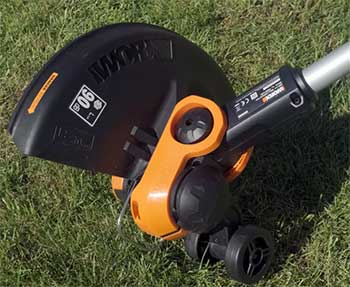
Line management can make or break a session.
Worx Command Feed button advances line instantly while running—no ground tapping needed.
Pre-wound spools with onboard storage swap in seconds.
Greenworks uses bump-feed or auto-feed on some. It works reliably, but tapping interrupts flow on uneven ground.
Rewinding spools takes more fiddling, and jams happen if I rush.
Worx’s system feels smoother and less frustrating, especially for frequent advances.
- Edging and Versatility
Worx dominates edging. The pivoting head and rubberized wheels roll along sidewalks for straight, crisp lines without guesswork. It converts to a mini-mower for tight spots mowers miss.
Greenworks pivots for edging too, but the heavier head makes precision tougher over long stretches. It lacks wheels or mini-mower mode, though attachment-capable models add options like pole saws.
For clean edges and multi-use flexibility, Worx takes the crown.
- Noise, Vibration, and Overall Comfort
Both run much quieter than gas—no ear protection needed for neighborhood sessions. Worx edges out with lower vibration; my hands stay steadier after long use.
Greenworks has moderate vibration, noticeable in higher power modes. Both feel comfortable, but Worx’s lighter build and smoother operation win for all-day comfort.
- Durability and Build Quality
Greenworks feels built to last with robust shafts and guards that hold up to rocks and fences. The wider ecosystem means parts and batteries stay available longer.
Worx uses more plastic, lighter but showing wear faster—like loosening heads after seasons of heavy use. It holds up fine for homeowner duty, but Greenworks seems tougher for frequent, demanding work.
- Value and Ecosystem
Worx often costs less upfront, especially kits with batteries. The innovative features pack big bang for the buck on smaller yards.
Greenworks runs pricier, but the performance and shared batteries across mowers, blowers, chainsaws justify it if building a full set.
In my experience, Greenworks handles the bulk of tough trimming, while Worx excels at comfortable finishing and edging. Together, they cover everything perfectly—but if choosing one, it depends on your yard’s demands and how long you trim at a stretch.
This side-by-side testing showed me no perfect trimmer exists; each brand nails different priorities. Greenworks for raw capability, Worx for ease and clever design.
Also Read: Comparison of California And McLane Trimmer.
Greenworks Trimmers: The Strengths and Weaknesses I’ve Experienced
I’ve relied on several Greenworks models over the years, from the 40V everyday workhorse to the beastly 80V pro-level trimmer. They consistently deliver when my yard throws tough challenges at them.
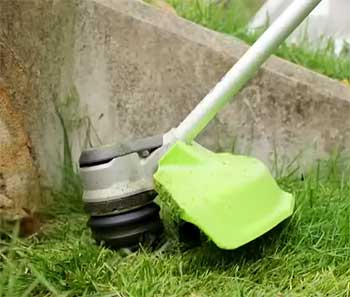
- Exceptional Power for Demanding Tasks The higher-voltage options, especially the 80V and 60V models, provide gas-like torque that slices through thick weeds, tall fescue, and overgrown ditches without bogging down. I’ve cleared fence lines choked with stubborn growth in one pass where lighter trimmers would struggle and overheat. The brushless motors maintain consistent speed under heavy load, making them feel reliable on larger properties.
- Impressive Battery Runtime With 4Ah or larger batteries, I routinely get 45 to 90 minutes of continuous use—enough to handle my half-acre edges, trees, and slopes on a single charge. The shared ecosystem means one battery powers mowers, blowers, and chainsaws, so swapping keeps me going without downtime. Higher Ah options extend this even further for all-day jobs.
- Wider Cutting Swath for Faster Work Most models offer 15- to 17-inch paths, covering more ground quickly. This saves significant time on open areas compared to narrower competitors. Variable speed triggers let me conserve power for light trimming or go full throttle for heavy overgrowth.
- Solid Build and Durability The straight shafts and robust guards hold up well against rocks, fences, and frequent use. I’ve dropped mine accidentally without issues, and the die-cast components feel pro-grade. Quiet operation allows early-morning sessions without disturbing anyone.
- Expanding Tool Ecosystem Batteries interchange across dozens of Greenworks tools, making it easy to build a complete cordless yard setup. No fumes, no mixing gas—just grab and go.
That said, no tool is perfect, and Greenworks has areas where I’ve felt the limitations.
- Noticeable Weight and Fatigue Loaded with a battery, these often hit 9-12 pounds or more. After 30-40 minutes, especially overhead or on hills, my arms and shoulders tire faster than with lighter options. Shoulder straps help on pro models, but it’s still more strenuous for extended sessions.
- Bump-Feed Line Advancement Interruptions Tapping the head to release line works reliably but breaks my rhythm on uneven terrain. Some auto-feed versions improve this, but manual winding spools can jam if not loaded perfectly.
- Higher Upfront Cost Premium power comes at a price—kits often run $200-400. While the performance justifies it for heavy use, it stings more for occasional homeowners.
- Moderate Vibration in High-Power Modes Not as smooth as ultra-light models; I feel it in my hands after long runs, though still far better than gas.
- Line Consumption in Thick Growth Powerful cutting chews through string faster in dense weeds, requiring more frequent reloads or thicker line upgrades.
Overall, Greenworks shines for anyone needing serious muscle and runtime—I reach for mine when the yard fights back.
Also Read: Comparison of Echo PAS 280 And 2620 Trimmer.
Worx Trimmers: The Advantages and Shortcomings from My Use
Worx, especially the GT Revolution series, became my favorite for quick, comfortable sessions. The innovative design makes trimming feel less like a chore.
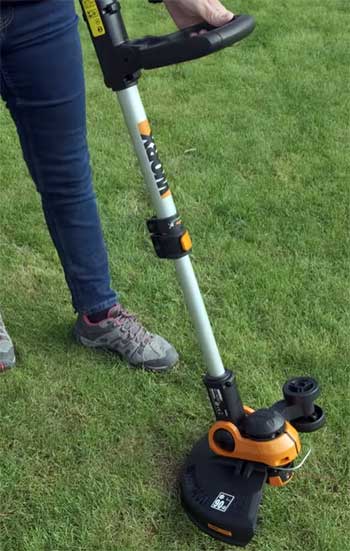
- Ultra-Lightweight and Fatigue-Free Handling At 5-7 pounds, I use these one-handed for touch-ups or hold them overhead without strain. Perfect balance and telescoping shafts adjust to my height, reducing back and arm fatigue even after full sessions.
- Clever Line Feed and Quick Reloading The Command Feed button advances line instantly while running—no bumping required. Pre-wound spools with onboard storage swap in seconds, minimizing interruptions. This alone saves frustration compared to traditional systems.
- Outstanding Edging and Versatility Wheeled edging mode with pivoting head and rubber wheels delivers crisp, straight lines along sidewalks effortlessly. Quick conversion to mini-mower mode handles tight spots mowers miss. Head tilts for slopes and under obstacles seamlessly.
- Exceptionally Quiet and Low Vibration Barely any noise or buzz— I trim near windows without ear protection. Smooth operation keeps my hands steady longer.
- Affordable Entry and Great Value Kits Often under $200 with batteries included, and Power Share compatibility expands to other tools. Innovative features at this price feel like a steal for smaller yards.
Worx isn’t without trade-offs, especially when pushing limits.
- Limited Power in Heavy Overgrowth 20V and 40V models handle grass and light weeds fine but strain, slow, and drain batteries quickly in thick, tall patches. Multiple passes or slower pace needed where higher-voltage rivals power through.
- Shorter Runtime on Larger Jobs Typically 20-45 minutes per battery—great for small lots but requires swaps on my half-acre. Higher Ah helps, but still trails beefier systems.
- Narrower Cutting Swath 12-13 inches means more passes on open areas, extending job time compared to wider options.
- Plastic Build Feels Less Robust Lightweight materials show wear faster with heavy use—heads loosen, parts flex. Fine for homeowners but not as tough for frequent demanding work.
- Line Breakage if Over-Aggressive Pushing too hard causes frequent breaks or tangles, especially with standard line. Upgrading to heavier-duty helps, but technique matters.
Worx excels at making trimming enjoyable and precise—ideal as a primary for small yards or secondary for detailing.
These elaborated pros and cons come straight from seasoning both brands across multiple yards and conditions. Greenworks brings the brute force; Worx delivers the finesse.
Real-World Scenarios: Which One I’d Grab?
For a small urban lot with manicured edges → Worx every time—light, nimble, and fun.
For a suburban or rural property with weeds and uneven terrain → Greenworks for reliable power.
If building a full battery tool collection → Greenworks broader ecosystem.
On a tight budget for occasional use → Worx gets the job done without breaking the bank.
Both outperform old corded or gas trimmers in convenience and emissions.
Also Read: Comparison of ECHO 266 And 2620 Weed Trimmers.
Frequently Asked Questions (FAQ)
No, but they come from the same parent company, Globe Tools Group. Powerworks was an earlier or related line, but Greenworks is the primary brand now.
No, WORX belongs to Positec Tool Corporation. Home Depot just sells their products, like many other retailers.
Yes, for homeowners and light-duty tasks. It’s reliable, innovative, and affordable, though not as heavy-duty as pro brands.
Common causes include old or heat-damaged biodegradable line, overwinding the spool, using too-thick line, or pushing too aggressively into tough areas. Store spools cool and dry, wind evenly, and use recommended diameter.
Wrapping It Up: My Recommendation For You
After years testing both, I keep Greenworks as my primary trimmer for its unstoppable power and runtime on demanding jobs, and Worx as my go-to for comfortable, precise work. If your yard leans toward tough overgrowth or larger areas, go with Greenworks—you’ll appreciate the muscle.
For smaller spaces, easy maneuvering, and less fatigue, Worx will make trimming feel effortless.
Whichever you choose, you’ll enjoy ditching gas for good. Happy trimming—your yard (and back) will thank you.