
I have spent considerable time researching and comparing HVAC options for my own home upgrades and assisting friends with their decisions, and the Goodman versus Carrier discussion keeps surfacing as a key choice.
In this article, I share my straightforward analysis of both brands so you can find the system that matches your budget, comfort expectations, and long-term needs.
You will see real differences in pricing, performance, features, and ownership experiences that help clarify the best path forward.
| Feature | Carrier | Goodman |
| Price Range (Installed AC) | $4,000 – $11,500+ | $3,200 – $8,500 |
| Efficiency (SEER2) | Up to 26+ in premium lines | Up to 19-24 in top models |
| Noise Levels | Very quiet, especially premium | Moderate, can be louder |
| Warranty | 10-year parts (registered) | 10-year parts, lifetime compressor on select |
| Technology | Advanced variable speed, smart controls | Solid basics, some smart options |
| Best For | Long-term efficiency seekers | Budget-conscious reliability |
Key Differences Between Goodman and Carrier
I notice several meaningful distinctions when I place these two brands next to each other in real-world scenarios. These points shape how each system feels in daily use and over years of ownership.
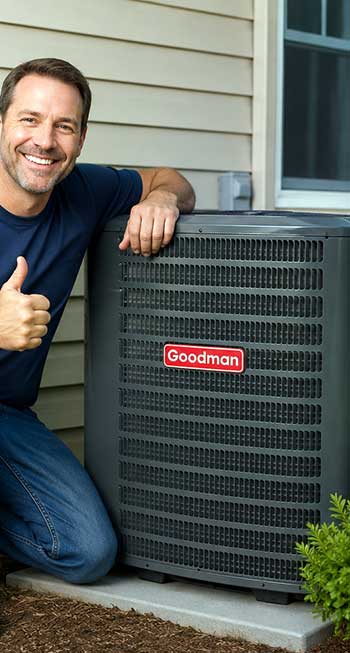
- Pricing and Value Positioning: Carrier positions itself as a premium option with higher initial costs that reflect advanced engineering and brand reputation. This can mean paying noticeably more at the start, but many users feel the extra features justify the investment. Goodman takes a different route by focusing on accessible pricing that delivers strong core performance, allowing you to allocate savings elsewhere like insulation upgrades or extended maintenance plans. In my comparisons, this price gap often reaches several thousand dollars for similar capacity units.
- Build Quality and Components: Carrier incorporates refined materials such as enhanced sound insulation, precision-balanced fans, and corrosion-resistant treatments that contribute to smoother operation. Goodman uses sturdy, protective designs like heavy-gauge steel cabinets and louvered panels that guard internal coils effectively against outdoor elements. Both hold up well, yet Carrier feels more polished while Goodman emphasizes rugged simplicity.
- Efficiency Ratings: Carrier’s top lines achieve very high SEER2 ratings through variable-speed technology that matches output to demand, potentially cutting energy use significantly in hot or humid areas. Goodman provides competitive ratings in the mid-to-upper range that offer good savings without the highest price tags. I always calculate potential annual savings based on local electricity rates to see the real impact.
- Noise Operation: You will likely appreciate Carrier’s ability to run at lower decibel levels, making it suitable near bedrooms or patios. Goodman systems perform reliably but often register higher sound output during peak operation, which some homeowners notice more in quiet neighborhoods.
- Warranty Coverage: Goodman stands out with lifetime limited warranties on compressors for many models, providing reassurance against major failures. Carrier offers solid 10-year parts warranties that feel dependable once registered, backed by a long company history. I always stress registering the product immediately to activate full coverage.
- Technology and Smart Features: Carrier excels with communicating controls, modulating compressors, and seamless app integration for remote adjustments and alerts. Goodman keeps features practical and reliable, with some models offering basic smart thermostats but avoiding over-complication that could raise service costs.
- Availability and Service Networks: Both brands appear widely through contractors, yet Carrier’s premium status sometimes leads to more specialized technicians who may charge higher rates. Goodman benefits from broad compatibility and standard parts that many local shops handle routinely.
- Climate Adaptability: In extreme heat or cold, Carrier’s modulating systems maintain even temperatures better. Goodman handles standard conditions very capably and pairs well with furnaces for year-round use in moderate regions.
- Aesthetic and Installation Fit: Carrier units often present a sleeker profile that blends with modern home exteriors. Goodman units focus on function first, which works fine but may appear more utilitarian.
These differences help me guide choices based on what matters most to each homeowner.
Key Features of Carrier Systems
When I examine Carrier closely, several capabilities consistently impress me and the people I talk with who own them.
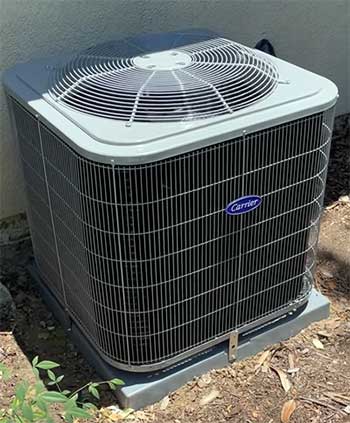
- Variable-speed compressors that ramp up and down gradually instead of cycling on and off, leading to stable indoor temperatures and superior humidity removal during muggy summers.
- Advanced sound-reduction technology including special fan designs and compressor blankets that keep outdoor noise minimal even at higher capacities.
- High-efficiency coils and components engineered for top SEER2 performance, which directly impacts monthly utility statements in regions with expensive power.
- Smart thermostat compatibility and Infinity control systems that let you monitor and adjust settings from your phone, including energy usage reports and maintenance reminders.
- Robust WeatherArmor or similar cabinet protections that fight rust, hail, and debris for better longevity in challenging outdoor environments.
- Two-stage and fully modulating heating and cooling options that adapt to weather changes for consistent comfort without hot or cold spots.
- Integration possibilities with whole-house air cleaners, humidifiers, and zoning dampers that create customized climate zones in larger homes.
- Decades of engineering refinements that show in details like quieter startup sequences and reliable defrost cycles on heat pumps.
- Diagnostic tools built into premium models that help technicians identify issues faster during service calls.
These features combine to create an experience focused on refined comfort rather than just delivering basic air conditioning or heat.
Pros of Choosing Carrier
From my analysis and conversations with actual users, Carrier offers these compelling advantages that often sway decisions toward it.
- Noticeable long-term energy savings thanks to superior efficiency ratings that compound over 15-20 years of service.
- Extremely low operating noise that enhances quality of life, especially for light sleepers or homes with outdoor living spaces.
- Excellent temperature and humidity control that reduces stuffiness and improves perceived air quality during peak seasons.
- Strong reputation for consistent performance built over more than a hundred years in the industry.
- Widespread technician familiarity, which can mean faster response times when service is needed.
- Modern appearance and durable finishes that maintain curb appeal for years.
- Seamless smart home integration that fits lifestyles relying on apps and automation.
- Reliable operation in demanding climates where temperature swings challenge lesser systems.
- Potential for better indoor air quality when paired with Carrier’s filtration accessories.
- Higher resale value contribution for homes equipped with premium HVAC branding.
I see these strengths making Carrier feel like a premium upgrade that delivers daily satisfaction.
Cons of Choosing Carrier
I stay realistic about limitations I have observed or heard about with Carrier systems.
- Significantly higher purchase price that can push total project costs well beyond initial budgets for many families.
- Replacement parts that sometimes carry premium pricing even after the warranty period ends.
- Installation complexity in advanced models that may require certified technicians and raise labor expenses.
- Features that exceed needs for smaller homes, mild weather areas, or occasional-use vacation properties.
- Longer time required to recover the extra upfront investment through energy savings alone.
- Perception of paying for brand name in addition to tangible performance gains.
- Potential for higher service call costs due to specialized components.
- Over-engineering that might feel unnecessary if your primary goal is straightforward reliability.
Understanding these helps balance expectations before committing.
Key Features of Goodman Systems
Goodman catches my attention through its practical, hard-working design philosophy that prioritizes dependability.
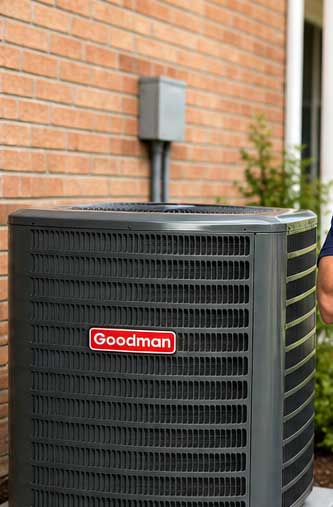
- Heavy-duty louvered cabinet panels that shield evaporator and condenser coils from leaves, grass, hail, and other outdoor hazards.
- Lifetime compressor warranties on qualifying models that transfer or provide strong protection against the most expensive failures.
- Respectable SEER2 efficiency levels in the 16 to 24 range that deliver meaningful bill reductions compared to older units.
- Proven single-stage and two-stage compressor options that offer dependable cooling and heating cycles without fancy electronics.
- Broad contractor availability and use of industry-standard parts that simplify repairs and replacements.
- Solid construction with galvanized steel and protective coatings that resist corrosion in normal conditions.
- Straightforward controls and interfaces that avoid unnecessary complexity while maintaining core performance.
- Strong pairing options with Goodman furnaces and air handlers for complete system compatibility.
- Focus on high-volume production that keeps quality consistent and pricing competitive.
- Protective measures like factory-installed filters and robust fan motors built for everyday demands.
These attributes create systems that perform reliably without demanding constant attention or premium budgets.
Pros of Choosing Goodman
In my experience reviewing options and user feedback, Goodman delivers these practical benefits that resonate with value-focused buyers.
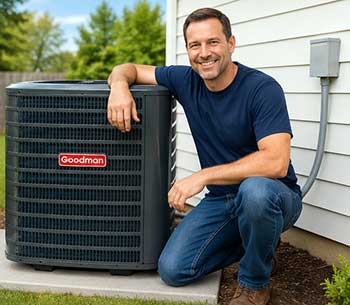
- Lower overall installed costs that make quality HVAC accessible without stretching finances too far.
- Impressive warranty terms, particularly the lifetime coverage on compressors, which reduces worry about major repairs.
- Reliable performance that meets cooling and heating needs effectively in most average homes.
- Easy access to service and parts because of widespread adoption by contractors nationwide.
- Balanced efficiency that provides good savings on utilities relative to the purchase price.
- Durable build quality that stands up to regular use when installed according to manufacturer guidelines.
- Versatility across different home sizes, from small ranches to larger two-story houses.
- High performance-per-dollar ratio that leaves budget room for other home improvements.
- Straightforward maintenance routines that most homeowners can manage with basic care.
- Positive track record in various climates when properly sized and installed.
These advantages make Goodman a frequent recommendation when practicality drives the decision.
Cons of Goodman
I also highlight areas where Goodman shows room for improvement based on observed patterns.
- Higher noise levels during operation that some notice more than with premium competitors.
- Limited availability of true variable-speed or modulating technology in entry and mid-tier lines.
- Efficiency ratings that trail behind Carrier’s flagship models in maximum energy savings potential.
- More basic exterior styling and control interfaces that lack a high-end appearance.
- Dependence on excellent installation quality to reach full expected service life.
- Fewer built-in smart features or automation options compared to premium brands.
- Occasional perception of being a budget option even though performance remains solid.
- Potentially faster wear on components in very harsh environments without diligent maintenance.
Addressing these through careful contractor selection helps mitigate concerns.
Also Read: Differences Between Airquest And Goodman Heat Pumps.
Efficiency and Operating Costs: What I Have Learned
I always encourage looking past the initial price to understand full ownership expenses. Carrier’s advanced models can reduce electricity consumption noticeably, which adds up in areas with long cooling seasons or high rates.
For example, moving from an older 10-SEER unit to a Carrier 20+ SEER model might save $200-$400 yearly depending on usage. Goodman models in the 16-19 SEER2 range still cut bills substantially compared to outdated systems while keeping acquisition costs lower.
I recommend using online calculators or contractor-provided estimates tailored to your home’s square footage, insulation levels, window exposure, and local climate data. In shorter ownership periods of five to ten years, Goodman’s savings upfront often prove more impactful.
For longer stays, Carrier’s efficiency edge gains strength.
- Reliability and Longevity From Real Experiences
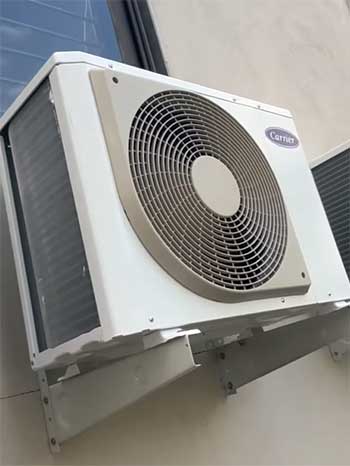
Both manufacturers produce reliable equipment when conditions align.
Carrier benefits from extensive research and development that shows in smooth performance over time.
Goodman earns loyalty through simple designs that have fewer parts prone to failure.
Many Goodman owners report 15-20 years of service with regular tune-ups, while Carrier systems frequently match or exceed that in well-maintained homes.
I have found that the single biggest factor remains proper sizing, quality installation, and scheduled maintenance rather than brand alone.
Always request load calculations and references from installers.
- Installation Considerations and Total Ownership Costs
Installation quality affects everything from efficiency to noise to lifespan. Carrier’s sophisticated systems sometimes involve more programming and testing, which can increase labor. Goodman installations tend to move faster with standard procedures.
Consider total costs including potential repairs after warranty, filter changes, annual inspections, and energy bills. A Goodman system might save $2,000-$5,000 initially, money you could invest elsewhere.
Carrier might justify its price through superior comfort and lower ongoing expenses. Get at least three detailed quotes that break down equipment, labor, and accessories.
Which One Should You Choose?
I believe your decision should flow from honest self-assessment. If you value maximum quietness, top efficiency, and advanced controls and plan to stay in your home long-term, I often lean toward Carrier.
When strong warranties, lower costs, and dependable basics matter most, Goodman frequently becomes the smarter practical choice.
Factor in your local climate, home layout, energy prices, and personal comfort priorities. Speak with multiple qualified contractors, ask for demonstrations, and request references from recent installations of each brand.
You deserve a system that delivers consistent comfort without ongoing frustration or surprise expenses.
Also Read: Differences Between ACiQ And Goodman AC Systems.
Frequently Asked Questions (FAQ)
Yes, Carrier systems generally cost more upfront, often $1,000 to $4,000+ higher for comparable capacity, reflecting premium features and branding.
Carrier frequently ranks high in trust due to its long history and innovation, though trust also depends on local installer reputation and personal experiences.
It is a guideline where you multiply the age of your AC unit (in years) by the repair cost. If the result exceeds $5,000, replacement is usually more cost-effective than repair.
Goodman ranks among the more affordable reputable brands, offering strong value, though some budget options exist that may compromise on quality or support.
Wrapping Up
In conclusion, I have laid out the detailed comparison between Goodman and Carrier based on features, real performance aspects, costs, and ownership realities so you can move forward with clarity.
Both brands bring proven strengths to the table, and the right selection comes down to aligning their capabilities with your specific situation and priorities. Take your time reviewing quotes, visiting showrooms if possible, and discussing options with trusted professionals.
You will end up with reliable heating and cooling that supports your home comfortably for many years ahead. I hope this analysis gives you the insights needed to choose confidently and enjoy better indoor comfort.