
I spent months researching, reading real user stories, comparing specs side by side, and imagining how each machine would fit into my busy household laundry routine before narrowing it down between GE and Samsung washers.
If you are standing in that same crossroads, tired of endless online reviews and sales pitches, this article shares a practical, firsthand perspective. I focus on what truly matters for daily use—cleaning power, reliability, ease of maintenance, and long-term satisfaction—so you can choose confidently and skip the regret later.
| Feature | GE Washers | Samsung Washers |
| Capacity | 4.8 – 5.5 cu ft | 4.5 – 5.3+ cu ft |
| Key Tech | UltraFresh Vent, SmartDispense | AI OptiWash, Super Speed |
| Cycles/Options | ~12 cycles, solid basics | 20+, AI-powered customization |
| Odor/Mold Control | Excellent (vent system) | Good (Self Clean+) |
| Cleaning Speed | Standard, thorough | Faster options (30-min cycles) |
| Reliability/Service | Stronger service network | Competitive, more tech issues |
| Smart Features | WiFi + app | Advanced AI + SmartThings |
| Best For | Long-term reliability, low maintenance | Tech lovers, fast washes |
Key Differences Between GE And Samsung Washers
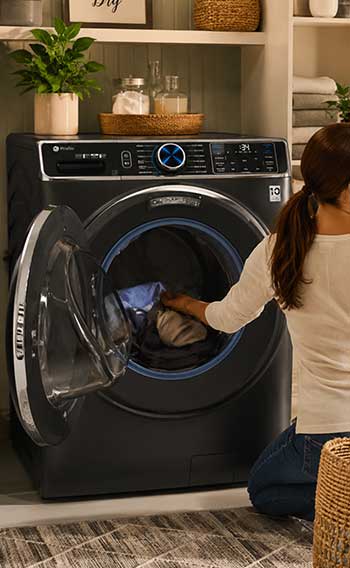
- Build Quality and Design Approach: GE emphasizes straightforward, problem-solving engineering that targets everyday frustrations like lingering odors and messy detergent use. Their machines feel built for the long haul with practical touches. Samsung leans into futuristic innovation, packing in sensors, apps, and rapid cycles that appeal to users who want laundry done yesterday.
- Cleaning Performance and Fabric Care: Both deliver clean results, yet Samsung often takes the lead on stubborn stains thanks to steam bursts and high-pressure jets that penetrate deep into fibers. GE provides very consistent, thorough cleaning across all load sizes without needing constant adjustments, making it feel more set-it-and-forget-it.
- Noise Levels and Vibration Control: Samsung includes advanced Vibration Reduction Technology that keeps things remarkably steady, which proves especially useful in apartments or rooms above living spaces. GE models run quietly when balanced correctly, though some users note minor thumping with uneven loads that requires occasional manual help.
- Energy Efficiency and Resource Use: Ratings sit close for both brands, but GE sometimes edges ahead in real-world water savings through smart sensing. Samsung’s faster cycles can reduce overall energy per load when you use the quick modes regularly.
- Longevity and Real-World Durability: GE generally earns praise for easier access to service technicians and parts availability across more regions. Samsung offers strong initial performance but sees more mixed feedback once the warranty period ends.
- Installation Flexibility and Space Considerations: GE provides reversible doors on many front-load models, simplifying placement in tight or awkward laundry rooms. Samsung focuses more on sleek aesthetics and stackable configurations that look premium in modern homes.
- Maintenance Requirements: GE builds in proactive features that reduce hands-on work over time. Samsung relies more on user-initiated cleaning cycles and careful monitoring of smart dispensers.
- Price-to-Value Ratio: Samsung often carries a premium feel due to its technology suite, while GE frequently delivers comparable or better everyday performance at a more approachable long-term cost.
Key Features of GE Washers
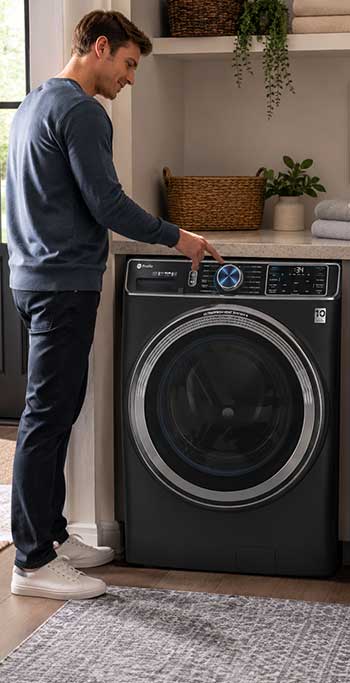
- UltraFresh Vent System with OdorBlock Technology: This remains one of the strongest reasons many people choose GE. Once the cycle finishes, the system actively circulates fresh air through the drum and door seal area to evaporate leftover moisture. You avoid that common front-loader musty smell even if you sometimes forget to leave the door cracked open for hours.
- SmartDispense Automatic Detergent System: The reservoir holds enough for dozens of loads and releases precisely the right amount based on load size and soil level. This eliminates guesswork, cuts down on waste, prevents residue on clothes, and saves money month after month.
- Microban Antimicrobial Protection: Applied to key high-touch and moisture-prone areas, it continuously fights the growth of bacteria and odor-causing microbes, keeping the machine fresher between deep cleans.
- Reversible Door Design: A small but incredibly practical detail. You can switch which way the door swings during installation, making it far easier to adapt the washer to your room layout or dryer position.
- Steam and Sanitize Options: These cycles use heated steam to loosen deep stains and eliminate allergens, bacteria, and dust mites—ideal for families with young kids, allergy sufferers, or anyone handling workout gear and bedding.
- WiFi Connectivity Through the SmartHQ App: Check cycle status from your phone, receive end-of-cycle alerts, download additional specialty cycles, and even troubleshoot minor issues remotely without calling for service right away.
- Adaptive Load Sensing and Power Agitator or Impeller Options: Depending on whether you pick top-load or front-load, the machine automatically adjusts water levels, agitation intensity, and spin times for optimal results while being gentle on fabrics.
- High Spin Speeds with Good Extraction: Removes more water from clothes so your dryer works less, shortening total laundry time and lowering energy bills.
- Sanitary Rinse and Extra Rinse Features: Extra flexibility for people who need thorough removal of detergent or who wash items like cloth diapers and sensitive baby clothes.
These elements combine to create washers that feel thoughtfully designed around real household needs rather than just adding flashy specifications.
Pros of GE Washers
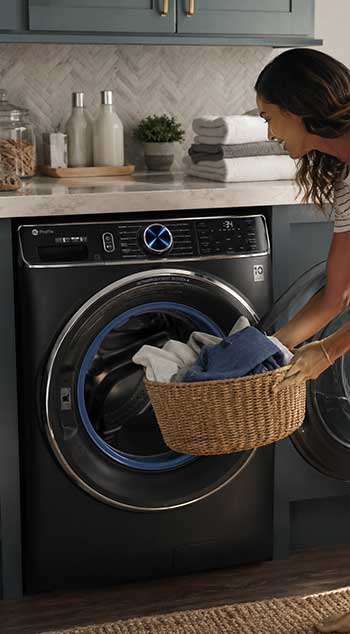
- Strong nationwide service network means you can usually find a technician faster when repairs become necessary after several years of use.
- Exceptional built-in odor and mold prevention keeps the interior smelling clean for much longer than average front-loaders.
- Automatic detergent and softener dispensing promotes consistent results and reduces the chance of overdosing or spills.
- Reliable performance across a wide range of load types, from daily clothes to heavy comforters and towels.
- Good overall energy and water efficiency that holds up well in independent testing.
- Flexible installation options thanks to reversible doors and multiple configuration possibilities.
- Effective sanitization cycles that provide peace of mind for health-conscious households.
- Straightforward controls that do not overwhelm you with too many menus and options.
- Generally lower long-term ownership costs when factoring in maintenance and repairs.
- Quiet enough operation during normal use, especially in basement or dedicated laundry rooms.
- Solid reputation for handling hard water areas with fewer scaling complaints when basic care is followed.
- Helpful delay-start and timed features that let you schedule washes around your work or sleep routine.
I find these strengths make GE washers particularly appealing for people who simply want laundry to get done reliably without turning into a part-time hobby of machine maintenance.
Cons of GE Washers
- More limited number of specialized cycles compared to Samsung, which might disappoint users who enjoy customizing every single load for different fabric types.
- Occasional need to pause and redistribute heavy or uneven loads to prevent balance errors during high-speed spins.
- Some reports of electronic control board issues appearing after two to four years of heavy daily use.
- Spin speeds are strong but do not always match the absolute quickest times offered by competitors in rapid-wash modes.
- Exterior styling tends toward functional and classic rather than ultra-modern or minimalist looks.
- Quick-wash cycles take longer than Samsung’s Super Speed equivalents when you are in a real hurry.
- Certain advanced smart home integrations and voice assistant features lag slightly behind the most cutting-edge competition.
- Heavier cabinet designs on some larger capacity models require two people or careful planning during delivery and setup.
- Potential for transmission or drum bearing noise in certain older top-load configurations, although newer models improved significantly.
- Higher-end Profile series can approach premium pricing that narrows the value gap with Samsung.
Key Features of Samsung Washers
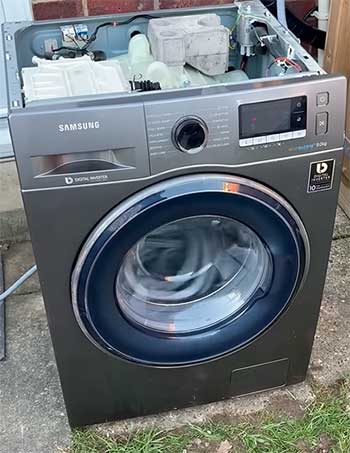
- AI OptiWash and Fabric Sensor Technology: The machine automatically detects soil level, fabric type, and weight, then adjusts water, time, and detergent use for better outcomes with minimal input from you.
- Super Speed Wash Technology: Certain models complete full loads in as little as 30 minutes, dramatically cutting down your total laundry day when time is tight.
- Flex Auto Dispense System: Separate compartments for detergent, fabric softener, and even bleach or stain removers that release at the optimal moments during the cycle.
- Powerful Steam Wash and Deep Clean Cycles: Steam helps dissolve tough set-in stains like grass, grease, or blood while also providing sanitizing benefits that reach inside fibers.
- Vibration Reduction Technology Plus: Multiple layers of dampening and balancing systems keep the washer remarkably stable and quiet even at maximum spin speeds.
- Self Clean+ Drum Cleaning Cycle: Runs a maintenance routine with heat and water to remove residue and odors, reminding you when it is time.
- Bespoke Design Options and Large Viewing Windows: Modern color choices and large doors let you watch the action while adding a stylish touch to your laundry space.
- SmartThings App with Advanced Integration: Full remote control, cycle optimization suggestions based on your habits, energy monitoring, and compatibility with other smart home devices.
- High-Efficiency Impellers or Agitators: Depending on the model, they provide strong yet gentle cleaning action that handles delicate items alongside sturdy jeans and towels.
Samsung clearly targets users who appreciate technology making chores faster and more intuitive.
Also Read: My Experience With Speed Queen TR7 Washer.
Pros of Samsung Washers
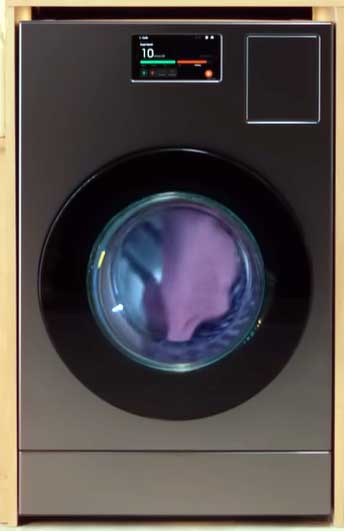
- Lightning-fast wash options that genuinely save hours over a busy week.
- Intelligent AI features that learn your preferences and reduce the guesswork in selecting cycles.
- Superior stain removal capabilities thanks to combination steam, jets, and tumble patterns.
- Eye-catching modern aesthetics that blend nicely into contemporary or open-concept homes.
- Excellent vibration and noise control suitable for upstairs installations or shared walls.
- Extensive cycle library covering everything from activewear to bulky bedding and delicates.
- Strong energy efficiency ratings paired with powerful performance results.
- Convenient all-in-one washer-dryer combo models for small spaces.
- Intuitive touch interfaces and voice control compatibility.
- Effective handling of mixed large loads without sacrificing cleanliness.
- Regular software updates through the app that can add new features over time.
- Good customer support response for smart feature troubleshooting.
Cons of Samsung Washers
- Service availability and authorized technician density can vary significantly by geographic region.
- Occasional reports of drain pump or hose issues developing after extended use.
- Complex electronic systems sometimes lead to higher chances of control panel or sensor failures.
- Repair costs tend to run higher once the standard warranty expires.
- Odor prevention is decent but requires more consistent user maintenance than GE’s active vent approach.
- Potential for detergent residue if the automatic dispenser is not cleaned periodically.
- Mixed long-term reliability stories compared to more traditional brands.
- Steeper learning curve when first exploring all the smart settings and app functions.
- Risk of louder operation if loads become significantly unbalanced during spin.
- Higher initial purchase price driven by the advanced technology suite.
My Experience Perspective
Living with either brand means thinking about your actual lifestyle. If your household generates steady piles of laundry and you value a machine that stays fresh with minimal effort, GE feels like the steady, low-drama choice I would lean toward for peace of mind.
On the other hand, if you frequently need quick turnarounds, enjoy tech that anticipates your needs, and want impressive cleaning on tough messes, Samsung brings noticeable excitement and time savings to the task.
Both manufacturers produce quality front-load and top-load models worth considering. I recommend visiting showrooms to open doors, turn dials, and visualize daily interaction.
Pay attention to your water quality, available space, noise tolerance, and how important app connectivity truly is for you. An extended warranty often makes sense given the investment level of modern washers.
Also Read: Comparison of Speed Queen TR5 And TC5 Washers.
Frequently Asked Questions (FAQ)
It depends on your priorities. GE often wins for reliability and odor control, while Samsung excels in speed and smart features. Neither is universally superior.
GE generally edges out in service support and long-term ownership for many users, though Whirlpool and others compete closely. Always check recent model reviews.
Balance issues during spin cycles and occasional electronic control problems top the list, though maintenance helps.
Yes, especially with their service network and innovations like UltraFresh. Many users report years of solid performance with proper care.
Final Thoughts
In the end, I want you to feel confident walking into the store or clicking buy. Think about your daily laundry reality—what frustrates you most now, and which features solve that.
If reliability and freshness matter above all, go GE. If you crave faster cycles and AI smarts, Samsung delivers.
Either way, measure your space, read recent reviews for the exact model, and consider an extended warranty for extra peace of mind. Your future self will thank you for choosing thoughtfully.