
I have spent weeks comparing washers because my old one finally gave out after years of family chaos— muddy clothes, sports gear, endless towels. I needed something reliable that handles real life without constant headaches.
In this article, I break down GE versus Maytag washers head-to-head based on features I tested in stores, user experiences I relate to, performance in everyday loads, and what actually matters when you bring one home.
You will walk away knowing exactly which brand fits your household.
| Feature | GE Washers | Maytag Washers |
| Best For | Tech lovers, odor prevention | Heavy-duty cleaning, large families |
| Capacity | Up to 5.1 cu ft | Up to 5.0+ cu ft |
| Key Standout Feature | UltraFresh Vent + OdorBlock | Extra Power button |
| Reliability (Service Data) | Often lower service rates | Strong build, good warranties |
| Smart Features | WiFi, app control, SmartDispense | Basic smart options on some models |
| Energy Efficiency | Excellent, especially front-load | Solid, with deep water options |
| Price Range | Mid to premium | Often more value-oriented |
| Warranty Highlights | 1-year, strong on motors | 10-year limited on key parts |
| Common Strength | Mold prevention, quiet operation | Tough on stains, durable drum |
Key Differences Between GE And Maytag Washers
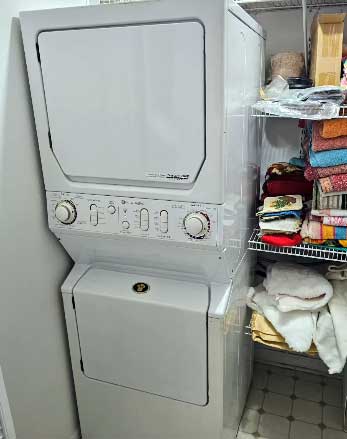
- Build Philosophy: GE pushes innovation and modern convenience. You get sensors that adjust cycles automatically, app notifications, and systems designed to keep the machine fresh. Maytag focuses on commercial-grade toughness. These machines feel like they can take a beating from big families or work clothes covered in dirt.
- Cleaning Approach: GE relies on smart technology and precise water management for thorough yet gentle cleans. Maytag hits stains hard with the Extra Power feature that adds intense pre-wash and agitation no matter the cycle you pick.
- User Interface and Controls: GE models often feel sleeker with touch controls and digital displays that integrate with your phone. Maytag keeps things straightforward with dials and buttons that even guests can figure out quickly.
- Noise and Vibration: Both have improved, but GE’s dynamic balancing and noise reduction tech usually win in quieter laundry rooms. Maytag holds up well but can rumble more on unbalanced heavy loads.
- Maintenance Needs: GE shines with built-in features that fight mold and odors. Maytag emphasizes simple, robust parts that last but may require occasional manual cleaning like any washer.
- Water Usage and Efficiency: GE front-loaders typically excel here with excellent ratings. Maytag offers deep fill options for those who want more water on certain loads, which some users prefer for rinsing.
Key Features of GE Washers
I have always appreciated how GE focuses on solving everyday laundry frustrations with smart, practical technology. Their washers do not just clean clothes—they work to keep the machine itself fresh and make your routine smoother.
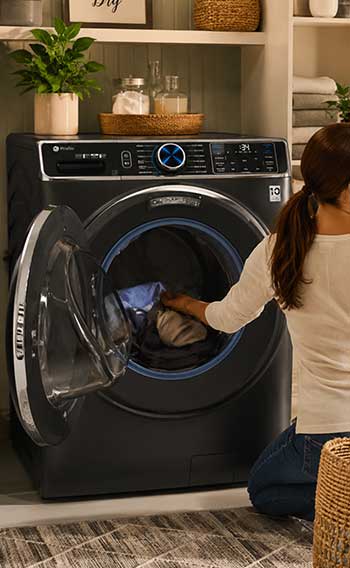
- UltraFresh Vent System with OdorBlock: This stands out as one of the best innovations. After a cycle ends, it actively vents moisture and draws in fresh air while using antimicrobial protection. The drum, gasket, and even the door stay drier longer, which means far less chance of that dreaded musty smell that plagues many front-loaders. I have seen users rave about finally keeping the door closed without worrying about odors building up.
- SmartDispense Technology: You fill a large reservoir with liquid detergent once and it automatically releases the perfect amount for each load based on size and soil level. No more guessing or wasting product. Some models handle multiple loads before you refill, which saves time when life gets hectic.
- Large Capacities and Flexible Designs: Models reach up to 5.1 or even 5.5 cubic feet, easily handling king-size comforters, bulky towels, or a week’s worth of family clothes in one go. You will find both top-load and front-load options, including stackable units for tighter spaces.
- WiFi Connectivity and SmartHQ App: Control the washer from your phone—start a cycle remotely, get notifications when it finishes, or troubleshoot issues. You can customize cycles and even integrate voice commands in some setups. It feels like having an extra hand on busy days.
- Microban Antimicrobial Technology: Built into key surfaces like the gasket and dispenser to resist bacteria and mold growth. Combined with steam cycles and sanitize options using Oxi, it tackles allergens and bacteria effectively for baby clothes, gym gear, or bedding.
- Advanced Wash Systems: Dual-action agitators or precise impellers in top-load models, plus sensor-driven cycles that adjust water, time, and agitation automatically. Quick wash and time-saver options get lightly soiled loads done fast without sacrificing results.
- Energy Efficiency and Water Management: Many GE models earn strong ENERGY STAR ratings. Front-loaders especially excel at using less water while delivering powerful cleans through tumbling action and precise temperature control.
- Additional Conveniences: Interior lighting, reversible doors on some models, steam for better stain release and wrinkle reduction, and one-step wash-dry combos in select Profile series units. These small touches add up when you use the machine daily.
These features make GE washers feel thoughtful and modern. They suit households that want technology to simplify chores rather than add complexity.
Pros of GE Washers
GE shines when you value innovation and convenience alongside solid cleaning. Here is why many users, including those I relate to with active families, lean toward them:
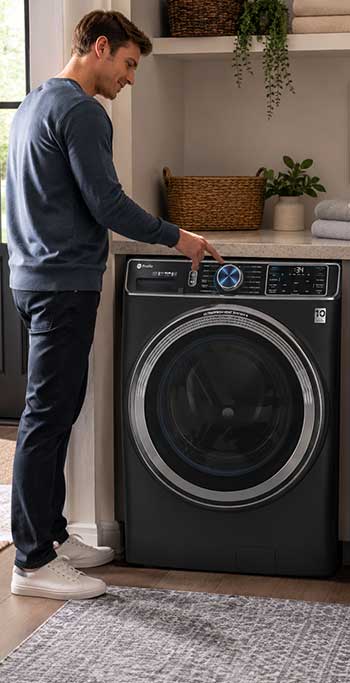
- Exceptional odor and mold prevention through the UltraFresh system and Microban. This solves one of the biggest long-term complaints about front-load washers, keeping your laundry room smelling clean.
- Strong energy and water efficiency, particularly in front-load models, which helps lower utility bills over time without compromising performance.
- Smart features that genuinely add value. The app and auto-dispense reduce daily hassle, perfect for parents, professionals, or anyone juggling multiple responsibilities.
- Quiet operation in many models thanks to advanced balancing and noise-reduction tech. You can run loads at night or during calls without major disturbance.
- Gentle yet effective cleaning that protects fabrics while removing dirt. Sensors adapt to each load, so delicates stay intact and heavy items get thorough attention.
- Sleek, modern aesthetics that look premium in updated laundry spaces. Multiple color options beyond basic white help them blend nicely.
- Good motor warranties and improving reliability data. Recent service rates for certain GE lines appear competitive, giving confidence for the long haul.
- Versatile cycle options including sanitize, allergen, and quick cycles that handle everything from everyday loads to special needs like pet hair or sports equipment.
- Innovative extras like reversible doors and built-in lighting make loading and unloading easier, especially in dimmer spaces.
Overall, GE delivers a polished experience that feels forward-thinking and user-friendly.
Cons of GE Washers
No machine is perfect, and GE has areas where it may not suit everyone:
- Higher price point on feature-rich models. If you load up on smart tech and UltraFresh, you might pay more upfront compared to basic Maytag equivalents.
- Potential for electronic issues. More complex controls and sensors can occasionally lead to glitches, error codes, or repair needs that feel frustrating if you prefer purely mechanical simplicity.
- Front-load maintenance still requires attention. Even with great venting, you need to wipe the gasket occasionally and run cleaning cycles to keep everything optimal.
- App dependency on some features. Certain customizations or delayed starts might push you toward using the phone app, which bothers users who want everything accessible on the dial.
- Occasional balancing or noise complaints with uneven loads, though this improves in newer models. Heavy or mixed loads sometimes need redistribution.
- Parts and service can vary by location. While GE has good support, availability sometimes lags behind more widespread traditional brands in remote areas.
- Learning curve for full features. New users might take time to master all the smart options and optimal settings for best results.
These drawbacks matter less if you embrace the tech, but they can feel significant if you want straightforward, no-fuss operation.
Key Features of Maytag Washers
Maytag builds washers with a tough, no-nonsense attitude. They prioritize power and durability for households that generate serious laundry.
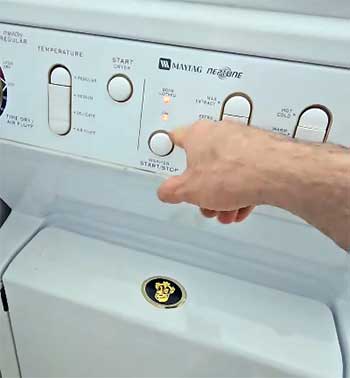
- Extra Power Button: One of my favorite practical features. Tap it on any cycle to add boosted agitation, extended pre-soak, and more intense cleaning for stains. It turns a standard wash into a heavy-duty one without guessing cycle settings.
- Powerful Agitators and Impellers: Many top-load models feature robust dual-action or Power agitators that deliver strong 360-degree cleaning. They tackle embedded dirt in work clothes, sports uniforms, and kid messes effectively.
- Deep Water Wash and Rinse Options: You get the satisfying full-tub traditional feel when you want it. This helps with better rinsing, especially for towels or heavily soiled items that need extra water.
- Optimal Dose Dispenser: Automatically releases detergent, fabric softener, and boosters at the right moments. Some models include built-in water faucets for pre-treating stains directly in the drum—super convenient.
- Durable Construction: Stainless steel drums built to resist chips and damage. Commercial-inspired builds handle large, unbalanced loads without excessive vibration in many cases.
- Steam-Enhanced Cycles: Steam penetrates fabrics for deeper cleaning, helps loosen stains, and reduces wrinkles so clothes come out looking better.
- Fresh Hold Options: Keeps clothes tumbling intermittently with fresh air if you cannot unload right away, preventing sour smells for hours.
- Pet Pro and Specialized Features: Filters or cycles designed for pet hair removal make these great for animal households. Strong warranties, often 10-year limited on motors and key components, back the toughness.
- Straightforward Controls: Dials and clear buttons that anyone can use. No steep learning curve, even for guests or older family members.
Maytag feels like a workhorse ready for real-life demands.
Also Read: My Experience With LG TurboWash 360.
Pros of Maytag Washers
Maytag earns loyalty through raw performance and dependability:
- Outstanding stain removal and cleaning power, especially on tough soils. The Extra Power feature and strong agitation deliver visible results on grass, grease, or food stains.
- Built-to-last durability. Robust parts and solid construction stand up to years of heavy family use, with many users reporting machines that keep going strong.
- Excellent value for performance. You often get more cleaning muscle and capacity for the money compared to tech-heavy competitors.
- Intuitive, reliable controls that prioritize function over flash. Easy for every member of the household.
- Generous warranties on motors and drums that provide real peace of mind.
- Handles bulky and heavy loads well. Large drums and powerful motors manage comforters, blankets, and full family baskets without strain.
- Deep water options that some people prefer for superior rinsing and cleaning traditional feel.
- Consistent results across different load types. It performs reliably whether you wash delicates or dirty jeans.
- Practical extras like pre-treat faucets and Pet Pro capabilities that solve specific household challenges.
Maytag gives confidence that the machine will handle whatever your family throws at it.
Cons of Maytag Washers
Maytag has trade-offs, especially if you crave modern conveniences:
- Fewer smart features and app integrations. Basic connectivity on some models, but nothing as seamless as GE’s SmartHQ ecosystem.
- Potentially higher water and energy use when you select deep fill options frequently, though efficient cycles exist.
- Louder operation during spin cycles in some units, particularly with unbalanced loads. Not ideal for quiet homes or apartments.
- Less focus on advanced odor prevention. You may still need to leave doors open or run cleaning cycles more diligently on front-load models.
- Designs lean more functional than stylish. They get the job done but might not match sleek modern laundry rooms as well.
- Occasional reports of bearing or drain issues over time, though robust builds often mitigate severity.
- Heavier and sometimes bulkier feel, which can make installation trickier in tight spaces.
Weighing these points helps you decide if Maytag’s power-focused approach matches your priorities better than GE’s tech emphasis.
My Experience And Analytical Take
After looking at both brands closely, I see GE winning for households that value convenience, modern tech, and staying ahead of mold issues. The UltraFresh system genuinely addresses a pain point many front-loader owners face. You get more “set it and forget it” ease with smart features that fit busy schedules.
Maytag stands out when you need raw power and toughness. If your family generates serious dirt or you prefer simpler machines that prioritize cleaning muscle and longevity, Maytag delivers confidence. Their Extra Power feature turns good cleaning into outstanding results on stains.
Both brands offer solid top-load and front-load options. Front-loaders from either save space and resources but need more maintenance awareness. Top-loaders give easier access and often faster cycles for everyday use.
Consider your space, laundry habits, and what frustrates you most with your current machine. Test cycles in a store if possible—feel the drum, try the controls, and imagine daily use.
Also Read: My Experience With Roper Washing Machine.
Frequently Asked Questions (FAQ)
It depends on you. GE edges out for innovation, smart features, and odor control. Maytag often feels better for heavy-duty cleaning power and straightforward durability. Choose based on whether you want tech or toughness.
LG frequently leads reliability surveys, with Speed Queen strong for commercial-style builds. Between GE and Maytag, GE has shown lower service rates in some recent front-load data, while Maytag excels in long-term heavy use perception.
Issues like not starting, leaking, or not spinning properly appear often. These usually tie to water inlet valves, drainage, or electronic controls. Proper maintenance helps a lot.
Drain or spin problems, along with occasional loud noises from bearings or pumps. Overloading or unbalanced loads can trigger them, but the robust build often keeps issues manageable.
Wrapping It Up
I have laid out the strengths, weaknesses, and real differences so you can decide with confidence. GE brings smart, fresh-keeping innovation that makes laundry less of a chore. Maytag delivers the muscle and dependability for demanding households.
Think about your daily routine—what loads you wash most, how much tech you want, and your budget. Visit showrooms, read recent model reviews, and picture the machine in your space.
Whichever you pick, both GE and Maytag give you capable performers when you match the right model to your needs. You have got this—your next washer can make laundry days noticeably better. What matters most to you in a washer?
Drop your thoughts below if this helped you narrow it down.