
I’ve spent weeks wearing both the Garmin Vivosmart 5 and Fitbit Charge 6 side by side during my regular walks, runs, gym sessions, and even a few travel days to see how they actually perform for someone who just wants straightforward tracking without constant phone fiddling.
If you’re standing at the crossroads trying to decide which band deserves your wrist time and money, this breakdown gives you the practical details you need. I focus on real daily use so you can match the right one to how you live and move.
Here’s a clear side-by-side look at the core specs before we get into the details.
| Feature | Garmin Vivosmart 5 | Fitbit Charge 6 |
| Display | 0.84-inch monochrome OLED, touch + button | 1.04-inch color AMOLED, touch + button, always-on option |
| Battery Life (claimed) | Up to 7 days | Up to 7 days (gesture mode); drops to ~2 days with always-on + GPS |
| Built-in GPS | No (phone connected only) | Yes |
| Weight | Lighter (~26.5 g) | ~37.6 g |
| Water Resistance | 5 ATM, swimproof | 5 ATM / IP68, swimproof |
| ECG | No | Yes |
| NFC / Payments | No | Yes (Google Wallet) |
| Smart Alarm | No | Yes |
| Key Recovery Tool | Body Battery (free) | Sleep score + readiness (Premium for full depth) |
| App | Garmin Connect – deep, no paywall on basics | Fitbit app – clean, many extras behind paywall |
Key Differences Between Garmin Vivosmart 5 and Fitbit Charge 6
I noticed right away that these two bands target slightly different daily rhythms even though both promise week-long battery and solid health tracking.
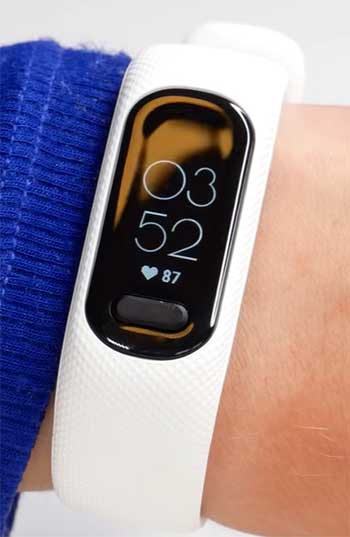
- Display and Interaction: The Vivosmart 5 gives you a bigger monochrome screen than older Garmin bands, but it stays black-and-white with no always-on mode. I had to tap or flick my wrist every time I wanted a quick glance at steps or heart rate, and longer notifications sometimes felt squeezed. The physical button helped when my hands were wet or gloved, yet the lack of color made charts and icons less intuitive at a glance. The Charge 6 flips this with its larger, vivid color AMOLED that stays readable even in bright sun. Enabling always-on let me see my stats without any motion, which felt more natural during desk work or driving. You trade some battery for that convenience, but the pop of color and bigger text made checking pace or sleep score genuinely faster and more enjoyable in my routine.
- GPS and Outdoor Tracking: This stands out as one of the biggest practical gaps. The Vivosmart 5 relies on your phone’s GPS, so I had to keep my phone nearby for accurate run or hike data. On days I left the phone at home or in the car, tracking became basic step counting only. The Charge 6 carries its own GPS chip, letting me head out for a trail run or bike ride with just the band and still get pace, distance, and route details on the wrist. During one long walk without my phone, the built-in GPS kept everything smooth and accurate while the Vivosmart 5 would have needed a connection. If your workouts often happen phone-free, this single difference can change how useful the band feels day to day.
- Health Metrics and Recovery Tools: Both track heart rate continuously and add SpO2, yet they turn the numbers into advice differently. Garmin’s Body Battery combines sleep, stress from HRV, and activity into one easy-to-read energy score that I checked every morning to decide whether to push hard or take it easy. It felt like having a personal coach telling me my actual readiness without extra subscriptions. The Charge 6 delivers strong sleep stages and a sleep score, plus skin temperature trends and an ECG app for heart rhythm checks. However, many deeper insights like detailed readiness or stress history sit behind Fitbit Premium. In my experience, the Vivosmart 5 gave me more actionable recovery data right out of the box while the Charge 6 leaned more toward sleep quality and medical-style readings.
- Battery Performance in Real Use: Both advertise seven days, and I easily hit that mark with light use on either band. The Vivosmart 5 stayed steady even when I kept heart rate and stress tracking on all day. The Charge 6 matched it in gesture-only mode, but turning on always-on display plus a couple of GPS workouts dropped it closer to four or five days, and heavy GPS days pushed it toward two. Charging both takes roughly two hours via their cradles. You get reliable all-week wear from either, yet the Charge 6 asks you to manage settings more carefully if you want maximum screen time and location tracking together.
- Smart Features and Daily Usability: Notifications, music controls, and weather appear on both, but the Charge 6 adds Google Wallet for tap-to-pay and a smart alarm that wakes you at the best point in your sleep cycle within a set window. I used the smart alarm a few times and appreciated waking up feeling less groggy. The Vivosmart 5 handles basic alerts and calendar reminders cleanly through Garmin Connect, plus incident detection that can message emergency contacts if it senses a hard fall. It lacks payments and the gentle smart wake feature. If quick payments or a kinder morning alarm matter in your routine, the Charge 6 edges ahead; for simple alerts and safety tools without extra apps, the Vivosmart 5 keeps things straightforward.
- Build, Comfort and Design: Both sit light on the wrist and survive swimming or showers without issue. The Vivosmart 5 feels narrower and lighter overall, disappearing under sleeves and feeling barely there during long days or sleep. Swappable bands let you match outfits easily. The Charge 6 runs a bit wider and heavier yet still comfortable for most people, with a smooth silicone band that rarely irritated my skin. The color screen and side button give it a slightly more premium daily look. If you prefer something ultra-discreet that you can forget you’re wearing, the lighter Garmin wins; if you like seeing colorful stats pop up, the Charge 6 feels more modern on the wrist.
- App and Data Presentation: Garmin Connect presents everything in clean graphs and lets you dive into Body Battery trends or training load without paying extra. I liked exporting data or pairing with external sensors via ANT+ when needed. The Fitbit app looks modern and motivational with challenges and simple summaries, yet full sleep insights, stress history, and some readiness scores require a Premium subscription. Both sync reliably to phones, but Garmin gives deeper free metrics while Fitbit feels more polished for casual users who may not mind the optional paid layer.
Key Features of Garmin Vivosmart 5
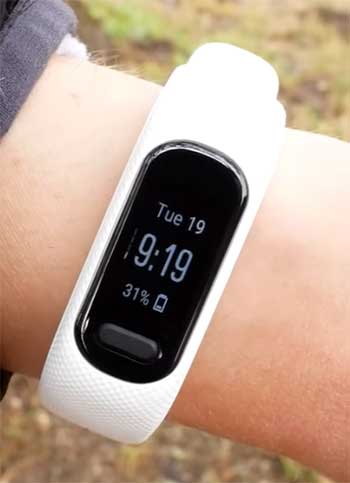
- Body Battery Energy Tracking: This combines your recent sleep, all-day stress from heart-rate variability, and activity levels into a single 0-100 score that updates throughout the day. I checked it first thing in the morning and again after workouts to judge whether my body was ready for another hard effort or needed recovery. It helped me schedule rest days more intelligently than step counts alone ever could.
- Stress and Respiration Monitoring: All-day stress tracking uses HRV to show when your body is under load, while respiration rate adds context during sleep or exercise. The combination gave me early warnings on days I felt off before I consciously noticed fatigue building.
- Wide Range of Activity Profiles: You get built-in modes for running, cycling, swimming, HIIT, yoga, Pilates, breathwork, indoor rowing, and more, with automatic detection for many. I could start a workout with one tap and get sport-specific stats without scrolling through endless menus.
- Incident Detection and Emergency Assistance: If the band senses a hard fall or crash during activity, it can trigger an alert and share your location with emergency contacts you set up in the app. It added peace of mind on solo trail runs even though I never needed it.
- Sleep Tracking with Score: It logs stages, total time, and a sleep score, then folds that data into Body Battery. Pulse Ox readings during sleep help refine the insights without any extra steps on your part.
- Swappable Bands and Simple Controls: The band design lets you swap colors or styles easily, and the mix of touch plus physical button works well even when wet or during movement. Music controls and basic notifications keep you connected without overwhelming the small screen.
Pros of Using the Garmin Vivosmart 5
- Free, Actionable Recovery Insights: Body Battery and stress tracking deliver usable daily guidance without any subscription. I planned workouts and rest days around the numbers and noticed fewer overtraining days as a result.
- Lightweight, Discreet Fit: The narrower, lighter build barely registers on the wrist during sleep or long workdays. Swappable bands let it match whatever I wore without drawing attention.
- Strong All-Day Tracking Accuracy: Heart rate, steps, and respiration stayed consistent in my tests, and the data fed cleanly into Garmin Connect for long-term trends I could actually use.
- Incident Detection for Solo Activities: The safety feature works in the background and can alert contacts automatically. It provided quiet reassurance on early morning or remote runs.
- No Paywall for Core Metrics: Everything from training load ideas to sleep score details stays available in the free app. You get serious depth without monthly fees.
- Reliable Battery with Always-On Tracking: I consistently reached six or seven days even with continuous heart rate and stress monitoring enabled, reducing charging anxiety.
Cons of the Garmin Vivosmart 5
- Small Monochrome Screen Limits Quick Views: Notifications and stats often felt cramped, and I missed color cues that would have made heart rate zones or trends easier to read at a glance.
- No Built-in GPS: Any outdoor activity without the phone nearby loses accurate pace and distance. This became frustrating on spontaneous walks or when I wanted to travel light.
- Basic Smart Features Only: No tap-to-pay or smart alarm means you handle payments and wake times the old-fashioned way. It keeps things simple but misses modern conveniences.
- Display Requires Active Interaction: Without always-on, you tap or raise your arm constantly. In meetings or while driving this extra step grew annoying over time.
- Fewer Lifestyle Integrations: Music controls exist but lack the broader Google ecosystem ties that make daily life smoother on competing bands.
Also Read: Comparison of iTouch And Fitbit Fitness Trackers.
Key Features of Fitbit Charge 6
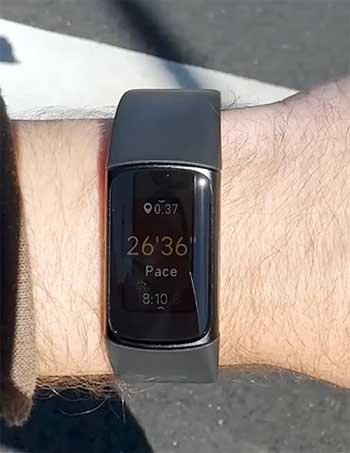
- Built-in GPS for Phone-Free Workouts: Pace, distance, and route data record directly on the band, so you can leave your phone behind on runs or rides and still see accurate splits on your wrist. This changed how I approached outdoor sessions and removed one more thing to carry.
- Color AMOLED Display with Always-On Option: The larger, bright screen shows vibrant stats, graphs, and notifications clearly. I could keep it always visible during work or quickly glance while moving, something the monochrome Garmin never offered as smoothly.
- ECG App and Heart Rhythm Checks: You can take a 30-second ECG reading right on the band to check for signs of atrial fibrillation. It gave me an extra layer of heart health awareness that felt reassuring even on routine days.
- Google Wallet and Smart Integrations: Tap-to-pay works directly from the band, and you get Google Maps directions plus YouTube Music controls in some setups. These everyday conveniences made the Charge 6 feel more like an extension of my phone than a pure fitness tool.
- Smart Alarm and Detailed Sleep Tools: The alarm wakes you during light sleep within your chosen window, often leaving me feeling more refreshed. Sleep stages, score, and skin temperature trends appear clearly in the app, helping spot patterns over weeks.
- 40+ Exercise Modes and Auto Detection: From strength training to paddle sports, the band recognizes and logs many activities automatically. I could also broadcast heart rate to gym equipment during cardio sessions for more precise machine data.
Pros of the Fitbit Charge 6
- Built-in GPS Opens Phone-Free Options: Accurate outdoor tracking without carrying anything extra made runs and rides more enjoyable and flexible for me.
- Vibrant Color Screen Improves Daily Use: Bigger, brighter display with always-on made checking stats or notifications fast and pleasant throughout the day.
- Google Wallet and Smart Extras: Paying with the band and getting maps or music controls added real-world utility beyond pure fitness tracking.
- Smart Alarm Often Improves Wake-ups: Waking in light sleep left me feeling sharper on busy mornings compared with a fixed alarm time.
- ECG and Temperature Add Health Layers: Quick heart rhythm checks and skin temp trends gave extra context I appreciated for overall wellness awareness.
- Strong Sleep Tracking with Gentle Wake: Detailed stages plus the smart alarm created a more complete sleep picture that helped me adjust bedtime habits.
Cons of the Fitbit Charge 6
- Battery Drops Faster with Screen and GPS: Always-on plus workouts pulled it down to four or five days in my use, and heavy GPS days cut it closer to two. You manage settings more actively than with the Garmin.
- Many Insights Sit Behind Premium: Full readiness scores, detailed stress history, and some sleep reports require a paid subscription. The free tier still works but feels limited next to Garmin’s open depth.
- Auto Workout Detection Can Miss: A few times the band failed to start tracking a session automatically, forcing manual starts that interrupted my flow.
- Slightly Bulkier on the Wrist: The extra width and weight showed more under tight sleeves or during sleep compared with the slimmer Garmin.
- Raise-to-Wake Sometimes Inconsistent: The gesture didn’t always wake the screen on the first try, especially right after workouts when I wanted quick data.
Which Tracker Fits Your Life Better?
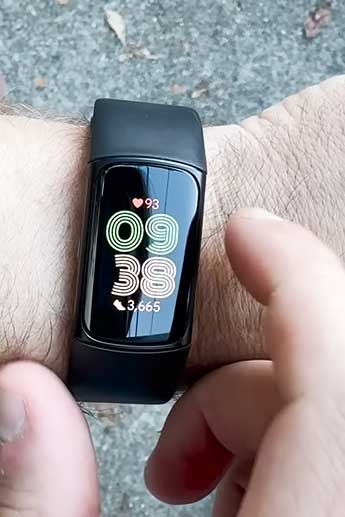
After wearing both and comparing how they slot into real days, the choice comes down to what you value most in a band you’ll actually keep on.
If you run or cycle without your phone often and like seeing colorful stats or paying with your wrist, the Fitbit Charge 6 brings more everyday convenience and location freedom.
You get a brighter screen, built-in GPS, and those Google touches that make it feel current.
If you want deep recovery numbers like Body Battery without paying extra, prefer something lighter that disappears on your wrist, and mainly track activity plus sleep for personal insight, the Garmin Vivosmart 5 delivers stronger free metrics and reliable basics.
It trades screen flair and on-board GPS for lighter wear and coaching-style data that helped me train smarter.
You know your own patterns best. Think about whether phone-free GPS or a color screen would change your routine, or whether free recovery scores matter more than smart alarm and payments.
Either band will track steps and heart rate well, yet the small differences in screen, GPS, and data depth decide which one you’ll reach for every morning.
Also Read: Comparison of Fitbit Inspire 3 And Garmin Vivofit 4.
Frequently Asked Questions (FAQ)
It depends on your priorities. The Fitbit Charge 6 offers built-in GPS, a color screen, payments, and a smart alarm for more daily convenience. The Garmin Vivosmart 5 provides lighter comfort, free Body Battery recovery insights, and reliable tracking without subscriptions. Choose based on whether you need phone-free location data or deeper no-cost recovery metrics.
The Vivoactive 5 is a full smartwatch with a larger AMOLED screen, built-in maps, music storage, and longer battery in some modes, placing it in a different category than the slim Charge 6 band. It suits people wanting watch-like features and stronger GPS, while the Charge 6 stays lighter and simpler for basic tracking plus sleep focus.
Yes, it remains a solid choice for straightforward fitness and recovery tracking. The Body Battery score, accurate heart rate, and week-long battery deliver real value, especially if you like Garmin’s analytical style and want something light that you barely notice on your wrist.
Garmin often provides deeper free metrics like Body Battery and strong accuracy for athletes, while Fitbit excels in sleep tracking, user-friendly apps, and lifestyle extras like payments. Neither is universally better; Garmin leans training-focused and Fitbit leans approachable daily wellness.
Final Thoughts
After comparing these two bands in daily life, you now have the details to pick the one that matches how you actually move and recover.
The right choice keeps you consistent without extra friction.