
I installed Fiberon composite decking on my backyard last spring and you should buy this product right now if you want a surface that shrugs off weather, looks rich without constant upkeep, and holds value for years.
You get realistic wood grain, strong warranties, and fewer headaches than traditional lumber ever gave me. Skip the endless staining cycles and choose Fiberon so your outdoor space stays inviting instead of becoming another chore.
My Experience With Fiberon Composite Decking
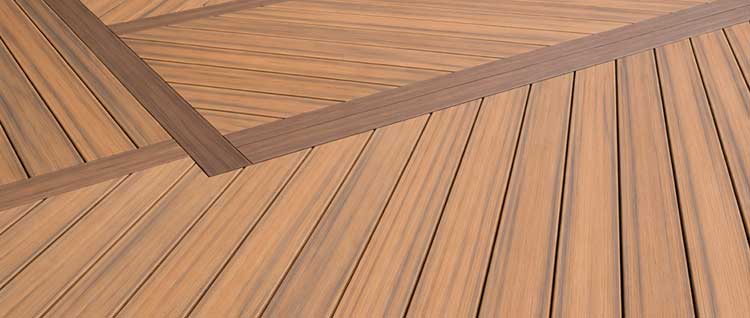
I spent months debating materials before I settled on Fiberon for the 400-square-foot deck that wraps around the back of my house. You know that moment when you stand in the lumber aisle staring at samples and every salesperson pushes something different?
That was me. I brought home three Fiberon boards from different collections and left them outside through a wet fall and a freeze-thaw winter just to watch how they behaved. The color stayed true. No swelling.
No fuzzy edges. When spring arrived I committed and hired a small crew to frame and install the boards using the hidden fastener system.
The first weekend after the install I hosted a barbecue for twelve people. Kids ran barefoot. Someone dropped a metal spatula. A glass of red wine tipped over and sat for twenty minutes before anyone noticed.
I wiped everything with a damp cloth and the surface looked untouched. You feel that quiet confidence when a product actually delivers what the brochure promised.
Over the next eighteen months I tracked every season. Summer heat made the darker boards warm under bare feet but never unbearable the way some plastics get. Autumn leaves sat for days and rinsed away with a hose. Winter ice formed and melted without leaving stains or raised grain.
I notice small things now that I never paid attention to before. The boards expand and contract just enough that the gaps stay consistent. Furniture legs leave almost no marks if you use simple pads. Morning dew beads up and rolls off instead of soaking in.
Neighbors stop by and ask what brand I chose because the deck still looks new while theirs already show wear. I tell them the truth. Fiberon gave me the balance I wanted between price and performance.
I did not need the absolute top-tier mineral board for my climate, yet I still received a surface that feels solid underfoot and keeps its good looks with almost no effort on my part. That everyday reliability is what sold me completely and keeps me recommending it every time someone asks.
Also Read: Differences Between NewTechWood And Trex Composite Decking.
Pros of Fiberon Composite Decking
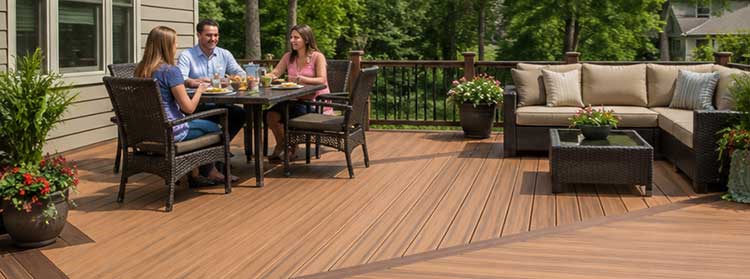
- Outstanding Color Retention Across Seasons You walk out after a full year of sun and rain and the boards still match the sample you first chose. Fiberon uses a protective cap that locks in pigments so ultraviolet light cannot bleach the surface the way bare wood fades. I watched neighboring cedar decks turn gray while mine held the original warm brown tone. That consistency means your outdoor furniture and rugs continue to coordinate without constant replacement. You also avoid the patchy look that appears when some boards weather faster than others. The result feels intentional and polished season after season.
- Superior Traction When Surfaces Are Wet Rain turns many decks into slippery hazards. Fiberon textures the surface so your feet grip even after a downpour. I tested this myself during a sudden summer storm. Guests continued walking without that cautious shuffle you see on smoother composites. The coefficient of friction stays high enough that you trust the boards under wet feet or light snow melt. Families with children or older relatives notice the difference immediately. You gain peace of mind instead of constantly warning people to step carefully.
- Wide Range Of Realistic Grain Patterns And Colors Fiberon offers collections that mimic everything from weathered gray to rich tropical hardwood tones. You can match the style of your home exterior without settling for a generic look. The embossing runs deep enough that light catches the ridges and creates natural shadow play. When guests run their hands across the boards they often comment that the surface feels closer to real wood than most composites they have tried. That visual authenticity elevates the entire outdoor living space and makes the investment feel worthwhile every time you step outside.
- Strong Resistance To Stains And Mold Growth Spilled sauces, bird droppings, and leaf tannins wipe away without leaving permanent marks on the capped surface. I left a pot of tomato sauce sitting overnight once by accident. A simple soap solution removed every trace. Mold struggles to gain a foothold because moisture cannot penetrate the protective layer the way it invades unfinished wood. You spend less time scrubbing and more time enjoying the space. The low porosity also means the boards dry quickly after rain, reducing the window for organic growth.
- Competitive Long-Term Value And Warranty Coverage Fiberon backs many of its lines with warranties that stretch twenty-five years or more against fading, staining, and structural issues. You pay a moderate premium over basic pressure-treated lumber yet avoid the annual cost of sealers, stains, and eventual board replacement. Over a decade the numbers favor the composite choice. I calculated my own projected expenses and realized the Fiberon deck would cost less to own while delivering higher daily satisfaction. That financial clarity removes the hesitation many homeowners feel when facing the higher upfront price.
Cons of Fiberon Composite Decking
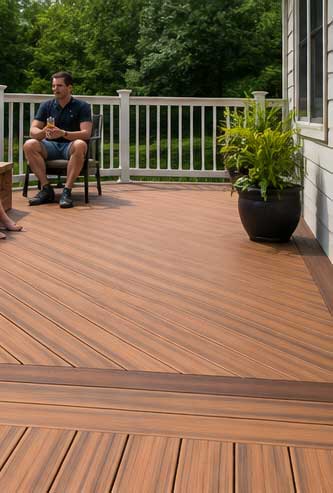
- Surface Heat Buildup On Darker Boards Darker color choices absorb more sunlight and can feel warm under bare feet during peak summer afternoons. You learn to place rugs or plan gatherings for earlier or later in the day. Lighter tones stay cooler yet still look sophisticated. The issue is manageable but worth noting if your climate runs especially hot and you prefer walking barefoot constantly.
- Potential For Surface Scratches On Entry-Level Lines Lower collections resist everyday wear well yet can show marks from dragged furniture or sharp pet claws more readily than the premium capped options. You mitigate this by choosing higher-tier boards or using protective pads under every chair and table. Once a scratch appears it usually blends with normal wear rather than standing out as a permanent scar, but careful handling remains smart.
- Slight Expansion And Contraction With Temperature Swings Composite boards move a small amount as temperatures rise and fall. Proper gapping during installation prevents buckling, yet you must follow the manufacturer guidelines exactly. An inexperienced installer can create tight spots that later cause minor issues. Professional installation or careful DIY measuring solves the concern, but the material does require that extra attention at the start.
- Higher Initial Cost Compared With Traditional Wood You pay more up front than you would for pressure-treated pine. The difference becomes less noticeable once you factor in avoided maintenance, yet the sticker price can surprise first-time buyers. Budget planning helps. Many homeowners stage the project or choose mid-range Fiberon collections to keep costs reasonable while still gaining the performance benefits.
Also Read: The Weekend Builder’s Companion: Easy Deck Board Calculator.
Maintenance Tips For Fiberon Composite Decking
- Establish A Simple Seasonal Cleaning Routine You keep the surface looking fresh by rinsing with a garden hose every few months and following with mild soap and a soft-bristle brush when dirt accumulates. Avoid pressure washers set above recommended levels because excessive force can damage the protective cap over time. I schedule a thorough wash each spring and fall. The entire process takes less than an hour for a medium-sized deck and restores the original appearance almost instantly. Regular light cleaning prevents buildup that would otherwise require heavier scrubbing later.
- Protect Against Furniture And Foot Traffic Wear Place felt or rubber pads under every outdoor chair, table, and planter. The pads distribute weight and stop metal or plastic legs from grinding into the surface. You also rotate furniture occasionally so the same spots do not receive constant pressure. When children or pets play hard, a simple outdoor rug in high-traffic zones adds another layer of protection. These small habits extend the pristine look for many extra years without any complicated products.
- Address Spills And Organic Debris Promptly Wipe food spills, bird droppings, and fallen leaves as soon as you notice them. A damp cloth or soft sponge usually handles everyday messes. For stubborn residue a manufacturer-approved cleaner works without stripping the color. Leaving organic material in place for weeks can lead to temporary discoloration that takes longer to remove. Quick attention keeps maintenance effort minimal and the boards looking consistently clean.
- Manage Snow And Ice Without Damaging The Surface Use a plastic shovel or soft broom when clearing winter accumulation. Metal tools can leave scratches that become more visible once the snow melts. Avoid rock salt or harsh chemical ice melts because residues may affect the finish over repeated seasons. A calcium-based product labeled safe for composite surfaces works better when traction becomes an issue. Once the weather warms, a simple rinse removes any remaining residue and prepares the deck for spring use.
- Inspect Fasteners And Gaps During Annual Checks Walk the surface once a year and look for any fasteners that may have shifted or gaps that closed tighter than intended. Most systems stay secure, yet temperature cycles can create minor movement. Tightening or adjusting a few clips takes only minutes and prevents larger problems. You also check the underside framing for any signs of moisture that might affect the support structure. This quick inspection becomes part of your regular home maintenance rhythm and keeps the entire assembly performing as designed.
- Choose Cleaning Products Carefully To Preserve The Cap Stay away from abrasive powders, bleach solutions, or solvents that can dull the protective layer. Stick to pH-neutral soaps or cleaners specifically formulated for composite decking. A soft nylon brush works better than wire or stiff plastic bristles. After washing, allow the boards to air dry completely before replacing furniture. Following these product guidelines maintains both the appearance and the warranty coverage that came with the material.
Comparison of Fiberon Composite Decking With Other Brands
- Fiberon Versus Deckorators Venture Decking
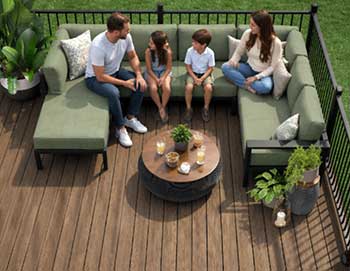
Fiberon and Deckorators Venture both deliver solid capped composite performance yet they differ in material feel and long-term behavior.
Fiberon boards use a traditional wood-plastic blend that offers good flexibility during installation and a slightly softer underfoot sensation.
Venture tends toward a denser composition that resists impact marks more aggressively in high-traffic zones.
You notice Fiberon stays cooler in direct sun on mid-tone colors while Venture can run warmer.
Color selection favors Fiberon with broader realistic grain options.
Warranty lengths remain comparable, so the decision often rests on whether you prefer the softer walking experience of Fiberon or the firmer resistance of Venture.
Both require similar low-maintenance routines, yet Fiberon edges ahead for homeowners who value a wider palette of finishes at a moderate price point.
- Fiberon Versus Massaranduba Decking
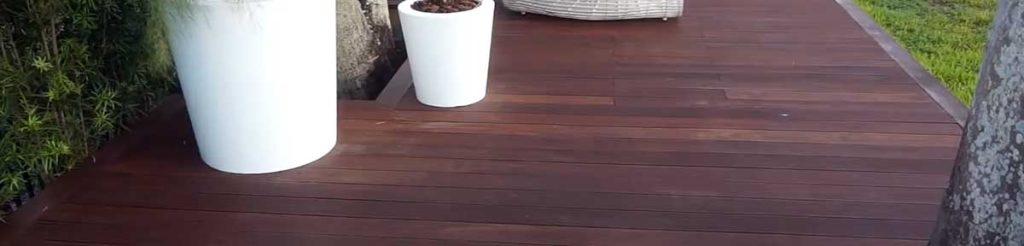
Massaranduba brings the deep red-brown beauty of tropical hardwood and exceptional natural density. You gain authentic grain and a surface that feels unmistakably organic under bare feet.
The trade-off appears quickly. Massaranduba demands regular sealing to prevent checking and color loss. Fiberon eliminates that ongoing labor entirely.
Hardness favors the solid wood for pure impact resistance, yet Fiberon resists moisture absorption and insect damage far more effectively.
Cost comparisons shift over time. The hardwood starts lower in some markets but climbs once you add sealers, labor, and eventual board replacement. Fiberon presents a higher initial investment that remains predictable.
If you crave zero annual maintenance and consistent appearance through every season, Fiberon becomes the practical choice. Massaranduba suits those willing to invest time for the pure wood aesthetic.
- Fiberon Versus Deckorators Voyage Decking
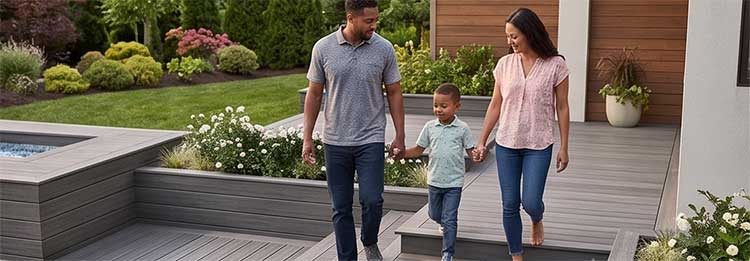
Deckorators Voyage uses mineral-based technology that removes wood fiber entirely and replaces it with inorganic fillers.
The result is exceptional dimensional stability and the ability to install boards closer to grade or even in ground-contact situations where traditional composites cannot go.
Fiberon remains a wood-plastic composite with excellent but more conventional performance.
Voyage often scores higher on wet traction and resists expansion almost completely. You pay a premium for that mineral advantage. Fiberon delivers comparable everyday durability and a broader range of accessible price points.
Color depth and grain realism feel very close between the two. For most raised residential decks Fiberon provides everything needed at a friendlier cost. Voyage shines when your project demands extreme stability or unique installation conditions that standard composites cannot meet.
Frequently Asked Questions (FAQ)
Yes. Both perform at a high level with similar warranties and low maintenance needs.
TimberTech often leads in premium aesthetics while Fiberon offers strong value and traction.
Ratings vary by year and tester, yet Fiberon, Trex, and TimberTech consistently rank near the top.
Premium capped lines resist scratches well. Entry-level boards show marks more readily under heavy abuse.
Wrapping Up
I chose Fiberon composite decking and you should too when you want beauty that lasts without the endless upkeep of wood.
The boards deliver reliable performance, realistic style, and genuine long-term savings. Install them once and enjoy the outdoor space you imagined instead of working on it every weekend.