
As a dog parent always seeking top nutrition options for my pup, I’ve compared The Farmer’s Dog and Ollie closely.
This piece breaks down their offerings, costs, strengths, and drawbacks to help you decide which fresh food service could work better for your furry companion.
| Aspect | The Farmer’s Dog | Ollie |
| Core Recipes | 4 fresh (Beef, Chicken, Turkey, Pork) with grain-free and some grain-inclusive options | 5 fresh (Beef, Chicken, Turkey, Lamb, Pork) + 2 baked options; most grain-inclusive |
| Protein Focus | Solid rotation of common proteins | One extra protein (lamb) plus targeted add-ins like blueberries or cranberries |
| Personalization | Very high – exact calorie portions, health inputs, dog’s name printed on every pack | High – survey-based with sensitivities noted; flexible full/half/mixed plans |
| Packaging | Multi-day eco packs, biodegradable and recyclable; larger sleeves | Easier single or resealable packs; some recycled materials |
| Add-ons | Quality limited-ingredient treats (Snap Sticks) | Wider treats, chews, supplements; app-based health check-ins |
| Pricing Example (approx. for ~70 lb dog, 2 weeks full fresh) | Around $150–$180 | Around $170–$200 |
| Storage & Prep | Freezer up to 6 months; thaw overnight in fridge | Similar freezer needs; some packs feel more grab-and-serve |
| Best Suited For | Owners wanting maximum tailoring and sustainability | Owners seeking recipe variety and plan flexibility |
How These Fresh Dog Food Services Actually Work?

You start with a short online survey about your dog’s age, weight, breed, activity level, and any allergies or sensitivities.
The company builds a recommended plan and shows you pricing right away.
Once you subscribe, meals arrive frozen on a schedule you choose – weekly, every two weeks, or longer.
You thaw what you need the night before in the fridge and serve at room temperature or slightly warmed.
Both let you pause, skip, or cancel anytime. First orders often include storage containers and sometimes a welcome discount.
The beauty of fresh food lies in the higher moisture content – usually 70-75 percent – which supports hydration and can lead to firmer, less smelly stools once your dog adjusts.
Many owners notice shinier coats and steadier energy within a few weeks because the ingredients are recognizable whole foods rather than heavily processed kibble.
Key Differences Between Farmer’s Dog and Ollie
- Depth of Personalization vs Breadth of Choice: The Farmer’s Dog stands out when you want portions calculated down to the calorie and packs that literally carry your dog’s name. It also accepts more detailed health notes during setup. Ollie counters with more proteins and recipes built around specific wellness angles plus easier plan mixing. If your dog has complex allergies or weight management needs that require tight control, the deeper tailoring often feels more reassuring with The Farmer’s Dog.
- Cost Structure and Plan Flexibility: Side-by-side quotes for similar full fresh orders frequently show The Farmer’s Dog coming in a bit lower, especially noticeable over months for medium and large dogs. Ollie offsets this with half-fresh and mixed plans that let you spend less while still getting fresh benefits. Your total spend depends heavily on your dog’s size and how much fresh food you actually use, so running quotes for both remains the smartest step.
- Packaging Philosophy and Daily Convenience: The Farmer’s Dog prioritizes larger, more sustainable multi-day packs that reduce overall material. Ollie leans toward formats many find quicker to grab and portion, with some resealable features. For small kitchens or people who hate freezer Tetris, the single-serve style can feel more practical day to day.
- Recipe Rotation and Potential Boredom Prevention: Ollie simply offers more options to cycle through, including lamb and baked textures. This matters for picky eaters or dogs that lose interest in the same meals repeatedly. The Farmer’s Dog keeps things simpler with four reliable proteins and lets you rotate up to three at a time, which still provides variety without overwhelming choice.
- Add-On Ecosystem: Ollie includes a wider selection of treats, chews, and even an app for casual health tracking. The Farmer’s Dog keeps extras minimal but high quality. If you like the idea of one-stop shopping for meals plus joint support chews or dental insights, Ollie gives more built-in tools.
- Production Focus and Consistency: Both maintain excellent standards in USDA facilities. The Farmer’s Dog’s owned-kitchen model can appeal to owners who value end-to-end control. Recent comparisons note clean records for both services, giving peace of mind either way.
Key Features of The Farmer’s Dog
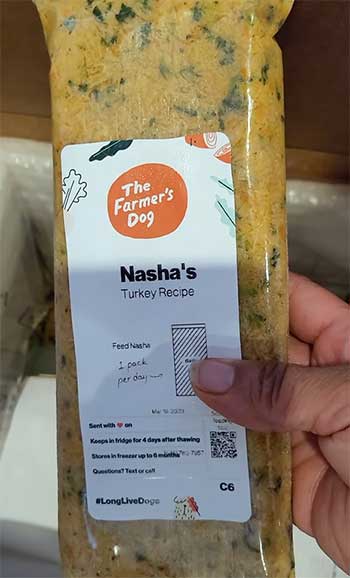
- Highly Tailored Pre-Portioned Meals: Every pack gets calculated to your dog’s exact caloric needs using details like ideal weight and activity. The portions arrive labeled with your dog’s name and clear feeding instructions. This precision helps prevent overfeeding, which is one of the biggest drivers of weight issues in dogs. For households with multiple dogs or dogs that board occasionally, the named packs remove guesswork and reduce mistakes.
- Strong Emphasis on Sustainability: Packaging uses biodegradable and recyclable materials wherever possible. Larger multi-day sleeves cut down on overall plastic compared to single-serve formats. First orders include a sturdy storage container. Owners who care about reducing waste appreciate this approach without sacrificing food safety or freshness.
- Owned Production Control: Meals come from company-managed USDA kitchens with tight oversight on sourcing and preparation. Ingredients stay human-grade and locally focused where practical. The gentle cooking process aims to preserve nutrients similar to home cooking before flash-freezing locks everything in. This setup gives consistent quality batch after batch.
- Flexible Yet Focused Recipe Set: You can usually select up to three recipes per delivery from the four core options. Grain-inclusive versions exist for most proteins, giving some flexibility if you prefer not to go fully grain-free. The focus stays on balanced, complete meals suitable for all life stages from puppies over eight weeks old onward.
- Simple Treat Integration: Snap Sticks made from limited ingredients like meat, liver, and fruit offer a clean way to add variety or use as training rewards. They fit easily into the subscription without complicating the main meal plan.
Pros of The Farmer’s Dog
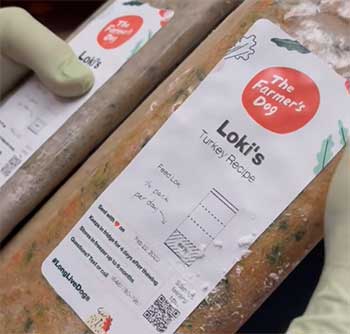
- Precision Portioning Supports Healthy Weight: Exact calorie packs based on your dog’s profile reduce the common problem of free-feeding or eyeballing portions. Over time this can help maintain ideal body condition, which vets link to longer, more comfortable lives and fewer joint or metabolic issues.
- Eco-Friendly Packaging Aligns with Values: Biodegradable and recyclable materials plus larger pack sizes mean less waste heading to landfills. For owners who think about their overall environmental footprint, this detail adds meaningful value beyond the bowl.
- Strong Track Record with Picky and Sensitive Dogs: Many owners report even finicky eaters clean their bowls consistently. The gentle cooking and high-quality ingredients often improve stool quality and reduce gas or loose stools after the initial transition period.
- Transparent and Responsive Approach: Clear labeling, easy subscription management, and willingness to work with you on adjustments (including refunds or recipe changes for picky eaters in some cases) build trust. Customer service tends to respond quickly when questions arise.
- Potential for Lower Monthly Spend on Full Fresh Plans: In multiple independent comparisons, The Farmer’s Dog frequently prices a bit lower for equivalent full fresh deliveries. For households feeding 100 percent fresh, those savings add up without sacrificing quality.
- Suitable for All Life Stages with Consistent Formulation: Recipes meet standards for puppies through seniors, making it straightforward if you have dogs of different ages or plan to keep the same service long term.
Cons of The Farmer’s Dog
- Fewer Recipe Options Overall: Only four core proteins limits rotation compared to services with more variety. Dogs with multiple protein sensitivities may run out of safe choices faster.
- Requires Planning Around Thawing: Meals need overnight fridge time before serving. This demands a bit more forethought than shelf-stable kibble, especially on busy mornings or travel days.
- Freezer Space Demands: Larger multi-day packs take up more room than single-serve formats. Households with small freezers or multiple pets may feel the squeeze during bigger deliveries.
- Premium Price Still Applies: While often competitive within the fresh category, it remains significantly more expensive than even high-quality kibble. Budget-conscious owners need to weigh the health trade-offs carefully.
Also Read: Differences Between Orijen And Open Farm Dog Foods.
Key Features of Ollie
- Broader Recipe Variety with Targeted Benefits: Five fresh proteins plus two baked options give more rotation choices. Specific formulas highlight ingredients like carrots for sensitive stomachs, blueberries for skin and coat support, or cranberries for digestion and immunity. While every recipe stays complete and balanced, these thoughtful additions can provide extra support for common concerns without needing separate supplements.
- Flexible Plan Options for Real Life: Choose full fresh for complete meals, half fresh as a topper over existing food to ease into the switch or control costs, or mixed plans that combine fresh and baked textures. This flexibility works well for picky eaters who like variety or owners testing the waters before committing fully.
- Convenient Packaging and Extras: Packs often feel easy to open and reseal in some descriptions. Baked recipes offer a different texture some dogs prefer. Add-on treats come in several single-ingredient styles, and an app lets you upload quick photos of poop or teeth for basic wellness insights between vet visits. These small touches make daily feeding smoother.
- High Inclusion of Organ Meats and Superfoods: Many recipes list organ meats prominently and incorporate items like chia seeds or cod liver oil. This boosts natural nutrient density and supports the “food as close to whole as possible” philosophy many fresh food fans seek.
- Baked Line for Texture and Storage Variety: The gently baked options provide a convenient alternative or complement. Some owners find the mixed approach helps with portion control or keeps mealtime interesting without extra work thawing everything.
Pros of Ollie

- More Ways to Keep Meals Interesting: Extra proteins, baked textures, and targeted ingredient blends help prevent mealtime boredom. Picky eaters or dogs that thrive on novelty often respond well to the wider selection.
- Plan Flexibility Fits Different Budgets and Lifestyles: Half-fresh or mixed options let you introduce fresh food gradually or stretch your budget while still delivering benefits. This makes the switch feel less all-or-nothing.
- Thoughtful Recipe Targeting for Common Issues: Formulas built around sensitive stomachs, skin support, or digestion give an extra layer of consideration for dogs with mild ongoing concerns. The added superfoods and organ meats boost natural nutrition density.
- Added Convenience Features and Treats: Easier-to-handle packs for some users, plus a range of add-on treats and chews, streamline daily routines. The optional app check-ins provide simple between-vet insights on digestion or dental appearance.
- Good Option for Transition or Topper Use: Starting with half portions or mixing lets you test acceptance without committing the full amount upfront. Many dogs take to it quickly, making the change smoother.
Cons of Ollie
- Often Slightly Higher Cost for Full Fresh: Direct comparisons for similar full plans frequently place Ollie a bit above The Farmer’s Dog. Owners feeding large dogs or multiple pets notice the difference over time.
- Recipe Specificity Can Feel Overwhelming at First: More options and targeted claims require a bit more decision-making during setup. Some owners prefer simpler, more uniform recipes.
- Baked Items Add Another Variable: While convenient, the baked line uses a different preparation method. Dogs transitioning between fresh and baked textures sometimes need extra adjustment time.
- Storage and Thawing Still Required: Like any fresh service, freezer space and advance thawing apply. The single-style packs help somewhat but do not eliminate the need for cold storage planning.
Making the Switch: What to Expect?
Transition slowly over 7–10 days or longer, mixing increasing amounts of the new food with the old. Some dogs experience looser stools at first because of the higher moisture and different fiber profile – this usually settles as their system adapts.
Track weight, energy, coat condition, and stool quality.
Most owners see positive shifts within three to four weeks. Keep your vet in the loop, especially if your dog has existing health conditions. Both companies offer introductory discounts that make trying low-risk.
Also Read: Differences Between Taste of the Wild And Orijen Dog Foods.
Frequently Asked Questions (FAQ)
It depends on priorities. Ollie provides more recipe variety and flexible plans including baked options, while The Farmer’s Dog often delivers stronger personalization, eco-packaging, and competitive pricing for full fresh feeding. Both rank highly for quality.
No single food earns that title for every dog. Fresh, human-grade options like these two stand out for ingredient quality, digestibility, and moisture content. The healthiest choice matches your individual dog’s needs, activity level, and any health conditions – always discuss with your veterinarian.
Many veterinarians view fresh foods from reputable services like Ollie positively when they meet AAFCO standards and suit the dog. They can support better hydration and digestion for some pets, though vets emphasize that any complete and balanced diet can work well when matched properly to the individual.
In many direct comparisons for full fresh plans, Ollie runs slightly higher. However, Ollie’s half-fresh and mixed plans can narrow or reverse the gap depending on how much fresh food you use. Exact costs vary by dog size and selections, so personalized quotes give the clearest picture.
Final Thoughts
After weighing the details, The Farmer’s Dog often edges ahead for owners who prioritize precise portions, sustainability, and straightforward full-fresh feeding at a slightly better price point for many dog sizes.
Its deep customization and clean, focused approach deliver reliable results without extra decisions. Ollie shines when variety, specific wellness angles, or flexible plans matter more to you and your dog. The baked options and broader add-ons can keep things fresh and convenient long term.
You know your pup’s personality, preferences, and your household rhythm best. Both services deliver high-quality fresh nutrition that beats standard kibble on ingredient transparency and digestibility for most dogs.
Running personalized quotes from each and starting with an introductory box lets you see real results in your own kitchen. Either choice represents a meaningful upgrade in how you care for your dog – the “better” one is simply the one that fits your situation and keeps tails wagging.