
When my two cats—one a total gravy fanatic and the other a senior with a finicky streak—started turning their noses up at the same old meals, I decided to put Fancy Feast and Sheba head to head.
Both show up everywhere as wallet-friendly wet options that promise real meat taste and easy feeding.
In this comparison I lay out the actual differences in nutrition, texture, convenience, and how they perform day to day so you can decide what works for your own cat’s appetite, health priorities, and budget without guessing.
| Aspect | Fancy Feast | Sheba |
| Average Protein (dry matter) | Higher, around 54% | Around 44% |
| Fat Content | Generally lower | Slightly higher |
| Grain-Free Options | Select lines only | Most formulas |
| First Ingredient | Varies—real meat or by-products common | Often named real meat or fish |
| Main Textures | Pâté, gravy, flaked, medleys, broths | Pâté and cuts in gravy |
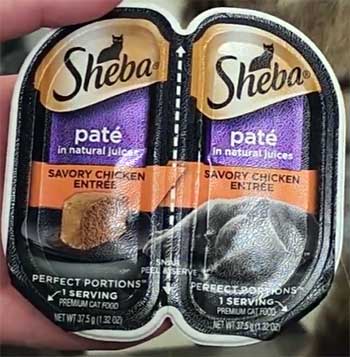
| Packaging | 3 oz cans, variety packs | Perfect Portions trays (1.3 oz × 2) |
| Flavor Variety | 80+ options | 30+ options |
| Price per Ounce | Usually lower in bulk cans | Slightly higher due to tray packaging |
| Artificial Additives | Some colors and flavors in classic lines | Colors in certain recipes, guar gum common |
| Moisture | High (75-80%+) | Very high (80-84%) |
Key Differences Between Fancy Feast and Sheba
- Ingredient Lists and Protein Sources

Fancy Feast recipes swing more widely depending on the line you grab.
The classic pâté versions often list chicken or beef first but quickly follow with meat by-products, liver, and fish that can come from mixed sources.
That gives solid animal protein overall, yet the generic “meat by-products” label leaves room for variation in quality and digestibility from batch to batch.
Some of the Gourmet Naturals or Purely lines clean things up with fewer extras.
Sheba tends to keep things more consistent across its range by leading with named real chicken, salmon, or tuna in many cuts-in-gravy and pâté trays.
You still see poultry by-products and animal plasma, but the top ingredients feel more straightforward and the formulas stay grain-free without corn, wheat, or soy fillers in the majority of products.
For cats as obligate carnivores, that steady animal-forward start in Sheba can mean better immediate appeal and fewer carb-heavy binders, while Fancy Feast’s variety lets you hunt for specific protein sources your cat tolerates well.
- Nutritional Balance and Macronutrients
On paper Fancy Feast edges ahead in average protein density once you adjust for moisture, which supports muscle maintenance and energy without needing huge portions.
Its pâté lines also run lower in carbohydrates, something that matters if your cat carries extra weight or you’re watching blood sugar.
Sheba compensates with a touch more fat in many recipes, which adds calories and can make the food more satisfying for cats that need to gain or simply love richer gravy.
Both deliver complete and balanced nutrition that meets AAFCO standards for adult cats, yet neither hits the ultra-low-carb, ultra-high-protein territory of premium fresh or limited-ingredient brands.
The practical difference shows up in how your cat’s coat, energy, and litter box habits respond after a couple of weeks on one versus the other.
- Texture, Gravy, and Everyday Appeal
Fancy Feast gives you real choice in mouthfeel—smooth pâté that some cats inhale, chunky gravy lovers, flaked pieces in broth, even medleys with little vegetables or cheese accents.
That range helps when one cat wants sauce and another wants something to chew.
Sheba sticks mostly to tender cuts swimming in gravy or smooth pâté, both delivered in those neat twin trays. The gravy factor is strong here; many cats that ignore drier pâté will lick the Sheba sauce clean.
If your household has multiple cats with different preferences, Fancy Feast’s bigger menu reduces the chance of food boredom or waste. Sheba’s single-serve format shines when you want zero leftovers and easy portion tracking.
- Packaging, Portion Control, and Waste
Open a can of Fancy Feast and you measure out what you need, then store the rest in the fridge for a day or two.
That works fine for bigger appetites or multi-cat homes, but it can lead to forgotten leftovers or oxidation if you’re not careful.
Sheba’s Perfect Portions trays snap open, peel, and serve two small meals with nothing left over and no can to wash.
The trade-off is more plastic in the trash and a slightly higher cost per ounce.
For seniors or cats that eat tiny amounts at a time, the tray system cuts down on spoilage and keeps things fresher.
For bulk buyers who rotate flavors quickly, the cans often win on pure value and shelf life once opened.
- Additives, Colors, and Processing Extras
Classic Fancy Feast lines sometimes include artificial colors, flavors, or preservatives that give the food its bright look and long shelf appeal.
The Naturals sub-line drops many of those. Sheba avoids artificial flavors and preservatives in most recipes but still uses guar gum or tapioca starch as thickeners and occasional caramel or iron oxide color in certain trays.
Neither brand loads up on obvious junk, yet both sit in the budget-to-mid tier where complete transparency on sourcing and minimal processing isn’t the top priority. If your cat has a known sensitivity to gums or colors, you’ll want to read every label and possibly trial small packs first.
- Price, Availability, and Real-World Value
Fancy Feast usually costs less per ounce when you buy the big variety packs or cases, especially on sale. That makes it easy to stock up and rotate flavors without breaking the monthly pet budget.
Sheba runs a bit higher because of the convenient tray format, but the no-waste design can offset the difference if your cat tends to leave half a can untouched. Both sit on grocery and big-box shelves everywhere, so you never have to hunt for them.
The real value question comes down to whether the extra convenience of Sheba trays or the flavor explosion of Fancy Feast cans matters more to your daily routine and your cat’s willingness to finish the bowl.
Also Read: Differences Between Weruva And Tiki Cat.
Key Features of Fancy Feast
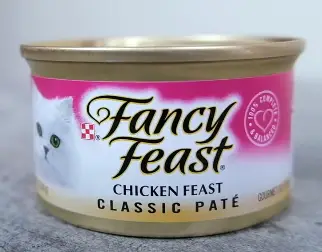
- Huge Flavor and Texture Library With dozens of named recipes across pâté, gravy, flaked, and medley styles, you can keep meals interesting for weeks without repeating the same bowl twice. That variety helps picky eaters who get bored fast and lets you match textures to dental or digestive comfort. Many owners notice their cats actually finish more food when the menu changes regularly.
- Some Lower-Carb Pâté Options The classic pâté line keeps carbohydrates modest on a dry-matter basis, which aligns better with a cat’s natural low-carb needs than many dry foods or gravy-heavy recipes. For cats that need help with weight or steady energy, those specific formulas offer a practical everyday choice without jumping to prescription diets.
- Strong Hydration Boost from High Moisture All the wet formats deliver 75 percent or more moisture, helping cats who rarely drink from bowls stay better hydrated. That supports urinary tract health and kidney function over time, especially important for indoor or senior cats who might otherwise sip too little water.
- Budget-Friendly Bulk Buying Cases and multi-packs bring the per-meal cost way down, making it realistic to feed wet food as a bigger part of the diet instead of just a topper. You can afford to experiment with flavors until you find the ones your cat demolishes every time.
- Wide Store Availability You’ll find it in almost every supermarket and pet aisle, so running out doesn’t mean a special trip or online wait. That reliability matters when your cat suddenly decides today’s flavor is unacceptable.
Pros and Cons of Fancy Feast
- Excellent palatability across many cats Most felines find the smells and textures irresistible, which solves the “won’t eat” problem that frustrates owners of picky or recovering cats. The range of options means you can usually find at least one recipe that disappears quickly.
- Flexible for different household needs Cans suit multi-cat homes and bigger appetites, while the variety supports rotation feeding that may reduce finickiness long term. Some lines also give you options for cats that prefer flaked or saucy meals over uniform pâté.
- Lower cost when bought in volume You can keep wet food in the rotation without the monthly bill spiking, which encourages consistent use and the hydration benefits that come with it.
- Variable ingredient quality across lines The classic recipes lean on by-products and occasional artificial colors that some owners prefer to limit. If you want cleaner labels you have to stick to the Naturals or Purely sub-lines, which narrows the choices and raises the price a bit.
- Smaller can size can create waste A 3 oz can is perfect for one cat’s meal but leaves leftovers if your cat eats slowly or you have a tiny eater. Proper storage helps, yet it still adds a step compared with single-serve trays.
Also Read: Reasons For Fancy Feast Being So Expensive.
Key Features of Sheba
- Consistent Real-Meat Start and Grain-Free Formulas Most recipes open with named chicken, salmon, or tuna and stay free of common grains. That predictability makes label reading simpler and appeals to cats who do best without wheat or corn derivatives.
- Irresistible Gravy That Encourages Eating The cuts-in-gravy style creates a saucy experience many cats lick clean even when they ignore other wet foods. This can be a lifesaver for seniors, stressed cats, or anyone recovering from illness who needs calorie intake without force-feeding.
- Perfect Portions Reduce Waste and Guesswork Each tray gives you two measured servings with no can to refrigerate or measure. That convenience shines in single-cat homes, busy schedules, or when you want exact daily tracking for weight management.
- High Moisture for Daily Hydration The formulas sit at the higher end of moisture content, delivering water along with the meal. Over weeks and months that steady intake supports urinary and kidney health without any extra effort on your part.
- Simple, Recognizable Flavors The lineup stays focused on classic proteins cats already know and like—chicken, beef, turkey, fish—without exotic or overly complicated combinations that might get rejected.
Pros and Cons of Sheba
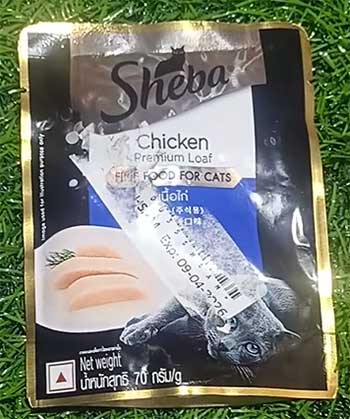
- Strong appeal for picky and senior cats The gravy texture and aroma pull in eaters who turn away from drier or blander options. Many owners report empty bowls and visible weight maintenance or gain in cats that previously picked at food.
- Zero-waste single-serve design You open exactly what your cat will eat, which cuts down on spoilage, odors in the fridge, and the “is this still good?” question. Great for travel or multi-cat homes where portions need to stay separate.
- Grain-free consistency across most products You don’t have to hunt through labels to avoid grains; the majority of the range already skips them. That simplifies shopping when you have a cat with suspected grain sensitivity.
- Higher cost per ounce than bulk cans The tray packaging adds expense that shows up when you compare price tags side by side. For households feeding multiple cats or large appetites, the difference can add up over a month.
- Less texture variety than bigger brands If your cat wants flaked pieces one day and smooth pâté the next, Sheba’s narrower range may feel repetitive faster. You’ll rotate flavors but stay within the same basic gravy or pâté formats.
Which One Should You Choose for Your Cat?
Start with what your cat already likes. If gravy and easy single portions make life simpler and your cat cleans the tray every time, Sheba’s consistency and convenience often win.
If you want maximum flavor rotation, lower per-meal cost, and the option to fine-tune protein sources or carb levels, Fancy Feast’s bigger menu gives you more tools.
Many owners end up using both—Sheba trays for quick weekday meals and Fancy Feast cans on weekends or when they want to test a new flavor.
Watch your cat’s response over two to three weeks: steady energy, good coat condition, normal stools, and reliable appetite tell you the choice is working. When in doubt, your veterinarian can look at your specific cat’s health history and help narrow the options further.
Also Read: Differences Between TheraPet And Feliway Cat Calming Diffusers.
Frequently Asked Questions (FAQ)
Vets generally view Sheba as a palatable, convenient wet food that can encourage eating in picky or recovering cats, but they rarely single it out as a primary long-term recommendation. Most emphasize choosing complete and balanced wet food based on your individual cat’s needs rather than brand loyalty.
Many vets recognize Fancy Feast as an affordable wet option that supports hydration and appeals to finicky eaters, especially the pâté lines for lower carbohydrate content. They typically do not position it as a premium or therapeutic choice and advise matching the specific formula to your cat’s health profile.
Sheba sits in the solid budget-to-mid tier with real meat as a frequent first ingredient and grain-free recipes, yet it still includes by-products and thickeners common at this price point. It delivers reliable nutrition and strong palatability without reaching the cleaner ingredient standards of higher-end limited-ingredient or fresh brands.
The healthiest choices emphasize high animal-based protein, low carbohydrates, high moisture, named meat sources, and minimal unnecessary additives tailored to your cat’s age, weight, and any medical conditions. No single commercial food is universally healthiest; premium or veterinary lines often outperform budget options for long-term wellness, and your vet can help identify the best match.
Final Thoughts
If you’re weighing these two popular grocery-aisle staples for your own cat, the decision comes down to your priorities around convenience, variety, and how your individual feline responds to the textures and flavors.
Both keep meals affordable and hydrating while meeting basic nutritional needs, yet small differences in ingredient approach and packaging can make one feel like the clearer daily winner once you watch your cat’s bowl empty and energy stay steady.
Pay attention to what your cat finishes happily and how their overall condition holds up, then adjust as needed—your cat’s daily enjoyment and long-term health are what matter most in the end.