
I have compared effluent pumps and sewage pumps across real residential and light commercial setups for years, and the wrong choice still leads to clogs, early failures, and expensive call-outs.
This article lays out exactly how the two pumps differ in solids handling, application, and performance so you can match the right unit to your wastewater system without guesswork.
| Feature | Effluent Pump | Sewage Pump |
| Typical solids passage | ½ inch or less | 2 inches |
| Primary fluid | Clarified septic liquid | Raw sewage with solids and paper |
| Common horsepower range | ⅓ to ½ HP | ½ to 2 HP |
| Discharge size | 1½ or 2 inch | 2 or 3 inch |
| Ideal location | After septic tank, before drain field | Basement ejector pits, raw sewage lines |
| Clog risk with toilet waste | High | Low |
| Average lifespan (proper use) | 7–15 years | 5–12 years |
| Typical cost range (unit only) | Lower | Higher |
Key Differences Between Effluent And Sewage Pump
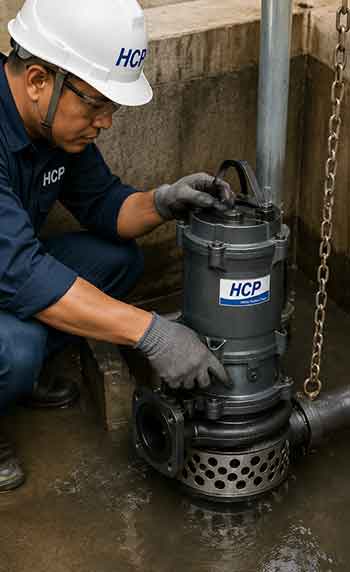
- Solids handling capacity Effluent pumps are rated for ½-inch solids or smaller. Anything larger risks jamming the impeller or wearing the volute. Sewage pumps routinely clear 2-inch solids and, in heavy-duty models, even larger soft masses. This single specification decides which pump belongs in which part of the system. Install an effluent pump where raw sewage arrives and you will clean the impeller every few months. Install a sewage pump after a properly functioning septic tank and you pay for capacity you never use while losing efficiency.
- Fluid characteristics Effluent is mostly water with suspended fines, some grease, and dissolved nutrients. Sewage is a slurry of water, fecal matter, toilet paper, food scraps, and grit. The viscosity and abrasive load differ enough that seal materials and motor cooling strategies change between the two pump families. Effluent pumps often use simpler mechanical seals; sewage pumps lean toward oil-filled motors and heavier shaft seals to survive the grit.
- Typical installation point Effluent pumps sit after the septic tank outlet baffle or in a separate pump chamber that receives only clarified liquid. Sewage pumps sit in a basin that collects everything leaving the building before any treatment. Mixing the two locations almost always produces either chronic clogging or unnecessary energy cost.
- Motor and impeller design Effluent motors run cooler and quieter because the fluid is cleaner and the duty cycle is usually gentler. Sewage motors must tolerate frequent starts under load and higher ambient temperatures inside a sealed basin. Impellers reflect the same split: effluent units favor higher head and efficiency; sewage units favor non-clog geometry even if hydraulic efficiency drops a few points.
- Power and head requirements Most residential effluent pumps move fluid 10–25 feet vertically at modest flow rates. Sewage pumps often face steeper lifts from deep basements and must deliver higher flow to clear the basin quickly. That drives larger motors and thicker power cords.
- Maintenance interval and failure mode An effluent pump fails most often from accumulated grease or a float switch that sticks in the cleaner environment. A sewage pump fails from seal intrusion, bearing wear, or a solid that wedges the impeller. Knowing the typical failure tells you which spare parts to keep on the shelf.
Key Features of Effluent Pumps
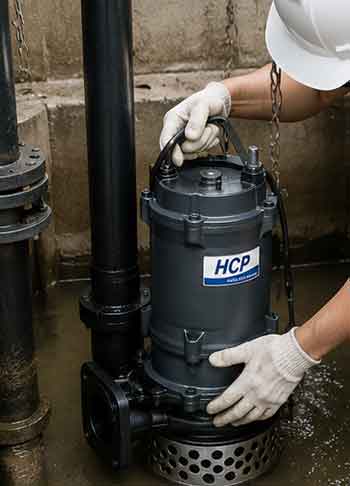
- Narrow solids passage The ½-inch rating is not a suggestion; it is the engineering limit. Manufacturers machine the impeller and cutwater clearance to that size so the pump can generate higher pressure without recirculation. In practice this means the unit moves more gallons per watt when the fluid is truly effluent.
- Compact footprint and lower horsepower Many models fit inside a 18-inch diameter chamber and draw only 4–6 amps on 115-volt power. That keeps electrical costs low and allows simple GFCI protection instead of a dedicated 230-volt circuit.
- Higher hydraulic efficiency on clean fluid Because the impeller can be closer to the volute, these pumps often achieve better head curves than sewage counterparts of the same horsepower. When the drain field sits uphill or several hundred feet away, that efficiency shortens run times.
- Corrosion-resistant materials for mildly aggressive fluid Septic effluent can be slightly acidic or carry residual chlorine from household cleaners. Cast iron or thermoplastic housings with stainless fasteners stand up longer than basic stamped-steel designs.
- Simple float or pressure switch options Vertical float switches or diaphragm pressure switches dominate because the fluid level changes slowly and foam is minimal. The simpler switch lasts longer in the cleaner environment.
Pros of Effluent Pumps
- Lower purchase price and operating cost The smaller motor and simpler construction keep the sticker price down. Once installed, the unit draws less current and runs fewer minutes per day in a well-balanced septic system, so the electric bill stays modest.
- Quieter operation Cleaner fluid and lower horsepower translate into less vibration and noise. Homeowners with pump chambers near living spaces notice the difference immediately.
- Longer service life when the septic tank is maintained I have recorded effluent pumps lasting twelve to fifteen years with nothing more than annual float checks and a tank pump-out every three to five years. The reduced solids load simply wears the wet end more slowly.
- Easier to service in tight chambers Compact size and lighter weight mean one person can lift the pump out for inspection without a hoist. Replacement of a worn impeller or seal kit takes less time than the equivalent job on a sewage unit.
- Better match for pressure distribution systems When the drain field uses pressure manifolds, the higher head and steady flow of an effluent pump keep the laterals charged evenly and prevent localized overload.
Cons of Effluent Pumps
- Zero tolerance for raw sewage Flush a handful of paper towels or let the septic tank overfill with sludge and the pump will bind. Recovery usually requires pulling the unit, cleaning the impeller, and sometimes replacing damaged seals.
- Limited ability to handle grease or stringy material Even clarified effluent can carry enough grease to coat the impeller over years. Once the coating builds, capacity drops and the motor runs hotter.
- Not suitable for basement ejector service The narrow solids passage makes these pumps the wrong choice for any basin that receives toilet discharge. The result is repeated service calls and eventual replacement with a proper sewage pump.
- Float switches can stick in cooler, quieter chambers Paradoxically, the cleaner environment sometimes allows mineral scale or biofilm to freeze a float in place. Regular manual cycling remains necessary.
- Lower flow rates on long force mains When the discharge pipe stretches several hundred feet, friction losses can push an effluent pump past its best efficiency point and into continuous running.
Key Features of Sewage Pumps
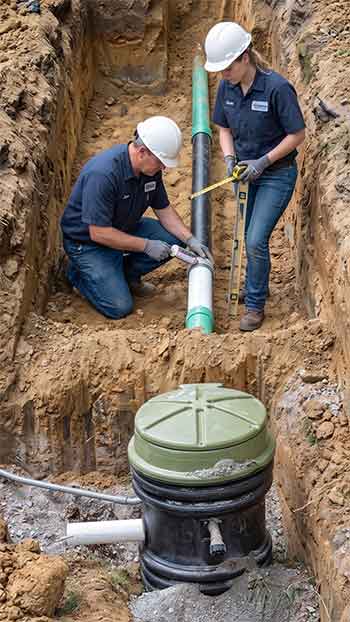
- Wide solids passage and non-clog impeller Two-inch spherical solids capability is the baseline for residential units. The vane geometry is open enough that a wad of toilet paper or a soft vegetable scrap passes without lodging. Some commercial models add a cutter or grinder stage, but standard sewage pumps rely on sheer passage size.
- Robust motor and oil-filled design Continuous or intermittent duty motors rated for frequent starts sit inside oil chambers that cool the windings and lubricate the lower bearing. This construction tolerates the heat buildup inside a sealed basin far better than air-cooled alternatives.
- Larger discharge ports Two-inch or three-inch outlets reduce friction loss when the force main is long or the lift is high. The extra diameter also makes it easier to clear a partial blockage with a plumber’s snake if needed.
- Heavy-duty float systems Dual floats or tethered mercury switches handle the rapid level changes and turbulence inside a sewage basin. The switches must ignore floating debris and still trigger reliably after years of grease exposure.
- Thermal overload and seal-leak detection Many modern sewage pumps include sensors that shut the motor down before a failed seal lets water into the windings. That single feature has saved countless basements from prolonged outages.
Pros of Sewage Pumps
- Handles real household solids without drama Toilet paper, soft food waste, and the occasional accidental item pass through. That reliability is the reason these pumps protect finished basements day after day.
- Available in a wide horsepower range From half-horsepower residential units to multi-horsepower commercial models, the selection covers almost any flow and head combination a homeowner or light commercial site will meet.
- Proven in high-cycle applications Basement bathrooms that see heavy weekend use cycle the pump dozens of times a day. The motors and switches are built for that duty.
- Can be paired with grinders or cutters when needed If the force main is small or the solids load is extreme, a grinder version of the same basic platform solves the problem without changing the basin.
- Widely stocked parts and service knowledge Plumbers encounter sewage pumps constantly, so replacement seals, floats, and complete units are easy to source on short notice.
Cons of Sewage Pumps
- Higher energy use and noise Larger motors and the turbulence of solids-laden fluid make these pumps louder and more expensive to run than effluent counterparts of similar capacity.
- Shorter average life under heavy solids loading Grit and fibrous material accelerate wear on the impeller and seal faces. Five to eight years is common in busy households even with good maintenance.
- Larger physical size and heavier weight Pulling a sewage pump for service often requires two people or a lifting harness, especially once the unit is coated with debris.
- Greater risk of seal failure from abrasive particles Once the mechanical seal is compromised, water reaches the motor windings quickly. Early detection sensors help, but the repair still costs more than the equivalent effluent-pump job.
- Overkill and inefficiency after a septic tank Installing a sewage pump where only effluent is present wastes money on capacity that is never used and can short-cycle if the basin is sized for the higher flow.
Choosing The Right Pump For Your System
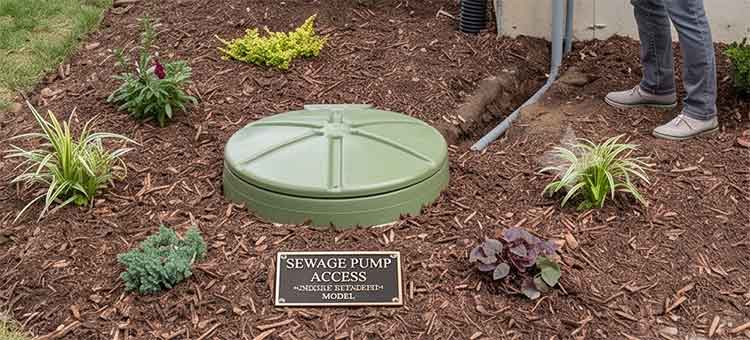
Match the pump to the fluid that will actually reach it. If the basin sits after a septic tank that is pumped regularly and the outlet baffle is intact, an effluent pump is the efficient choice.
If the basin collects everything from toilets and sinks with no prior settling, a sewage pump is mandatory. When a system is being upgraded, I always open the tank or basin and look at the fluid before ordering.
Clear amber liquid points to effluent; gray slurry with visible paper points to sewage. That five-minute inspection has saved more than one homeowner from buying the wrong unit twice.
- Installation and Maintenance Realities
Both pumps need a solid base, a check valve on the discharge, and a vented lid. Effluent installations often include a high-water alarm because the pump chamber is remote and a failure can go unnoticed until the drain field surfaces.
Sewage installations in basements almost always carry an alarm that is loud enough to wake the household. Annual inspection of the float, cord seal, and check valve prevents most surprises. Keep a spare float switch on the shelf; it is the part that fails most often on either type of pump.
- Cost Considerations over the Full Life Cycle
The purchase price of an effluent pump is usually lower, yet the total cost of ownership depends on electricity, service frequency, and replacement interval.
A sewage pump that lasts seven years in a busy basement may cost more per year than an effluent pump that lasts twelve years on a quiet septic system. Factor in the price of a service call in your area; pulling either pump is rarely a one-hour job once travel and basin cleaning are included.
Also Read: Differences Between Sump Pump And Utility Pump.
Frequently Asked Questions (FAQ)
No. Effluent pumps handle clarified liquid with small particles; sewage pumps handle raw waste with large solids.
No. Sewage is the raw mixture leaving the house; effluent is the liquid that remains after solids settle in a septic tank.
With regular tank maintenance they commonly last 7 to 15 years.
Sewage pumps pass solids; dewatering pumps move relatively clean water and clog quickly on solids.
Wrapping Up
I have walked through the practical differences so you can look at your own system and decide which pump belongs there. When the fluid matches the design, both types deliver reliable service for years.
Choose according to the solids you actually have, keep the upstream tank or basin clean, and the pump will stay out of your way instead of becoming the next repair bill.