
I’ve spent the last several years rotating between DeWalt XR and Milwaukee Fuel tools on framing jobs, finish carpentry, deck builds, and the occasional heavy demo.
If you’re trying to decide where to put your next tool investment, this comparison lays out how the two platforms behave in real conditions so you can pick the one that lines up with the way you work day after day.
| Aspect | DeWalt XR | Milwaukee Fuel |
| Battery Platform | 20V MAX with FlexVolt and PowerStack options | M18 REDLITHIUM with FORGE high-output packs |
| Motor Technology | Brushless with smart load management | POWERSTATE brushless plus REDLINK PLUS electronics |
| Typical Torque (Impact Driver) | Around 1,825 in-lbs | Often 2,000+ in-lbs in recent models |
| Typical Torque (Drill) | 820–1,000 in-lbs range | 1,200 in-lbs class in flagship models |
| Bare Tool Weight (avg drill/impact) | Balanced, sometimes slightly heavier in certain models | Frequently more compact and lighter in tight spaces |
| Price Level | Generally lower entry and kit pricing | Premium pricing across most comparable tools |
| Standout Tech | FlexVolt voltage switching, E-Clutch, 3-speed gearboxes | Auto-Stop kickback protection, DRIVE CONTROL modes, fast-charging FORGE |
| Best Suited For | Versatility, long steady work, value-focused buyers | Raw power demands, specialized trades, quick recharge cycles |
Key Differences Between DeWalt XR and Milwaukee Fuel
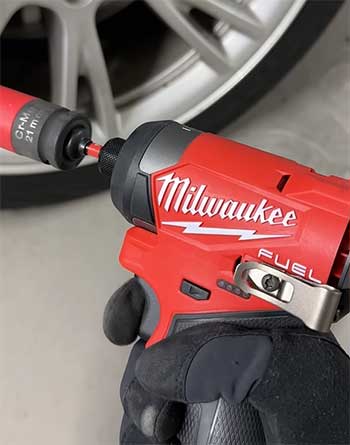
- Battery Technology and Ecosystem Flexibility DeWalt’s XR platform uses 20V MAX batteries with the FlexVolt system that automatically switches to 60V for high-draw tools like certain saws. One battery set can handle both everyday drills and bigger equipment without extra purchases. Milwaukee stays with the M18 system but uses REDLITHIUM and newer FORGE packs that deliver strong sustained power and recharge much faster with compatible chargers. On mixed jobs I found FlexVolt simplified what I carried, while Milwaukee’s quick top-ups kept momentum going during short breaks.
- Power Delivery and Real-World Torque Feel Milwaukee Fuel tools usually post higher peak torque numbers and feel more aggressive when driving long lags or breaking loose stubborn fasteners. DeWalt XR applies power more smoothly and progressively, which helps maintain control during longer sessions. In my experience the Milwaukee finished some heavy fastening tasks slightly quicker, but the DeWalt stayed easier on the wrists once fatigue set in later in the day.
- Ergonomics, Weight, and Fatigue Over Long Days Some Milwaukee Fuel models are more compact and lighter, which helps in tight mechanical spaces or overhead work inside cabinets. DeWalt XR tools often feel more balanced once the battery is attached and produce less noticeable strain during extended repetitive tasks. After full shifts the smoother trigger response on DeWalt models reduced the low-level forearm fatigue I sometimes felt with more aggressive tools.
- Tool Specialization and Ecosystem Breadth Milwaukee offers a deep selection of specialized Fuel tools for electrical, plumbing, and HVAC work, including items like rebar cutters and pipe threaders. DeWalt spreads its XR lineup across general construction and finish carpentry while using FlexVolt to bridge into larger cordless saws and grinders. Your trade usually determines which catalog feels more complete once you move beyond basic drills and impacts.
- Price, Value, and Long-Term Cost of Ownership Milwaukee Fuel tools and batteries generally carry a higher price for comparable performance. DeWalt often lets you build a solid kit or add extra batteries for noticeably less money upfront. The difference matters when outfitting a crew or expanding your collection, though long-term durability on both sides keeps overall ownership costs closer than the initial gap suggests.
- Electronics, Safety Features, and Smart Integration Milwaukee includes REDLINK PLUS communication and Auto-Stop kickback protection that cuts power quickly if a bit binds. DeWalt added E-Clutch anti-rotation on newer models plus refined three-speed gearboxes for better material-specific control. Both reduce injury risk compared with older tools, but Milwaukee leans toward automatic protection while DeWalt gives more manual mode options in some cases.
Also Read: Differences Between DeWalt XR And Flexvolt.
Key Features of DeWalt XR
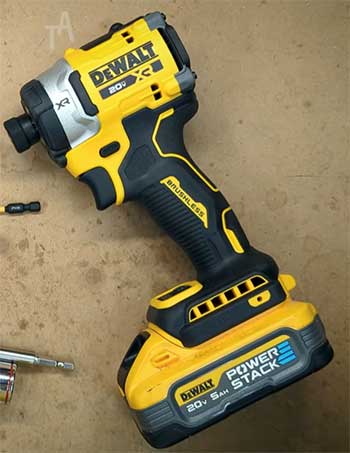
- Brushless Motors with Intelligent Load Management Every XR tool uses a brushless motor tuned for efficiency and heat control. The electronics adjust output in real time so the tool maintains speed under changing loads instead of bogging down or overheating quickly. On a recent interior trim job I ran the same XR impact driver for most of the day without noticing the motor getting hot even when I leaned on it for long screws. That consistent behavior helped me keep a steady pace without stopping to let anything cool.
- FlexVolt Battery System for Voltage Flexibility The FlexVolt pack starts at 20V for standard tools and switches internally to 60V when paired with compatible high-power tools. This removes the need to carry two separate battery families if you occasionally need more muscle from a saw or grinder. I have used one set of FlexVolt batteries across a drill, impact, and circular saw on the same project and avoided the usual battery juggling that happens with single-voltage systems.
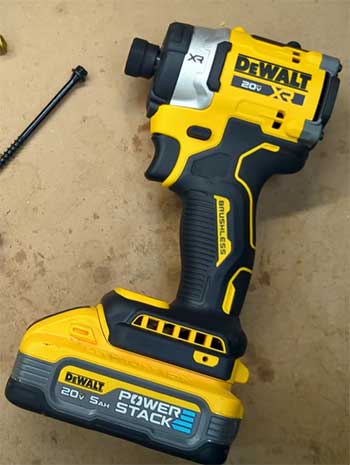
- PowerStack Compact Battery Option DeWalt’s pouch-cell PowerStack batteries pack high current into a noticeably smaller and lighter housing. When I swapped a standard 5Ah pack for a PowerStack in my impact driver, the tool felt quicker to maneuver overhead and less tiring during repetitive work above shoulder height. Runtime stayed competitive for most fastening tasks while the reduced weight changed how the tool sat in my hand.
- Three-Speed Gearboxes and Refined Trigger Control Many XR drills and impacts include a three-speed transmission plus smooth trigger response. You can choose low speed for precision drilling in metal or high speed for rapid production fastening. The control helped on a cabinet installation where I needed to set screws without over-driving or stripping soft wood. The same tool could then shift to higher speed for structural work later.
- E-Clutch and Anti-Rotation Protection on Newer Models Recent XR hammer drills added an electronic clutch that senses bit bind and shuts the motor down before your wrist takes the full twist. I tested this on larger hole saws in plywood and felt the tool stop cleanly instead of trying to spin in my hands. It adds a layer of safety that older brushed tools never offered.
Pros of DeWalt XR
- Strong value that lets you expand your kit faster You can often buy two XR tools or a larger battery set for the price of one comparable Fuel tool. That difference added up when I was building out a second work truck; the money I saved on the DeWalt side went straight into extra batteries and a spare charger that kept the whole crew moving.
- Smoother power delivery that reduces fatigue on long shifts The progressive feel of the XR tools helped my hands and arms stay fresher after eight or nine hours. On finish work where precision matters more than brute force, the controlled response let me work longer without the low-level tension that sometimes builds with more aggressive tools.
- FlexVolt gives you a built-in upgrade path for bigger tools One battery family handles both everyday 20V tasks and occasional 60V needs. I used the same packs on a compact impact and then on a full-size circular saw without carrying duplicate batteries, which simplified packing the truck on mixed job days.
- Widely available batteries and service network DeWalt packs and chargers show up on almost every jobsite and in most big-box stores. When a battery eventually aged out, I could grab a replacement during a quick supply run instead of waiting on special order.
- Refined ergonomics for extended overhead or awkward reach work The balance and grip shape on several XR drills and multi-tools felt natural for long periods above shoulder height. That comfort translated into fewer micro-breaks and steadier output when I was hanging ceiling strapping or running wire in tight attics.
Cons of DeWalt XR
- Lower peak torque on some flagship tools compared with Milwaukee equivalents When I needed maximum breakaway force on rusted or over-torqued fasteners, the DeWalt sometimes required a second attempt or a longer lever where the Milwaukee finished in one go. For most residential work the gap stayed small, yet it became noticeable on heavier commercial framing.
- Battery ecosystem lacks some of the ultra-fast charge options Milwaukee offers Standard XR chargers move at a normal pace. If your crew runs high-draw tools continuously, you may need more batteries in rotation to avoid downtime compared with a Milwaukee setup that can recharge a pack during a short break.
- Some users report the tools feel slightly bulkier in very confined spaces While balance is generally good, certain XR models sit a bit longer front to back than the most compact Milwaukee options. In deep cabinets or between closely spaced studs that extra length occasionally required an extra reach or different body position.
- Warranty coverage is typically shorter than Milwaukee’s on many items DeWalt’s standard three-year tool warranty is solid, but Milwaukee often advertises five years on Fuel tools and batteries. For contractors who keep detailed records and expect maximum coverage, the difference can influence the decision.
Also Read: Differences Between Milwaukee M12 And M18.
Key Features of Milwaukee Fuel
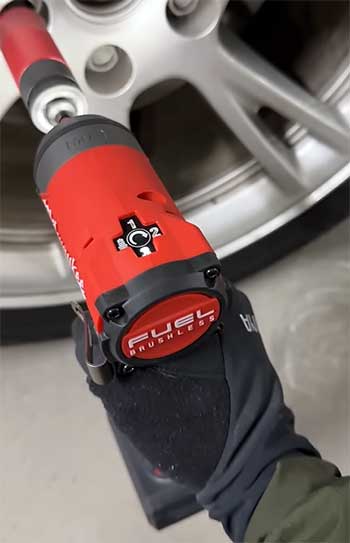
- POWERSTATE Brushless Motors Built for Peak Output Milwaukee engineered the Fuel motors to pull maximum power from the battery while staying compact. In practice that translated to stronger initial torque when I needed to break loose stubborn fasteners or drive large lags. The motor responded quickly and maintained speed even as the battery voltage sagged slightly toward the end of a long cut or drill sequence.
- REDLITHIUM and FORGE Battery Chemistry The batteries communicate constantly with the tool through REDLINK PLUS. FORGE packs add higher sustained output and dramatically faster charging when paired with the right charger. On one framing day I rotated two FORGE batteries through a Fuel circular saw and impact driver; the quick top-up during lunch kept me from losing momentum the way slower charging systems sometimes force.
- DRIVE CONTROL and Multiple Performance Modes Many Fuel impacts and drills include selectable modes that change speed and torque curves. One mode prioritizes control for delicate work, another maximizes speed, and a third focuses on torque. I used the low-torque mode when installing hardware on prefinished millwork and switched to the high-torque setting for ledger board lags without changing tools.
- Auto-Stop Kickback Protection The gyro-based Auto-Stop feature cuts power almost instantly if the tool detects sudden rotation from a binding bit. During overhead drilling in joists I appreciated the extra margin; the tool stopped before my wrist could twist uncomfortably. It functions as a silent partner that watches for situations you might miss when focused on the cut line.
- Broader Specialized Tool Lineup in the M18 Family Milwaukee offers Fuel versions of tools that many other brands treat as afterthoughts, such as dedicated rebar cutters, cable cutters, and pipe threaders. If your work regularly involves those tasks, having a single battery platform that already includes them removes the need to buy or rent separate equipment.
Pros of Milwaukee Fuel
- Higher raw torque and faster fastener driving in demanding applications The aggressive response of Fuel impact drivers and drills let me finish certain repetitive fastening tasks quicker, especially when working with pressure-treated lumber or structural screws. That speed advantage compounds over the course of a large deck or wall.
- Excellent fast-charging ecosystem with FORGE batteries Pairing FORGE packs with the high-output charger meant I could rotate just two or three batteries through heavy tools and stay productive. The quick recovery during brief stops kept momentum high on days when every minute counted.
- Strong safety features like Auto-Stop reduce wrist strain risk The kickback protection engaged cleanly in several bind situations and prevented the kind of sudden twist that used to leave me sore the next morning. It functions as built-in insurance for high-torque work.
- Deep catalog of specialized trade tools on one platform Electricians, plumbers, and HVAC techs can stay inside the M18 system for most of their daily tools instead of mixing brands. That single-battery simplicity reduces complexity when managing a mixed crew.
- Often feels more compact and nimble in tight mechanical spaces Several Fuel tools trimmed enough size and weight to make a noticeable difference when I was working inside finished walls or under cabinets where every inch of maneuverability helps.
Cons of Milwaukee Fuel
- Higher purchase price across most comparable tools and batteries Building an equivalent kit or adding a spare battery set costs more upfront. For solo operators or small crews watching every dollar, that premium can delay expansion or force harder choices about which tools to buy first.
- Aggressive power delivery can feel tiring during very long steady production The sharp initial hit that helps on tough fasteners sometimes translated into more vibration feedback over hours of repetitive work. I noticed my hands needed more frequent short breaks compared with the smoother DeWalt feel on similar tasks.
- Some users find the tool bodies slightly more front-heavy in certain models While many Fuel tools are compact, a few of the higher-torque versions carried more weight toward the nose. That balance required a small adjustment in grip when working overhead for extended periods.
- Battery and charger ecosystem can feel more proprietary and expensive to expand Milwaukee’s fast-charge advantages rely on specific charger and battery pairings. Replacing or adding to that side of the system sometimes carried a steeper cost than DeWalt’s more widely compatible standard packs.
Also Read: Differences Between Milwaukee Sawzall And Hackzall.
Frequently Asked Questions (FAQ)
DeWalt’s XR line serves as the comparable premium brushless tier. It focuses on extended runtime, efficient motors, and strong overall performance that competes directly with Milwaukee’s top Fuel tools in most general construction and fastening tasks.
It depends on your priorities. Milwaukee often delivers higher peak torque and faster recharge on high-output batteries, which helps on heavy or specialized work. DeWalt matches or exceeds it in smoothness, value, and battery flexibility for many everyday jobs, so “better” comes down to the specific demands of your projects.
Both brands build professional-grade tools with excellent durability. Milwaukee tends to emphasize raw power and certain safety electronics, while DeWalt emphasizes balanced ergonomics and ecosystem versatility. Quality is high on both sides; the difference shows more in how each tool feels during extended use than in outright failure rates.
DeWalt XR tools usually cost less than equivalent Milwaukee Fuel models, so the question often flips to whether Milwaukee’s extra cost is justified. If your work benefits from higher torque or specialized tools and you value fast charging, the premium can pay off. For most users focused on value and broad usability, DeWalt XR already provides strong performance without the higher price tag.
Wrapping Up
After running both platforms side by side on the same types of work, the decision comes down to what you value most in your daily routine.
If you want maximum torque, fast recharge cycles, and a deep selection of specialized mechanical tools, Milwaukee Fuel gives you that edge and often justifies the higher price for crews that stay busy with demanding applications.
If you prefer smoother control, strong value that lets you grow your kit quickly, and the flexibility of a battery that works across voltage levels, DeWalt XR delivers reliable performance without forcing you to spend as much to get started or expand.
Many people end up staying with whichever system they already own batteries for, and that makes complete sense once you have four or five packs in rotation.
Test both if you can borrow or demo them on your actual work. The tool that feels better in your hand after a full day is usually the one worth investing in.