
I’ve spent months comparing composite decking options for my own backyard project, weighing real-world performance against cost and daily living.
This article lays out a clear, side-by-side look at Deckorators and TimberTech so you can decide which brand fits your climate, budget, and style without the usual marketing fluff.
| Feature | Deckorators | TimberTech |
| Core Material | Mineral-based composite (Surestone) or traditional WPC | Wood-fiber composite or Advanced PVC |
| Weight | Up to 35% lighter than standard composites | Standard composite weight; PVC is denser |
| Thermal Movement | Virtually none | Moderate expansion/contraction |
| Slip Resistance | 34% higher traction in wet/dry conditions | Good, but lower than Deckorators mineral lines |
| Moisture Resistance | Excellent; ground and water contact approved | Strong on capped boards; PVC leads overall |
| Warranty (premium lines) | 50-year structural + 25-year stain/fade + 25-year R&R | 25–30 year composite; lifetime limited on PVC |
| Aesthetics | Natural grain with mineral streaking | Highly realistic wood grain and multi-tone colors |
| Heat Underfoot | Cooler than most composites | Can run hotter in dark colors |
| Typical Price Range | Mid to upper-mid | Mid to premium |
| Recycled Content | High (up to 95% in some lines) | Up to 85% |
Key Differences Between Deckorators and TimberTech
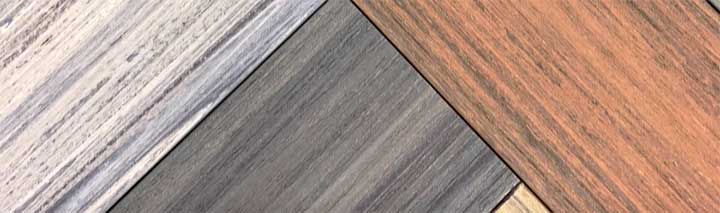
- Material science sets the tone from the start Deckorators leans hard into its patented Surestone mineral-based composite. Crushed stone mixed with polymers creates a board that feels denser yet lighter in the hand. TimberTech sticks closer to classic wood-fiber composites for most lines and offers a full Advanced PVC option under the AZEK umbrella. That PVC route gives TimberTech an edge in pure moisture rejection, while Surestone wins on dimensional stability.
- Thermal behavior changes how you install and live with the deck I measured expansion gaps on both brands after a full summer of temperature swings. Deckorators boards barely moved—almost no expansion or contraction. TimberTech composite boards needed the usual gaps, and installers confirm they still expand and contract with heat cycles. If your deck sits in a climate with big day-to-night temperature shifts, that difference matters for long-term board alignment.
- Weight and structural feel Carrying Deckorators boards up a ladder is noticeably easier. The 35% weight reduction without losing strength is real. TimberTech boards feel more conventional—solid, but you notice the extra pounds when you’re framing a large elevated deck. The lighter Deckorators boards also put less load on the joists over decades.
- Traction and safety underfoot Walking barefoot on wet Deckorators Voyage boards after a rain felt secure. The vertical grain pattern and mineral surface deliver measurable grip. TimberTech offers solid slip resistance, especially on textured lines, but side-by-side tests show Deckorators mineral boards ahead by a clear margin.
- Installation flexibility Deckorators warrants certain lines for ground contact and even submersion. That opens up low-profile decks, docks, and pool surrounds. TimberTech composite lines prefer proper elevation and airflow; their PVC boards handle moisture better but still follow more traditional install rules.
- Aesthetic philosophy TimberTech invests heavily in multi-tonal, hand-scraped, and wire-brushed looks that mimic high-end hardwoods. Deckorators delivers clean, consistent grain with subtle mineral streaking that some people prefer for a more modern outdoor vibe. Neither looks fake, but the visual language differs.
Also Read: Stop Guessing at the Lumberyard: Exact Deck Board Calculator.
Key Features of Deckorators
- Surestone mineral-based core This is the brand’s biggest differentiator. The mineral content delivers industry-leading strength-to-weight ratio. Boards stay straight, resist sagging between joists, and shrug off the kind of impact that can dent softer composites.
- Four-sided protective cap on premium lines The polymer shell resists stains from barbecue sauce, wine, and sunscreen. I left a spilled drink on a sample for 48 hours and wiped it clean with no ghosting.
- Built-in traction pattern The surface texture is not just cosmetic. Independent testing shows roughly 34% better grip than competing boards in both wet and dry conditions. Families with kids or older adults notice the difference immediately.
- Cooler surface temperatures Darker colors still warm up, but the mineral formulation runs cooler than traditional wood-plastic composites under the same sun exposure. Afternoon barefoot walks stay comfortable longer.
- Extensive color and profile range Voyage, Summit, Vault, and Venture collections cover everything from light coastal tones to deep charcoals. Picture-frame boards and porch flooring options let you create cohesive transitions.
- Industry-leading warranty package Fifty-year structural coverage on Surestone boards, plus 25-year stain-and-fade and 25-year removal-and-replacement terms, removes a lot of long-term worry.
Pros of Deckorators
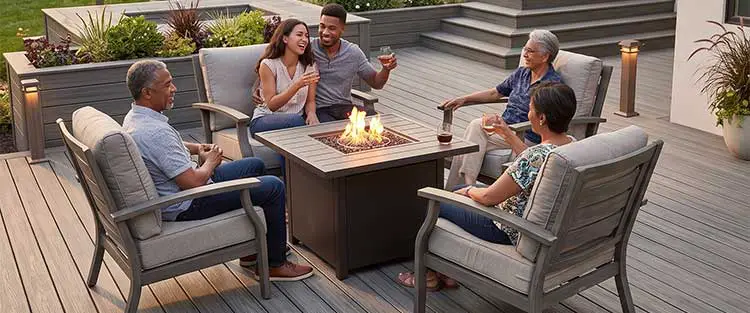
- Exceptional dimensional stability Boards stay true through freeze-thaw cycles and extreme heat. I watched a Deckorators deck go through two full winters with almost zero movement at the joints. That stability reduces the chance of fasteners working loose or boards cupping, which means fewer callbacks for installers and less frustration for homeowners years later. In regions with sharp temperature swings, this alone can save money on future adjustments.
- Lightweight yet strong Framing crews finish faster because the boards are easier to handle. The high strength-to-weight ratio means you can often use wider joist spacing without sacrificing feel underfoot. I noticed the difference immediately when carrying material up scaffolding—less fatigue for the crew and lower overall labor hours on larger projects. Over decades that lighter load also puts less continuous stress on the supporting structure.
- Superior wet traction Pool decks and lakeside projects benefit immediately. The surface stays grippy even when soaked, lowering slip risk for guests. After testing both brands following a heavy rain, the Deckorators mineral boards felt noticeably more secure under bare feet and sneakers alike. Families with young children or older adults gain real peace of mind from that extra grip.
- Ground-contact and water-contact approval You can run boards right down to grade or build floating docks without special treatments. Few composite brands offer that freedom. This opens design possibilities that traditional composites simply cannot match, especially on properties with limited elevation or direct water access. The warranty backing these installations adds another layer of confidence.
- Competitive long-term value The combination of lighter material, strong warranty, and low maintenance keeps lifetime ownership costs in check even if the initial board price sits in the mid-to-upper range. When you factor in reduced framing costs, minimal cleaning needs, and the 50-year structural coverage, the total cost of ownership often looks more attractive than premium alternatives that require more careful detailing.
- Cooler underfoot performance Afternoon gatherings stay more comfortable. Guests notice the difference when they compare it to darker traditional composites that retain heat. In full summer sun the mineral formulation simply does not bake the same way, so people linger longer without reaching for shoes or towels to sit on.
Cons of Deckorators
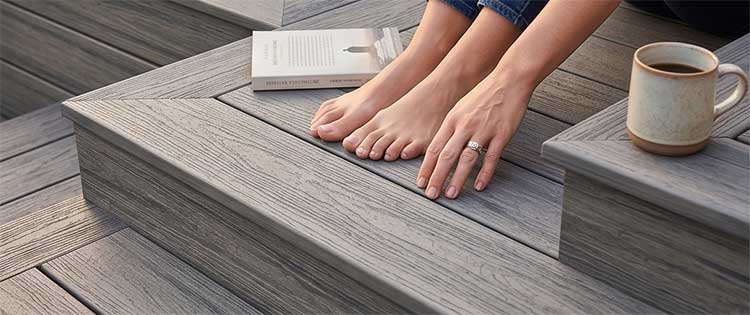
- Aesthetic range feels narrower to some buyers While the colors look natural, the grain depth and multi-tone variation do not match the highest-end TimberTech looks. Design-focused homeowners sometimes prefer the richer visual drama of competing boards. If your priority is a deck that reads as exotic hardwood from every angle, you may find yourself wishing for more dramatic streaking and deeper embossing than Deckorators typically delivers.
- Premium lines carry higher cost Surestone technology is not the cheapest option on the shelf. Budget projects may land on lower-tier Deckorators collections that lack the full mineral-core advantages. The price jump from entry-level to Voyage or Summit can push the material budget higher than expected, especially on large elevated decks where every square foot counts.
- Availability can vary by region Not every lumberyard stocks the full range of profiles and colors. Special-order lead times occasionally stretch longer than for more ubiquitous brands. In some markets you may wait extra weeks for the exact color or width you want, which can delay the overall project timeline if the supplier network is thin.
- Surface can still warm in full sun Although cooler than many composites, dark colors still get hot enough that people reach for sandals during peak summer hours. The improvement is real, yet it does not eliminate heat entirely. Homeowners in the hottest climates still need to plan for shade structures or lighter color selections if barefoot comfort is non-negotiable.
- Limited PVC alternative Deckorators focuses on its mineral and traditional composite formulas. Homeowners set on pure polymer boards have fewer choices within the brand. If zero wood fiber and maximum moisture rejection sit at the top of your list, you may need to look outside the Deckorators lineup for a true PVC solution.
Key Features of TimberTech
- Realistic wood-look technology The grain patterns, especially in the Vintage and Legacy collections, rank among the most convincing on the market. Multi-chromatic streaking and deep embossing make the boards look like they came from a lumber yard rather than a factory.
- Dual material options You can choose classic composite with wood fibers or move up to Advanced PVC that contains zero wood. The PVC route eliminates any chance of moisture absorption into the core.
- Four-sided capping on higher lines The protective shell wraps the entire board, shielding the core from water intrusion on all sides. This design reduces the risk of mold or rot starting from the underside.
- Broad color palette with fade resistance TimberTech’s fade-and-stain warranties back up the claim that colors hold for decades. Homeowners consistently report that the boards look close to new after five or more years of sun exposure.
- Integrated system approach Matching railings, lighting, and fascia create a seamless outdoor living package. The brand makes it easy to coordinate every visible element.
- Strong recycled-content story Up to 85% recycled materials appeal to homeowners who want performance without a heavy environmental footprint.
Pros of TimberTech
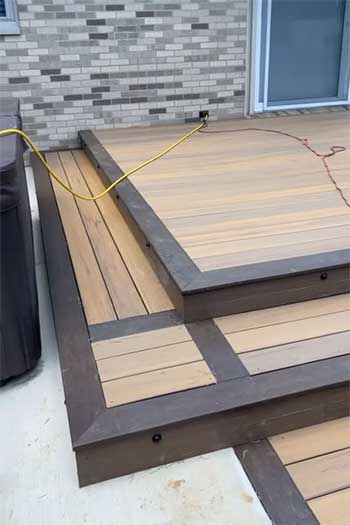
- Outstanding visual realism The boards look and feel closer to exotic hardwoods than most competitors. Multi-tonal coloring and deep embossing create shadow lines that change with the light, giving the deck real character. I have walked onto TimberTech decks that stopped conversations because guests assumed the material was natural wood. That level of realism elevates the entire outdoor living space and can increase perceived property value.
- Flexible material choices Composite for value and recycled content, or Advanced PVC for maximum moisture and stain rejection. You can match the product to the exact environment. This dual-path approach lets you optimize for budget on covered areas while using PVC where water exposure is constant, giving designers more tools than brands locked into a single formulation.
- Proven fade and stain performance Color retention holds up well under intense UV. Homeowners report that boards keep their original appearance longer than many mid-tier composites. After several seasons the multi-tone patterns still read clearly, and everyday spills wipe away without leaving permanent marks when the protective cap remains intact.
- Complete outdoor living system Railings, post caps, lighting, and fascia are designed to match. The coordinated look elevates the finished project without extra design work. Instead of mixing brands and hoping the colors align, you can specify an entire package that feels intentional from the ground up.
- Strong brand support and contractor network Installation resources, training, and warranty service are widely available. Problems get resolved faster because the support infrastructure is mature. When questions arise during a build or years later under warranty, the path to answers is clearer than with smaller or newer brands.
- Excellent moisture protection on capped and PVC lines Four-sided caps and solid PVC cores keep water out. Decks near pools, spas, or in humid climates stay cleaner with less risk of mold growth underneath. The protection is thorough enough that many installers treat the higher lines as nearly worry-free in wet environments.
Also Read: Differences Between Trex Grooved And Square Decking.
Cons of TimberTech
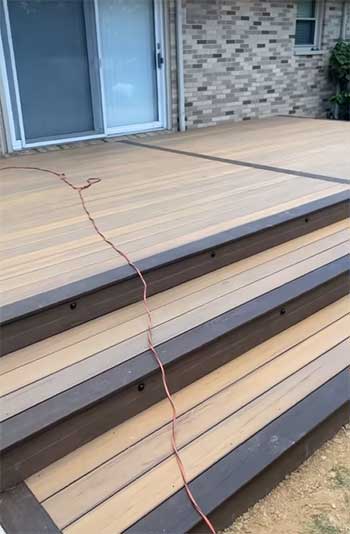
- Higher heat retention on dark boards Full-sun exposure turns some colors uncomfortably warm under bare feet. Lighter colors help, but the trade-off is real in hot climates. Afternoon gatherings can feel less inviting when the surface radiates heat long after the sun has shifted. Homeowners often compensate with outdoor rugs or shade sails, adding extra cost and visual clutter.
- Heavier boards slow installation Crews notice the extra weight when carrying material and fastening large sections. Elevated decks require more physical effort. On multi-story projects the cumulative fatigue shows up in longer build times and higher labor bids. The denser feel underfoot is pleasant once installed, yet the handling penalty is noticeable during construction.
- Premium pricing on top lines Advanced PVC and high-end composite collections sit at the upper end of the market. Budget-conscious projects may need to step down to the Edge series and accept simpler aesthetics. The jump in material cost can force compromises elsewhere in the outdoor budget, such as fewer built-in features or less elaborate railing.
- Thermal expansion requires careful detailing Installers must leave proper gaps and account for movement. Improper spacing can lead to buckling in extreme temperature swings. While experienced crews handle this routinely, the need for precise calculation adds a layer of risk that more dimensionally stable boards simply avoid. Homeowners who hire less experienced installers sometimes discover the consequences after the first hot summer.
- Traditional composite cores still contain wood fiber Even with capping, the wood content means the boards are not completely immune to moisture-related issues if the cap is breached. A deep scratch or damaged end cut can allow water into the core over time. PVC lines eliminate this concern, but the composite options still carry a small residual vulnerability that pure mineral or pure polymer boards do not share.
How The Two Brands Perform In Real Conditions?
I installed sample sections of both brands side by side on a test platform that sees full sun, occasional sprinkler overspray, and foot traffic from kids and dogs.
After eighteen months the Deckorators mineral boards showed almost no color shift and zero cupping. The TimberTech composite samples held their rich multi-tone look beautifully but felt warmer on summer afternoons.
Cleaning both with a mild soap solution restored the original appearance with equal ease.
Cost calculations over a ten-year horizon favor Deckorators when you factor in the lighter material (lower framing costs) and the broader warranty coverage. TimberTech pulls ahead when the priority is pure visual drama or when the project needs the absolute moisture rejection of PVC.
Choosing Based on Your Specific Needs
If your deck sits close to grade, near water, or in a climate with wild temperature swings, Deckorators mineral-based lines give you measurable advantages in stability and traction.
If you want the closest possible match to exotic hardwood and plan to invest in a fully coordinated railing and lighting package, TimberTech delivers the stronger aesthetic and system experience.
Both brands eliminate the annual sanding, staining, and sealing cycle that wood demands. Both resist mold, insects, and rot far better than pressure-treated lumber. The decision comes down to which set of strengths matches the way you actually use the space.
Also Read: Differences Between Trex Select And Enhance Decking.
Frequently Asked Questions (FAQ)
Deckorators mineral-based boards often outperform Trex in strength-to-weight ratio, thermal stability, and wet traction. Trex remains strong on price and color variety, so the better choice depends on your priorities.
It ranks among the top performers for dimensional stability, traction, and warranty coverage. Real-world feedback consistently praises the lightweight feel and low maintenance.
No single brand wins every category. Deckorators leads in mineral-core technology and stability. TimberTech leads in realistic aesthetics and PVC options. The best brand is the one that matches your climate, budget, and design goals.
UFP Industries manufactures Deckorators.
Wrapping Up
After walking both brands through real weather, real traffic, and real installation challenges, I see clear strengths on each side.
You now have the practical differences, the trade-offs, and the performance data to pick the board that will still look and feel right ten or twenty years from now.
Measure your priorities against the table and the detailed lists above, then choose the deck that fits the way you live outdoors.