
When I compare Daikin and Carrier, I’m not just looking at brand names. I’m looking at comfort, energy savings, noise, reliability, smart features, repair costs, and long-term value.
You want an AC or HVAC system that cools well, lasts long, and doesn’t punish your wallet every month.
So in this guide, I’ll break down both brands from a real buyer’s point of view and help you decide which one fits your home better.
| Factor | Daikin | Carrier |
| Best for | Energy efficiency, inverter technology, ductless systems | Premium central HVAC, smart comfort, strong dealer network |
| Comfort style | Smooth, steady cooling | Precise, controlled cooling |
| Noise level | Usually very quiet, especially mini-splits | Very quiet in premium Infinity models |
| Technology | Inverter compressors, VRV/VRF heritage, smart controls | Greenspeed Intelligence, Infinity controls, variable-speed systems |
| Price range | Often competitive, varies by region | Often premium, especially Infinity line |
| Installation needs | Strong installer quality matters | Strong installer quality matters |
| Repairs | Parts availability depends on local market | Dealer support is often strong in many areas |
| Best product strength | Ductless, heat pumps, high-efficiency systems | Central air conditioners, complete home comfort systems |
| Overall pick | Better for efficiency-focused buyers | Better for premium whole-home comfort |
Key Differences Between Daikin and Carrier
- Brand Focus
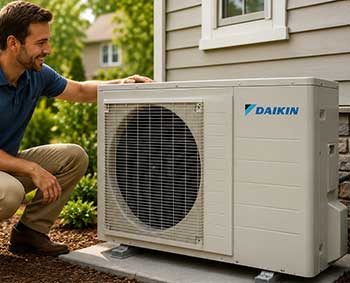
Daikin is heavily known for air conditioning innovation, inverter systems, ductless solutions, and heat pump technology.
I see Daikin as a cooling-first brand with a global engineering mindset. It has a strong presence in residential, commercial, and industrial HVAC.
Carrier, on the other hand, feels like a full home-comfort brand.
It has a long legacy in air conditioning and is especially strong in central AC systems, furnaces, heat pumps, thermostats, and complete HVAC packages. If you want a connected whole-home system, Carrier has a very polished ecosystem.
- Cooling Performance
Both brands cool extremely well when properly installed. The real difference is how they deliver that cooling.
Daikin systems often focus on steady, efficient operation. Instead of constantly turning on and off, many Daikin inverter models adjust output based on the room’s needs. That means fewer temperature swings and more consistent comfort.
Carrier’s premium systems also offer variable-speed performance, especially in the Infinity series. These systems can fine-tune cooling output, manage humidity, and keep rooms comfortable without aggressive cycling.
- Energy Efficiency
Daikin has a strong reputation for efficient inverter technology. If I were shopping for a mini-split or heat pump, Daikin would be high on my list because the brand has deep experience with variable refrigerant flow and inverter-driven designs.
Carrier also offers excellent efficiency, especially in its high-end models. Carrier’s Infinity systems can be very efficient, but you usually pay more upfront for that premium performance.
- Smart Controls
Carrier has an edge if you want a refined communicating system. Its Infinity control platform is one of the stronger smart HVAC control setups, especially when paired with compatible Carrier equipment.
Daikin also offers smart controls and connected options, but the experience can vary more depending on the product line and region. In some markets, Daikin’s controls feel modern and flexible. In others, Carrier may feel more user-friendly.
- Ductless Vs. Ducted Systems
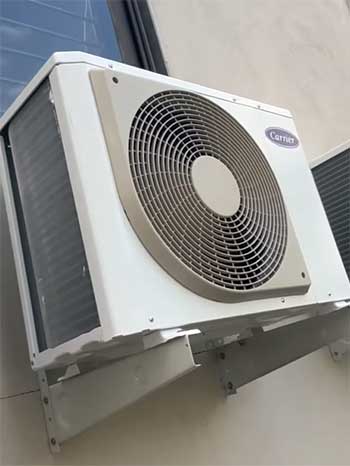
This is one of the biggest deciding points.
For ductless systems, I usually give Daikin the edge.
Daikin mini-splits are popular because they are quiet, efficient, and well-suited for bedrooms, home offices, additions, garages, and homes without ductwork.
For ducted central air, Carrier often feels stronger, especially if you are replacing a traditional central AC and furnace setup.
Carrier’s premium systems are built around whole-house comfort.
- Price Positioning
Daikin can be more budget-friendly in some categories, but not always. Some Daikin premium systems are expensive, especially advanced heat pumps or multi-zone setups.
Carrier often sits on the higher end, especially with Infinity systems. You’re paying for brand reputation, dealer network, advanced controls, and premium comfort engineering.
- Installer Dependence
This part matters more than most buyers realize.
A great Daikin system installed poorly can disappoint you. A great Carrier system installed poorly can also disappoint you. HVAC is not like buying a TV, plugging it in, and calling it a day. Sizing, ductwork, refrigerant charge, airflow, thermostat setup, and installation quality can make or break the system.
Daikin Key Features
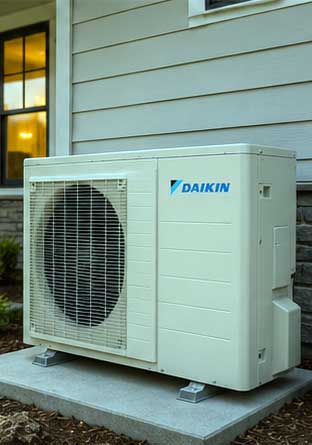
- Inverter Technology: Daikin is known for inverter-driven systems. I like inverter technology because it helps the system run at different speeds instead of simply switching fully on or fully off. That gives you smoother comfort, better efficiency, quieter operation, and less wear from constant start-stop cycling.
- Ductless mini-split options: Daikin’s ductless systems are one of its biggest strengths. If your home has no ducts, weak ducts, or rooms that never feel comfortable, a Daikin mini-split can be a smart fix. I’d consider Daikin for bedrooms, sunrooms, converted garages, small apartments, workshops, and home offices where targeted comfort matters.
- Heat pump strength: Daikin has strong heat pump options for both cooling and heating. For mild to moderate climates, this can be a major advantage because one system can handle both summer cooling and winter heating.
- Quiet operation: Many Daikin systems are designed to run quietly, especially ductless indoor units. That matters if the AC is near your bed, desk, nursery, or living room. A loud AC gets old fast. I’d rather have a system that fades into the background than one that announces every cooling cycle like a small aircraft.
- Zoned comfort: Daikin shines when you want different temperatures in different rooms. Multi-zone ductless systems can let you cool only the rooms you’re using. That can be useful if one person likes a bedroom cold, another prefers the living room warmer, and nobody wants to fight over the thermostat like it’s a family heirloom.
- Air quality options: Depending on the model, Daikin systems may include filtration features, humidity support, and air-cleaning add-ons. I wouldn’t treat any AC as a replacement for a dedicated air purifier, but better filtration can still help with dust and comfort.
- Global HVAC experience: Daikin has a huge global footprint in air conditioning. That matters because the brand has been tested across hot, humid, dry, residential, and commercial conditions.
Daikin Pros
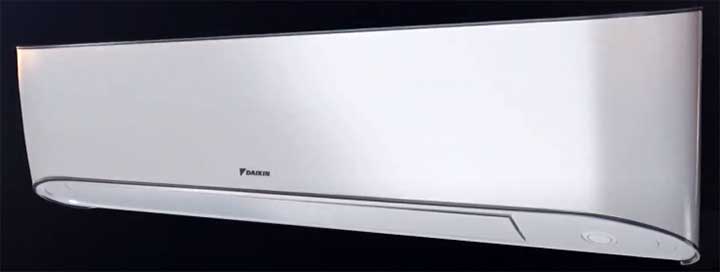
- Excellent Energy Efficiency: Daikin is a strong choice if you care about lowering operating costs. Its inverter systems are designed to avoid wasteful stop-start operation. Over time, that can help reduce energy use, especially if you run your AC often.
- Great ductless options: If I were buying a ductless mini-split, Daikin would be one of the first brands I’d compare. Its ductless lineup is broad, efficient, and well-regarded. For older homes, additions, and rooms without ductwork, this is a big win.
- Quiet indoor comfort: Daikin indoor units are often very quiet. That makes the brand appealing for bedrooms and small living spaces. Quiet cooling is underrated until you’ve lived with a noisy system. Once you experience a smooth, low-noise unit, it’s hard to go back.
- Strong heat pump technology: Daikin’s heat pump experience makes it attractive for homeowners who want both cooling and heating. If you’re moving away from fossil-fuel heating or want efficient electric comfort, Daikin deserves a serious look.
- Smooth temperature control: Inverter systems can maintain temperature more evenly. Instead of big swings between too warm and too cold, Daikin systems can feel more balanced.
- Good value in many markets: Daikin can offer strong performance for the price, depending on where you live and which model you choose. In some areas, Daikin gives you premium technology without the highest premium-brand markup.
- Wide product range: Daikin offers mini-splits, multi-zone systems, ducted systems, heat pumps, commercial systems, and more. That range makes it easier to find a solution for unusual spaces.
Daikin Cons
- Dealer Quality Varies: Daikin can be excellent, but the installer matters a lot. In some regions, finding a highly experienced Daikin contractor may be harder than finding a Carrier dealer. If the installer doesn’t size the system properly or mishandles refrigerant lines, you may not get the performance you paid for.
- Parts availability can depend on location: In some markets, Daikin parts are easy to get. In others, Carrier may have better local supply and faster service response. Before buying, I’d ask the contractor how quickly they can get common replacement parts.
- Controls may feel less polished in some setups: Daikin controls can be good, but Carrier’s premium communicating controls often feel more unified for whole-home systems. If you want a sleek central control experience, Carrier may feel easier to live with.
- Some systems can be expensive: Daikin is not automatically cheap. Multi-zone ductless systems, premium heat pumps, and advanced inverter systems can become pricey once installation is included.
- Not always the obvious central AC choice: For standard ducted central AC replacement, Daikin is still a good option, but Carrier may feel more familiar and established to many homeowners and contractors.
Carrier Key Features
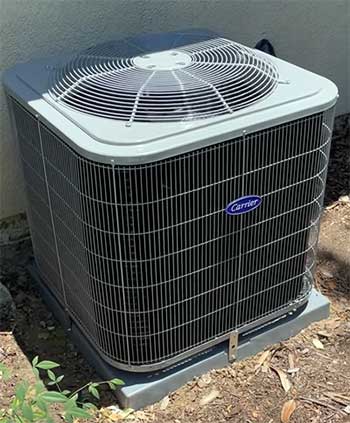
- Infinity System Technology: Carrier’s Infinity series is one of its biggest selling points. I like it because it works as a complete comfort system rather than just a cooling machine. When paired correctly, Infinity equipment can manage temperature, humidity, airflow, and system performance with impressive precision.
- Greenspeed Intelligence: Carrier’s Greenspeed technology combines variable-speed performance with advanced system controls. In simple terms, the system can adjust itself instead of running at one fixed level. That helps with comfort, efficiency, and humidity control.
- Strong central AC lineup: Carrier has a broad range of central air conditioners, from basic models to premium high-efficiency systems. That gives you more room to choose based on budget. You don’t have to buy the top Infinity model to get Carrier reliability, but the premium models are where Carrier feels most impressive.
- Humidity control: This is where Carrier can really shine. In humid climates, cooling alone isn’t enough. You need moisture control. A Carrier variable-speed system can run longer at lower speeds, pulling more humidity from the air without overcooling the home. That can make 75°F feel much more comfortable than a cheaper system that cools fast but leaves the air sticky.
- Smart thermostat integration: Carrier’s smart controls are a major advantage if you like detailed system management. The Infinity control setup can feel more advanced than a basic smart thermostat because it communicates directly with compatible equipment.
- Dealer network: Carrier often has strong dealer availability, especially in many North American markets. That matters for installation, maintenance, diagnostics, warranty support, and repairs.
- Premium build perception: Carrier has a strong reputation as a premium HVAC brand. If resale value, brand familiarity, and dealer confidence matter to you, Carrier has an advantage.
Also Read: Differences Between Ecobee SmartSensor And Room Sensor.
Carrier Pros
- Excellent Premium Comfort: Carrier’s high-end systems are built for comfort. If you want steady temperatures, humidity control, quiet operation, and smart system coordination, Carrier’s Infinity line is impressive.
- Strong brand reputation: Carrier has a long history in air conditioning. That reputation can give you confidence when making a major HVAC investment.
- Great central HVAC systems: For traditional homes with ductwork, Carrier is a strong choice. Its product lineup fits central AC, furnaces, heat pumps, and full HVAC replacements.
- Advanced humidity management: Carrier’s variable-speed systems can help control humidity better than basic single-stage units. This is especially useful in hot, humid regions.
- Strong dealer network: In many areas, Carrier has a large network of trained dealers. That can make installation, maintenance, and repairs easier.
- Smart system controls: Carrier’s Infinity controls are a major selling point. If you like detailed comfort settings and system communication, Carrier feels premium.
- Broad product tiers: Carrier offers different series, so you can choose from entry-level, mid-range, and premium models. That makes it easier to match your budget.
Carrier Cons
- Higher Upfront Cost: Carrier can be expensive, especially the Infinity models. If you’re looking for the lowest upfront price, Carrier may not be your best fit.
- Premium features require compatible equipment: To get the full Carrier experience, you may need matched Carrier components and controls. That can increase the total project cost.
- Repairs may cost more: Premium systems with advanced electronics and communicating controls can be more expensive to repair than basic systems. This isn’t unique to Carrier, but it’s worth knowing before you buy.
- Not always the best ductless value: Carrier offers ductless systems, but Daikin often feels stronger in the ductless category. If ductless is your main need, I’d compare Daikin very closely.
- Can be overkill for simple needs: If you just need basic cooling for a small home, a premium Carrier system may be more than you need. Sometimes a simpler system makes more financial sense.
Which Brand Is Better For Your Home?
Choose Daikin if:
- You want a ductless mini-split
- You want zoned comfort
- You care about inverter efficiency
- You need quiet cooling for bedrooms
- You want a strong heat pump option
- You have rooms without ductwork
- You want efficient comfort without always paying premium-brand pricing
Choose Carrier if:
- You want a central HVAC system
- You already have good ductwork
- You want premium smart controls
- You live in a humid climate
- You value a strong dealer network
- You want a complete matched system
- You’re willing to pay more for refined comfort
Also Read: My Experience With Ducane Air Conditioner.
Frequently Asked Questions (FAQ)
Daikin is often better for ductless, inverter, and zoned systems. Carrier is often better for premium central HVAC systems and smart whole-home comfort.
Daikin can have uneven dealer support in some areas, parts availability may vary, and advanced multi-zone systems can become expensive.
Multiply the repair cost by the system’s age. If the number is over $5,000, replacement may be smarter than repair.
Daikin is widely considered one of the top global HVAC brands and is especially strong in air conditioning, inverter systems, and heat pump technology.
Final Verdict
If I were choosing for a ductless setup, I’d pick Daikin first. It has the right mix of quiet operation, inverter efficiency, zoning flexibility, and heat pump strength.
If I were choosing for a premium central HVAC replacement, I’d give Carrier the edge. Its Infinity systems are polished, powerful, and excellent for whole-home comfort.
But I wouldn’t buy either brand blindly. I’d get quotes from qualified installers, compare model numbers, check warranty terms, ask about parts availability, and make sure the system is sized correctly.
In the Daikin vs. Carrier debate, the real winner is the brand that fits your home, your climate, your budget, and your comfort expectations. If you want efficient, flexible cooling, Daikin may feel like the smarter choice.
If you want premium central comfort with strong controls, Carrier may be the better match for you.