
I’ve owned and maintained a ComfortBilt pellet stove through a couple of winters, and it has delivered reliable heat once everything lines up.
At the same time, it has thrown enough curveballs that I wanted to lay out the real issues owners run into. My goal here is to give you a clear picture of what actually goes wrong, why it happens, and what the patterns look like from someone who has lived with the stove day to day.
This way you can spot problems early, keep yours running smoother, or decide if the ownership experience matches what you need.
The Main Problems That Keep Coming Up with ComfortBilt Pellet Stoves
- Ignition failures and the “Failure to Ignite” message
- Pellets piling up in the burn pot
- Auger feeding troubles and strange noises
- Excessive smoke and rapid soot buildup on the glass
- Sudden shutdowns from low-temperature or overheat alarms
- Power glitches and control issues
- The constant cleaning demands that feed into everything else
Ignition Failures and the “Failure to Ignite” Message
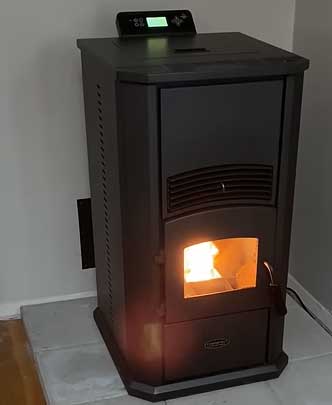
Nothing tests your patience faster than hitting the start button, watching the stove go through its cycle, and then seeing the failure message with no flame.
I have watched pellets drop, the igniter glow, the exhaust fan spin, and still end up with a cold firebox and a reset needed.
The stove depends on three things working together in a tight window: the exhaust fan creating proper airflow and vacuum, the auger dropping the right amount of pellets, and the igniter getting hot enough at the right moment to light them before too many pile up.
If the igniter is even slightly out of position or has weakened from age and residue, it takes longer to light the pellets.
By the time ignition finally happens, there is already too much fuel, the fire smothers itself, and the safety system shuts everything down.
Poor airflow makes it worse. Any restriction or leak means the pellets do not get the oxygen they need right away.
Low hopper levels or bridging pellets can also starve the burn pot during that critical startup phase.
I have found that starting on a higher manual heat level gives the fan more time to move air and improves the odds. Keeping the burn pot completely clean and empty before every attempt matters more than most people realize. A few leftover ashes or clinkers from the last run can throw the whole sequence off.
Over time I noticed the igniter on my unit needed attention more often than I expected. Some owners report replacing them every season or two, especially if they burn pellets with higher ash content.
The position is sensitive; even a small shift during shipping or cleaning can cause repeated failures. Analytically, the system is designed with safety margins that assume everything is clean and aligned. Once real-world dust, pellet fines, or minor wear enter the picture, those margins shrink quickly.
Pellets Piling Up in the Burn Pot
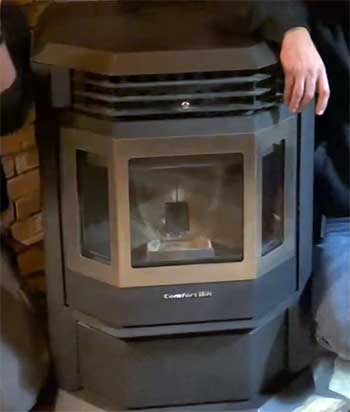
This one shows up as a lazy orange flame, black glass, and eventually a choked fire that forces another shutdown. Pellets just sit there instead of burning away cleanly.
The root cause almost always traces back to airflow not moving through the fuel bed the way it should.
ComfortBilt stoves create negative pressure with the exhaust fan so air gets pulled up through the holes in the bottom of the burn pot, around the pellets, and out the rear chambers.
When that circuit gets disrupted, air takes the path of least resistance and bypasses the pellets.
Common culprits include the burn pot not sitting perfectly flat in its cradle, gaps around the ash pan, or a flattened door gasket.
Even a small leak lets the fan pull air from the wrong place.
Restrictions inside the stove make it just as bad.
Fly ash and soot build up in the rear exhaust chambers and heat exchanger channels surprisingly fast. Once those passages narrow, combustion suffers. Poor pellet quality adds to the problem.
High-ash or dusty pellets create more residue that clogs the burn pot holes and accelerates the whole cycle. I learned the hard way that running cheap pellets for a week could set me back on cleaning for days afterward.
The result is incomplete combustion. You get less heat, more soot on the glass, and a stove that demands attention constantly. Fixing it usually starts with reseating the burn pot, checking every seal, and giving the rear chambers a thorough vacuum.
A simple paper test at the intake pipe can show whether you actually have good vacuum or if leaks and blockages are stealing your airflow. Once those basics are solid, the fire burns brighter and cleaner with far less babysitting.
Auger Feeding Troubles and Strange Noises
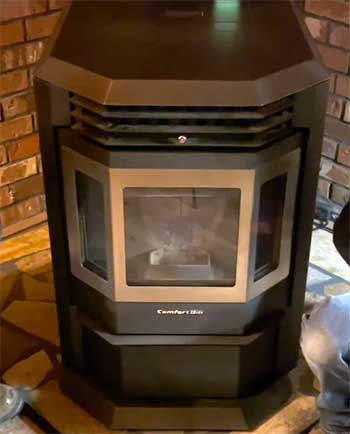
When the auger stops delivering pellets or starts making a chirping, squeaking sound every few seconds, the whole operation feels off.
During ignition the auger may not feed at all even though it works fine in diagnostic mode. Later the stove can shut down because the fire gets too small.
The hopper lid safety switch is a frequent offender.
If the lid is not fully closed or pellets are caught around the edge, the switch prevents the auger from running during startup as a safety feature.
Debris or a slightly faulty switch can trigger the same behavior.
Low hopper levels also cause bridging where pellets stop flowing toward the auger intake. Once the density drops too low, feeding becomes erratic.
After the room blower kicks on, the vacuum switch can cut pellet feed if it does not sense proper negative pressure.
That usually points back to the same airflow issues discussed earlier. Inside the auger tube, sawdust mixed with any moisture creates friction on the flighting or bearings.
Foreign bits that somehow get into a bag of pellets can jam things or make that distinctive chirping noise. Tapping the housing or running graphite through the system sometimes quiets it temporarily, but a real fix often means pulling the auger for a deep clean.
As a user, the noise is more than annoying when it wakes you at night. The feeding interruptions turn what should be steady heat into a cycle of restarts.
I found that keeping the hopper above a quarter full and using consistent, low-dust pellets reduced most of these headaches. Still, the auger system is mechanical and exposed to fine particles, so some maintenance is inevitable.
Excessive Smoke and Rapid Soot Buildup on the Glass
A little smoke at startup is normal, but when it pours out or the glass turns black within hours, something is out of balance.
Weak or misaligned igniters are a top cause because pellets sit and smolder instead of lighting cleanly. Insufficient airflow has the same effect. Without enough oxygen moving through the burn pot, combustion stays incomplete and soot forms quickly.
Dirty internal passages make the problem chronic. Once rear chambers and heat exchangers start to clog, the stove cannot maintain the clean burn it was designed for. Pellet quality plays a big role here too.
Fines and higher moisture content create more smoke and ash right from the start. I noticed that switching to a premium low-ash pellet cut my glass cleaning frequency noticeably.
The practical side is frustrating. You want to enjoy the fire through the glass, not constantly scrape it. More importantly, heavy soot means you are losing efficiency and potentially pushing more particulates into the house if there are any leaks.
Regular weekly vacuuming of the chambers and keeping the igniter and burn pot in good shape keeps smoke and soot under control for most owners.
Sudden Shutdowns from Low-Temperature or Overheat Alarms
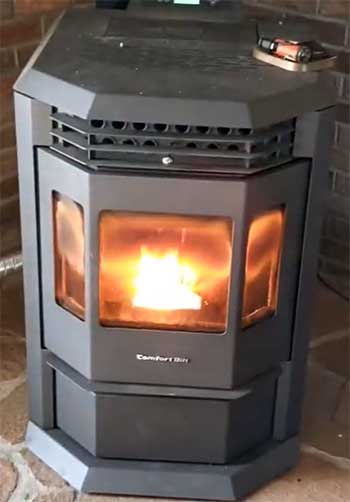
Few things are more inconvenient than the stove shutting down in the middle of the night when temperatures drop.
Low-temperature alerts usually mean the proof-of-fire switch no longer detects enough heat.
The fire got too small because pellet feed dropped, airflow suffered, or the burn pot was not clean enough to support steady combustion.
Overheat shutdowns happen when the room blower cannot move heat away fast enough or when too much fuel is burning relative to the air supply.
Clogged rear chambers reduce heat transfer to the room air, so temperatures inside climb.
A failing or dirty room fan makes it worse.
I have seen both alarms appear after a period of good operation simply because ash had built up enough to change the balance.
These shutdowns are the stove protecting itself and your home.
They force you to investigate the root cause rather than just hitting reset. In practice it means keeping the entire airflow path clean and verifying that fans are spinning freely.
Once those are handled, the alarms become rare events instead of regular interruptions.
Power Glitches and Control Panel Issues
Occasionally the stove simply will not respond. No display, no fans, nothing. Checking the outlet and the rocker switch is the obvious first step.
Beyond that, a blown fuse on the power switch or control board, loose ribbon cables, or a failing control panel can all prevent startup. Some owners report the board or display needing replacement within the first couple of years.
These electronic gremlins feel different from the mechanical issues because they can appear without warning. They also tend to happen at the worst times, like during a cold snap when you need heat most.
Keeping connections tight and replacing fuses when needed solves many cases, but a deeper board problem usually requires parts and patience with support.
The Constant Cleaning Cycle and How It Feeds Every Other Problem
Almost every issue above gets worse when cleaning slips. ComfortBilt stoves, like most pellet units, produce ash and fly ash that must be removed regularly. Burn pots often need attention every day or two during heavy use.
Rear chambers and heat exchangers benefit from a weekly vacuum to keep airflow passages open. Skip a few cleanings and restrictions appear, flames turn lazy, soot builds faster, and shutdowns increase.
The design requires this upkeep because pellets leave residue and the combustion path is relatively narrow.
Owners who treat it like a set-and-forget appliance end up frustrated. Those who build a quick weekly routine report far fewer problems overall. The stove rewards consistency. When you stay ahead of the ash, the other issues become much less frequent.
Also Read: Are Castle Serenity Pellet Stoves Good Quality?
Frequently Asked Questions (FAQ)
They deliver strong heat output and solid efficiency for the price point, but they are sensitive to maintenance and pellet quality. Many owners get years of good service with regular care, while others deal with more frequent part replacements. Quality is average for the category rather than premium.
Clear any error by holding the On/Off button for several seconds. Make sure the burn pot is clean and empty, the hopper has enough pellets with the lid fully closed, and airflow paths are clear. Start on a higher manual setting if possible, then address whatever caused the original shutdown.
Ignition failures, pellet feed interruptions, airflow restrictions causing poor burns or shutdowns, soot and ash buildup, and occasional sensor or fan issues appear across most brands. Pellet stoves require more routine cleaning than gas or wood alternatives because of combustion byproducts.
The ongoing maintenance, unexpected shutdowns during cold weather, noise, and the need to troubleshoot sensors or feeds wear some owners down. Others find pellet costs or the hands-on nature higher than expected and switch to simpler heating options.
Wrapping Up
After living with these issues and talking with other owners, I have come to see ComfortBilt stoves as capable machines that reward attentive ownership. You will probably get the best results by treating maintenance as non-negotiable and using consistent fuel.
If you stay on top of the basics, the stove can provide steady, efficient heat without constant drama. The choice really comes down to whether that level of involvement fits your lifestyle.