
When it comes to keeping surfaces clean and cutting down on germs in a busy household, disinfecting wipes have saved me countless hours.
I have tested both Clorox and Lysol versions through everyday messes from kids, pets, cooking spills, and high-touch areas during cold season.
This comparison lays out how they perform in real use so you can decide which fits your priorities, whether that is scrubbing power, scent, or reliable germ protection on the surfaces you touch most.
| Aspect | Clorox Disinfecting Wipes | Lysol Disinfecting Wipes |
| Active Ingredient | Quaternary ammonium compounds (two types totaling ~0.29%) | Quaternary ammonium compounds |
| Germ-Kill Performance | Kills 99.9% of viruses and bacteria; claims against SARS-CoV-2 in 15 seconds on hard nonporous surfaces | Kills 99.9% of viruses and bacteria; effective on cold/flu viruses and SARS-CoV-2 |
| Wipe Texture | Thicker TripleWeave material built for scrubbing | Softer, more flexible cloth |
| Scent Profile | Fresh, lemon, citrus options with noticeable clean smell | Broader range often rated milder and more pleasant (lemon-lime, ocean, etc.) |
| Safe Surfaces | Finished wood, sealed granite, stainless steel, acrylic, fiberglass, vinyl (100+ surfaces listed) | Hard nonporous surfaces; good on counters, doorknobs, remotes |
| Standout Extras | Allergen removal, prevents odor-causing bacteria growth up to 48 hours | Convenient everyday disinfecting with fresh fragrance |
| Best Everyday Fit | Tough kitchen grease, dried-on spills, high-traffic scrubbing | Quick daily touch-ups where scent and gentleness matter most |
Key Differences Between Clorox And Lysol Wipes

- Thicker build and scrubbing strength set Clorox wipes apart right from the first pull. The TripleWeave texture gives them more body so they do not shred when you press into baked-on pasta sauce or sticky juice rings on the counter. In my kitchen after a weekend of cooking, one Clorox wipe handled the stovetop grease without needing a second pass or extra spray, while thinner options sometimes ball up or leave streaks. This durability also helps the liquid stay in contact longer with the surface, which supports better disinfection results on textured areas like appliance handles. You notice the difference most when cleaning after big meals or when little hands leave fingerprints mixed with food residue. The extra heft makes them feel like a hybrid cleaner-disinfectant rather than just a quick wipe.
- Scent experience tilts toward Lysol for many households. Their formulas often carry lighter, fresher notes that linger without the heavier chemical edge some people associate with strong disinfectants. I have used both back-to-back in the same bathroom and found Lysol left the space smelling cleaner to my nose and to guests who commented. Clorox scents work fine and signal “just cleaned,” but they can read stronger if you have family members sensitive to fragrances or if you disinfect multiple rooms in one session. The difference becomes practical when you want the room to feel inviting again quickly instead of masked by cleaner smell. Lysol’s variety also gives you options to rotate so the scent does not become monotonous over weeks of regular use.
- Kill-time claims and listed pathogens show small but noticeable variations depending on the exact product version. Both deliver solid broad-spectrum action against everyday bacteria like E. coli and staph plus viruses including flu strains and SARS-CoV-2. Clorox highlights shorter contact times for certain viruses on its current labels, while Lysol emphasizes reliable performance on cold and flu viruses with clear four-minute wet times for full disinfection on many surfaces. In practice for home use the difference rarely matters because you usually leave the surface wet anyway while you move to the next spot. The real takeaway is reading the specific canister you buy, since formulations update and both carry EPA registration that backs their claims when directions are followed.
- Focus on cleaning power versus pleasant daily experience creates another split. Clorox positions itself as the one that breaks down messes while it disinfects, which shows up in how well it lifts dried spills without extra scrubbing tools. Lysol leans into convenience and a more enjoyable user experience, making it feel less like a chore when you are wiping down remotes, light switches, or toy bins during flu season. If your main pain point is grease or sticky kitchen residue, the Clorox texture rewards you with less effort. If you mostly need fast germ control between deeper cleans and want the space to smell fresh afterward, Lysol keeps the process lighter.
- Surface compatibility lists overlap heavily but Clorox sometimes spells out more options explicitly, including certain finished woods and sealed stones. Both work safely on stainless steel, sealed granite, and acrylic when you follow the label. Neither belongs on unpainted wood, porous stone, or fabric unless the label specifically allows spot treatment. I tested both on my kitchen counters and bathroom fixtures with no issues, but I always do a quick hidden-spot check first because older finishes or certain plastics can react differently over repeated use. The shared limitation is that neither replaces proper cleaning on heavily soiled areas; they shine brightest as a follow-up step or on lightly soiled high-touch surfaces.
- Packaging and moisture retention affect how long a canister stays useful. Both brands seal well, but Clorox canisters sometimes feel slightly more airtight in my experience, keeping wipes moist longer if you do not use them daily. Lysol canisters are easy to pop open one-handed, which helps when you are juggling a toddler or pet. Count per package runs similar, usually 70-80 wipes, so value comes down to current pricing and how many surfaces you actually hit in a session. Neither is meant for flushing, and both create single-use waste that adds up if you rely on them for every small spill.
- Overall value perception depends on what you clean most often. Clorox often feels like the heavier-duty tool that earns its keep in messy households, while Lysol delivers reliable results with less sensory impact. Many people end up keeping one of each on hand for different rooms or tasks. The price per wipe stays close enough that the decision usually comes down to the texture and scent factors rather than pure cost.
Also Read: Is Lysol Mold & Mildew Remover Any Good?
Key Features of Clorox Disinfecting Wipes

- TripleWeave texture stands out as the feature that turns a simple wipe into something closer to a scrubbing pad. The crisscross pattern grabs onto dried food particles and light grease so you remove visible soil at the same time you lay down disinfectant. In real use this means fewer follow-up steps when cleaning the microwave door or fridge handles after spills. The thickness also helps the wipe stay intact when you fold it to reach corners or wipe under appliances. You get more cleaning work out of each sheet, which matters when you are trying to finish the kitchen before dinner.
- Allergen removal claim adds a practical layer for homes with pets or seasonal allergies. The formula lifts common household allergens from hard surfaces so they are less likely to get kicked back into the air later. I noticed fewer sneezes around the living room after regular use on coffee tables and side tables during pollen season. It is not a replacement for vacuuming or washing fabrics, but it gives an extra reason to run a wipe over frequently touched spots.
- Prevention of odor-causing bacteria growth for up to 48 hours on non-food-contact surfaces keeps the kitchen or bathroom smelling fresher between deeper cleans. After wiping down the sink area and counters, I have come back the next day and still noticed less of that stale damp smell that sometimes builds in wet zones. This feature works best when you let the surface air-dry completely after use.
- Broad EPA-backed claims cover everyday threats like staph, salmonella, E. coli, and respiratory viruses. The 15-second contact time listed for SARS-CoV-2 on current versions makes quick touch-up wipes feel more effective when you are in a hurry. You still need to keep the surface visibly wet for the full listed time on tougher pathogens, but the shorter claims for enveloped viruses give peace of mind on phones, remotes, and doorknobs.
- Safe use across more than 100 listed surfaces reduces decision fatigue. Finished wood tables, sealed stone counters, stainless appliances, and even some vinyl or fiberglass items all get the green light when directions are followed. This versatility lets one canister handle most rooms without switching products constantly.
Pros of Clorox Wipes
- Excellent performance on tough, stuck-on messes saves real time in the kitchen. The thicker material combined with the cleaning agents breaks down grease and dried spills in one pass more often than softer wipes. After frying or baking sessions I can finish the stovetop and surrounding counters faster and move on to the next task instead of soaking or scraping first.
- Strong, broad germ-killing power backed by clear contact times reduces worry about high-touch surfaces. Knowing the product carries EPA registration and specific claims against common household pathogens lets me feel confident when I wipe door handles, light switches, and shared remotes during cold and flu season.
- Allergen reduction and longer odor control provide benefits beyond basic disinfecting. For households with allergies or pets the extra claims justify keeping a canister handy for regular maintenance on tables and floors edges.
- Versatility across many surface types means fewer products to store. One canister covers most nonporous areas in the house when used correctly, which simplifies shopping and cabinet space.
Cons of Clorox Wipes
- Stronger scent can linger longer than some people prefer, especially in smaller rooms or if multiple family members have sensitive noses. The clean smell is effective at signaling the job is done, but it can feel overpowering right after wiping if you are sensitive to fragrances.
- Thicker texture, while great for scrubbing, can feel bulky when you need to clean very delicate or intricately shaped items. On certain electronics or fine wood details the extra heft requires more care to avoid pressing too hard.
- Single-use format creates ongoing waste and cost if you rely on wipes for every small spill instead of a reusable cloth and spray for bigger jobs. For large floor areas or whole-room disinfecting, a spray plus microfiber cloth usually works out more economical and less wasteful.
- Not effective against norovirus on standard consumer versions, which limits usefulness during stomach bug outbreaks. You still need a separate bleach solution or specific EPA-listed product for true norovirus protection on hard surfaces.
Also Read: Is CLR Mold and Mildew Any Good?
Key Features of Lysol Disinfecting Wipes
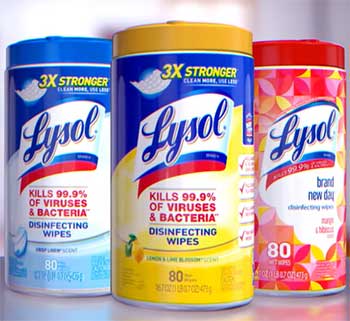
- Softer cloth construction makes daily wiping feel gentler on hands and on surfaces that scratch easily. The material conforms better to curved items like faucet handles or phone cases without bunching. When I clean electronics or painted wood furniture I reach for these because they glide smoothly and leave fewer micro-scratches from repeated passes.
- Pleasant scent variety keeps the chore from feeling clinical. Rotating between lemon-lime and lighter fresh options prevents scent fatigue and leaves rooms smelling intentionally clean rather than just “disinfected.” Guests often notice and comment positively when I use these in the guest bathroom or entryway.
- Reliable performance against common cold and flu viruses plus SARS-CoV-2 gives consistent protection during winter months. The four-minute wet time on many labels is easy to achieve by wiping a section and moving on while it stays damp. This timing works well for bathroom vanities and kitchen backsplashes where you want full disinfection without standing around waiting.
- Convenient one-handed dispensing from the canister speeds up quick cleanups between bigger tasks. When you are managing kids or pets and just need to hit the high-touch spots fast, the pop-top design reduces frustration. The wipes stay moist inside the sealed container even if you go a few days between uses.
- Strong everyday bacteria kill including salmonella and E. coli supports kitchen hygiene after meal prep. Wiping down counters and the sink area after handling raw ingredients adds a layer of protection without needing a separate spray step in many cases.
Pros of Lysol Wipes
- Milder, more varied scents make regular disinfecting feel less like a chore and more like freshening the space. This matters when you clean daily or when visitors are around and you want the home to smell inviting rather than heavily cleaned.
- Softer material reduces risk of micro-scratches on sensitive finishes and feels kinder on hands during extended cleaning sessions. For quick daily rounds on furniture, remotes, and toys the gentler wipe is easier to use repeatedly without fatigue.
- Solid, dependable performance on everyday viruses and bacteria gives reliable results for routine maintenance. The consistent claims around cold and flu season make them a trustworthy choice for high-touch areas without needing to overthink contact times.
- Easy dispensing and good moisture retention support fast, low-effort touch-ups throughout the day. When life is busy you can grab one, wipe the most used spots, and move on without fighting a stuck lid or dry wipes.
Cons of Lysol Wipes
- Softer texture means less built-in scrubbing power on heavy grease or dried spills. You may need to go over the same spot twice or pair with a separate cleaner when facing tough kitchen messes, which adds a small extra step.
- Scent preference is subjective; some users still find any disinfectant fragrance noticeable even if it is lighter than alternatives. If your household prefers completely unscented options neither brand fully delivers on standard disinfecting wipes.
- Same single-use waste and cost considerations apply as with any wipe brand. For bigger jobs or frequent whole-surface cleaning, reusable options paired with a spray bottle usually save money and reduce plastic over time.
- Standard versions do not carry norovirus claims, so they are not the right tool during outbreaks of stomach viruses. Planning ahead with a bleach-based solution or checking for specific healthcare-grade products becomes necessary then.
Making The Right Choice For Your Household

If your biggest challenges involve kitchen grease, dried-on food, or surfaces that need actual scrubbing, Clorox wipes reward you with faster results and less frustration.
The texture advantage shows up immediately on real messes and the extra claims around allergen removal and odor control add value in active homes.
When your priority is pleasant scent, gentle daily touch-ups, and a wipe that feels nice in hand for quick passes around the living room or kids’ toys, Lysol wipes keep the process lighter and more enjoyable.
Many households do best with both on hand—one for heavy cleaning days and one for maintenance.
Both products deliver trustworthy EPA-registered disinfecting power for the germs most people encounter at home.
Neither replaces good handwashing or proper cleaning of heavily soiled areas, and both work best when you keep the surface wet for the time listed on that specific canister.
Test a small area first on any new surface, store them out of reach of children and pets, and never use them on skin or as personal wipes.
Also Read: Is Magair Mold Remover Any Good?
Frequently Asked Questions (FAQ)
It depends on your priorities. Both Clorox and Lysol wipes are strong EPA-registered choices that kill 99.9% of common viruses and bacteria. Pick Clorox when you need more scrubbing power on tough messes and Lysol when you prefer gentler texture and milder scents.
Avoid unpainted wood, porous surfaces, unsealed stone, food-contact surfaces without rinsing afterward, skin, and electronics unless the label specifically allows it. Always spot-test first and follow the directions on the canister.
Yes for most home disinfecting needs. Both deliver comparable germ-killing results on hard nonporous surfaces. Clorox often feels stronger on grease and stuck-on soil thanks to its texture, while Lysol tends to win on scent appeal and softness for everyday wiping.
Standard Clorox and Lysol disinfecting wipes usually do not carry claims against norovirus. Look for EPA-registered products specifically listed as effective against norovirus (often bleach-based solutions or certain healthcare versions). Diluted household bleach remains one of the most reliable options according to health guidelines.
Final Thoughts
In the end, both Clorox and Lysol wipes deliver solid disinfecting power that I rely on regularly in my home. You get reliable germ control on everyday surfaces when you follow the labels, with Clorox shining on tougher scrubbing jobs and Lysol winning for gentler feel and nicer scents.
Pick based on your biggest cleaning headaches—messy kitchens versus quick daily touch-ups—and consider keeping both handy.
Test what works best for your household, stay consistent with high-touch areas, and you will keep things cleaner and safer without overcomplicating your routine.