
When I first started paying closer attention to what went into my protein shakes a couple of years ago, two brands kept popping up everywhere in the clean eating space: Clean Simple Eats and Just Ingredients.
Both promise grass-fed proteins without artificial junk, both come from Utah founders, and both sit at a similar premium price point around sixty dollars a bag.
I wanted to cut through the marketing and see how they actually compare for someone like me who tracks macros, cares about digestibility, and wants to know the real story on safety and ingredients. That comparison is what this piece delivers so you can make a smarter choice for your own routine.
Here is a side-by-side look at the core specs based on labels, recent independent testing, and what users report:
| Aspect | Clean Simple Eats | Just Ingredients |
| Protein per scoop | 20g grass-fed whey | 22-24g multi-source (whey + pea, pumpkin seed, chia, collagen) |
| Calories per scoop | ~100-110 | ~140 |
| Casein content | 99% casein-free + digestive enzymes | 100% casein-free |
| Sweeteners | Stevia leaf extract, monk fruit | Stevia, monk fruit + real whole-food flavors (cacao, coconut milk, vanilla bean) |
| Other notable ingredients | Digestive enzymes, occasional MCT oil | No gums, no fillers, no “natural flavors” |
| Third-party testing | Claimed multiple rounds; recent tests show very low lead | Publishes COAs; NSF Certified for Sport option available; some independent flags on heavy metals |
| Best macro fit | Strong for calorie-conscious tracking | Higher protein but denser calories |
| Standout safety note | Ranked #1 safest chocolate protein in recent consumer testing (lowest lead) | Good transparency on COAs but mixed independent results |
| Price | ~$2 per serving | ~$2 per serving |
| Retail access | Widely expanding (Target, Walmart, Costco) | Growing retail but more direct-to-consumer focus |
Key Differences Between the Two
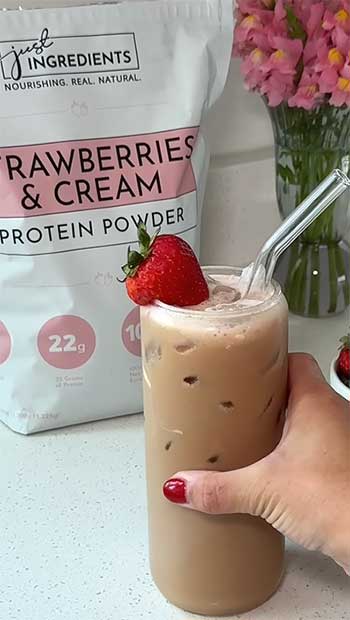
- Protein source philosophy Clean Simple Eats stays focused on a high-quality grass-fed whey with enzymes to optimize what is already a fast-digesting protein. Just Ingredients spreads the bet across multiple whole-food sources, which some people prefer for nutrient variety and others find unnecessary if whey alone sits fine with them.
- Calorie and macro efficiency The lower calories in Clean Simple Eats make it the clearer winner for anyone counting every macro or using protein as a tool for body composition. Just Ingredients trades some of that efficiency for a more complex ingredient story and slightly higher protein grams.
- Digestibility approach Clean Simple Eats adds enzymes to help most users tolerate whey better. Just Ingredients removes casein entirely and uses a broader blend, which can suit people with specific dairy sensitivities but may not feel as light for everyone.
- Flavor and real-food authenticity Just Ingredients wins on the “made with actual foods” angle because flavors come from recognizable ingredients like cacao and coconut. Clean Simple Eats delivers richer, more dessert-mimicking profiles that many users, including me, found more craveable day after day.
- Safety and testing transparency Clean Simple Eats currently holds an edge in recent independent low-contaminant rankings. Just Ingredients offers more public COA access and an NSF tier, yet faces more scattered independent concerns about heavy metals. Both are cleaner than conventional tubs, but the data picture is not identical.
- Use case fit Clean Simple Eats feels more plug-and-play for daily shakes and macro tracking. Just Ingredients shines if you bake with protein, want zero casein, or value multi-source diversity and are willing to manage the extra calories.
- Retail and accessibility Clean Simple Eats has pushed harder into big-box stores recently, making it easier to try without committing to a full bag online. Just Ingredients remains stronger in direct and specialty channels.
- Long-term daily driver potential For consistent everyday use without digestive drama or macro disruption, Clean Simple Eats edged ahead in my personal rotation. Just Ingredients felt like the better occasional or recipe-focused option.
Key Features of Clean Simple Eats
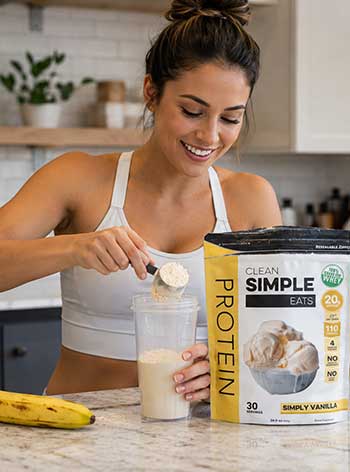
- Grass-fed whey base with added digestive enzymes I noticed right away that Clean Simple Eats keeps things relatively simple with a primary grass-fed whey isolate that is 99 percent casein-free. The real differentiator for me was the inclusion of digestive enzymes. When I used it post-workout or in the middle of a busy day, I experienced noticeably less bloating compared to standard whey powders I had tried before. That enzyme blend seems to help break down the protein faster, which matters if you have any sensitivity or just want to feel good after your shake instead of weighed down. It also keeps the scoop size manageable while delivering solid protein without unnecessary extras.
- Lower calorie density for macro tracking At roughly 100 to 110 calories for 20 grams of protein, this powder gives you more room in your daily numbers. I found myself able to add a scoop to Greek yogurt or blend it into a larger smoothie without pushing my calories over my target. For anyone in a fat-loss phase or simply trying to stay lean while hitting protein goals, that efficiency adds up over weeks and months. It feels practical rather than restrictive.
- Rich flavor options and mixability The Chocolate Brownie Batter and similar profiles tasted fuller and more dessert-like to me than many clean powders. They mix smoothly in a shaker bottle with just water or almond milk and do not leave a gritty or overly stevia-forward aftertaste. I also appreciated that the brand has expanded into clear protein sodas and other formats, making it easier to vary how I get my protein throughout the day.
- Strong recent safety data on contaminants Independent testing highlighted Clean Simple Eats as having exceptionally low lead levels in chocolate varieties, coming in well under daily limits. For someone who uses protein daily, that data point gave me more confidence than marketing claims alone.
Also Read: Comparison of Atkins And Premier Protein Shakes.
Pros of Clean Simple Eats
- Macro-friendly design that supports consistent use The lower calorie count per scoop means I could maintain higher volume in my meals while still hitting 100 to 120 grams of protein from supplements alone on training days. That flexibility helped me stay consistent without feeling like I was sacrificing satisfaction elsewhere in my diet.
- Digestive support that reduces common complaints The enzymes made a tangible difference for me on days when I had multiple scoops or paired the powder with other dairy. Many users report similar ease, which explains why the brand has built such loyalty among people who previously avoided whey altogether.
- Broad availability and flavor innovation Finding it in big retailers now removes the friction of waiting for online orders. The range of flavors, including seasonal ones, keeps things interesting so I do not get bored and fall off the habit.
- Proven low heavy metal results in head-to-head tests Seeing it rank at the top for safety in recent chocolate protein evaluations stood out as more than just a nice-to-have. It aligns with wanting a product I can use long-term without second-guessing exposure.
Cons of Clean Simple Eats
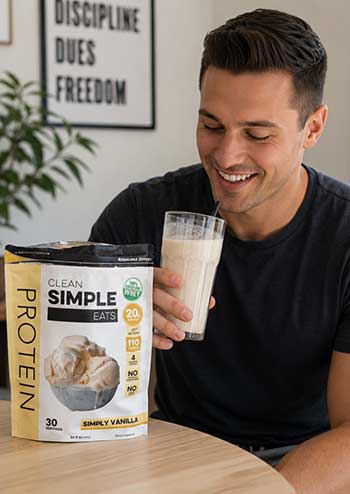
- Not fully casein-free for the most sensitive users While it is 99 percent casein-free, that remaining trace can still matter for people with strict dairy avoidance or specific intolerances. I did not notice issues myself, but it is a clear distinction from fully casein-free options.
- Premium pricing without single-ingredient simplicity At around two dollars per serving it costs more than basic grass-fed wheys. You are paying for the enzymes, flavor development, and testing, but if you prefer the absolute shortest ingredient list possible, this may feel like a step away from minimalism.
- Ongoing questions around testing visibility Some users have pointed out that while the brand claims rigorous third-party checks, full lab names and complete certificates are not always front-and-center on the site the way they are with certain competitors. A recent lawsuit also questions the “Nothing Artificial” language on their clear protein line, which has added to conversations about labeling precision.
- Slightly lower protein per scoop than multi-source rivals If your primary goal is maximizing grams per calorie or per dollar in the most concentrated way, the 20-gram yield requires an extra half scoop compared to some 24-gram options to reach the same total.
Key Features of Just Ingredients
- Multi-source protein blend built from whole-food ingredients Just Ingredients combines grass-fed New Zealand whey with organic pea, pumpkin seed, chia, and grass-fed collagen. The result is a more complete amino profile on paper and a formula that feels intentionally designed around real foods rather than isolates alone. I liked that the flavoring comes from actual cacao, coconut milk, and vanilla bean instead of vague “natural flavors,” which gave the shakes a more grounded taste.
- Fully casein-free for easier digestion in sensitive stomachs This stood out as a deliberate choice. For anyone who reacts to even small amounts of casein, the 100 percent removal removes a common barrier. The blend also tends to sit lighter for some users because of the varied protein sources.
- Transparent COA publishing and NSF option The brand shares certificates of analysis directly on product pages for many items, and they offer an NSF Certified for Sport line that screens for banned substances and tighter heavy metal limits. That level of documentation appeals to athletes or anyone who wants verifiable proof.
- Versatility for baking and everyday recipes Because it uses real-food components and avoids gums, the powder performs well in muffins, pancakes, or protein bars without weird textures. I experimented with it in baked goods and found it integrated more cleanly than some isolate-heavy powders.
Also Read: Comparison of Premier Protein And Fairlife Protein Shake.
Pros of Just Ingredients
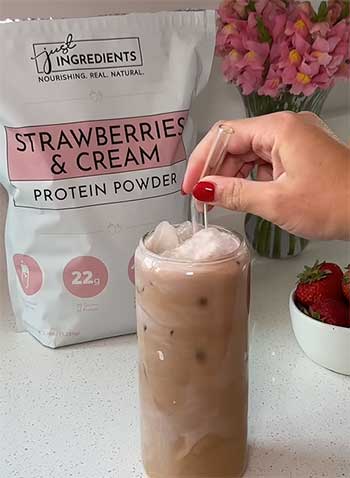
- Whole-food ingredient philosophy that feels closer to real eating Knowing the flavors come from actual organic ingredients rather than lab-created profiles gave me a different kind of reassurance. It aligns with wanting supplements that complement rather than replace whole foods in my diet.
- Broader amino acid diversity from multiple sources The combination of whey for quick absorption plus plant and collagen elements provides a more rounded profile. This can be useful if you rotate proteins or want to avoid over-relying on one source long-term.
- Strong transparency on testing for those who dig into the details Published COAs and the NSF line option let you verify what you are getting. For people who research every label, this removes some of the guesswork that exists with other premium brands.
- Baking-friendly and family-use potential I found it worked smoothly in recipes where texture matters. Families or anyone who likes to batch-prep protein snacks may appreciate this flexibility more than a pure whey isolate.
Cons of Just Ingredients
- Higher calorie load per scoop At around 140 calories for 22-plus grams of protein, it delivers more density. When I tracked closely, I had to adjust portions elsewhere to stay in my targets, which felt less forgiving than lower-calorie alternatives during maintenance or cut phases.
- Independent heavy metal testing has raised flags on some batches While the brand publishes its own results showing safe levels, third-party labs have detected measurable amounts in certain products. This creates a credibility gap for people who prioritize minimal exposure above all else, even if the brand disputes the testing methods or thresholds used.
- Collagen component dilutes complete protein metrics Collagen is not a complete protein on its own, so the overall leucine and essential amino yield per scoop can be lower than a pure whey isolate despite the higher total protein number on the label. Serious lifters focused on muscle protein synthesis may want to account for that.
- Premium price with less retail saturation Same cost per serving as Clean Simple Eats but harder to grab on a quick store run in some areas. The heavier reliance on direct sales can mean waiting for shipping if you run out unexpectedly.
Also Read: Comparison of Fairlife And Muscle Milk Protein Shakes.
Frequently Asked Questions (FAQ)
A consumer protection lawsuit was filed questioning the “Nothing Artificial” claims on certain clear protein products, and some users have questioned how visible the full third-party testing documentation is beyond brand statements.
It uses clean ingredients without artificial sweeteners or colors, ranks at the top of recent independent tests for low heavy metals, and supports protein intake effectively. As with any supplement, results depend on overall diet and individual tolerance.
The founders are Utah-based with personal backgrounds common to the region, but the company operates as a standard wellness business with no official religious affiliation or branding tied to any faith.
Recent testing placed Clean Simple Eats at the top for lowest lead in chocolate flavors among popular options. Single-ingredient grass-fed wheys or NSF-certified products also score highly for minimal processing and verified safety when transparency is a top priority.
Final Thoughts
After trying both and weighing the data, I keep coming back to Clean Simple Eats for my regular shakes because the macros, taste, and recent safety numbers line up with what I need most days.
That said, Just Ingredients offers real strengths if whole-food sourcing and zero casein matter more to you or if you enjoy using protein in baking.
You know your body, your goals, and your tolerance best, so the right pick comes down to which trade-offs feel worth it in your own kitchen and routine.
Start with a smaller size or variety pack of whichever leans closer to your priorities and test it for a couple of weeks. Small adjustments in how you feel and how your numbers track will tell you more than any single review ever could.