
I have spent years grabbing yogurt from store shelves, comparing labels in the dairy aisle, and testing what actually works for my busy mornings and post-workout snacks.
In this article, I compare Chobani and Yoplait head-to-head so you can decide which one deserves space in your fridge. I cover nutrition, taste, ingredients, value, and real-life use based on my experiences and what many shoppers notice every day.
By the end, you will have clear insights to pick the right option for your needs and preferences.
| Aspect | Chobani (Greek focus) | Yoplait (Regular & Greek) |
| Protein per serving | 12-20g (higher in Greek/high-protein lines) | 5-15g (varies by Greek vs regular) |
| Sugar content | Lower in plain/less sugar options; flavored around 9-15g | Often higher in flavored; light versions lower |
| Texture | Thick, creamy, strained | Smoother, sometimes thinner |
| Calories (typical flavored) | 100-140 | 80-150 |
| Key ingredients | Natural stabilizers like pectin; live cultures | May include more additives in some lines |
| Price range | Slightly higher | Generally more affordable |
| Flavor variety | Real fruit, creative mixes | Classic fruity, kid-friendly |
| Probiotics | Live and active cultures | Varies; some pasteurized |
Key Differences Between Chobani And Yoplait
I notice these distinctions every time I compare containers side by side:

- Protein levels and satiety — Chobani Greek varieties deliver more protein per serving, which helps me stay full longer during hectic days and supports steady energy without mid-morning crashes. Yoplait offers decent amounts in its Greek line but feels lighter overall in regular options, making it suitable for smaller snacks.
- Straining process and thickness — Chobani strains its Greek yogurt, creating that signature dense texture I enjoy spooning straight from the cup and that holds up better when mixed with toppings. Yoplait tends to have a creamier, more familiar consistency that reminds me of childhood snacks and blends more easily into other foods.
- Sugar and sweetener choices — I appreciate Chobani’s focus on lower sugar or naturally fermented zero sugar options in many lines, allowing me to enjoy flavors without worrying about excessive sweetness. Yoplait provides accessible light versions but some flavors lean sweeter to appeal to broader tastes and younger palates.
- Ingredient transparency — Chobani often uses natural thickeners like pectin and real fruit pieces that give a cleaner eating experience. Yoplait maintains classic appeal with reliable quality across mass-market options, though some lines include additional stabilizers for shelf life.
- Calorie density — Both can fit calorie goals, but Chobani’s higher protein makes portions feel more substantial without extra calories for me, especially during active periods. Yoplait’s lighter profiles work well for casual, lower-energy days.
- Live cultures and gut support — Chobani keeps active cultures prominent, which aligns with my interest in digestion-friendly choices and noticeable improvements in comfort. Yoplait performs well but some products undergo more processing that can affect culture viability.
- Packaging and portability — Both offer single-serve cups, yet Chobani’s modern look stands out on my counter while Yoplait feels nostalgic and family-oriented with easy-to-open designs for all ages.
These points shape how I reach for one over the other depending on the meal or mood.
Key Features of Chobani Yogurt
Chobani stands out to me for several reasons that make it a staple in my routine:

- High protein Greek base that supports muscle recovery after workouts I actually complete and keeps me satisfied through longer work sessions.
- Wide range of flavors using real fruit chunks rather than just extracts, delivering noticeable fruit pieces in every spoonful for better texture variety.
- Options like less sugar and zero sugar that let me control sweetness without artificial aftertaste, perfect for daily rotation without guilt.
- Live and active cultures including acidophilus and bifidus for daily gut comfort and a sense of better overall digestion over weeks of use.
- Creamy texture that holds up well in smoothies or as a base for overnight oats without becoming watery.
- Commitment to non-GMO ingredients in core lines, which gives me peace of mind when reading labels carefully.
- Innovative high-protein versions reaching 20g that feel like a meal replacement on busy days when I need quick, complete nutrition.
- Variety of fat levels from 0% to whole milk for different dietary preferences, letting me adjust based on my current health focus.
- Kid-friendly lines with reduced sugar compared to many competitors, making family breakfasts easier and more nutritious.
- Strong presence of calcium and other nutrients from quality milk sources that contribute to my overall bone health routine.
I especially enjoy how Chobani blends tartness with subtle sweetness in vanilla or berry flavors, making plain eating satisfying even without additions.
Pros of Choosing Chobani
I have come to value these advantages after months of regular use:
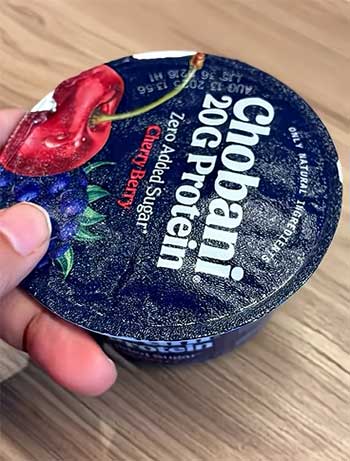
- Superior protein content helps me feel fuller and supports active lifestyle goals by providing sustained energy between meals.
- Thicker consistency feels more premium and substantial in every bite, especially satisfying when eaten plain or lightly topped.
- Better control over added sugars in many varieties aligns with mindful eating and helps manage overall daily intake effectively.
- Natural ingredient focus reduces concerns about unnecessary additives, giving a cleaner daily option I trust.
- Excellent for meal prep, as it holds texture in bowls with toppings and stays fresh longer in the fridge.
- Probiotic benefits contribute to smoother digestion over time, which I notice particularly during stressful weeks.
- Creative flavors keep breakfast interesting without boredom, encouraging consistent healthy habits.
- High calcium paired with protein supports bone and muscle health together in one convenient package.
- Options for various fat preferences suit different dietary needs, from weight loss to higher energy requirements.
- Strong brand transparency around sourcing and cultures builds confidence in the products I consume regularly.
These elements make Chobani feel like an investment in how I fuel my day.
Cons of Choosing Chobani
No brand is perfect, and I have noticed these drawbacks in my experience:
- Higher price point can add up quickly with frequent purchases, requiring careful budgeting for larger households.
- Tartness in plain varieties might feel too strong for those preferring milder tastes, especially beginners to Greek yogurt.
- Some flavored cups still contain noticeable sugars despite better profiles, needing label checks for strict low-sugar goals.
- Availability of certain specialty lines varies by store location, occasionally forcing substitutes.
- Thicker texture requires more stirring if mixing with other ingredients like thinner fruits or liquids.
- Premium positioning means fewer budget multipacks compared to everyday brands.
- Occasional graininess reported in reviews, though I rarely notice it in fresher containers.
- Stronger flavors can overpower delicate pairings in recipes, limiting some creative cooking uses.
- Higher protein sometimes comes with slightly higher calories in indulgent lines, important for precise tracking.
- Boycott discussions around company partnerships occasionally surface in conversations, influencing some shoppers’ choices and brand perception.
I weigh these against the benefits depending on my monthly budget and goals.
Key Features of Yoplait Yogurt
Yoplait brings its own strengths that keep it relevant in my shopping trips:

- Affordable pricing that fits tighter grocery budgets without sacrificing taste, allowing me to buy in larger quantities for the week.
- Classic fruit flavors like strawberry and peach that taste consistent every time and evoke simple, enjoyable snacking moments.
- Light and low-fat options designed for calorie-conscious eating that help me stay on track during busier periods.
- Greek yogurt line that boosts protein while keeping familiar creaminess, bridging the gap for those transitioning from regular yogurt.
- Kid-approved varieties and tubes that make snacks easy for families and reduce mess during outings or school lunches.
- Smooth texture that mixes effortlessly into fruit dips or parfaits, creating quick, appealing desserts or sides.
- Broad availability in most stores, so I never struggle to find it even during last-minute grocery runs.
- Variety packs that encourage trying multiple flavors without commitment and help avoid flavor fatigue.
- Some lactose-free choices for sensitive stomachs that accommodate different household needs comfortably.
- Nostalgic appeal with reliable quality that reminds me of simpler snacking days and works well for comfort eating.
The ease and familiarity make Yoplait a go-to when I need something quick and crowd-pleasing.
Also Read: Is Promix Protein Powder Healthy?
Pros of Choosing Yoplait
Yoplait earns these positives through consistent performance:

- Lower cost per serving makes it accessible for everyday use and stretches grocery dollars further.
- Milder sweetness appeals to kids and those avoiding strong tartness, creating harmony in family settings.
- Wide flavor selection ensures everyone in the household finds favorites and reduces complaints at snack time.
- Smooth, easy-to-eat texture works great for quick snacks or on-the-go without needing extra preparation.
- Light versions help manage calories without feeling restrictive, supporting steady weight maintenance.
- Excellent availability means no hunting through crowded aisles even in smaller local stores.
- Family-friendly packaging and portion sizes simplify routines for parents and caregivers.
- Reliable quality control across batches and stores builds trust for repeated purchases.
- Good entry point for introducing yogurt to new eaters with approachable tastes and textures.
- Versatile in recipes from smoothies to baked goods, adding creaminess without dominating other ingredients.
These traits keep Yoplait as a dependable choice in my rotation.
Cons of Choosing Yoplait
Here are the limitations I have encountered:
- Lower protein in regular varieties leaves me hungry sooner after eating, prompting additional snacks.
- Higher sugar in some traditional flavors can spike energy then crash, affecting afternoon focus.
- Additives in certain lines feel less clean compared to natural alternatives, noticeable on detailed labels.
- Thinner consistency separates more easily in warm conditions or when left out briefly.
- Greek options, while improved, still lag behind leaders in density for me during high-protein phases.
- Less emphasis on live cultures in some pasteurized products reduces potential gut health impact.
- Can taste more processed in direct side-by-side comparisons, especially against premium alternatives.
- Limited innovation in high-protein or zero-sugar categories compared to specialized brands.
- Marketing focused more on fun than functional nutrition benefits, which matters less for performance-focused eaters.
- Potential for artificial notes in heavily flavored varieties that some palates detect quickly.
Understanding these helps me balance selections thoughtfully.
How Taste and Texture Influence My Daily Choices?
When I open a cup, texture matters immediately. Chobani’s strained Greek style delivers a satisfying density that pairs perfectly with granola or nuts for crunch contrast.
I enjoy the slight tang that wakes up my palate in the morning. Yoplait offers a velvety smoothness that feels comforting, especially in fruit blends where pieces integrate seamlessly.
Taste-wise, Chobani leans authentic and less sweet, while Yoplait delivers bright, approachable fruitiness that satisfies cravings without complexity. I often mix them for the best of both in parfaits.
- Nutrition Breakdown From an Everyday Perspective

I check labels closely because numbers affect how I feel hours later. Chobani Greek typically provides impressive protein that aids satiety and muscle support. Its lower lactose due to straining benefits those with mild sensitivities.
Yoplait shines in calcium content in regular lines and offers light choices for calorie tracking. Both supply probiotics, but I notice more consistent gut benefits from Chobani’s active cultures.
For weight management, I lean toward Chobani’s higher protein; for lighter snacks, Yoplait’s options fit nicely. Balancing both keeps my nutrition varied and sustainable.
- Using Them in Meals and Recipes
I incorporate both into my cooking regularly. Chobani works wonderfully as a sour cream substitute in dips or a base for tzatziki because of its thickness.
I blend it into smoothies for creaminess without watering down flavors. Yoplait excels in fruit salads, overnight chia puddings, and as a topping for pancakes where its milder profile complements other ingredients.
Both make excellent bases for frozen bark or popsicles in summer. Experimenting shows me how their differences enhance various dishes uniquely.
- Making the Switch or Mixing Both Brands
You do not have to choose one forever. I alternate based on the week—Chobani during training periods for protein boosts and Yoplait when craving variety on lighter days.
This approach prevents boredom and covers different nutritional bases. Start by trying a few flavors from each to see what aligns with your palate and lifestyle.
Also Read: Is TB12 Protein Powder Healthy?
Frequently Asked Questions (FAQ)
Chobani Greek often edges out with higher protein and lower sugar in many varieties, supporting better satiety and muscle health, though both can fit healthy diets depending on flavors chosen.
Yes, Yoplait Greek provides a solid protein boost with familiar taste and lower calories in light options, making it a reasonable choice for balanced snacking.
Some consumers cite company partnerships or past political stances as reasons, though many continue buying based on product quality and personal values.
It depends on needs, but plain Greek varieties from either, especially lower sugar options, rank high due to protein, probiotics, and minimal additives; compare labels for your goals.
Final Thoughts
After comparing Chobani and Yoplait through many purchases and meals, I see clear strengths in both that serve different moments in your day. I choose Chobani when I want substantial protein and premium texture that powers me through challenges.
You might reach for Yoplait for its affordability, familiarity, and easy appeal that brings smiles around the table. Consider your priorities around nutrition, budget, taste, and convenience, then test them yourself. Both brands offer quality options that fit into balanced eating.
I encourage you to explore what feels right in your kitchen because the best yogurt is the one you actually enjoy consistently. Keep experimenting and listening to how your body responds for the most sustainable habits.